
 Worksheets
Science- Internal organ
Total questions: 25
Worksheet time: 13mins
How many major organs our body has that are vital for our existence
14
15
16
17
____ is one of the most important organs in the human body and is responsible for major actions performed by the body.

Brain

Stomach

Intestine

Bladder
There are ______distintice parts of the brain
4
5
6
7
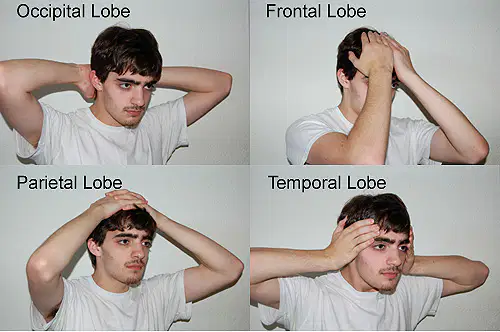
_____________located at the back of the brain, behind the parietal lobe and temporal lobe. Responsible for many aspects of vision (seeing)
Occipital lobe
Frontal lobe
Parietal lobe
Temporal lobe
_____________below the parietal lobe. Responsible for the perception and recognition of auditory stimuli (hearing) and memory.
Occipital lobe
Frontal lobe
Parietal lobe
Temporal lobe

_____________front part of the brain, near the forehead. Responsible for thinking such as reasoning, planning, parts of speech, problem solving, emotion and movement
Occipital lobe
Frontal lobe
Parietal lobe
Temporal lobe
_____________topmost part of the brain. Responsible for perceiving stimuli such as touch, pressure, temperature and pain
Occipital lobe
Frontal lobe
Parietal lobe
Temporal lobe
______is best described as a hollow muscular organ found in the chest cavity between the lungs. It pumps blood through the blood vessles as its main function.

Heart

Lungs
Stomach
Esophagus
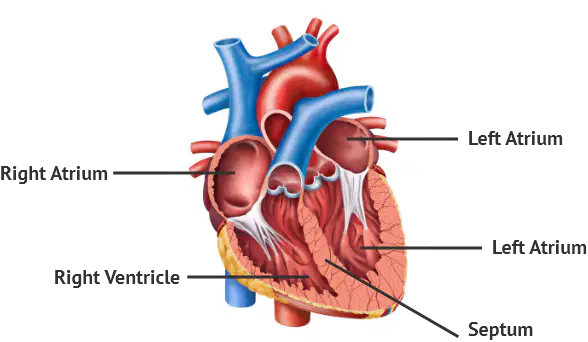
The heart is divided into _____two chambers.
Two
Three
Four
Five
The heart upper two chamber are called _________.
atria
ventricles
septum
halves
The heart upper two chamber are called _________.
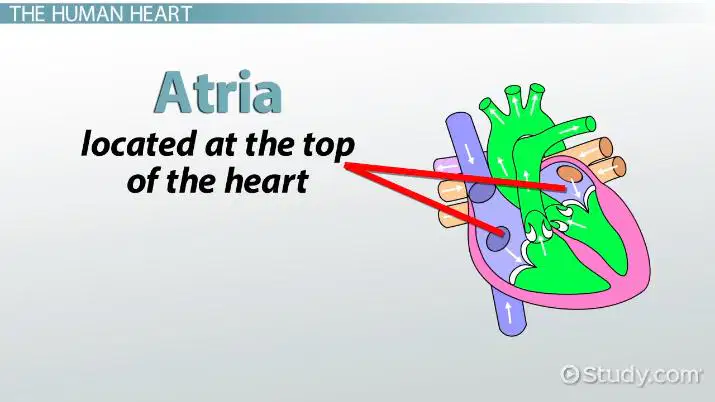
atria
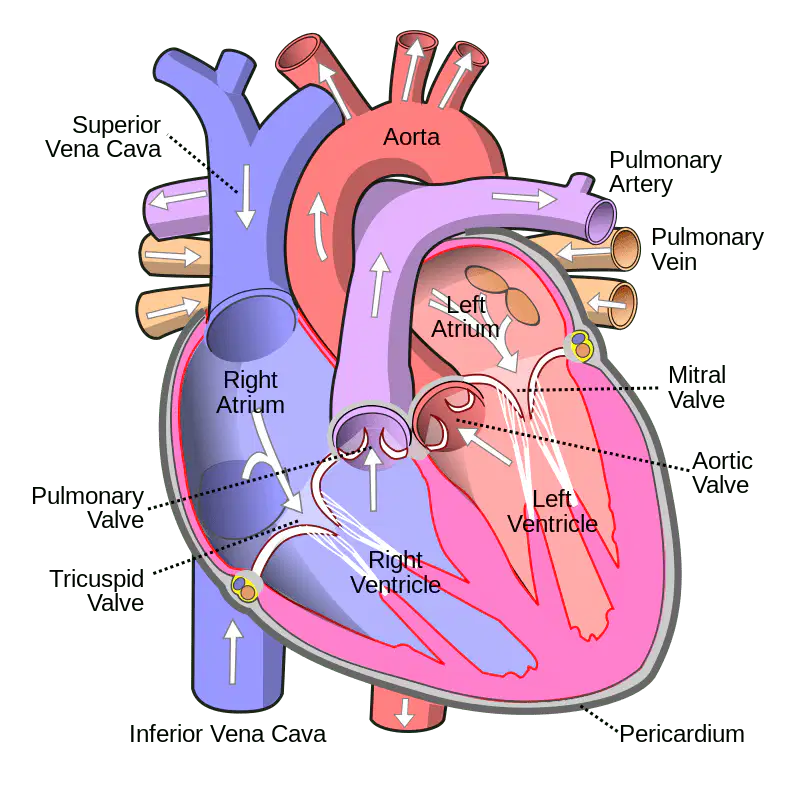
ventricles
The heart upper lower chambers are called _________.
atria
ventricles
________receive blood coming from different parts of the body and lungs.
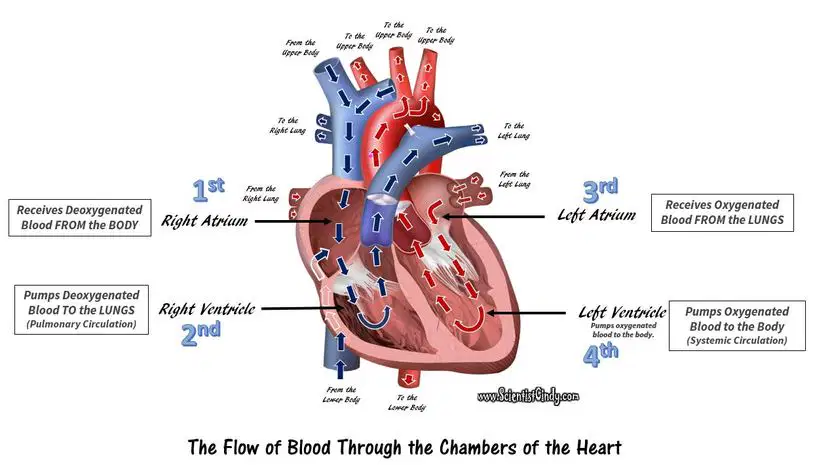
Atria

Ventricles
________pump blood from the heart toward the different parts of the body and lungs.
Atria
Ventricles

inner layer of the heart that is within the inner lining of blood vessels.
Endocardium
Epicardium
Myocardium
Pericardium

double walled sac containing the heart and the roots of the great vessels.
Endocardium
Epicardium
Myocardium
Pericardium

middle muscular layer wall of the heart
Endocardium
Epicardium
Myocardium
Pericardium
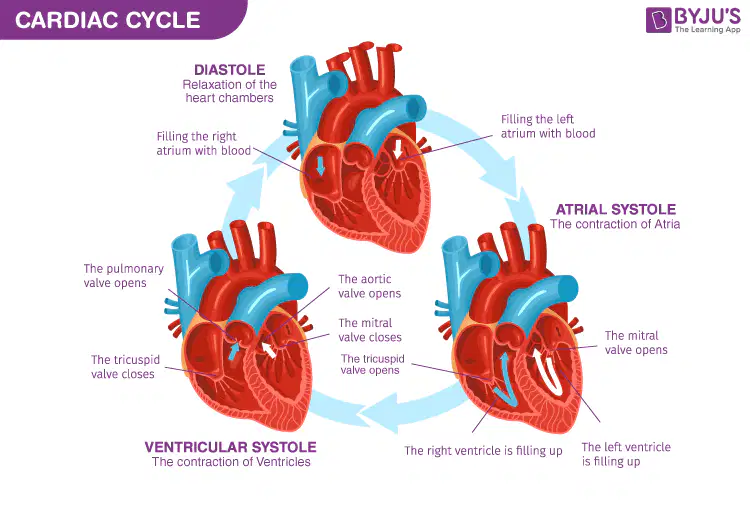
For every heartbeat, a sequence of events occurs, this is called the ____
cardiac cycle
cardiac arrest
The cardiac cycle has 2 major phases, namely the
diastole
systole
pistole
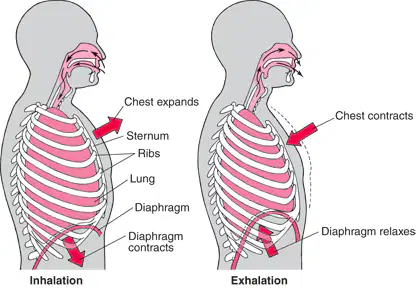
Our chest contains a pair of _____. They are protected by the ribcage. The main function of this organ is to combine oxygen with the blood and to separate carbon dioxide from the blood.
Lungs
Stomach
Heart
Kidney
_____________located under the lungs and is the largest muscle and most efficient for breathing
Diaphragm
Ribs
Chest
Lungs
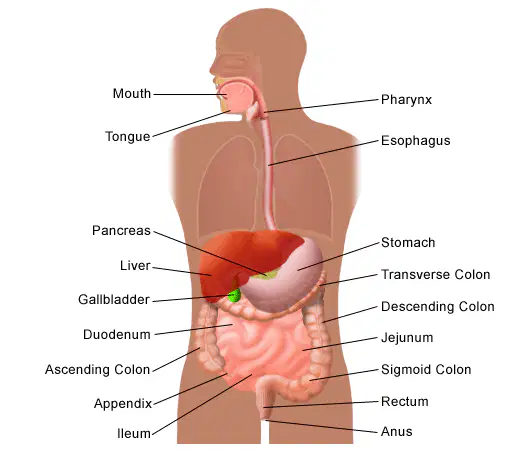
__________is the filtering machine of the body, as it's primary function is to remove toxins from blood
Liver
Lungs
Kidney
Heart
The liver is located on the _______side of the abdominal cavity below teh diaphragm.
left
right
center
top
_____is a thick yellow substance stored in the gallbladder. It's main function is to help the body digest fats.
Bile
Bladder
Vitamins
Fats
Glucose that is stored in the liver is called _________
Glycogen
Vitamins
Minerals
Fats

