
 Worksheets
Unit One Review
Total questions: 50
Worksheet time: 25mins
Name
Class
Date
1.
How did the Five Relationships impact Confucian societies?
a)
They created a social structure.
b)
They led to scientific research.
c)
They weakened regional militaries.
d)
They increased regional trade.
2.
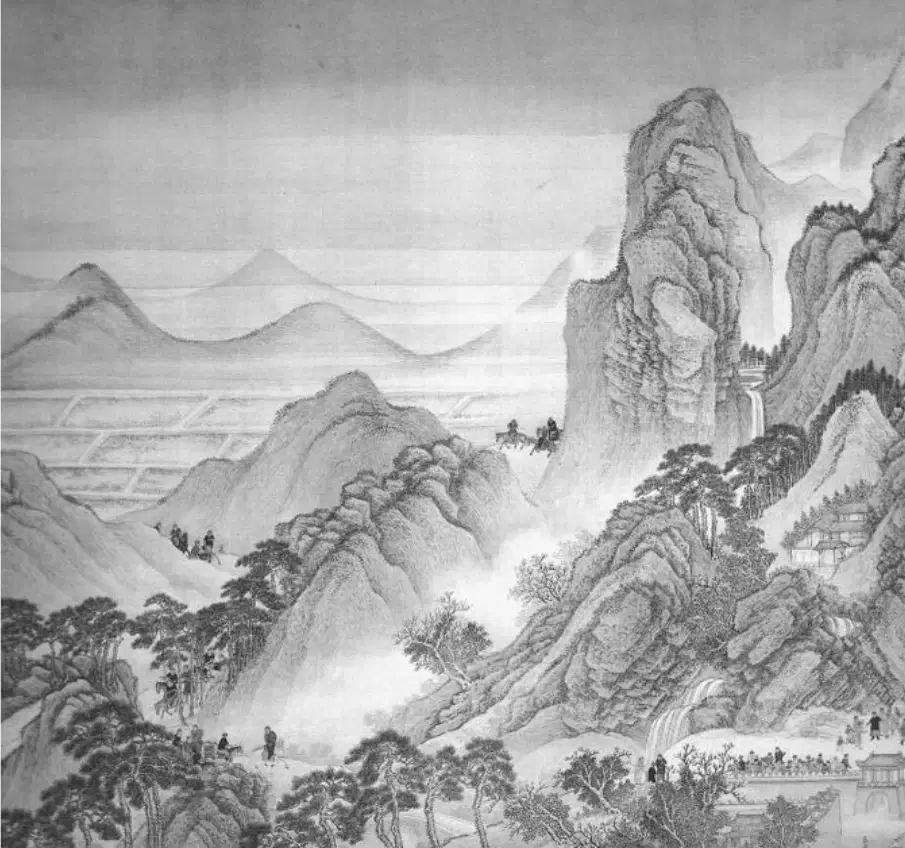
This is a painting from Japan. How does the art of Japan reflect the values of traditional Japanese culture?
a)
Traditional Japanese culture valued urbanization.
b)
Traditional Japanese culture valued nature.
c)
Traditional Japanese culture valued industrialization.
d)
Traditional Japanese culture valued trade.
3.
According to Confucianism, which person should have the greatest power in society?
a)
an older man
b)
an older woman
c)
a young boy
d)
a young girl
4.
Why did the leaders of the Ming Dynasty enhance the Great Wall?
a)
to slow international trade
b)
to prevent natural disasters
c)
to honor the religious teaching of confucius
d)
to defend against Mongolian expansion
5.
The policy of banning all shipping in and out of the Ming Dynasty is an example of what kind of policy?
a)
democratic
b)
industrialist
c)
isolationist
d)
religious
6.
Which historical figure is responsible for exploring much of the Indian Ocean and creating trade routes for China?
a)
Buddha
b)
Confucius
c)
Mansa Musa
d)
Zheng He
7.
How did the daimyo gain power in Japan?
a)
They rented land from the samurai.
b)
They farmed the land owned by the shogun.
c)
They used the samurai as a military to protect their abilities to govern lands.
d)
They elected one daimyo to become the shogun that led the government.
8.
How did the actions of European explorers like Marco Polo impact the relationship between China and Europe?
a)
They spread disease and destroyed the populations of both regions.
b)
They forged strong military alliances that unified the two regions.
c)
They prevented the economic growth of both regions.
d)
They fostered the exchange of cultures and ideas through trade between the two regions.
9.
The spread of Buddhism into China is most closely related to what situation?
a)
increased trade throughout the region
b)
natural disasters throughout the region
c)
the influence of European invaders
d)
the immigration of African laborers
10.
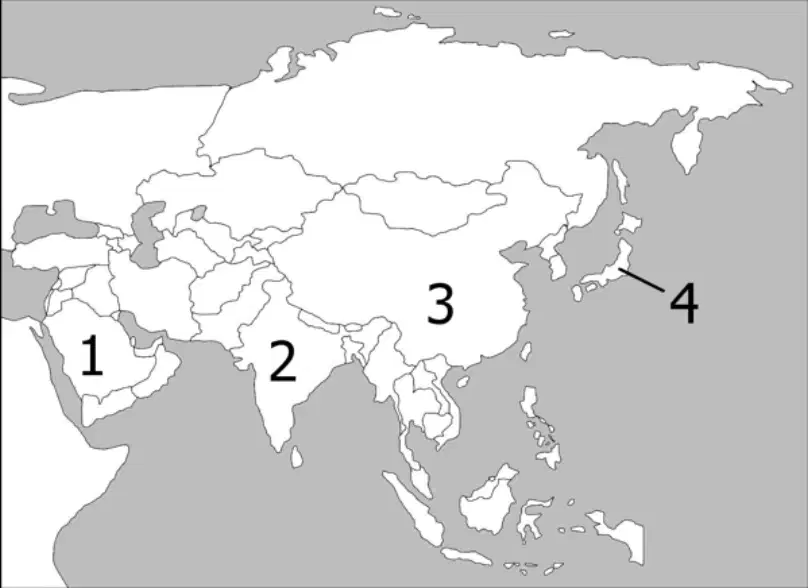
This is a map of Asia. Which number correctly identifies China?
a)
1
b)
2
c)
3
d)
4
11.
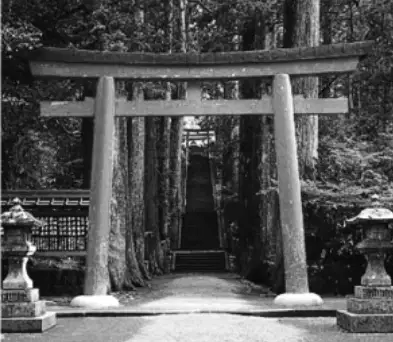
This is a religious shrine in Japan. What religion is most closely associated to shrines like this?
a)
Buddhism
b)
Catholicism
c)
Hinduism
d)
Shintoism
12.
What development had the greatest impact on the exchange of culture and ideas between China and other parts of the world?
a)
the invention of the seismograph
b)
the construction of the Great Wall of China
c)
the development of trade along the Silk Road
d)
the spread of Confucianism
13.
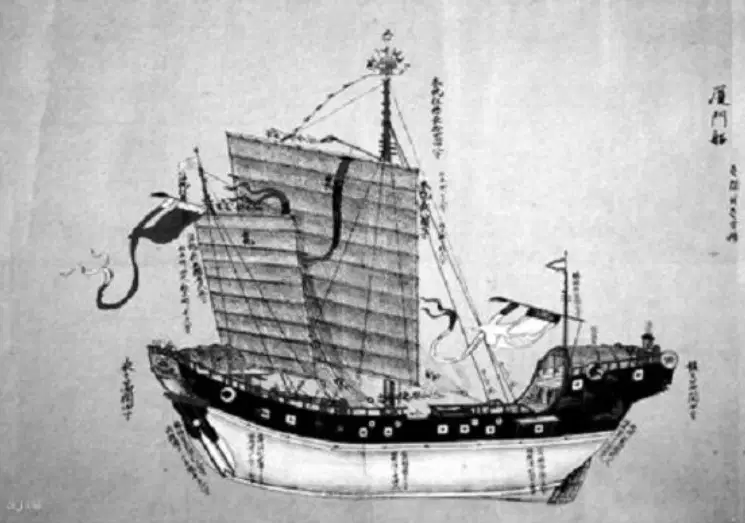
This is a drawing of a Chinese ship built during the Ming Dynasty. This drawing provides evidence for which statement?
a)
The Ming Dynasty created advanced weapons.
b)
The Ming Dynasty did not have a navy.
c)
The Ming Dynasty sponsored sea voyages.
d)
The Ming Dynasty was not technologically advanced.
14.
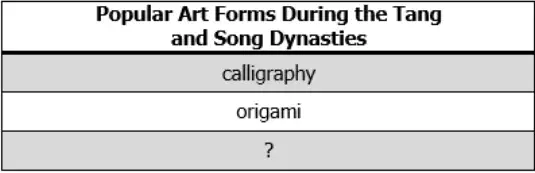
This chart lists several popular art forms during the Tang and Song Dynasties. Which art form best completes this chart?
a)
epics
b)
ivory sculptures
c)
porcelain
d)
steel smithing
15.
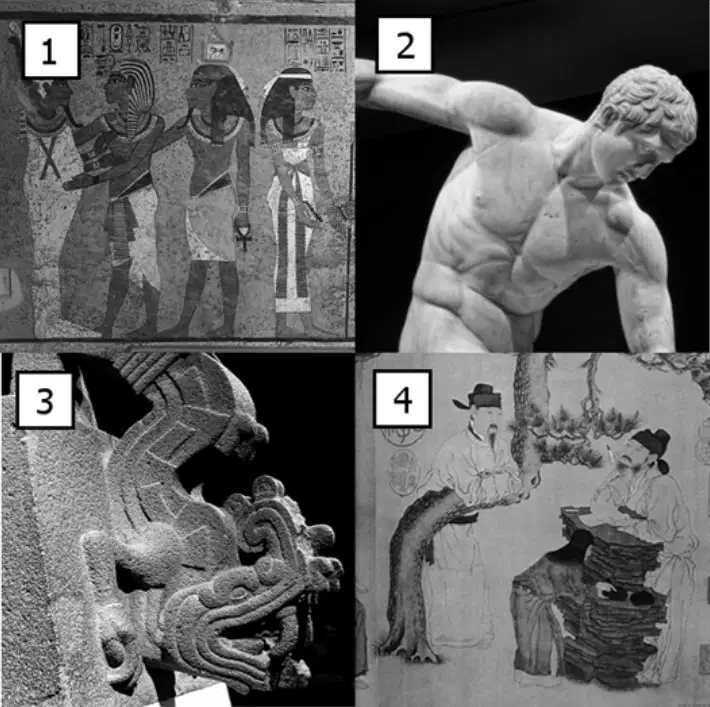
These are examples of art from different civilizations. Which is an example of art from the Tang Dynasty in China.
a)
1
b)
2
c)
3
d)
4
16.
What two religions had the greatest impact on Japanese culture?
a)
Buddhism and Shintoism
b)
Christianity and Judaism
c)
Buddhism and Judaism
d)
Christianity and Shintoism
17.
Which historical leader is most closely associated with the Mongol Empire?
a)
Shah Abbas
b)
Genghis Khan
c)
Mansa Musa
d)
Marco Polo
18.

This is an excerpt from historian A.K. Warder. Based on this excerpt, how did the unification of China before the Tang Dynasty increase the spread of Buddhism?
a)
It allowed Buddhist ideas to spread throughout trade along the Silk Road.
b)
It isolated China from its neighbors that practiced religions other than Buddhism.
c)
It prevented religions other than Buddhism from being practiced in Chinese cities.
d)
It forced all people who traded along the Silk Road to pay taxes to local Buddhist temples.
19.
How did Kublai Khan maintain control of the Yuan Empire?
a)
He replaced all of the Chinese systems and ideas with new processes.
b)
He filled many government positions with trusted foreigners.
c)
He established a social hierarchy with Chinese peasantry at the top.
d)
He banned religious groups during his rule.
20.
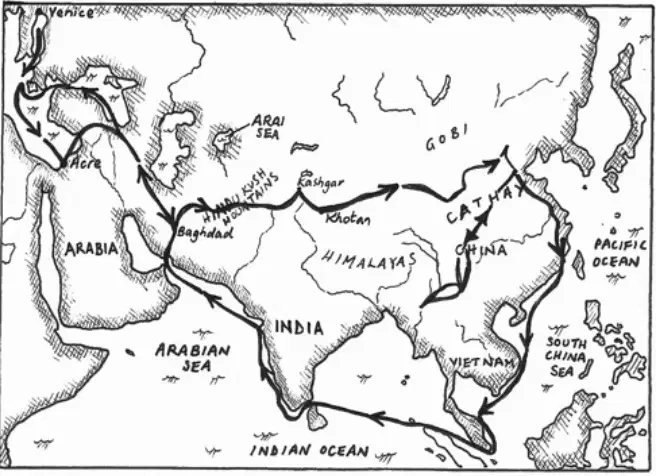
This map shows the exploration of one European explorer. Which European's explorations are shown in this map?
a)
Christopher Columbus
b)
Robert LaSalle
c)
Ferdinand Magellan
d)
Marco Polo
21.
Which geographical feature created a natural boundary for Ancient Chinese civilizations?
a)
Arctic Ocean
b)
Himalayan Mountains
c)
Mediterranean Sea
d)
Nile River
22.
The European invention of the cannon depended on which earlier Chinese invention?
a)
compass
b)
gunpowder
c)
iron
d)
wheel
23.
How did Chinese dynasties make sure that the most qualified citizens helped operate the government?
a)
All government positions were filled with family members of the emperors.
b)
Citizens who wanted to work in government positions had to pass civil service exams.
c)
Religious leaders awarded government jobs to members of the church.
d)
Traders used their wealth to buy their way into government jobs.
24.
What effect has geography had on the island of Japan?
a)
The seas have isolated Japan and protected it from invasion.
b)
Japan has been invaded by many countries during its history.
c)
Famine was common in Japan due to the limited area available for farming.
d)
Water is scarce on the islands of Japan making it hard to grow crops.
25.
Why did the Chinese build the first parts of the Great Wall?
a)
to prevent traders from entering their lands
b)
to protect from tsunamis
c)
to honor the Buddhist gods
d)
to protect their lands from Mongol invaders
26.
What was the role of the samurai in the Japanese feudal system?
a)
to act as a national military to defend against foreigners
b)
to protect the lands of the daimyo
c)
to build farms and harvest crops
d)
to select political leaders from the community
27.
Which Mongolian leader was the creator of the Yuan Dynasty and its first emperor?
a)
Buddha
b)
Confucius
c)
Kublai Khan
d)
Suleiman the Magnificent
28.
How did the Heian Period impact Japanese culture?
a)
The Bubonic Plague destroyed the population.
b)
Industrialization strengthened the economy.
c)
Literature and the arts became more important.
d)
Christianity became the most popular religion.
29.
The Yangtze River is located on which continent?
a)
Asia
b)
Europe
c)
North America
d)
South America
30.
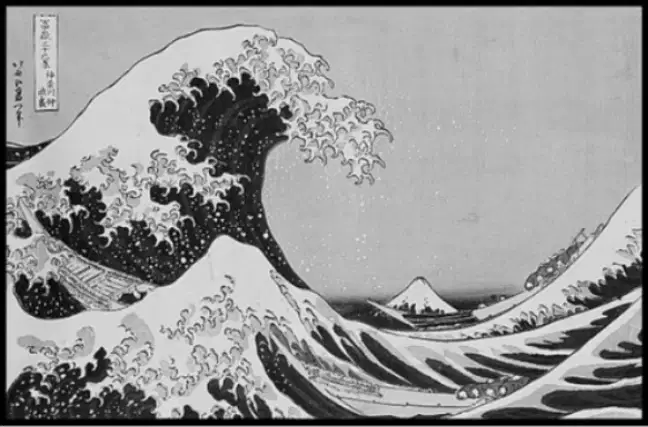
What aspect of Shinto is evident in this Japanese painting?
a)
the beauty and power of nature
b)
the importance of sea travel
c)
the need for shrines to the gods
d)
the desire of humans to control nature
31.

Which water feature is represented by the letter A?
a)
Yellow River
b)
Sea of Japan
c)
Yangtze River
d)
Pacific Ocean
e)
South China Sea
32.

Which water feature is represented by the letter B?
a)
Yellow River
b)
Sea of Japan
c)
Yangtze River
d)
Pacific Ocean
e)
South China Sea
33.
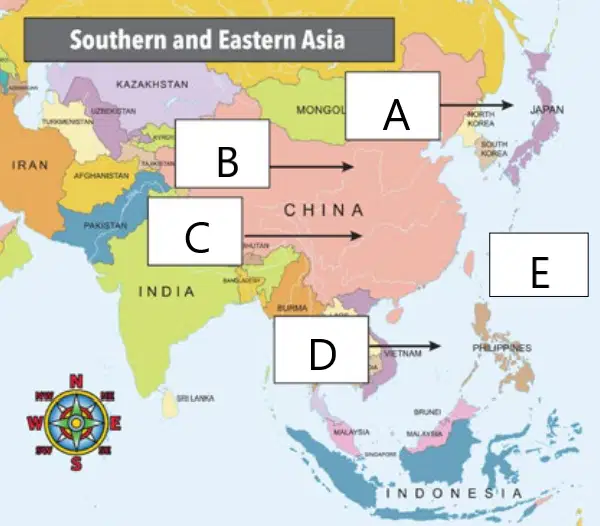
Which water feature is represented by the letter C?
a)
Yellow River
b)
Sea of Japan
c)
Yangtze River
d)
Pacific Ocean
e)
South China Sea
34.
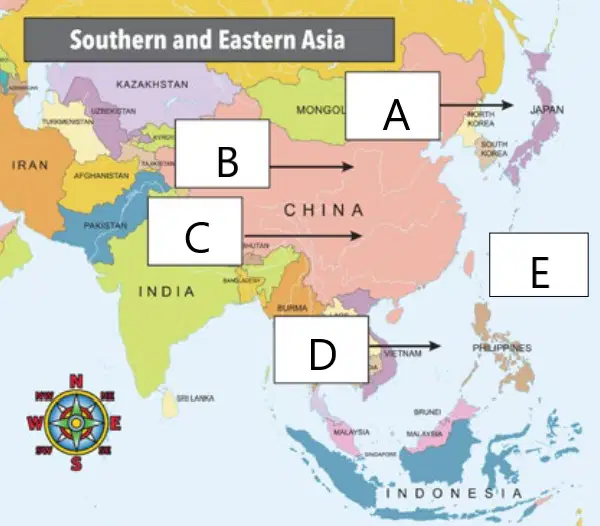
Which water feature is represented by the letter D?
a)
Yellow River
b)
Sea of Japan
c)
Yangtze River
d)
Pacific Ocean
e)
South China Sea
35.
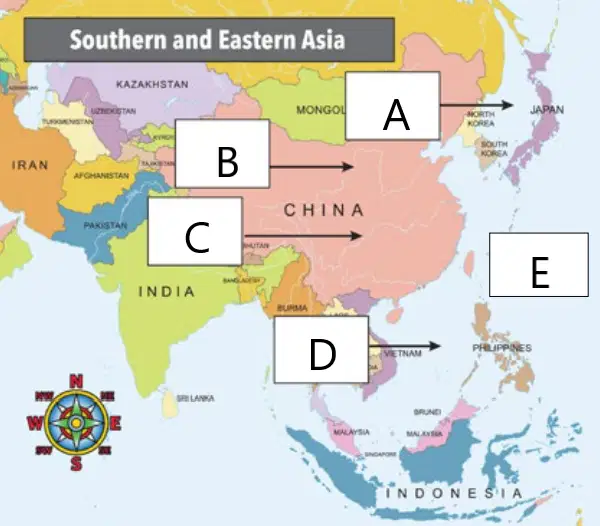
Which water feature is represented by the letter E?
a)
Yellow River
b)
Sea of Japan
c)
Yangtze River
d)
Pacific Ocean
e)
South China Sea
36.
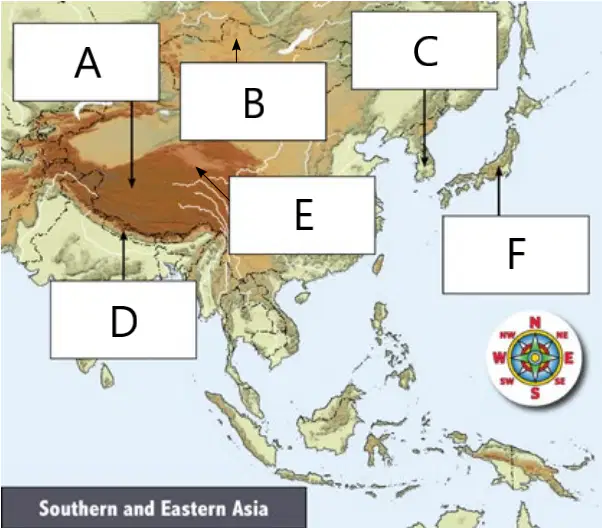
Which land feature is represented by the letter A?
a)
Plateau of Tibet
b)
Himalayan Moutains
c)
Korean Peninsula
d)
China
e)
Gobi Desert
37.

Which land feature is represented by the letter B?
a)
Gobi Desert
b)
Himalayan Moutains
c)
Korean Peninsula
d)
Plateau of Tibet
e)
China
38.
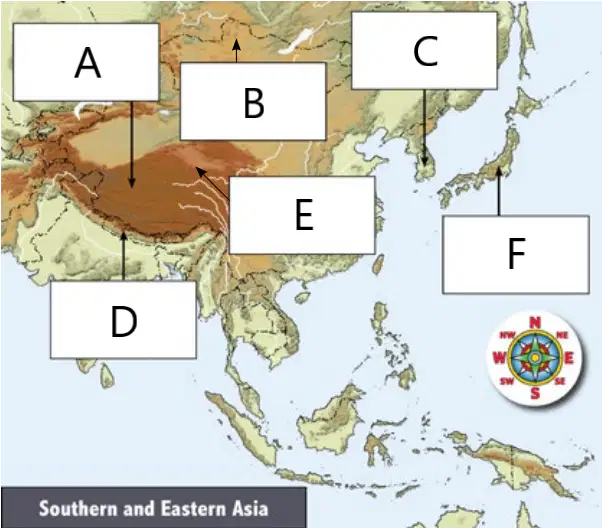
Which land feature is represented by the letter C?
a)
Korean Peninsula
b)
Himalayan Moutains
c)
Plateau of Tibet
d)
China
e)
Gobi Desert
39.
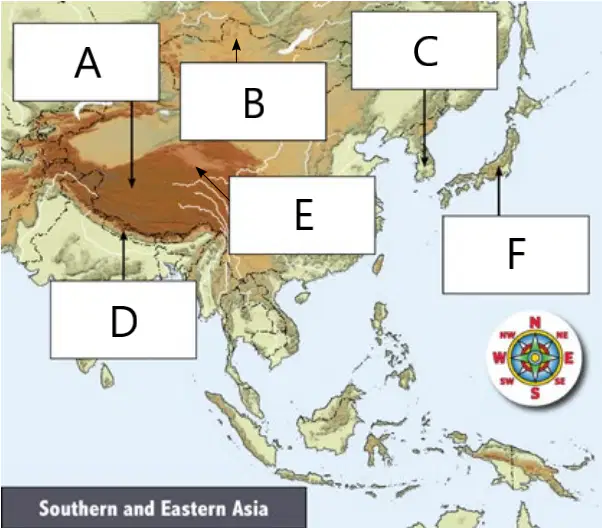
Which land feature is represented by the letter D?
a)
Himalayan Moutains
b)
Korean Peninsula
c)
Plateau of Tibet
d)
China
e)
Gobi Desert
40.
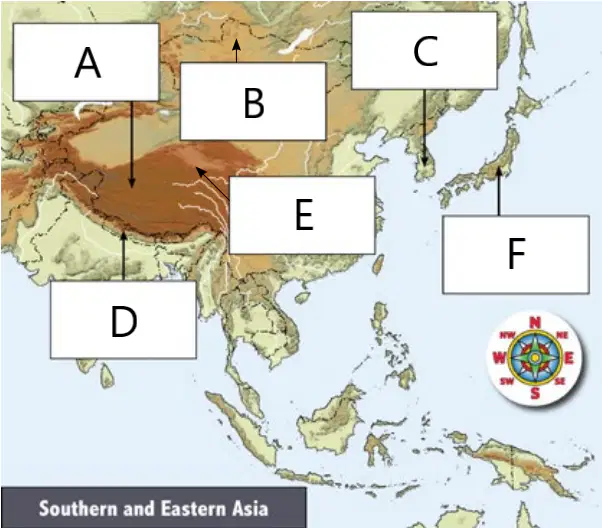
Which land feature is represented by the letter E?
a)
China
b)
Himalayan Moutains
c)
Korean Peninsula
d)
Plateau of Tibet
e)
Gobi Desert
41.
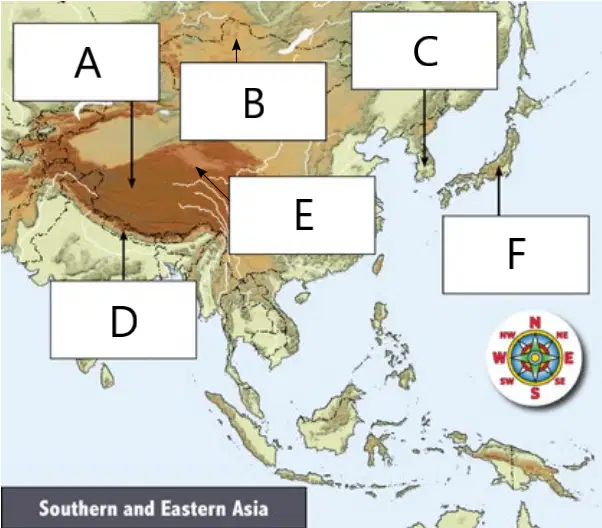
Which land feature is represented by the letter F?
a)
Japan
b)
Himalayan Moutains
c)
Korean Peninsula
d)
Plateau of Tibet
e)
China
42.
Which dynasty reunited China after the fall of the Han Dynasty?
a)
Buddhist Dynasty
b)
Khan Dynasty
c)
Korean Dynasty
d)
Tang Dynasty
43.
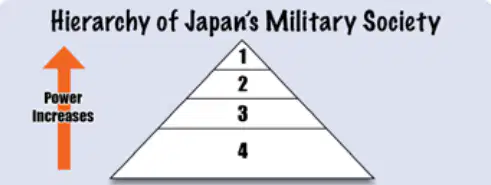
Which class of Japan's military society is represented by the number 1?
a)
Daimyo
b)
Peasant
c)
Shogun
d)
Samurai
44.
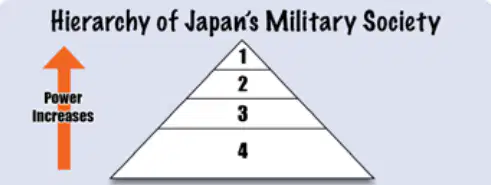
Which class of Japan's military society is represented by the number 2?
a)
Daimyo
b)
Peasant
c)
Shogun
d)
Samurai
45.

Which class of Japan's military society is represented by the number 3?
a)
Daimyo
b)
Peasant
c)
Shogun
d)
Samurai
46.
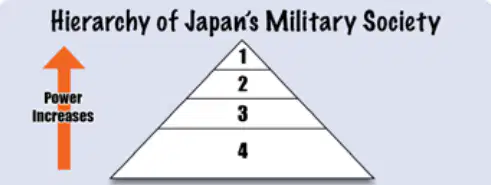
Which class of Japan's military society is represented by the number 4?
a)
Daimyo
b)
Peasant
c)
Shogun
d)
Samurai
47.
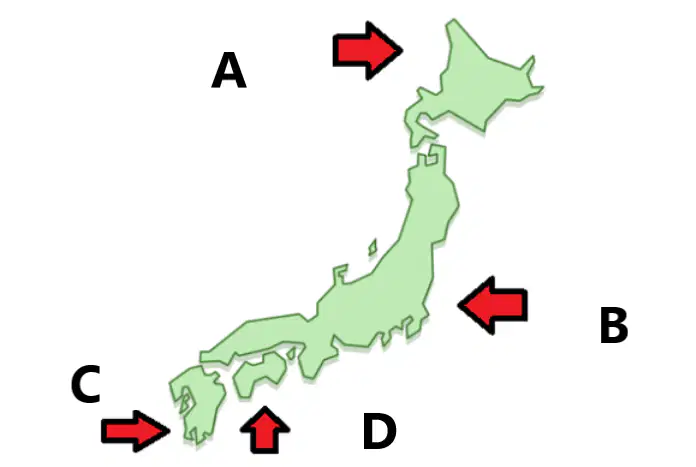
Identify the four main islands of Japan. Which island is represented by the letter A?
a)
Honshu
b)
Shikoku
c)
Kyushu
d)
Hokkaido
48.
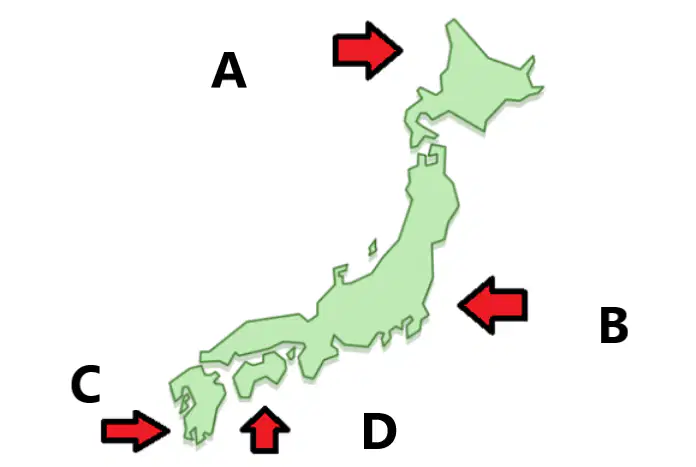
Identify the four main islands of Japan. Which island is represented by the letter B?
a)
Honshu
b)
Shikoku
c)
Kyushu
d)
Hokkaido
49.
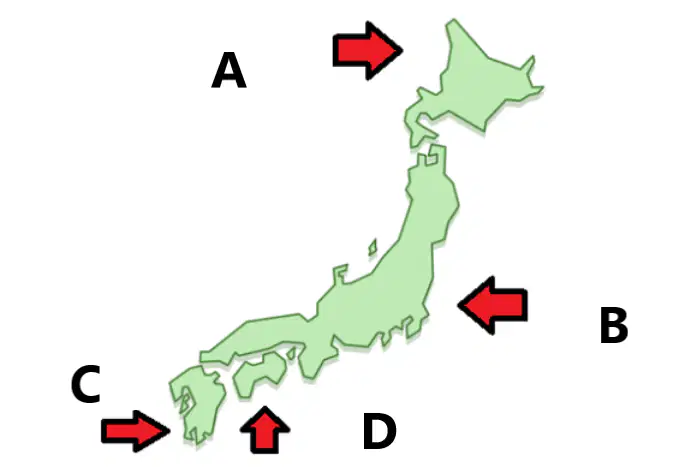
Identify the four main islands of Japan. Which island is represented by the letter C?
a)
Honshu
b)
Shikoku
c)
Kyushu
d)
Hokkaido
50.

Identify the four main islands of Japan. Which island is represented by the letter D?
a)
Honshu
b)
Shikoku
c)
Kyushu
d)
Hokkaido
100 %

