
 Worksheets
Grade 10 "F" Exam1 Term1-2023
Total questions: 33
Worksheet time: 25mins
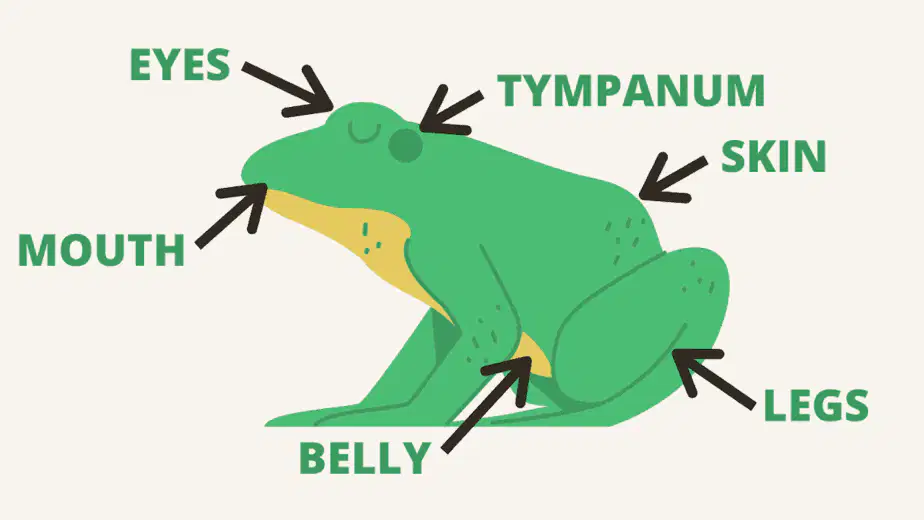
What does study of external form of organisms (phenotype)of individuals ?
Anatomy
Genetic
Physiology
Morphology

(a) study the integration of anatomy & histology
and functions of living systems.

Which science does study the relationship of living organisms between each other and their environment?
Taxonomy
Ecology
Genetic
Morphology

(a) science does study of tissue.
A testable prediction about a scientific investigation is a(n)
Question
Experiment
Observation
Hypothesis
A series of steps used by scientists to solve a problem or answer a question. ?
scientific method
metric system
data collection
Random Research
Will a construction paper air plane fly faster than an airplane made from notebook paper? Choose the best hypothesis.
Yes.
No.
If I make a paper airplane from notebook paper, then it will fly faster than construction paper.
I think the construction paper air plane will fly faster.
What is a constant/control in an experiment?
Things that do not change in a experiment. It's the variable that stays the same. You can have many variables stay the same.
It's the variables that are being measured in an experiment
It's the variables that the scientist changes in the experiment
dependent variable
What is called the collection of biochemical reactions in body cells and the body's use of molecules for energy & growth ?
(a)
Which are correct ?
A --> B + C Catabolic
A + B --> C Anabolic
A + B --> AB + Energy endergonic
they consume energy to build polymers from monomers exergonic
DNA replication involves unwinding two strands of parent DNA, copying each strand to synthesize complementary strands, and releasing the parent and daughter DNA so now there are two copies of the original strand. Which of the following accurately describes this process?
catabolism
exothermic reaction
digestion
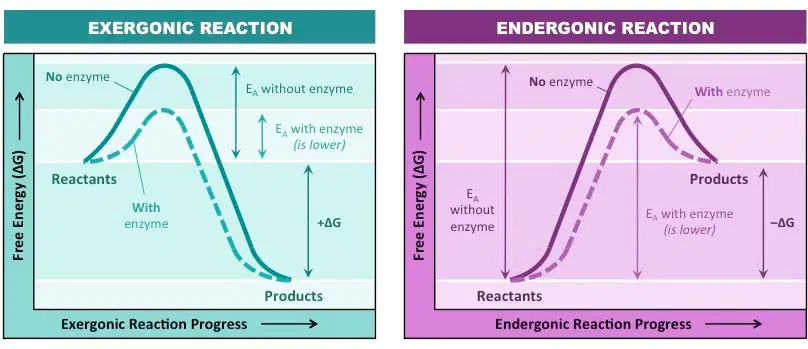
Which are WRONGS ?
Anabolic reactions are Exergonic
Cell respiration is endergonic
Protein synthesis is exergonic
Catabolic reactions are exergonic
What is binary fission?
A form of asexual reproduction in which an offspring grows on the parent body.
A form of asexual reproduction in which an organism breaks into two or more fragments.
A form of asexual reproduction in which a single parent cell divides into two identical daughter cells.
A form of sexual reproduction in which two parents give birth to an offspring.
What is parthenogenesis?
A form of asexual reproduction in which an unfertilized egg develops into a new individual.
A form of asexual reproduction in which an offspring grows on the parent body.
A form of asexual reproduction in which a single parent cell divides into two identical daughter cells.
A form of asexual reproduction in which an organism breaks into two or more fragments.
What is budding?
A form of asexual reproduction in which an offspring grows on the parent body.
A type of asexual reproduction in which a new individual develops from an outgrowth on the body of the parent.
A form of asexual reproduction in which a single parent cell divides into two identical daughter cells.
A form of asexual reproduction in which an organism breaks into two or more fragments.
The two forms of reproduction are sexual and (a) .
It is a characteristics of life that is the irreversible increase of an organism’s size over a given period.
Growth
Adaptation
Development
Dying
when a frog undergoes metamorphosis, the following are the processes that involves during the transforrmation, except...
Growth of Lungs
Moist skin
growth of the limbs
Growing external ears
In human development, After the blastula, during the gastrulation, three germ layers arise: the endoderm, (a) and ectoderm. Cells in these three layers will give rise to different parts of the organism.
Select the 3 requirements for seeds to germinate.
Water
Oxygen
Warmth
Light
CO2
Which organisms have Apical meristems contain meristematic tissue , which enable a organism to extend in length.
Lateral meristems facilitate growth in thickness or width in a maturing organism. Lateral meristems can also be called cambia (singular = cambium).
Animals
Fungi
Humans
Plants
Which of the following CORRECTLY describes the typical nervous pathway?
receptor -> motor neuron -> relay neuron -> sensory neuron -> effector
effector -> sensory neuron -> relay neuron -> motor neuron -> receptor
effector -> sensory neuron -> relay neuron -> receptor -> motor neuron
receptor -> sensory neuron -> relay neuron -> motor neuron -> effector
Changes in an organism's environment that cause a response
Tropism
Hormone
Stimuli
Response

Which of the following is an organism’s reaction to a change in its surroundings?
response
distraction
stimulus
development
What is an effector ?
part of body that carry out response example muscle and gland
the signal that travel along the nerve cell
also known as nerve impulse
organ or cell that respond to stimuli example eyes and skin
What is Enzyme ?
They are made of protein and reduce the activation energy for the biochemical reactions in the body cells.
They are made of vitamin and increase the activation energy for the biochemical reactions in the body cells.
They are made of lipids and reduce the activation energy for the biochemical reactions in the body cells.
They are made of vitamins and either reduce or decrease the activation energy for the biochemical reactions in the body cells.
What is cell respiration ?
Production of glucose by using energy.
Burning glucose with oxygen to produce Energy .
It is anabolic reaction.
Energy is used, not produced.

Which is correct?
in bright light, your pupils open up, or dilate, to let in more light. When it is low light, they get smaller, or constrict, to let in less light.
in low light, your pupils open up, or dilate, to let in more light. When it's bright, they get smaller, or constrict, to let in less light.
"Plants don't have sense organs but they response to the light, water, pull of gravity etc. "
Is this saying True or false ?
False
True
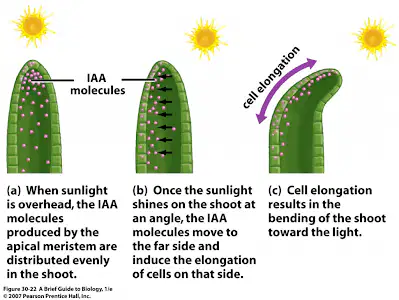
(a) is a plant growth hormone that many of us learn about at school. It's the molecule that builds up on the shady side of a plant stem so that plants move towards the sun in what's called the phototropic response.
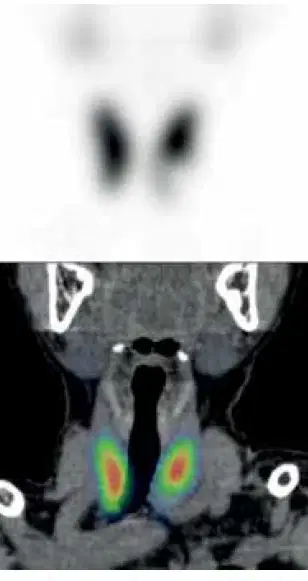
As the temperature drops, your _________ has to work harder to keep you warm. If you have hypo_____ism and take medication for it, your regular dose might not be enough come wintertime. If winter brings a chill you can't shake, speak to your healthcare provider about testing your TSH levels. ( Name of the hormone)
(a)

Plants transform the sunlight into energy and store it as sugar molecules with photosynthesis. The living organisms take up sugar from plants and convert it into energy by using the process of cell respiration. organisms break down the sugar to release its stored energy. The energy released from the breakdown of sugar is used by the cells to make another chemical that we call simply abbreviated ___. The synthesis of ___ by cells is referred to as cellular respiration.
(a)
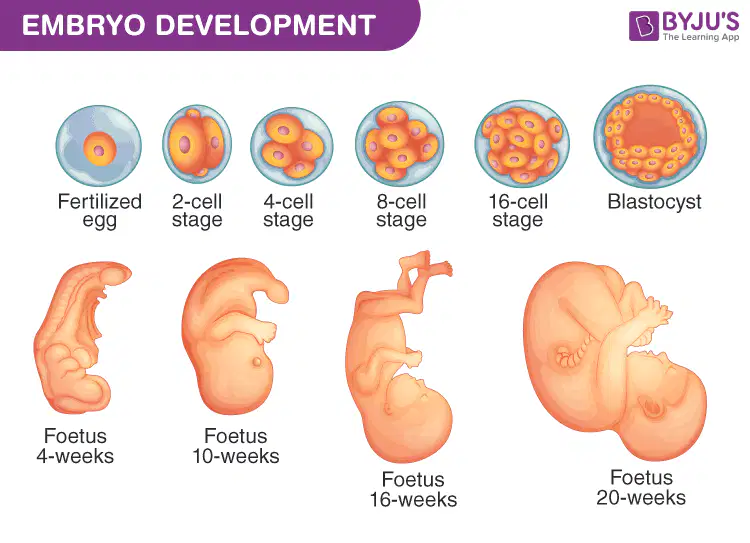
While you likely hear people talk about the “baby” when someone is pregnant, there are specific terms that describe the different stages of pregnancy. When egg and sperm meet, a/an (a) is formed and quickly begins dividing to become an embryo. As pregnancy progresses the embryo becomes a fetus.

