
 Worksheets
Alkanes, Alkenes etc
Total questions: 28
Worksheet time: 17mins

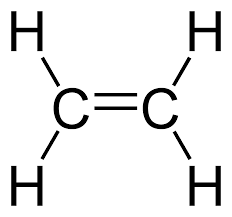
Which of the following is a saturated hydrocarbon?
ethene
heptane
propyne
methanol
A homologous series is a family of organic compounds with
similar chemical properties and same general formula
similar chemical properties and different general formula
different chemical properties and same general formula
similar physical properties and same general formula
The formula for ethene is
C2H4
C2H6
CH4
C3H6
Alkanes react with excess oxygen to form
carbon dioxide and water
salt and water
carbon monoxide and soot
metal hydroxide and hydrogen
Which of the following reactions apply to alkenes only
cracking
substitution
addition
combustion

fuel + oxygen -->
water + ________ __________
Complete the equation C16H34 ---> __________ + C2H4
C16H34
C2H30
C10H20
C14H30
When testing for alkenes (unsaturation) bromine water turns from...
orange --> blue/black
colourless --> pink
orange --> colourless
orange --> clear
Cracking large hydrocarbons releases...
alkanes and alkenes
alkanes only
alkenes only
polymers only

What is fractional distillation?
a process used to separate crude oil
a process used to burn up fuels
a way to make different products
how oil is extracted from the ground
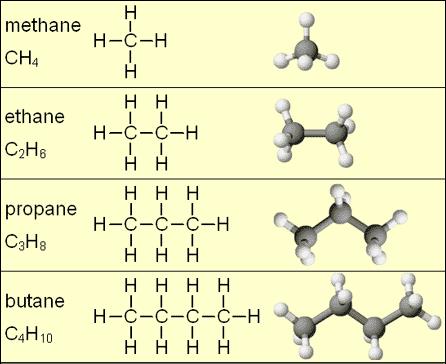
Which of these substances is not a hydrocarbon?
methane
ethane
propane
butane
ammonia
Fractional distillation separates crude oil based on the different __________ of the molecules in the mixture
melting point
boiling point
freezing point
chemical reactivity
A fraction of crude oil is made up of:
Hydrocarbons of similar chain lengths
Numbers
Large hydrocarbons
Alkenes only
Crude oil is made up of:
Ethane
Butane
A mixture of different hydrocarbons
Extremely large hydrocarbons which are broken up once extracted

Where do short chain hydrocarbons collect?
At the top
In the middle
At the bottom

Where do long chain hydrocarbons collect?
At the top
In the middle
At the bottom
Shorter hydrocarbons have:
Higher boiling points
Lower boiling points
A chain of repeating units (called monomers)
monomer
dimer
replicate
polymer

