
 Worksheets
Food Chem - QUIZ Lipids
Total questions: 50
Worksheet time: 1hrs 2mins
Below are the two broad types of food lipids, except:
Saturated and unsaturated
Fats and oils
Animal and plant
Free fatty acids & glycerides
Which type of food lipid is solid at room temperature and of animal origin?
Butter
Corn oil
Tallow
Coconut oil
What is the most important constituent of lipids?
Fatty acids
Phospholipids
Sterols
Waxes
Which fatty acid has the highest melting point?
C14:1
C14:2
C18:1 cis
C18:1 trans
Polymorphic forms of fats have different crystal forms but the same
physical properties
chemical composition
X-ray pattern
melting point
What is the acid value used to measure in fats and oils?
Degree of unsaturation
Degree of oxidation
Degree of hydrolysis
Degree of saponification
What does the iodine value indicate about a lipid?
Degree of unsaturation
Degree of oxidation
Degree of hydrolysis
Degree of saponification
What is the purpose of hydrogenation in fats and oils?
To increase the degree of unsaturation
To decrease the melting point
To improve flavor stability
To increase the peroxide value
What is the function of oil refinery?
To increase the shelf life of oils
To remove impurities from oils
To change the physical properties of oils
All of the above
What is the temperature at which thin bluish smoke forms from an oil?
Flash Point
Fire Point
Smoke Point
Melting Point
What are the factors that can affect lipid quality during storage?
Exposure to light, oxygen, heat, moisture, contaminants, and improper handling
Excessive freezing and thawing, exposure to strong odors, and prolonged storage
Inadequate packaging, exposure to insects, and improper temperature control
Exposure to light, oxygen, heat, moisture, contaminants, and improper storage containers

Which method is used for lipid extraction that involves continuous extraction with petroleum or diethyl ether?
Gravimetric
Mojonnier
Soxhlet Method
Babcock
What is the main indicator of lipid edibility?
Acid Value
Saponification Value
Iodine Value
Peroxide Value
What does the Acid Value (AV) measure?
The breakdown of triglycerides into free fatty acids
The purity of a fat or oil
The degree of unsaturation of the lipid
The susceptibility of the lipid to oxidative rancidity
What does the Peroxide Value measure?
The degree of oxidative deterioration of fats/oil
The breakdown of triglycerides into fatty acids
The purity and stability of a fat or oil
The susceptibility of the lipid to oxidative rancidity


What is the difference between a saturated fat and an unsaturated fat?
Saturated fat is solid at room temperature and unsaturated fat is liquid at room temperature
Saturated fat has a single bond and unsaturated fat has a double bond
Saturated fats are bad for you and unsaturated fats are better for you.
All of the above

If I am consuming fats that come from certain vegetables, seeds, or nuts, what type of fats am I consuming?
Unsaturated Fats
Water soluble fats
Saturated fats
Incomplete fats

What type of molecule is shown in this diagram?
Trans saturated fatty acid
Cis unsaturated fatty acid
Cis saturated fatty acid
Trans unsaturated fatty acid
If you want to fry a crispy banana, which oil you think fits the best?
olive oil
fish oil
palm oil
none of the above
Temperature required to sustain combustion is called
Smoke point
Fire point
Flash point
None of the above
Temperature at which oil ignites is called
Smoke point
Fire point
Flash point
None of the above
Factors affecting plasticity are: (more than one answer is possible)
Pressure
Composition of triglycerides
Polymorphic forms of the component glycerides
Temperature
These are classifications of lipids: (more than one answer is possible)
steroids
lipoprotein
phospholipids
simple lipids
The longer the carbon chain in a fatty acid, .... (more than one answer is possible)
boiling point increases
melting point increases
solubility increases
odor decreases
Why an egg yolk is more orange in color?
Because it contains more omega-3
Because the eggshell is browner in color
Because the feed of the hens contains more beta-carotene
None of the above
The purpose of an emulsifier is to ___________ .
Decrease surface area in a suspension
Reduce the interfacial tension between immiscible phase
Minimize the size of globules
Improve medication taste
All contain emulsifier except
Peanut butter
Frozen desserts
Chocolate
Table sugar
The condition reached in certain foods as the lipid material (fat) undergoes oxidation reactions producing aldehydes, hydroxyl acids, keta acids, and other compounds which are responsible for the odor and off-flavor, producing stale foods
fatty acids
oxidation
rancidity
saturated fatty acids
Factors that speed up the oxidation process include _______
light and oxygen
length of storage and metal contamination
relative humidity and temperature
all of the above
Substances that are added to some foods to slow down oxidative deterioration :
deflectors
reducers
fillers
antioxidants
Omega 3 can be found in the following foods except ______.
fish and seafood
grains
nuts and seeds
eggs
What is the common name for lipids?
fats
oils
waxes
lubes
Which of the following is a source of saturated fat?


Which of the following is a source of unsaturated fat?


Which among the following is NOT rich in Omega 3 -Fatty Acids?


It is a type of lipid that makes the leaves shiny and water -resistant due to its hydrophobic nature.
Steroid
Wax
Phospholipid
Cortisol
Which is not a fat soluble vitamin?
Vitamin E
Vitamin B12
Vitamin A
Vitamin K
Fatty Acids differ in there chain length and their
protein carriers
Side chains
energy level
degree of saturation
Omega 3 and Omega 6 can be found in all of the following except ______.
fish and seafood
grains
nuts and seeds
eggs
Which of the following is closely related to the increased risk of heart disease?
saturated fatty acid
monounsaturated fatty acid
polyunsaturated fatty acid
cis fatty acid
What is the analysis of lipid quality?
Evaluating the nutritional value of lipids
Measuring the color and texture of lipids
Assessing the taste and smell of lipids
Determining the composition, purity, and stability of lipids

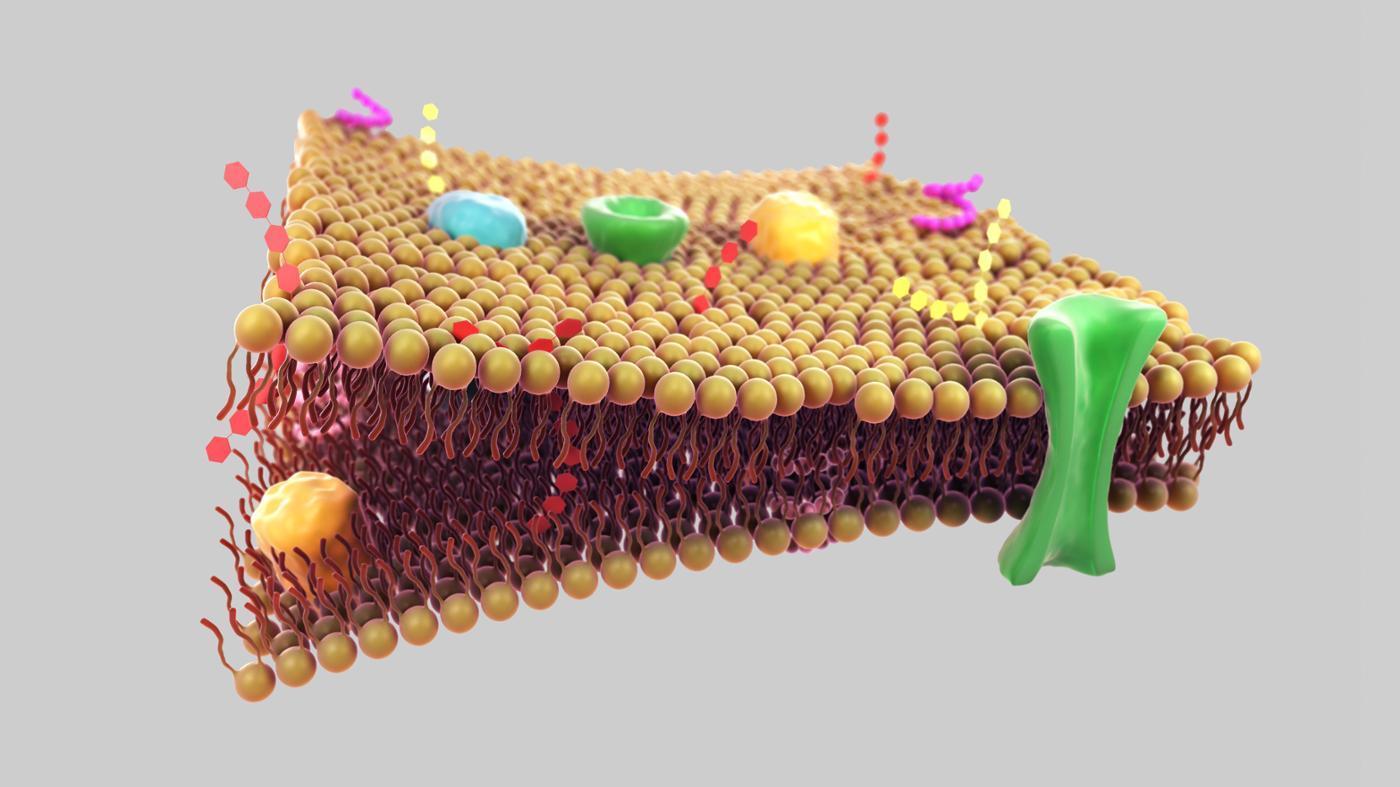
What type of lipid makes up the plasma membrane of the cell?
Steroid
Wax
Phospholipid
Cortisol
Which diagram is a triglyceride?


What type of bond is being broken when a triglyceride is hydrolysed?
glycosidic
peptide
ester
phosphodiester
Which of the following is an example of a steroid?
glycerol
Phospholipids
fatty acids
Cholesterol
Identify a monounsaturated fat. Check all that apply.
Canola oil
Peanut oil
Butter
Beef Tallow

