
Font size
 Worksheets
Text Features Practice
Total questions: 90
Worksheet time: 2hrs 10mins

This image is an example of a(n)
Heading
Diagram
Caption
Photograph
Bold and Italicized words are important because
They show us what words are important to the text
They create visual appeal within an article or story
They are the topics found in the table of contents
They tell us what the photographs and illustrations are about

An author would use this diagram to
Compare and contrast adult brain with a child's brain
Identify the parts and areas within a human brain
Explain how the Occipital lobe is the biggest part of the brain
Show the reader where the brain is located within the human body
If the reader wants to look up information on a specific topic, like Hammerhead Sharks, they would look in the...
Glossary
Index
Table of Contents
Headings
The ______ tells the reader the names of each chapter and what page the chapter begins.
Illustration
Glossary
Index
Table of Contents

What is this text feature?
heading
illustration
map

What is this text feature?
heading
bold print
Italics

Where can I find information about aging cats?
page 12
page 88
page 112
page 61

What are the words called that name each part of the ladybug?
labels
Text box
index
glossary

What is this type of text feature called?
Footnote
Side Bar
Caption
Heading

Gives more information about a photograph or illustration
Caption
Footnote
Heading
Table

Photograph
Map
Circle Graph
Diagram

Slanted letters, for emphasis, that look like this
Bold Face
Glossary
Cursive
Italics

Identify the text feature in the picture.
a
b
c
d

Identify the text feature in the picture.
a
b
c
d
Text Features help us understand non-fiction by...
Giving us more information about the story.
Making the story more interesting.
Giving us less text to read.
Text Features don't help us at all.

An author would use the following diagram in order to...
explain how shark fins look
explain how dolphin fins look
compare and contrast a shark fin to a dolphin fin
show which type of fin is better for cutting the water

contrasting how two different types of sharks look
comparing an adolescent shark to an adult shark
comparing the size of two different sharks
illustrating that Great White sharks are the largest type of shark

The heading and the graphics are related because:
each diagram offers the reader an idea of what parts of trees may look like.
each illustration offers the reader is a close-up graphic of different parts of trees.
each illustration offers the reader is a close-up graphic of the life cycle of a tree.
each photograph offers the reader is a close-up graphic of different parts of trees.

The text "What Goes on Inside a Steaming, Brewing Volcano?" is supported by which graphic shown on this page?
a caption about a volcano
an illustration of a volcano
a map of Hawaii
a diagram of a volcano

What nonfiction text feature is this photo an example of?
A glossary
A heading
A diagram
A title
Which nonfiction text feature gives the reader more information about a picture, chart, or diagram?
Table of contents
Captions
Title
Subheadings
In an nonfiction/informational text, this is where you would go to find key words from the text and their definitions, all in alphabetical order.
The captions
The table of contents
The index
The glossary

This image is an example of...
A title
A map
A graph
A chicken
What is the purpose of headings and subtitles?
They help the reader find the main idea of a specific section of the text, making it easier to navigate.
They describe a picture, diagram, or graph on the page to help the reader better understand it.
They identify important vocabulary words and provide definitions for them in alphabetical order.
They provide the reader with a visual to connect with the words and make for better understanding.

What is the purpose of the table of contents?
To give the reader a visual to go along with the information provided in the text.
To show the reader where to find specific chapters and/or sections of the text.
To provide definitions of key words that can be found throughout the text.
To give the reader more information about a picture shown in the text.
This informational text feature can be used to find where specific words, people, or topics are mentioned in the text.
The index
The title
The pictures
The glossary
How do authors of informational texts make important information stand out?
They make all of their writing different colors.
They use bold, italicized, and underlined words and phrases.
They change the spellings of important words.
They eat chicken with their friends and family.
The FASTEST way to find out what a nonfiction text is about would be to look at the...
Captions
Glossary
Graphs
Title
Which of the following are examples of informational texts?
Harry Potter and the Prisoner of Azkaban
A book about polar bears
A YouTube video about why birds lay eggs
The Diary of a Wimpy Kid
What are the titles of a section called?
Key Vocabulary
Headings and subheadings
Pictures
Captions
The words under a picture, chart, or graphic that explains what it is about.
Heading
Subheading
Caption
Chart
What provides a visual to help the reader connect with the information?
Heading
Bold Words
Caption
Chart and Pictures

A picture with words used to help the reader “see” the information is called a --
Diagram
Headings
Chart
Key Vocabulary
These are expert words that are important to understand the specific topic of the text. (May be in Bold, Underlined, or defined at the side or bottom of the text.)
Headings/ Subheadings
Key Vocabulary Words
Pictures
Charts
How can text features help us?
It can help us write an expository essay.
It gives us the title of a selection.
It shows the reader pictures related to the topic.
It can help us better comprehend what is in the text.
This feature explains what the illustration/photograph is--
Glossary
Index
Table of contents
Caption
Key Vocabulary (important words) are usually in...
Circled
Bold print
in the table of contents
lowercase words

What is the arrow pointing to?
Caption
Picture
Index
Heading

What is the arrow pointing to?
Heading
Picture
Caption
Bold Word
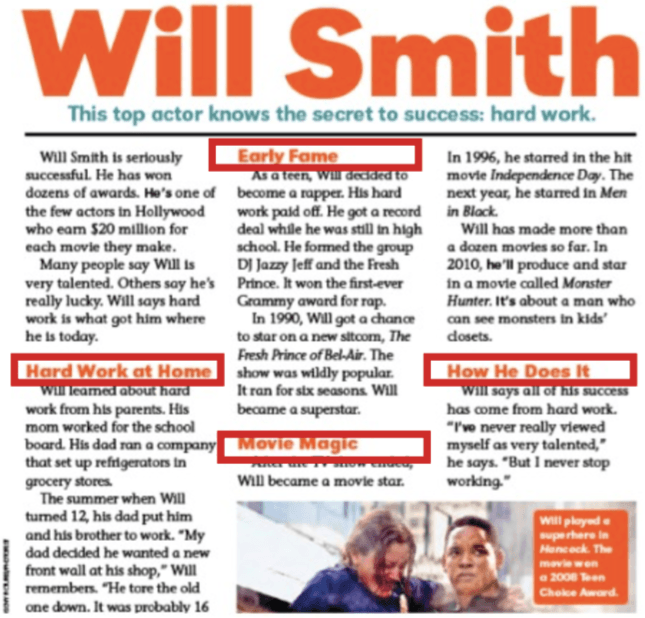
What is the purpose of subheadings?
To help the reader understand the author’s opinion
To help the reader visualize the information
To help the reader find the main ideas in each section
To help the reader place events in order

Helps readers visualize real events or objects described in the text.
Bold Print
Index
Glossary
Photograph
Helps readers understand what words are important and what words might be found in the glossary.
Glossary
Index
Bold Print
Cross-Section
Helps readers identify what the chapter, unit, or larger section of the text will be about.
Title
Caption
Index
Glossary
____________ help the readers make sense of what they are reading.
Text features
Plagiarism
Text citations
Vocabulary
True or False: Titles are usually located at the end of the book, article, or chapter.
True
False
__________ gives you more information about an image or photograph.
Titles
Headings
Authors
Captions

This image is an example of a(n)...
table
graph
illustration
map

An author would use the following diagram in order to...
explain how shark fins look
explain how dolphin fins look
compare and contrast a shark fin to a dolphin fin
show which type of fin is better for cutting the water

According to the diagram, this image is...
comparing the size of two different sharks
comparing an adolescent shark to an adult shark
contrasting how two different types of sharks look
illustrating that Great White sharks are the largest type of shark

Under which subheading would you look
to find out how the pyramids were built?
The Pyramids of Egypt
The Sphinx
Mummies
Pyramid Construction

Under which subheading would you look
to find a description of the Sphinx?
The Sphinx
Mummies
Pyramid Construction
The Pyramids of Egypt

What are the titles of sections called?
captions
cartoons
headings
resolution

What is the purpose of these headings and subheadings?
to help the reader understand the author's opinion
to help the reader find the main idea of each section
to help the reader visualize the information
to entertain the reader
Informational text is written text that is...
about real people, places, and events based on facts.
about made-up people, places, and events based on facts.
about real people, places, and events based on opinions.
The two most important characteristics of informational text are...
facts and opinions
text features and opinions
text features and text structures
text structures and facts

Is this informational text?
Yes, because the topic is real, it is based on facts, and it has text features.
No, because the topic is not real, it is not based on facts, and it does not have text features.

Is this informational text?
Yes, because the topic is real, it is based on facts, and it has text features.
No, because the topic is not real, it is not based on facts, and it does not have text features.
What is the purpose of the table of contents?
To give the reader a visual to go along with the information provided in the text.
To show the reader where to find specific chapters and/or sections of the text.
To provide definitions of key words that can be found throughout the text.
To give the reader more information about a picture shown in the text.

What is this text feature?
Glossary
Heading
Subheading
Caption
Which of these is an example of a timeline?

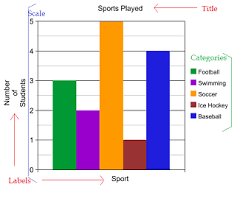
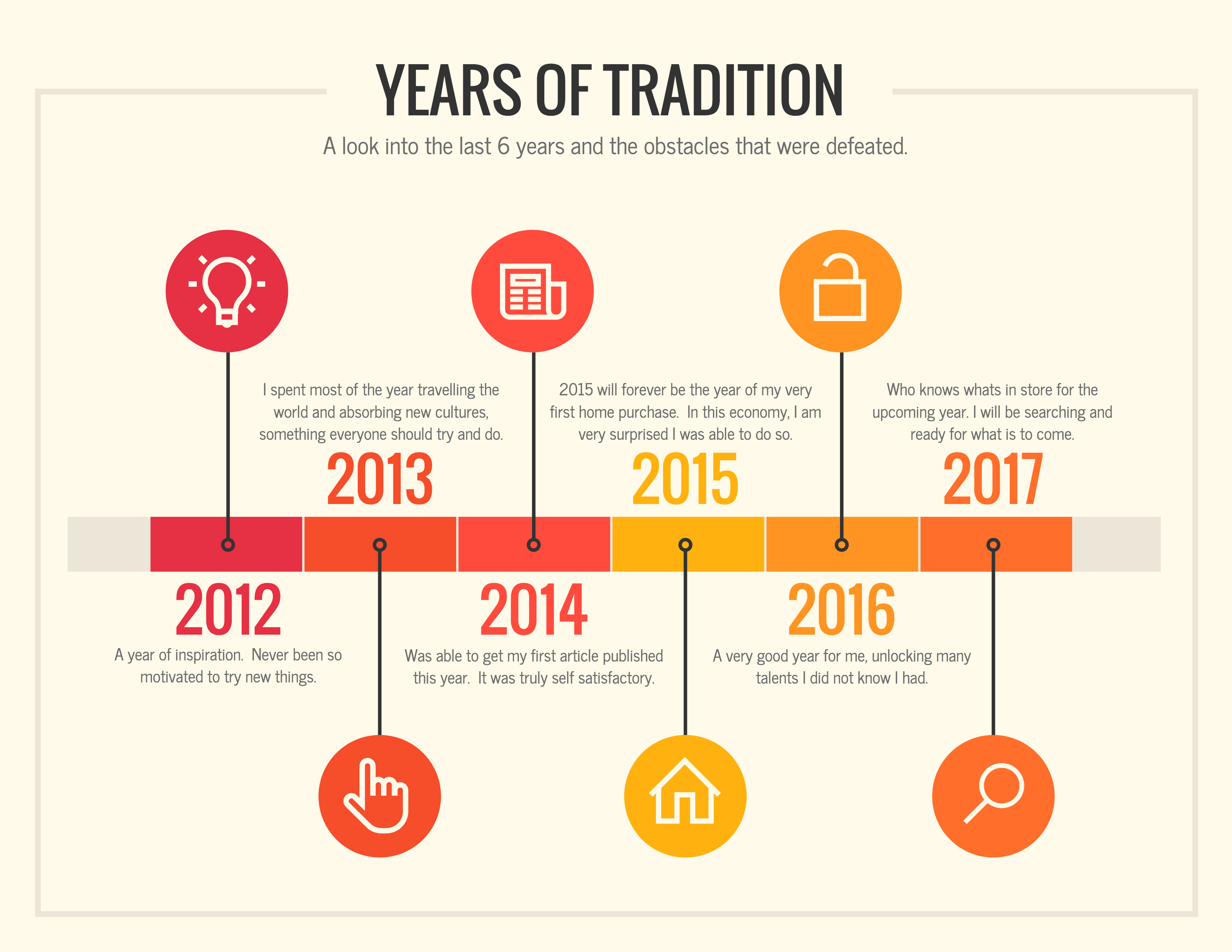
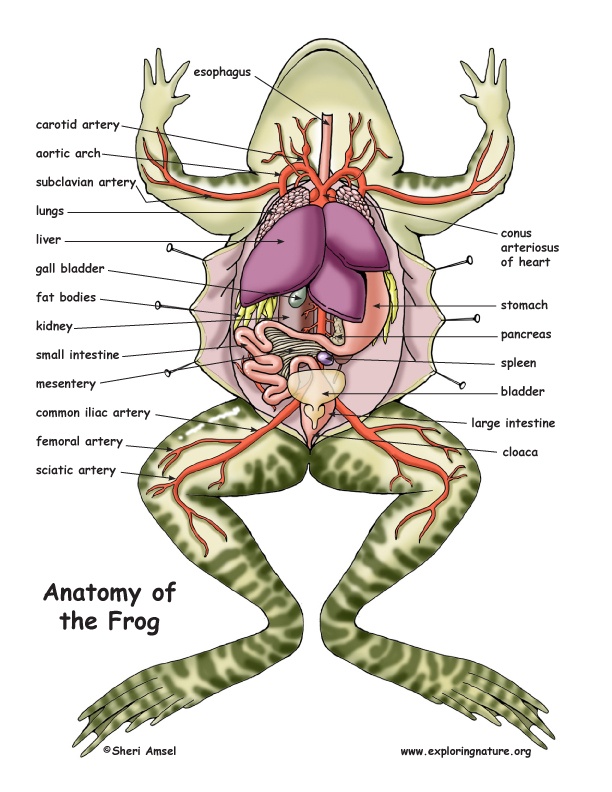

An alphabetical list of important words in a book and their meanings.
Table of Contents
Glossary
Index
Headings

A picture, usually a drawing, that has labels to identify it's parts.
Diagram
Heading
Caption
Illustration

This page, located in the back of a book, is an alphabetical list of topics (and the page numbers) found in a book.
Glossary
Sidebar
Index
Table of Contents

Making a word stand out as important by using bold or italic print.
Caption
Special type
Glossary
Index

A title at the top of the page, or the beginning of a new chapter or section.
Definition
Heading
Index
Captions

Pictures taken with a camera to show objects as they appear in real life.
Diagram
Drawing
Photograph
Charts

A list of chapters in a book and the page numbers where each chapter starts.
Index
Table of Contents
Glossary
Table

Small text found near a picture that gives important information about the picture.
Caption
Glossary
Photograph
Illustration

A way to present information in a visual way.
Graph
Caption
Glossary
Diagram

A picture or geographical representation of the Earth's surface.
Graph
Map
Diagram
Atlas
A researcher is looking through an old textbook and encounters the word oligarchy in italics. He doesn't know the meaning of the word. Where in the book might he find the definition?
headings and subheadings
table of contents
glossary
diagrams
Brenda has purchased a book about the Titanic. She wants to see if there is a section about the building of the ship. Where should she look?
headings and subheadings
table of contents
glossary
diagrams
Sandra has a book about the history of the British Royal families. She wants to find all the references to Queen Victoria in the book. Where should she look?
font styles
index
charts and graphs
captions
Marisol has added a photo of a famous speech to her paper on Civil Rights. What text feature should she use to identify the speaker in the photo?
font styles
index
charts and graphs
captions
May include charts, graphs, or cutaways. They are use to help readers better understand what the author is saying.
graphics
maps
labels
photographs
Help organize informtion in the book so readers know what's important.
subtitles
index
text features

All the chapters in Part One describe _____________________.
record-breaking weather event
hot and cold weather
dangerous weather events
the difference between weather and climate

On which of the following pages would you be most likely to find a definition of dust storm?
page 3
page 15
page 123
page 281

Tornado hunters are people who try to find tornadoes just as the storms form. In which section would you be most likely to find a description of how they find storms?
Introduction
Chapter 5
Chapter 6
Glossary

What do the illustrations show?
the way water moves
the way glaciers move
the way Earth’s crust moves
the way mountains move

Where might you find illustrations like the ones in the passage?
in a history textbook
in a science textbook
in a gardening magazine
in a sailing magazine

