
 Worksheets
Respiratory system
Total questions: 221
Worksheet time: 3hrs 11mins
Your lungs are ___________ air
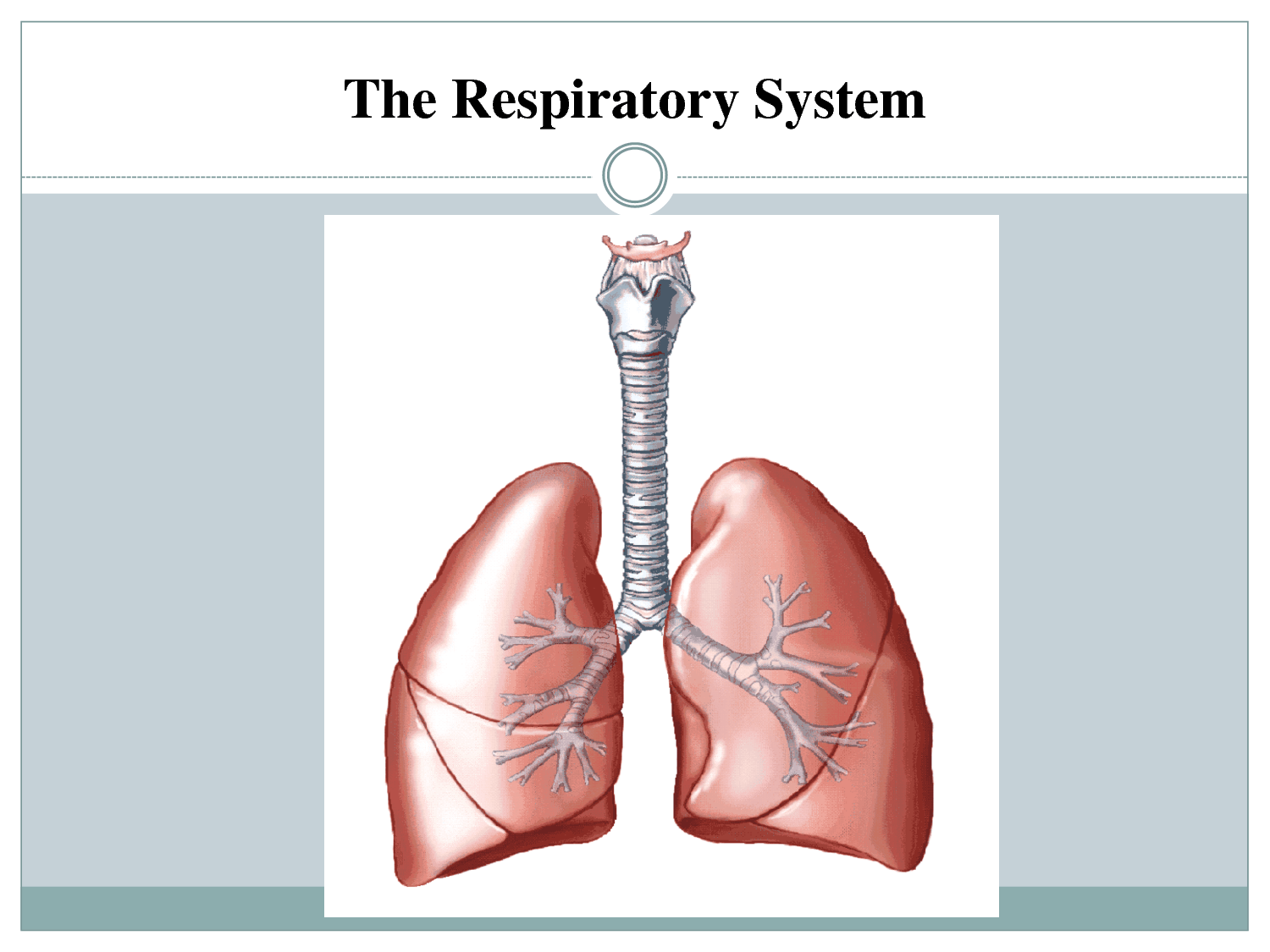
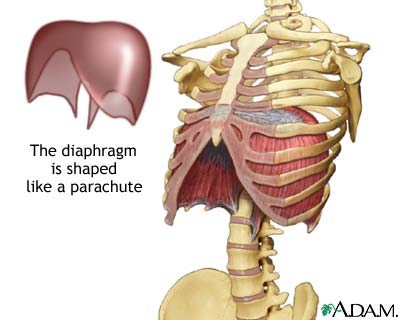
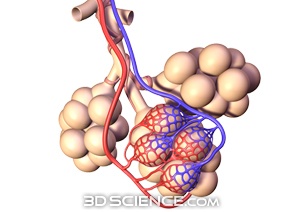
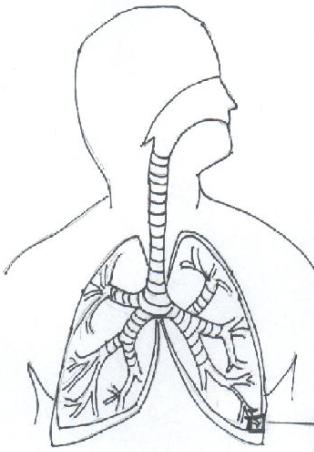
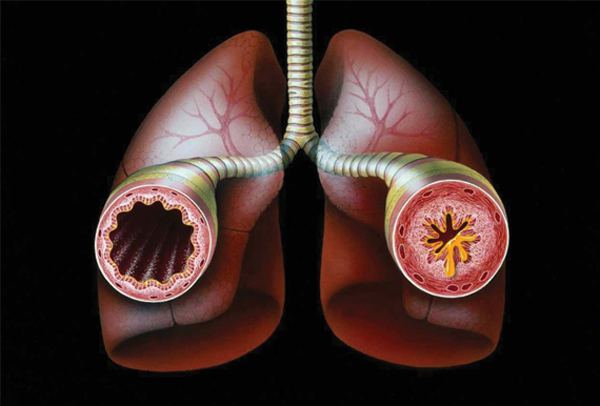
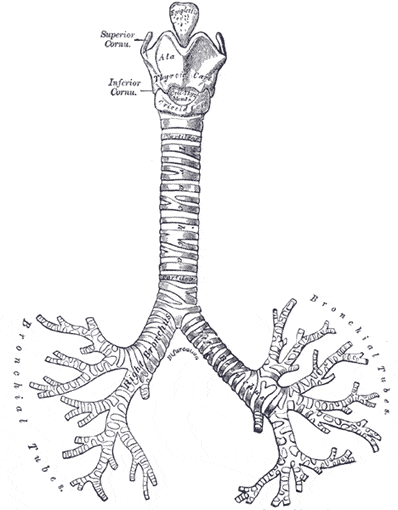

Your lungs are ___________ air
My lungs are __________________ air.
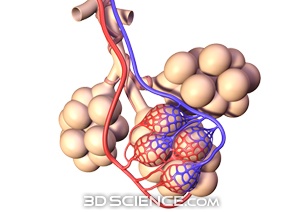
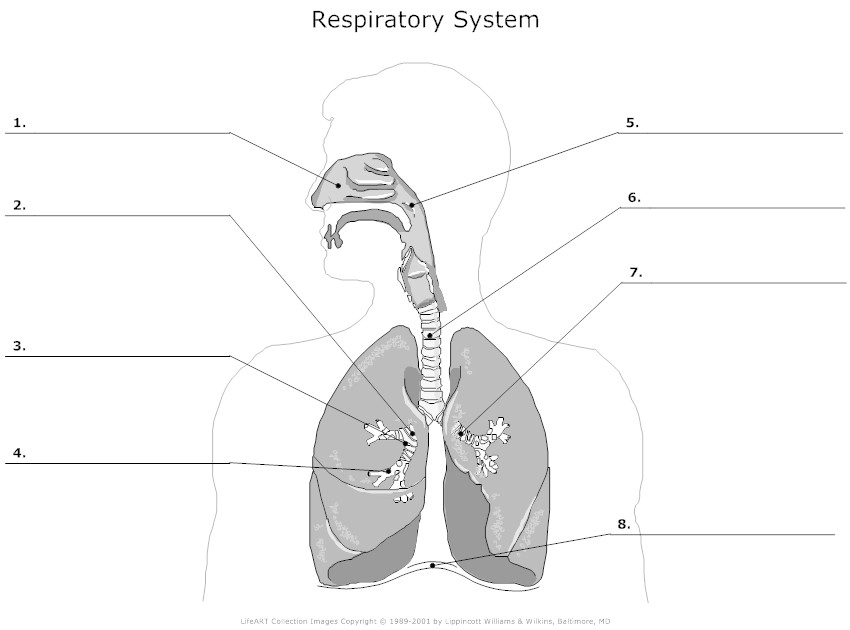
Which is not a job of the respiratory system?
taking in oxygen
taking in carbon dioxide
moisten air
transport glucose
What is oxygen needed for?
energy releasing chemical reactions
to make glucose
to take in sunlight
none of the above
Which one accurately describes the difference between respiration and cell respiration?
respiration produces glucose while cell respiration does not
cell respiration is a process in cells where energy is made, while respiration is breathing
respiration occurs in cells while cell respiration produces glucose
none of the above
What does the respiratory system release?
oxygen
glucose
carbon dioxide
ATP
What does the digestive system do?
brings in oxygen
gets rid of carbon dioxide
absorbs glucose from food
none of the above
Which is not a job of the nose?
warm air
moisten air
traps particles like dust and bacteria
bring in carbon dioxide
Tiny hairs that move particles in the nose are called
mucus
vocal cords
cilia
flagella
After the nose, air passes into the
larynx
pharynx
bronchi
bronchioles
Where does air go after the pharynx during inhalation?
nose
trachea
bronchi
alveoli
Which system shares the pharynx with the respiratory system?
circulatory
digestive
excretory
skeletal
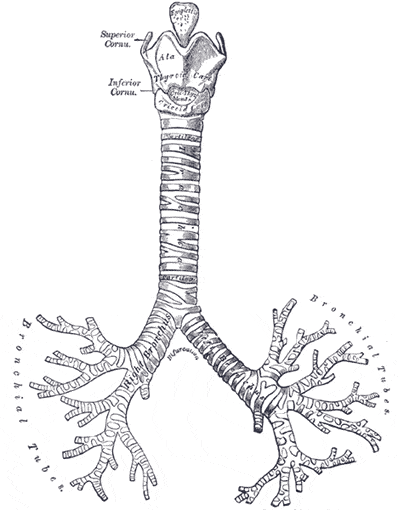
The "windpipe" is known as the
alveoli
esophagus
trachea
bronchi
When you exhale, air goes out of the trachea to the
bronchi
alveoli
pharynx
esophagus
A small flap of tissue that covers the trachea is called the
bronchi
larynx
pharynx
epiglottis
Where would you find cilia?
nose and alveoli
bronchioles and mouth
trachea and nose
all of the above
Where is carbon dioxide and oxygen exchanged at capillaries?
trachea
larynx
alveoli
bronchi
Which properly describes inhalation?
ribs go down and out
pressure is low causing air to rush in
pressure is high causing air to rush in
volume is low
When you exhale, the diaphragm
moves upwards
moves downwards
flattens
none of the above
Which is known as the voice box?
pharynx
larynx
trachea
bronchi

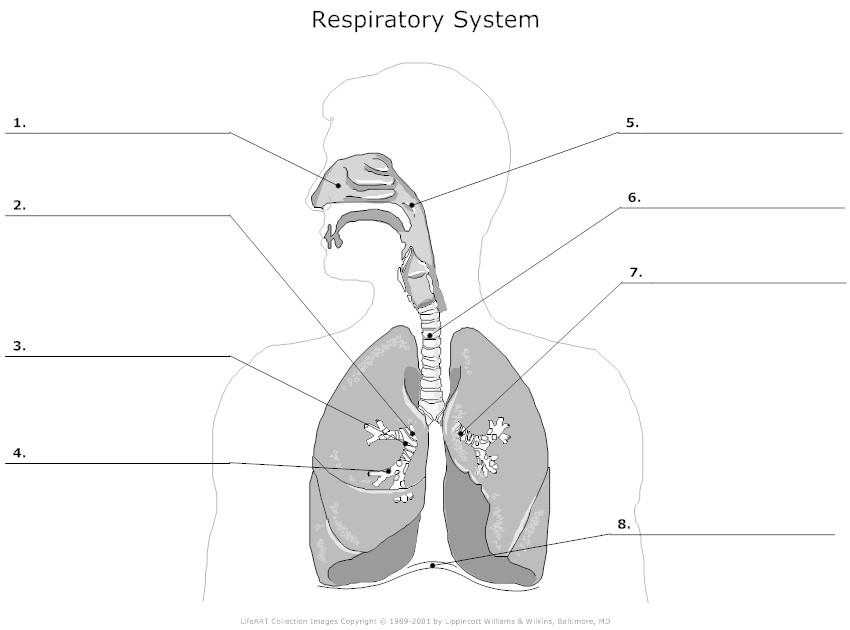
What is labeled F?
bronchioles
trachea
bronchi
diaphragm

What is labeled at E?
bronchi
trachea
pharynx
none of the above


What does the respiratory system release?
oxygen
glucose
carbon dioxide
ATP
When you exhale, the diaphragm
moves upwards
moves downwards
flattens
none of the above
Which of the following is not part of the Respiratory System?
Trachea
Larynx
Lungs
Stomach
At the end of broncioles are thin walled sacs called what?
trachea
bronchi
alveoli
pneumonia
Hair in your nose and mucus help to trap dust, bacteria, and other materials from going into your lungs when you breathe in.
True
False
Your lungs have as much surface area as a ___________
tennis court
soccer field
classroom desk
kitchen table
1. larynx
2. nasal cavity
3. pharynx
4. trachea
Which of the following is the correct order that air would flow during inhalation.
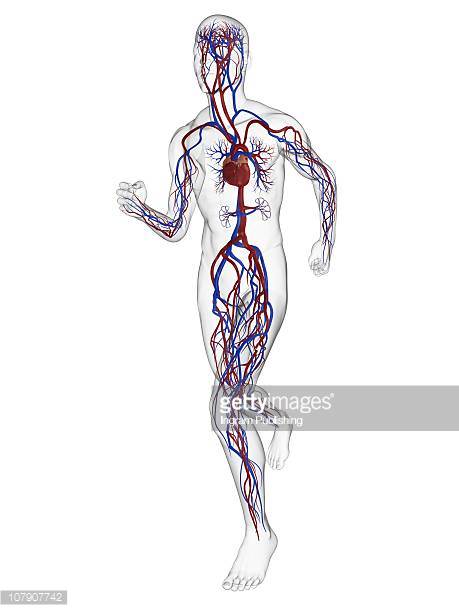
What is the main organ of the circulatory system?
small intestine
bone
lungs
heart
Arteries carry oxygen rich blood away from the heart.
True
False
The job of the heart is to . . .
pump blood around the body.
send food to the small intestines.
break down food.
give energy to the body.
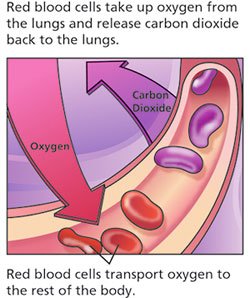
What is the main function of the respiratory system?
to provide oxygen and remove carbon dioxide from the body
o break down food and absorb nutrients
to remove oxygen from the body and deliver carbon dioxide
These are the two two main branches from the trachea (one to each lung)
bronchi
alveoli
capillaries
bronchioles
Which sequence correctly indicates the branching pattern of the human respiratory system?
trachea -> bronchi -> bronchioles -> alveoli
trachea -> bronchioles -> bronchi -> alveoli
alveoli -> trachea -> bronchioles -> bronchi
alveoli -> bronchioles -> trachea -> bronchi
Which diagram best illustrates the function of an alveolus?


In the human respiratory system, bronchioles directly connect the
trachea and pharynx
bronchi and alveoli
nasal cavity and trachea
epiglottis and larynx
The site of gas exchange in the mammal is called what?
Filaments
Accessory air sacs
Syrinx
Alveoli

Gas exchange is needed to supply _____________ to cells and remove __________________
carbon dioxide; oxygen
oxygen; food
oxygen; carbon dioxide
carbon dioxide; water

Gas exchange is needed to supply _____________ to cells and remove __________________
carbon dioxide; oxygen
oxygen; food
oxygen; carbon dioxide
carbon dioxide; water
I. High surface area
II. Thin walls
III. Dry surfaces

The air sacs that are covered with capillaries where gas exchange takes place.
Bronchi
Trachea
Oxygen
Alveoli

Name the structure through which gases enter and leave the body of an insect.
tracheoles
alveoli
lungs
spiracles
Which of the following shows the correct sequence of air passage into the lungs?
trachea → larynx → air sacs → bronchi
larynx → trachea → bronchi → air sacs
air sacs → larynx → trachea → bronchi
larynx → bronchi → trachea → air sacs
The exhaled air from our body consists mostly of__________ Check all boxes that apply
carbon dioxide.
nitrogen.
oxygen.
water vapour.
Which organ controls breathing?
medulla oblongata
lungs
heart
none of the above
Which of the following is the primary function of the respiratory system?
make carbon dioxide
produce oxygen
gas exchange
Trachea is also known as?
voicebox
windpipe
throat
Larynx is also known as?
voice box
windpipe
throat
Pharynx is also known as?
voice box
windpipe
throat
When we inspire (inhale), our diaphragm does what?
relaxes and moves down
contracts and moves down
contracts and moves up
relaxes and moves up

What happens to the volume and pressure in the lungs when we inspire (inhale)?
volume and pressure decreases
volume and pressure increases
volume decreases, pressure increases
volume increases, pressure decreases

What happens to the volume and pressure in the lungs when we expire (exhale)?
volume and pressure decreases
volume and pressure increases
volume decreases, pressure increases
volume increases, pressure decreases
Every cell in our body needs a supply of oxygen. The cells use oxygen for ___?
respiration
breathing
digestion
Air is around 20% oxygen.
true
false
Air is around 20% carbon dioxide.
true
false
In the lungs, oxygen diffuses into the blood and carbon dioxide diffuses out of the blood. This is called what?
breathing
gas exchange
respiration

What is the green part called?
trachea
air sac
brochi

What do you call this part of the human lung (seen through a microscope)?
air sacs/alveoli
lung cells
capillaries
bronchioles

Which is true about diffusion?
occurs from a higher concentration to a lower concentration
occurs from a lower concentration to a higher concentration
Blood which ENTERS the capillaries of the lungs have ______ oxygen.
more
less
Blood which LEAVES the capillaries of the lungs have ______ carbon dioxide.
more
less

In the diagram, oxygen diffuses from the air sac into the capillaries.
true
false

Why does oxygen and carbon dioxide diffuse in the direction shown?
because the inhaled air has less oxygen and less carbon dioxide
because the inhaled air has more oxygen and more carbon dioxide
because the inhaled air has more oxygen and less carbon dioxide
because the inhaled air has less oxygen and more carbon dioxide
Breathing is similar to respiration.
true
false
In the diagram, carbon dioxide diffuses from the air sac into the capillaries.
true
false
Bones
Provides shape & support
Helps you move
Protects organs
Produces blood cells
Hold bones together to form joints.
Cardiac muscles
Stomach
Ligaments
Bones
Muscles inside many internal organs.
Smooth
Cardiac
Skeletal
Controls most functions in the body.
Skeleton
Immune System
Brain
Skin
Lungs
Small blood vessels where materials are exchanged between the blood and the body’s cells (oxygen and carbon dioxide)
Where the exchange of gas occurs. Oxygen enters and carbon dioxide exits.
Muscular tube connecting the mouth to the stomach
Force pathogens out of the body
Neurons
Attached to bone and move bones using tendons
Water absorbed into the bloodstream, remaining material is readied for elimination from the body.
Produce chemical called antibodies to destroy pathogens
Nerve cell specialized to transfer messages in the form of fast-moving electrical energy
Cartilage
Connective tissue that is more flexible than bone
Found only in the heart
Link between brain and the rest of the body
Small blood vessels where materials are exchanged between the blood and the body’s cells
Mouth
Skeletal System
Digestive System
Respiratory System
Circulatory System
Large dome-shaped muscle used in breathing
Diaphragm
Heart
Kidney
Smooth Muscles
Mucus and Cilia
White blood cells that engulf and destroy pathogens
Waste material is compressed into solid form
Trap and remove pathogens that enter the respiratory system
Mechanical and chemical digestion start here
Arteries
Blood vessel that carries oxygen rich blood away from the heart and to the body parts.
Carries oxygen poor blood (with carbon dioxide) back to the heart to be pumped out to the lungs.
Hollow, muscular organ that pumps blood throughout the body.
Small blood vessels where materials are exchanged between the blood and the body’s cells (oxygen and carbon dioxide)
Muscular tube connecting the mouth to the stomach
Esophagus
Small Intestine
Phagocytes
Spinal Cord
Which organ is part of the peripheral nervous system?
Brain
Heart
Nerves
Hair
Most chemical digestion takes place, absorption of nutrients from digested food into the bloodstream
Lungs
Esophagus
Large intestine
Small Intestine
T-Cells
Trap and remove pathogens that enter the respiratory system
Identify pathogens and tell them apart using the pathogens antigens
Produce chemical called antibodies to destroy pathogens
Are a useless part of the body
Skin is what line of defense in the immune system?
First
Second
Third
Seventh
Skeletal muscles are
Voluntary
Involuntary
Sneezing and coughing
is bad for you.
forces pathogens out of your body.
destroys pathogens using antibodies.
is gross.
Mechanical and chemical digestion start here
Stomach
Brain
Mouth
Pancreas
Cartilage
Connective tissue that is more flexible than bones
Produces blood cells
Found only in the heart
Large dome-shaped muscle used in breathing
the small air sacs at the ends of the bronchi where actual gas exchange occurs
alveoli
breathing
cartilage
cell
homeostasis
the basic unit of structure and function in an organism
alveoli
breathing
cartilage
cell
homeostasis
connective tissue that covers end of bone and acts as a shock absorber
alveoli
breathing
cartilage
cell
homeostasis
when your rib muscles and diaphragm contract or relax to allow air in or out
alveoli
breathing
cartilage
cell
homeostasis
a process by which an organism's internal environment in kept stable in spite of changes in the external environment
alveoli
breathing
cartilage
cell
homeostasis
a group of similar cells that perform the same function
organ
tendon
tissue
ligament
joint
a place in the body where two bones meet
organ
tendon
tissue
ligament
joint
a structure that is composed of different kinds of tissue to perform a specific job
organ
tendon
tissue
ligament
joint
connective tissue that attaches bone to bone
organ
tendon
tissue
ligament
joint
connective tissue that attaches muscles to bone
organ
tendon
tissue
ligament
joint
muscles of the heart and internal organs that are NOT under your conscious control
involuntary
respiratory
skeletal
skin
voluntary
muscles that are under your conscious control
involuntary
respiratory
skeletal
skin
voluntary
a system that moves oxygen from the outside environment into the body
involuntary
respiratory
skeletal
skin
voluntary
the function of this system is to provide shape and support, allow movement, protect internal organs, produce red blood cells, and store minerals
involuntary
respiratory
skeletal
skin
voluntary
the human body's largest organ that is designed to protect you
involuntary
respiratory
skeletal
skin
voluntary
Which body system is responsible for fighting off pathogens or germs in the body?
nervous
immune
skeletal
digestive
Which systems work together to help your body move?
digestive and muscular
immune and skeletal
skeletal and digestive
skeletal and muscular
Which organ is part of your nervous system?
bone
brain
heart
lungs
Which below is the correct level of organization?
cardiovascular system, heart, blood, red blood cell
red blood cell, blood, heart, cardiovascular system
blood, red blood cell, heart, cardiovascular system
red blood cell, cardiovascular system, heart, blood
Which system takes in oxygen and removes carbon dioxide and water from the body?
excretory
digestive
nervous
respiratory
Which two human body systems are most responsible for getting oxygen to cells?
excretory and respiratory
digestive and respiratory
respiratory and circulatory
muscular and circulatory

Which system is shown in the picture below?
immune
digestive
nervous
excretory
Which system works more closely with the mitochondria to break down food to make energy for the body?
Muscular
Skeletal
Digestive
Excretory
Ouch! You step on a tack and jerk away without even thinking. Then you decide to pick up the tack and place it back in a desk drawer. Which body systems are directly involved?
Nervous and immune
immune and endocrine
Digestive and excretory
Nervous and muscular
Tessa loves to do ballet. As she balances to maintain her poses she uses different muscles to keep her balance. She also tries to steady her breathing as well. Which two body systems are working together?
respiratory and muscular
nervous and immune
excretory and digestive
excretory and cardiovascular
Which system CONTROLS all other systems?
digestive
excretory
nervous
muscular
I will study for my body systems test!
yes (pick this choice)
No
The system in charge of transforming food into nutrients is
The respiratory system
The digestive system
The circulatory system
The excretory system
The circulatory system is also called
digestive
cardiovascular
respiratory
excretory
The system in charge of removing cells' wastes from the body is called
Digestive
excretory
Respiratory
cardiovascular
The "delivery system" is called
cardiovascular
digestive
respiratory
excretory
circulatory
Which 2 systems work together to provide the muscles with more oxygen during physical activity
circulatory
digestive
excretory
respiratory
The lungs belong to
The respiratory system
The excretory system
The nervous system
The digestive system
The system of hormones is called
Excretory
Endocrine
Digestive
Nervous
The stomach, liver and intestine belong to
The digestive system
The respiratory system
The excretory system
The circulatory system
The heart, veins and arteries belong to
The digestive system
The excretory system
The respiratory system
The cardiovascular system
The kidneys and bladder belong to
The excretory system
The digestive system
The respiratory system
The cardiovascular system
A group of specialized cells is called
An organ
A system
A tissue
An organism
A body part consisting of different tissues working together is called
A cell
An organ
A system
An organism
A group of organs working together is called
A tissue
A cell
A system
An organism
A bunch of organelles working together make up a
tissue
cell
organ
system
The cellular process that makes energy or ATP for the cells is called
photosynthesis
respiration
chloroplast
mitochondria
Respiration takes place in
The nucleus
The chloroplast
The mitochondria
The vacuole
During respiration, cells use
water
ATP
Oxygen
Carbon dioxide
glucose
During respiration, cells make
water
oxygen
carbon dioxide
ATP
glucose
The system that gets rid of the water and carbon dioxide produced during respiration is
the digestive system
the excretory system
the respiratory system
the cardiovascular system
The two systems in charge of regulation (monitoring and responding to changes in the environment) are:
Digestive
Skeletal
Nervous
Endocrine
What are the products of aerobic respiration?
Carbon Dioxide and Energy
Lactic Acid
Water and Carbon Dioxide
Glycogen and Carbon Dioxide
What are the products of anaerobic respiration in a human cell?
Energy and Lactic Acid
Lactic Acid
Lactic Acid and Carbon Dioxide
Carbon Dioxide and Water
What is the chemical formula for glucose?
C6H12O6
C12H6O12
C6O12H6
6CH2O
Where in the body does respiration take place? Select the best answer.
The lungs
The muscles
All cells
The blood

Yeast is a
Multicellular
Carnivore
Anaerobe
Single-celled organism
Lungs are present in the
Chest Cavity
Nasal cavity
Respiration
Diaphragm
During inhalation diaphragm moves
Down
Left
Right
Up
Small openings on the side of the cockroaches body is called as
Trachea
Spiracles
Glucose
None
Earthworms skin is
Moist and slimy
Moist and rough
Rough and slippery
Rough and slimy
When we inhale air, it passes through our nostrils into the
Nasal cavity
Chest cavity
Tracheae
Spiracles
The respiratory system works with the ________ to help with Cellular Respiration
Nervous system
Circulatory System
Muscular System
Endocrine System
Which of these is a product of cellular respiration?
ATP
Carbon dioxide
Water
All of these are a product of cellular respiration
What is cellular respiration?
The breakdown of glucose to release ATP
The breakdown of glucose to release NADH
The breakdown of glucose to release FADH
The breakdown of glucose to release carbon
The process of breaking down of food in the cell with release of energy is called
Digestion
Cellular respiration
Circulation
Excretion

When breakdown of glucose occurs with the use of oxygen it is called
aerobic respiration
anaerobic respiration
cellular respiration
anaerobes
Cellular Respiration takes place in
anaerobes
Cells of all organisms
Animals
Humans
When we inhale air, it passes through our nostrils into the
nasal cavity
chest cavity
tracheae
spiracles
Lungs are present in the
Chest Cavity
Nasal cavity
Respiration
Diaphragm
Earthworms skin is
moist and slimy
moist and rough
rough and slippery
rough and slimy
In the cells Oxygen is used to break down
glucose into carbon di oxide
Glucose into carbon di oxide and water
water into carbon di oxide
carbon di oxide into water
In animals like cows buffaloes dog and cat the respiratory organs and the process is similar or different?
similar
different
During heavy exercise when supply of oxygen to our muscles is insufficient food breakdown is by
anaerobic respiration
aerobic respiration
cellular respiration
What are the products of anaerobic respiration in a human cell?
Energy and Lactic Acid
Lactic Acid
Lactic Acid and Carbon Dioxide
Carbon Dioxide and Water
What is the chemical formula for glucose?
C6H12O6
C12H6O12
C6O12H6
6CH2O
Where in the body does respiration take place? Select the best answer.
The lungs
The muscles
All cells
The blood
Yeast is a
Multicellular
Carnivore
Anaerobe
Single-celled organism
During inhalation diaphragm moves
Down
Left
Right
Up
Small openings on the side of the cockroaches body is called as
Trachea
Spiracles
Glucose
None
Which of these is a product of cellular respiration?
ATP
Carbon dioxide
Water
All of these are a product of cellular respiration

