
Font size
 Worksheets
ABSORPTION
Total questions: 113
Worksheet time: 2hrs 53mins
Which of the following objects cannot absorb water?
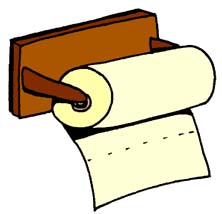
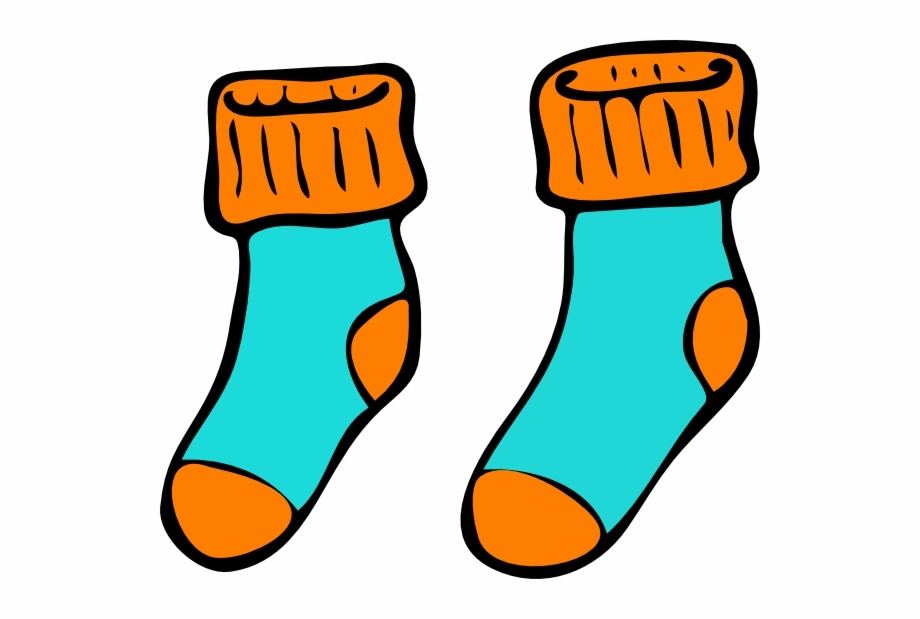
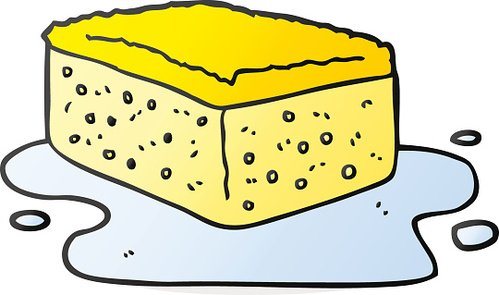
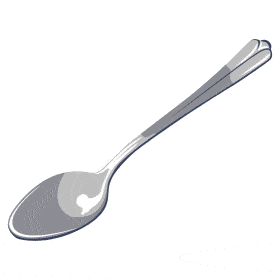
Which object can absorb water?


- Which of the following objects absorbs the most water?


Which object is used for protection from the rain?


Which object can prevent water from spilling?


Towel is an object that
absorb water.
cannot absorb water.

Paper clip is an object that
absorb water.
cannot absorb water.

The importance of mop is to
absorb watercolour.
dry spilled water.
absorb sweat.
dry dishes.

The importance of towel is to
protect from the rain.
containing water.
dry water.
wipe the body.

The importance of umbrella is to
dry water.
containing water.
protect from the rain.
wipe the body.
WHICH ONE CAN ABSORB WATER? CHOOSE TWO ANSWER
TOWEL
GLOVE
MIRROR
PAPER
WHICH ONE CANNOT ABSORB WATER? CHOOSE TWO ANSWER
GLASS
TISSUE
CLOTH
ERASER
THESE OBJECTS CANNOT ABSORB WATER EXCEPT ...
UMBRELLA
STRAW
FACE COTTON
RUBBER DUCK

STATE THE IMPORTANCE OF OBJECT THAT CAN ABSORB WATER IN THIS PICTURE.
WIPE SWEAT
DRY YOUR HAIR
DRY YOUR BODY
MOP THE FLOOR

STATE THE IMPORTANCE OF OBJECT THAT CAN ABSORB WATER IN THIS PICTURE.
WIPE SWEAT
DRY YOUR HAIR
DRY YOUR BODY
MOP THE FLOOR

STATE THE IMPORTANCE OF OBJECT THAT CAN ABSORB WATER IN THIS PICTURE.
WIPE SWEAT
DRY YOUR HAIR
DRY YOUR BODY
MOP THE FLOOR

STATE THE IMPORTANCE OF OBJECT THAT CANNOT ABSORB WATER IN THIS PICTURE.
PROTECT FROM SUN
PROTECT FROM RAIN
PROTECT FROM DANGER
ABSORB THE RAIN

STATE THE IMPORTANCE OF OBJECT THAT CANNOT ABSORB WATER IN THIS PICTURE.
MUG CAN HOLD WATER
MUG CAN ABSORB WATER
Which object can absorb water?
Which of the following objects cannot absorb water?
- Which of the following objects absorbs the most water?
Which object can prevent water from spilling?
Paper clip is an object that
absorb water.
cannot absorb water.
Which object is used for protection from the rain?
Towel is an object that
absorb water.
cannot absorb water.
The importance of towel is to
protect from the rain.
containing water.
dry water.
wipe the body.
The importance of mop is to
absorb watercolour.
dry spilled water.
absorb sweat.
dry dishes.
The importance of umbrella is to
dry water.
containing water.
protect from the rain.
wipe the body.
What is the meaning of water absorbent object?
Objects like plastic and water bottle
Objects that absorbed water
Objects like rubber band
What is the example of water absorbent objects?
ruler
eraser
hand towel
pencil
What is the meaning of non-water absorbent objects?
Objects that absorbed water
Objects that does not absorbed water
Objects like paper and manila card
Which one is non- water absorbent objects?
Plastic
mop
manila card
newspaper
Which objects absorbed water the most?
newspaper
ruler
Kitchen paper
Manila card
Which absorbed water the least?
cloth
newspaper
kitchen paper
Non-water absorbent is important for us.
Yes
No
A plastic umbrella can protect us against the rain.
False
True
Handkerchief, tissue paper and paper clip are the examples of water absorbent objects.
True
False
Umbrella, raincoat and paper clip are the examples of non-absorbent objects.
True
False

Classify the object into water absorbent object or non - water absorbent object.
Non - water absorbent object.
Water absorbent object.

Classify the object into water absorbent object or non - water absorbent object.
Non - water absorbent object.
Water absorbent object.

Classify the object into water absorbent object or non - water absorbent object.
Non - water absorbent object.
Water absorbent object.

Classify the object into water absorbent object or non - water absorbent object.
Non - water absorbent object.
Water absorbent object.

Classify the object into water absorbent object or non - water absorbent object.
Non - water absorbent object.
Water absorbent object.

Classify the object into water absorbent object or non - water absorbent object.
Non - water absorbent object.
Water absorbent object.

Classify the object into water absorbent object or non - water absorbent object.
Non - water absorbent object.
Water absorbent object.

Classify the object into water absorbent object or non - water absorbent object.
Non - water absorbent object.
Water absorbent object.

Classify the object into water absorbent object or non - water absorbent object.
Non - water absorbent object.
Water absorbent object.

Classify the object into water absorbent object or non - water absorbent object.
Non - water absorbent object.
Water absorbent object.

Classify the object into water absorbent object or non - water absorbent object.
Non - water absorbent object.
Water absorbent object.

Classify the object into water absorbent object or non - water absorbent object.
Non - water absorbent object.
Water absorbent object.

Classify the object into water absorbent object or non - water absorbent object.
Non - water absorbent object.
Water absorbent object.

Classify the object into water absorbent object or non - water absorbent object.
Non - water absorbent object.
Water absorbent object.

Classify the object into water absorbent object or non - water absorbent object.
Non - water absorbent object.
Water absorbent object.
Choose materials that ABSORBS water


Which of the following objects cannot absorb water?


Which object absorbs the MOST water?


Choose the best answer
Prevent feet from getting wet
Prevent from rain
Prevent head from getting wet
Choose the BEST object to used when it rain while riding.


The uses of the objects
Dry the table
Dry the body
Dry the sweat

This object is use for
Dry spilled water
Dry the table
Dry the dishes
Which object most suitable to wipe the sweat


Which shoes can prevent feet from getting wet


Choose the object that absorbs the LEAST water


Choose the objects that CAN ABSORB WATER. (Hint: 2 correct answers)


Choose the objects that CANNOT ABSORB WATER. (Hint: 2 correct answers)

Choose the importance of water absorbent object.
To dry our body
To mop the wet floor
To wipe our hands

Choose the importance of the objects that CANNOT ABSORB WATER.
To protect from rain
Can play around in the tent

Choose the importance of water absorbent object.
To dry our body
To clean the dishes

Choose the importance of the objects that CANNOT ABSORB WATER.
To make the sampan sink
To make the sampan move on water
Which of the following has the HIGHEST ability to absorb water?


Which of the following has the LOWEST ability to absorb water?

This is a __________
River
Beach
Lake
Mountain
Which of the following is a BEACH?


Which of the following objects cannot absorb water?


Which object can absorb water?


Which object is used for protection from the rain?


Towel is an object that
can absorb water
cannot absorb water

Paper clip is an object that
can absorb water
cannot absorb water

The importance of towel is
to protect from the rain
to wipe body
to wash plates
to mop the floor

The importance of umbrella is
to dry water
to absorb water
to wipe body
to protect from rain

Plate is an object that
can absorb water
cannot absorb water

Rain coat is an object that
can absorb water
cannot absorb water

Sponge is an object that
can absorb water
cannot absorb water
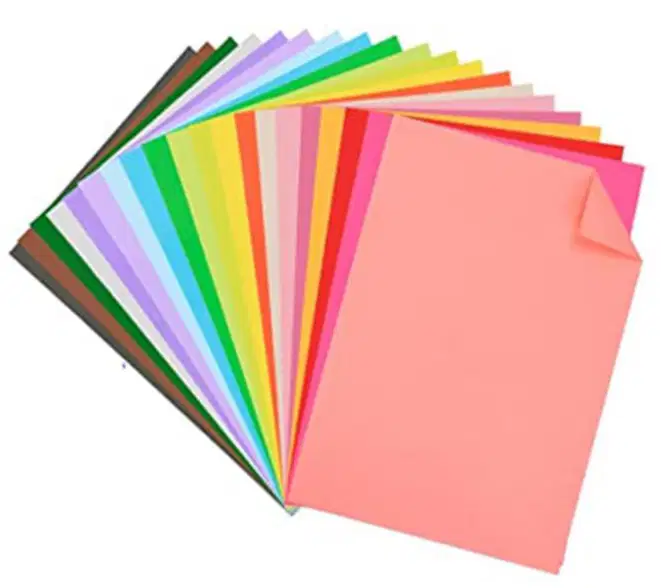
A paper:
Can absorb water or cannot absorb water?
Can absorb water
Cannot absorb water

Stone:
Can absorb water or cannot absorb water?
Can absorb water
Cannot absorb water
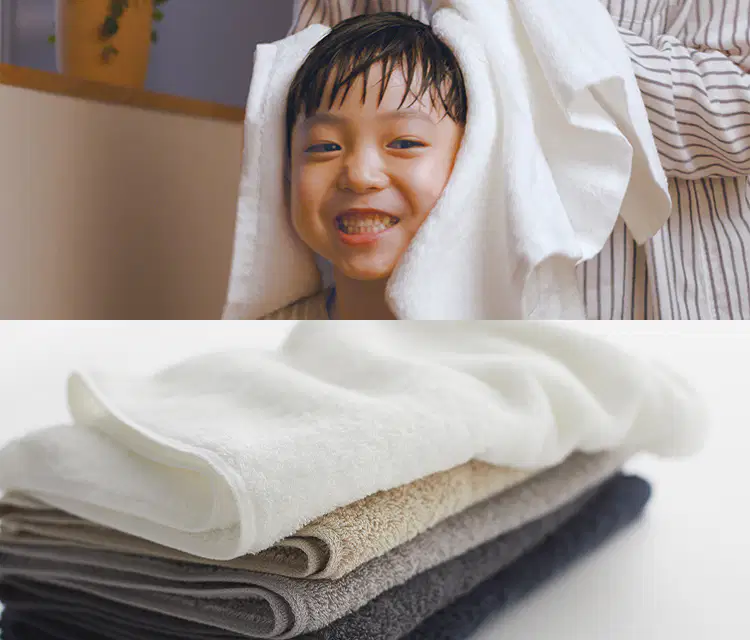
Towel:
Can absorb water or cannot absorb water?
Can absorb water
Cannot absorb water
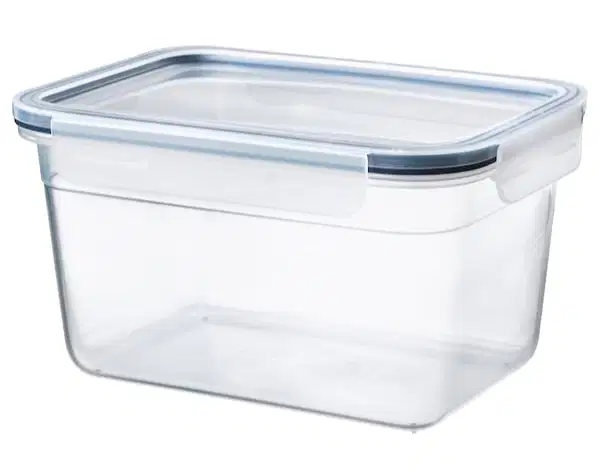
A container:
Can absorb water or cannot absorb water?
Can absorb water
Cannot absorb water
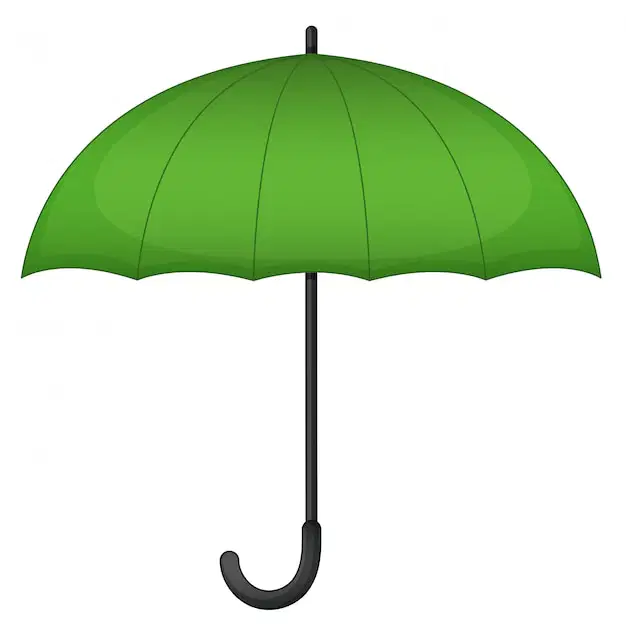
An umbrella:
Can absorb water or cannot absorb water?
Can absorb water
Cannot absorb water
Which of the following objects cannot absorb water?
Which object can absorb water?
- Which of the following objects absorbs the most water?
Which object is used for protection from the rain?
Which object can prevent water from spilling?
Towel is an object that
absorb water.
cannot absorb water.
Paper clip is an object that
absorb water.
cannot absorb water.
The importance of towel is to
protect from the rain.
containing water.
dry water.
wipe the body.
The importance of umbrella is to
dry water.
containing water.
protect from the rain.
wipe the body.
What is the meaning of non-water absorbent objects?
Objects that absorbed water
Objects that does not absorbed water
Objects like paper and manila card
Which object can absorb water?
The importance of mop is to
absorb watercolour.
dry spilled water.
absorb sweat.
dry dishes.
What did you learnt in previous class?
Magnet
Animals
Plants
Absorption
What is the meaning of water absorbent object?
Objects like plastic and water bottle
Objects that absorbed water
Objects like rubber band
What is the example of water absorbent objects?
ruler
eraser
hand towel
pencil
What is the meaning of non-water absorbent objects?
Objects that absorbed water
Objects that does not absorbed water
Objects like paper and manila card
Which one is non- water absorbent objects?
Plastic
mop
manila card
newspaper
Which objects absorbed water the most?
newspaper
ruler
Kitchen paper
Manila card
Which absorbed water the least?
cloth
newspaper
kitchen paper
Non-water absorbent is important for us.
Yes
No
Which material absorb water the most?
hand towel
Tissue paper
facial cotton
Which material absorbs water the least?
Hand towel
Tissue paper
Facial cotton
Which material suitable l used to dry a sweaty face?
Tissue paper
hand towel
manila card
Suggest material used to dry a wet body after bathing?
Towel
facial cotton
Tissue paper
What is the suitable material used to wipe off a cup of water spilled on the floor?
Mop
towel
Kitchen towel

