
 Worksheets
Brain Processing of Senses PQ
Total questions: 31
Worksheet time: 21mins
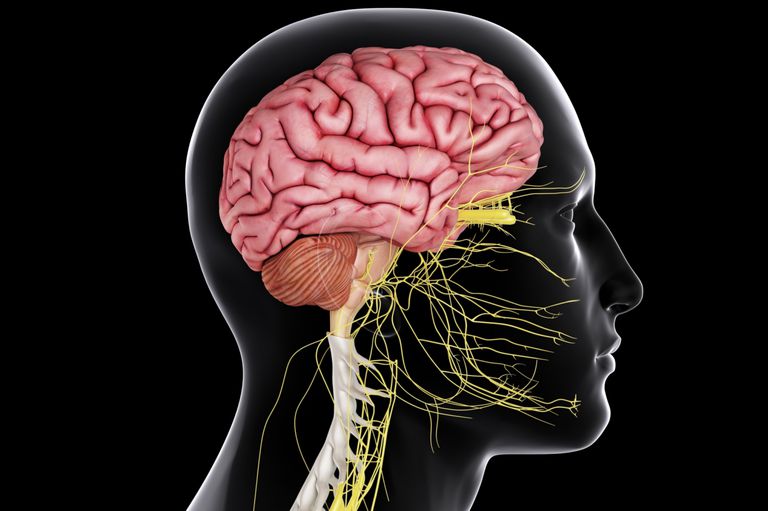
Which body system includes the brain and spinal cord?
digestive
circulatory
muscular
nervous
"Similar to the way wires carry electricity, __________ carry electrical signals between our senses and the brain."
nerves
blood
oxygen
cells
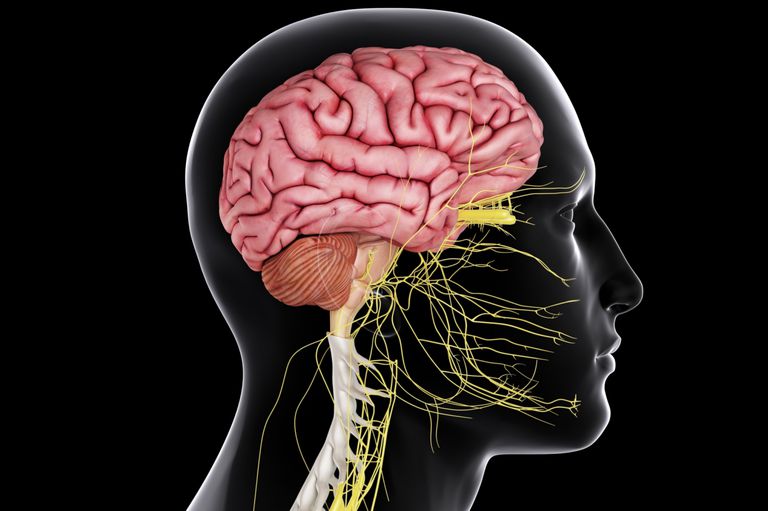
A signal from your senses reaches the brain instantly.
true
false
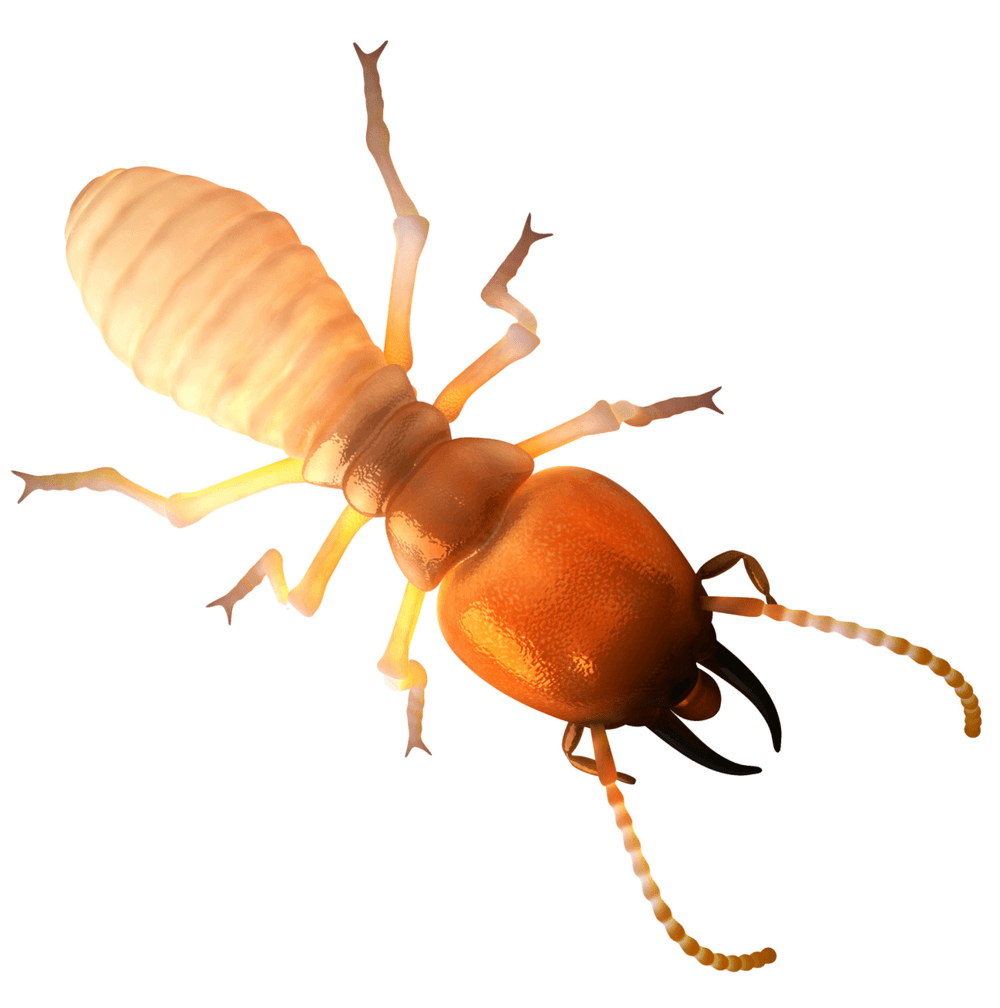
Which sense does Woody the termite use to follow Dr. Jeff's special pen line?
smell
taste
touch
sight

Which TWO things do chameleons use their sense of sight for?
sensing prey
watching where they are going
knowing when to change colors
knowing when it is dark so they can go to sleep
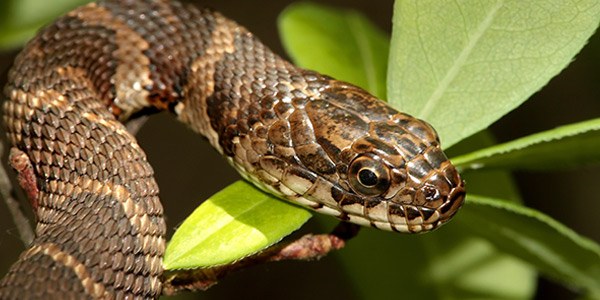
What body part does a snake use to smell?
skin
tongue
tail
eyes
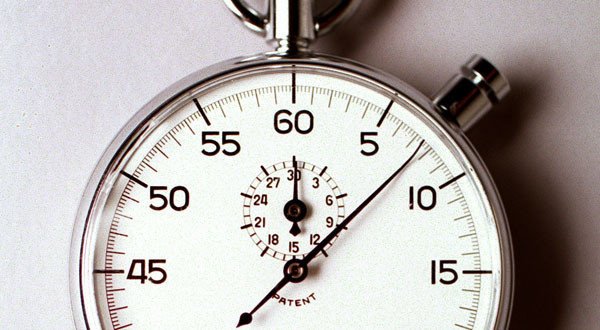
What is reaction time?
the time it takes senses to gather info & send it to your brain to get processed & react
the time it takes you to run a lap around the playground a second time
the time it takes you to run & hide when your parents catch you doing something wrong
the process of acting out a scene in a show when you make a mistake the first time

Sharks have a special sense that allows them to sense electrical signals from their prey
true
false
What are senses?
Ways that living things can detect what is happening around them
Made up of our head, spinal cord and a network of nerves. It tells us how to act and react to things.
Send electrical signals to and from the brain.
The specific part of the body that experiences one of the senses, like taste buds on our tongue.
What is the nervous system?
Ways that living things can detect what is happening around them
Made up of our head, spinal cord and a network of nerves. It tells us how to act and react to things.
Send electrical signals to and from the brain.
The specific part of the body that experiences one of the senses, like taste buds on our tongue.
What are nerves?
Ways that living things can detect what is happening around them
Made up of our head, spinal cord and a network of nerves. It tells us how to act and react to things.
Send electrical signals to and from the brain.
The specific part of the body that experiences one of the senses, like taste buds on our tongue.
What is a signal?
A message to or from the brain.
Found on our tongue and help us taste.
The time it takes you to process information and take action.
Send electrical signals to and from the brain.
What are taste buds?
A message to or from the brain.
Found on our tongue and help us taste.
The time it takes you to process information and take action.
Send electrical signals to and from the brain.
What is "reaction time"?
A message to or from the brain.
Found on our tongue and help us taste.
The time it takes you to process information and take action.
Send electrical signals to and from the brain.
It is not possible to improve your reaction time. [True/False]
True
False
Sense Receptors
Information stored in the brain
Receives and sends messages throughout the body to tell body parts what to do
Different ways we observe things, including sight, smell, touch, taste, and hearing
Things that detect changes in an organism's environment
What is the job of sense receptors?
They detect changes in the environment and send messages to the brain.
They turn off the senses.
They help support the body.
Having characteristics that are particularly suited to a certain function
Specialized
Senses
Interactions
Brain
How can animals use their senses to warn other animals that are farther away about predators?
They can blink rapidly.
They can make noises.
They can hide.
They can rub against each other.
Senses
Having characteristics that are particularly suited to a certain function
Things that detect changes in an organism's environment
Actions by one thing that have an effect on a different or separate thing
Different ways we observe things, including sight, smell, touch, taste, and hearing
Interactions
Information stored in the brain
Things that detect changes in an organism's environment
Actions by one thing that have an effect on a different or separate thing
Different ways we observe things, including sight, smell, touch, taste, and hearing
Which of our sensory receptors tells us something feels hot?
Receptors in our eyes
Receptors in our ears
Receptors in our skin
Receptors in our nose
You smell some good food and realize how hungry you are. Why did you react that way to the smell?
The smell may remind you of something good you've eaten before.
Our noses are super sensitive.
Smells are all so different it's hard to know when we're smelling food.
You can taste things with your nose.
Receives and sends messages throughout the body to tell body parts what to do
Brain
Specialized
Sense Receptors
Memories
Memories
Receives and sends messages throughout the body to tell body parts what to do
Different ways we observe things, including sight, smell, touch, taste, and hearing
Information stored in the brain
What body organ receives messages from the sense receptors and tells the body parts what to do?
Lungs
Brain
Nose
Stomach
What is the function of the nervous system?
Controls the movement of the body
Regulates body temperature
Transmits electrical signals throughout the body
Produces hormones for growth and development
What is the purpose of sense receptors?
To detect changes in the environment and send signals to the brain
To regulate body temperature
To produce hormones for growth and development
To control the movement of the body
What is the role of specialized characteristics?
To regulate body temperature
To detect changes in the environment and send signals to the brain
To control the movement of the body
To produce hormones for growth and development
Which sense receptor is responsible for detecting hot temperatures?
Receptors in the eyes
Receptors in the ears
Receptors in the skin
Receptors in the nose
What are interactions?
Information stored in the brain
Things that detect changes in an organism's environment
Actions by one thing that have an effect on a different or separate thing
Different ways we observe things, including sight, smell, touch, taste, and hearing

