
 Worksheets
Cell Types and Organelles
Total questions: 20
Worksheet time: 16mins

The organelle where lipids are synthesized along with proteins and other materials that are exported from the cell:
Endoplasmic Reticulum
Golgi Apparatus
Vacuoles & vesicles
Nucleus

The organelle that modifies, sorts, and packages proteins and other materials from the ER for storage in the cell or release from the cell:
Endoplasmic Reticulum
Golgi Apparatus
Vacuoles and Vesicles
Ribosome

The organelle that breaks down lipids, carbohydrates, and proteins into small molecules that can be used by the rest of the cell:
Lysosome
Cytoskeleton
Golgi Apparatus
Chloroplast

The organelle that helps the cell maintain its shape and is also involved in movement:
Mitochondrion
Lysosome
Cytoskeleton
Cell Membrane

The organelle that captures the energy from sunlight and converts it into chemical energy stored in food during photosynthesis:
Chloroplast
Mitochondrion
Cell Wall
Nucleus

The organelle that converts the chemical energy stored in food molecules into compounds that are more convenient for the cell to use:
Cell Wall
Cell Membrane
Mitochondrion
Centrioles

The organelle that acts as a strong supportive wall that shapes and protects the cell:
Cell Membrane
Cell Wall
Cytoskeleton
Centrioles
If many of the ribosomes of a cell were destroyed, what effect would this most likely have on the cell?
The cell would not be able to create energy.
The cell would not be able to make proteins.
The cell would not e able to photosynthesize.
The cell would not be able to break down waste in the cell.
If a cell is compared to a city, then the Golgi apparatus, acts as the
trash service of the cell as it removes waste from the cell
post office of the cell by packaging and sorting proteins
mayor of the cell as it controls all of the cell's activities
electrical plant of the cell by making usable energy
The _____________ is a gel-like fluid that fills plant and animal cells. It holds the organelles in place and gives each cell its shape.
Cytoplasm
Cell Membrane
Cell Wall
Chloroplast
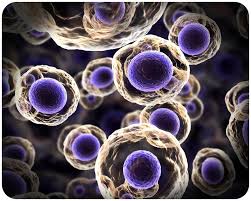

Which cell type tends to be smaller?
Prokaryote
Eukaryote
there is not a size difference
Prokaryotic cells do not have…….
membrane bound organelles
cell membrane
DNA
ribosomes
Prokaryotic cells are always:
Single celled organisms.
Multi celled Organisms
Membrane Bound organelle filled cells
Unicorns.
Which one is not apart of the cell theory
all cells come from preexisting cells
the cell is the basic unit
all cells are eukaryotic
all living things are made of cells

ALL cells (prokaryotic and eukaryotic) have DNA, ribosomes, cytoplasm, and __________________________.
a cell wall
mitochondria
a cell membrane
chloroplast

Plant cells have this carbohydrate in their cell walls
glucose
cellulose
protein
DNA

This is used in plants for storage of water and other materials. The pressure provides rigidity to the plant and allows it to stand upright in order to trap sunlight
large central vacuole
smooth endoplasmic reticulum
chloroplast
cell wall

