wayground logo

Free Printable Worksheets

Font size

S
M
L
XL
Worksheets

skeletal-muscular review

Total questions: 38

Worksheet time: 54mins

Name
Class
Date
1.

The heart is made of ______ muscle

a)

skeletal

b)

cardiac

c)

smooth

2.
What is the name for the connector that attaches bone to bone?
a)
ligament
b)
tendon
c)

cartilage

3.
What is the name for the connector that attaches muscle to bone?
a)
ligament
b)
tendon
c)

cartilage

4.

What bone is highlighted?

a)

Skull (Cranium)

b)

Mandible

c)

Clavicle

d)

Scapula

5.

Which of these isn't a function of the skeleton

a)

Protection

b)

Movement

c)

Storage of Blood

d)

Blood Cell Production

6.
attaches muscle to bone 
a)
tendon
b)
ligament 
7.
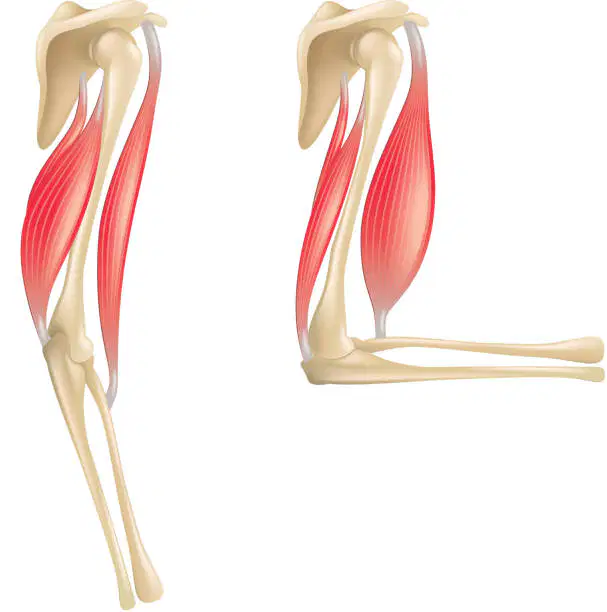
Which of the following is a hinge joint? 
a)
hip
b)
elbow
c)
shoulder
8.

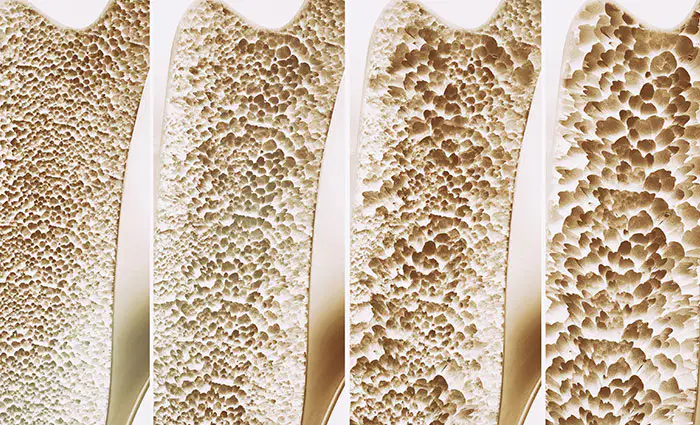
What is the disorder of the skeletal system that results in having very brittle, soft bones often seen in the elderly, especially women?

a)
Osteoporosis
b)

stroke

c)
Arthritis
d)

heart attack

9.
Name this joint 
a)
gliding
b)
saddle
c)
hinge
d)
ball and socket
10.
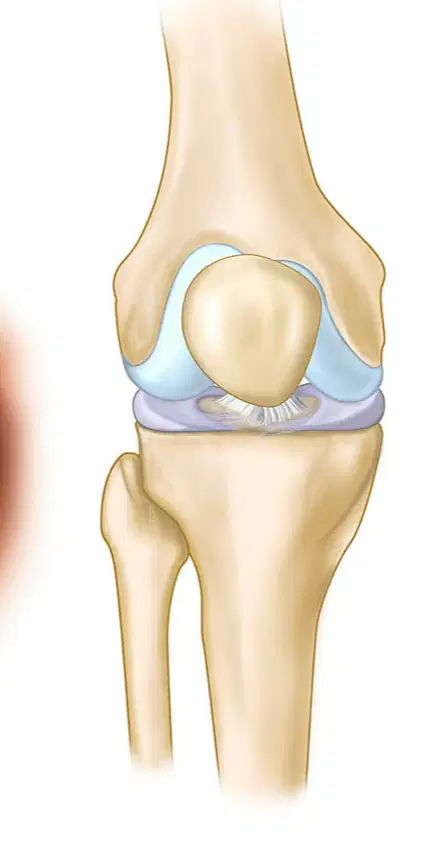
The knee joint is
a)

Hinge joint

b)

Ball and socket joint

c)

immoveable joint

11.
What are joints
a)
A place where one bone meets 
b)
A place where  two  bones meet 
c)
Bones don't meet 
d)
A place where three bones meet 
12.
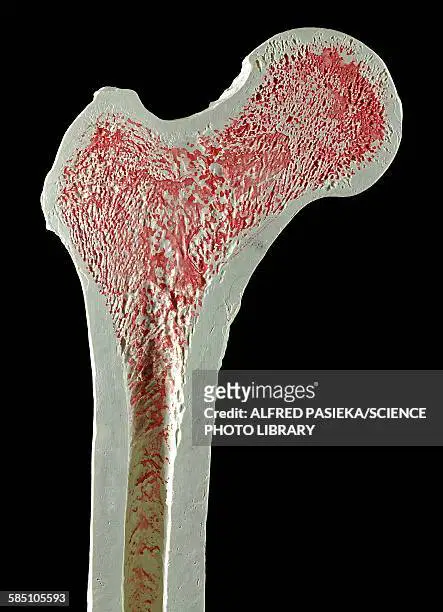
What are the 2 types of bone tissue?
a)
spongy bone and compact bone
b)
marrow and blood vessels
c)
axial and appendicular
13.

The ________is very dense and rigid outer layer.

a)

Joint

b)

Compact bone

c)

Spongy bone

14.

What is the slippery hard surface that covers the ends of bones and allows them to move easily at joints?

a)

tendon

b)

ligament

c)

cartilage

15.

What type of joints do not allow for movement?

a)

hinge joints

b)

immovable joints

c)

ball and socket joints

d)

movable joints

16.

What is an example of an immovable joint?

a)

ankle

b)

skull

c)

fingers

d)

hip

17.
What do your bones protect?
a)
organs
b)
skin
c)
muscles
d)
feelings
18.

What type of muscle makes you walk?

a)

skeletal

b)

smooth

c)

cardiac

19.

This is a type of muscle I can move.

a)

voluntary

b)

involuntary

20.

The skeletal muscles work in pairs (i.e. when one tightens, the other relaxes).

a)

true

b)

false

21.
Involuntary muscle is 
a)
muscle found in the heart
b)
muscle found in the organs
c)
muscle that works automatically
d)
all of these are true
22.
Which types of muscle tissue are voluntary?
a)
Cardiac
b)
Skeletal
c)
Smooth
d)
Cardiac and Smooth
23.

Skeletal muscles ____ on bones causing them to move.

a)

pull

b)

push

c)

slide

d)

shift

24.

Of the 3 types of muscles, which muscles attach to bone

a)

Skeletal muscle

b)

Smooth muscle

c)

Cardiac muscle

25.

what kind of muscle is found in the intestines, bladder, and blood vessels?

a)

cardiac

b)

skeletal

c)

voluntary

d)

smooth

26.
Strains occur to what structure?
a)
Bones
b)
Ligaments
c)
Skin
d)
Muscle
27.
Sprains occur to what structure?
a)
Ligaments
b)
Tendons
c)
Bones
d)
Skin
28.
Which types of muscle tissue are voluntary?
a)
Cardiac
b)
Skeletal
c)
Smooth
d)
Cardiac and Smooth
29.
Movements that you cannot control
a)
Strain
b)
Sprain
c)
Voluntary
d)
Involuntary
30.
Movements that you choose to control
a)
Cramp
b)
Voluntary
c)
Strain
d)
Involuntary
31.
Tendons connect __________ to bone.
a)
Cartilage
b)
Bone
c)
Muscle
d)
Ligaments
32.
Muscles always work in _____
a)
pairs
b)
groups of 3
c)
bones
d)
joints
33.

What system does the muscular system work in conjunction with to allow our body to move?

a)

Digestive

b)

Respiratory

c)

Skeletal

d)

Circulatory

34.
Muscles give us shape and help us maintain good posture?
a)
True
b)
False
35.

Which system is responsible for creating red blood cells?

a)

skeletal

b)

muscular

c)

respiratory

d)

nervous

36.
The bone marrow makes
_______________________ cells.
a)
blood
b)
cancer
c)
large
d)
normal
37.

Which connective tissue connects bones to bones?

a)

ligaments

b)

cartilage

c)

tendons

38.

Which kind of muscles move the skeleton?

a)

skeletal muscles

b)

smooth muscles

c)

cardiac muscles