
 Worksheets
CELL CYCLE - MITOSIS
Total questions: 26
Worksheet time: 24mins
Double-helix organic molecule
held together by the hydrogen bond
(a)
- number of chromosomes is reduced to 23
- or n
- two sets of chromosomes
(a)
Chemical component of DNA:
Deoxyribose sugar
Phosphate group
Nitrogen base
Ribonucleic acid
- Division of body / somatic cells
- Happens in all types of cells except gametes / sex cells
- Involves 4 stages. (P.M.A.T.)
(a)
● Chromosomes coil, thicken, shorten, and condense
● Centrioles move to opposite poles forming spindle fibers
● Nucleolus disintegrates, nucleus increase in size, and nuclear membrane disappears
● Longest stage of mitosis
(a)
● Stage of migration
● Chromosomes move towards its respective poles
● Spindle fibers serves as the guide trails in chromosome migration
(a)
● Stage of cytoplasmic division and nuclear reconstruction
● Chromosomes reach its respective poles and will undergo coiling
● Cell plate (plant cell) or cleavage furrow (animal cell) forms
● Nuclear membrane and nucleolus reappears
(a)
- Assures the equal distribution of genetic materials between two newly produced nuclei
(a)
- Ensures that both daughter cells have all cell organelles in them, including the two nuclei
(a)
● Embryonic development
● Growth
● Repair of injured tissues
● Replacement of worn out tissues
IMPORTANCE OF MITOSIS
jfg
● Stage of separation
● Chromosomes move and align along equatorial plate or metaphase plate
● Centromere splits
● Chromatids separate with its own centromere
● Shortest stage of mitosis
(a)
- the last and shortest stage
- doubling of all organelles
- cells are ready for division
- cell is able to produce proteins necessary for processing of chromosomes and breaking down the nuclear envelope
(a)
- number of chromosomes is at 46
- or 2n
- one set of chromosome
(a)
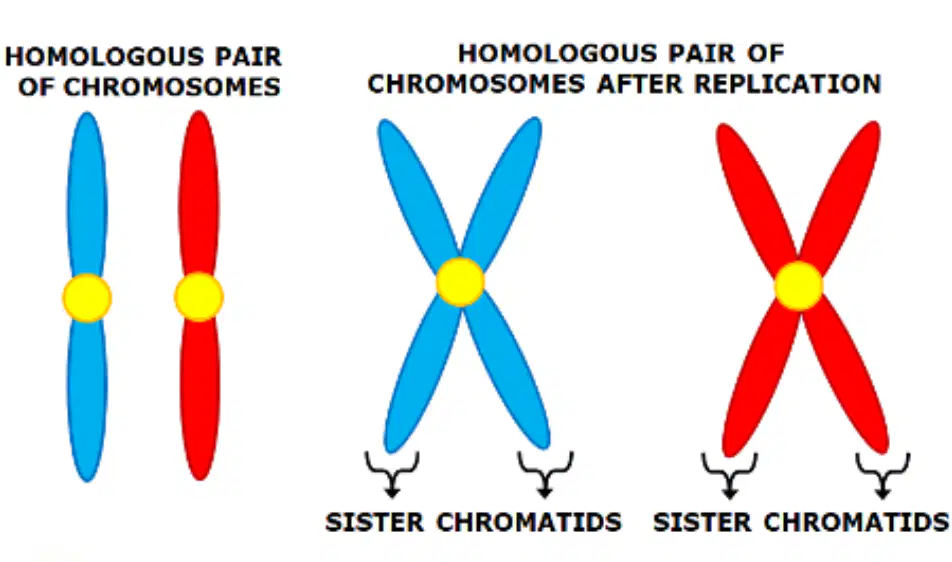
The chromosomes take three forms during the cell cycle:
Chromatin
Sister chromatids
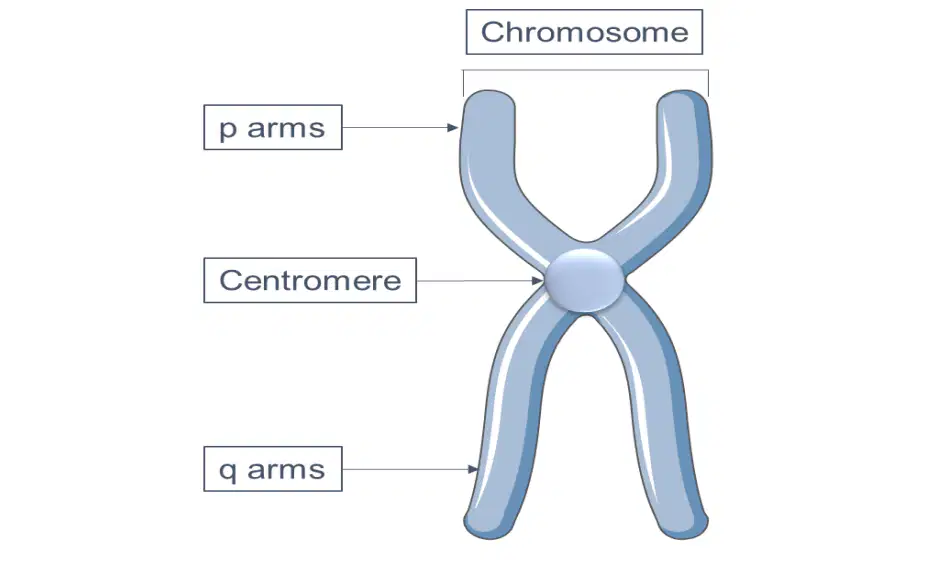
Condensed visible form
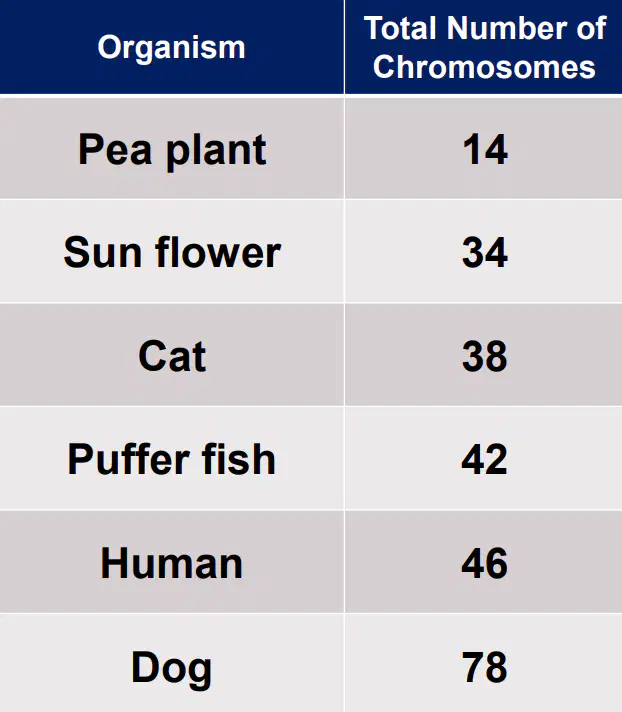
Human nucleus has ( (a) ) chromosomes which are retained or divided in the process of cell division
- packages of DNA molecules into a more compact structure
- thread-like (G1)
CHROMATIN
SISTER CHROMATIDS
CONDENSED VISIBLE FORM
–replicated DNA (S phase) joined by a common centromere
SISTER CHROMATIDS
CHROMATIN
CONDENSED VISIBLE FORM
before or during cell cycle
CONDENSED VISIBLE FORM
SISTER CHROMATIDS
CHROMATIN
- visible thread-like structures that bear the genetic information of the organism.
- occur in pairs; human have 23 pairs of homologous chromosomes; total of 46.
(a)
no answer
(a)
no answer
(a)
no answer
(a)
- occurs in all organisms
- process of cell multiplication
(a)
● First segment of a cell’s life span
● Accommodates all the processes so that a cell may carry out its assigned function
● Cell shows its complete organelles
● Metabolic or resting stage of cell division
(a)
- 1st stage after division
- recovers from cell division
- normal metabolic activities occurs
- increase in mass to prepare for cell division
- doubling of biomolecules
- “checkpoint”
(a)
- 2 nd phase of interphase
- doubling of genetic material
- replication provides the future daughter cells with the same genetic material from the parent cell.
(a)

