
 Worksheets
Cell Transport
Total questions: 10
Worksheet time: 6mins
Which of the following is the BEST definition for passive transport?
Movement of substances through a cell membrane from a high to low concentration without the use of energy
Movement of substances through a cell membrane from a low to high concentration requiring the use of energy
Movement of substances through a cell membrane from a low to high concentration without the use of energy
Movement of substance through a cell membrane from a high to low concentration requiring the use of energy

Which number is pointing to the part of the cell membrane that identifies other cells and chemical signals?
1
2
3
4
Particle of movement from an area of lower concentration to an area of higher concentration.
Active transport
Passive transport
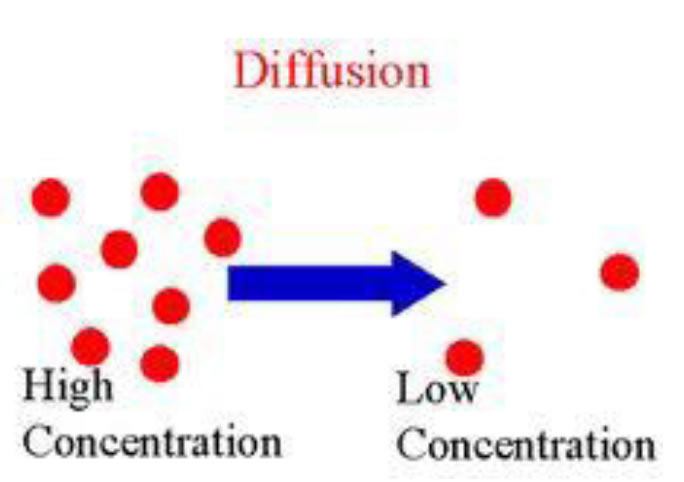
The movement of particles from an area of high to low concentration is known as--
Passive Transport
Active Transport
Which biomolecules (THREE) are found in the cell membrane?
lipids
proteins
nucleic acids
carbohydrates
What is the definition of OSMOSIS?
Diffusion of water through a selectively permeable membrane
Molecular structure that surrounds the cell and controls what enters and leaves the cell
Movement of molecules across the cell membrane against the concentration gradient
Movement of molecules across the cell membrane from an area of high concentration to low concentration

