
 Worksheets
North Africa & Southwest Asia Test Review
Total questions: 55
Worksheet time: 28mins
Name
Class
Date
1.
What factor has the greatest impact the population distribution of North Africa and Southwest Asia?
a)
availability of jobs
b)
availability of art and cultural activities
c)
availability of water
d)
availability of health care services
2.
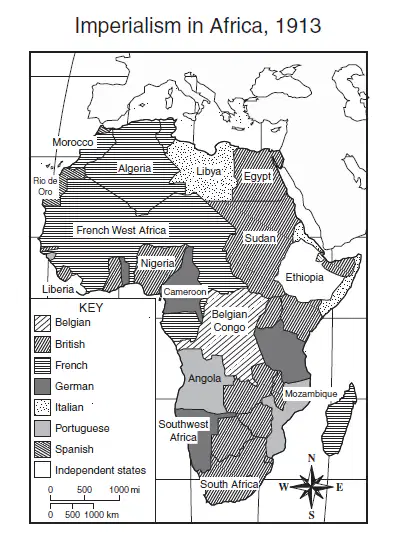
Which of the following conclusions about Africa in 1913 does this map best support?
a)
Sudan was an independent state.
b)
Liberia was the largest independent state.
c)
Spain controlled most of northwest Africa.
d)
Most of Africa was controlled by European nations.
3.
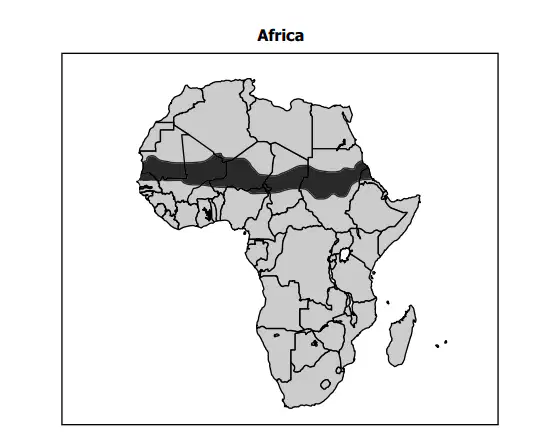
Which geographic factor has most contributed to the environmental strain on the darker-shaded area on this map?
a)
Change in political borders
b)
Desertification
c)
Urbanization
d)
Irrigation of public lands
4.
Istanbul is a city located at a strategic chokepoint, a narrow waterway that controls what goods and people move from parts of Asia into the Mediterranean Sea; this is the ____.
a)
Bosporus Strait
b)
Dardanelles Strait
c)
Strait of GIbraltar
d)
Strait of Hormuz
5.
Which statement about the government of Saudi Arabia is correct?
a)
The military is vital in establishing political authority.
b)
Secular leaders are elected.
c)
Islamic law plays an important role.
d)
Businesses operate under a free-market system.
6.
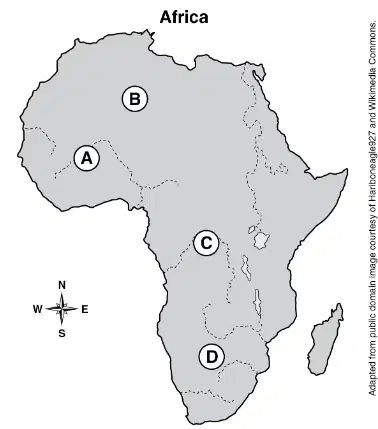
The world's largest hot desert is located nearest to which point on the map?
a)
A
b)
B
c)
C
d)
D
7.
OPEC is a(n) ________ alliance.
a)
cooperation
b)
defense
c)
economic
d)
peace-keeping
8.
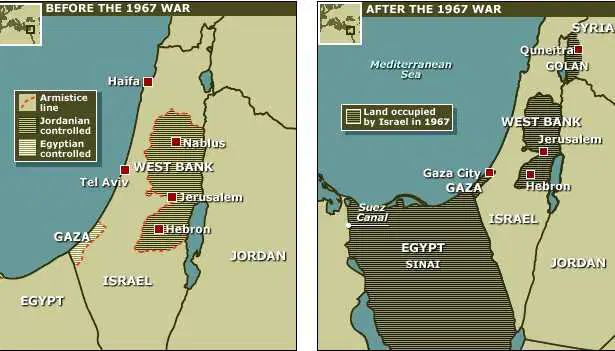
What led to Israel obtaining more territory according to the map?
a)
It was conquered in the war
b)
It was given Israel by the United Nations
c)
It was returned because of the Holocaust
d)
The country Egypt ceased to exist
9.
The conflict in the Middle East between Jews and Palestinians is mainly due to this type of differences.
a)
educational
b)
governmental
c)
language
d)
religious
10.
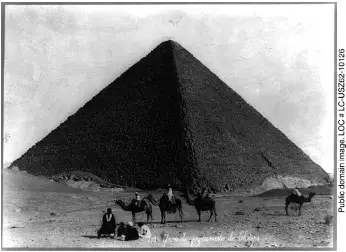
In what country would the structure in the picture be found?
a)
Morocco
b)
Israel
c)
Saudi Arabia
d)
Eqypt
11.

The information below is an example of how technology-
a)
influences agricultural production
b)
alters climate conditions
c)
increases energy usage
d)
affects transportation patterns
12.
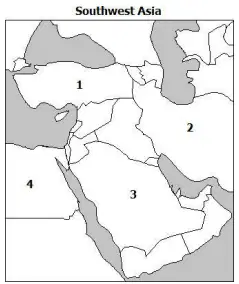
Which number represents the country where the Taurus Mountains are located?
a)
1
b)
4
c)
3
d)
2
13.

What religion considers this monument to be sacred, and in which city is it located?
a)
Judaism/Jerusalem
b)
Islam/Mecca
c)
Islam/Jerusalem
d)
Christianity/Istanbul
14.
This ethnic group, which has suffered persecution, has no homeland and lives in the mountains of Turkey, Iran, Syria, and Iraq.
a)
Armenians
b)
Kurds
c)
Pakistanis
d)
Romas
15.
A person who follows his/her herd as it grazes and has no permanent dwelling place is a(n)
a)
farmer
b)
gypsy
c)
nomad
d)
wadi
16.
What sea boarders Asia, Europe, and Africa?
a)
Aegean
b)
Aral
c)
Caspian
d)
Mediterranean
17.
This city was originally an economic center along a trade route, but its current function is as the primary pilgrimage destination for Muslims.
a)
Samarkand
b)
Istanbul
c)
Madrid
d)
Mecca
18.
Herding animals or pastoralism is a ____ economic activity.
a)
primary
b)
secondary
c)
tertiary
d)
quaternary
19.
Which of the following mountain ranges fits the description below?
Extends through Morocco, Algeria and Tunisia
a)
Taurus Mountains
b)
Atlas Mountains
c)
Zagros Mountains
d)
Ural Mountains
20.
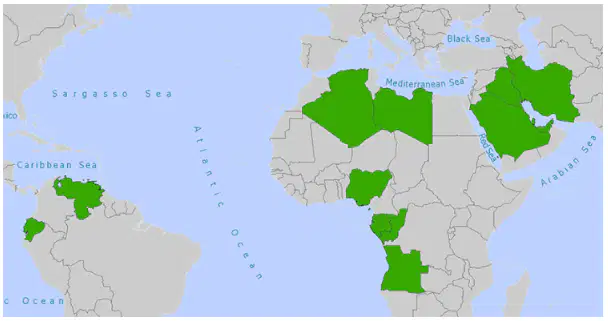
The highlighted countries below are members of which international organization?
a)
NATO
b)
EU
c)
NAFTA
d)
OPEC
21.
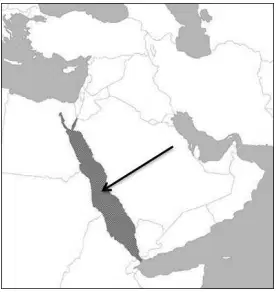
What body of water is marked by the dark gray pattern on the map?
a)
Black Sea
b)
Persian Gulf
c)
Mediterranean Sea
d)
Red Sea
22.
If a country controls this strait, it can control oil shipments out of the Persian Gulf.
a)
Bering Strait
b)
Bosporus Strait
c)
Strait of Hormuz
d)
Strait of Magellan
23.
Mesopotamia means "land between the rivers;" which two rivers form this region?
a)
Jordan & Tigris
b)
St. Lawrence & Mackenzie
c)
Tigris & Euphrates
d)
Rhine & Seine
24.
Although expensive, some countries such as Saudi Arabia choose to remove salt from seawater to create freshwater; this process is called
a)
aquification
b)
desalination
c)
desaltification
d)
pasteurization
25.
Positive effects of the Aswan High Dam, as well as other dams, include all the following except
a)
controls flooding
b)
hydroelectric power
c)
increases the need for fertilizers
d)
provides water for irrigation
26.
An Islamic place of worship is called a(n)
a)
cathedral
b)
mosque
c)
stupa
d)
synagogue
27.
Most of the people in Israel practice this religion.
a)
Buddhism
b)
Islam
c)
Judaism
d)
Sikhism
28.
Icons are a part of worship in all of the following religions except
a)
Roman Catholic
b)
Russian Orthodox
c)
Islam
d)
Greek Orthodox
29.
This religion requires that you go on a pilgrimage to Mecca.
a)
Buddhism
b)
Hinduism
c)
Islam
d)
Judaism
30.
A lush green area located in a desert is a(n)
a)
oasis
b)
rainforest
c)
stupa
d)
wadi
31.
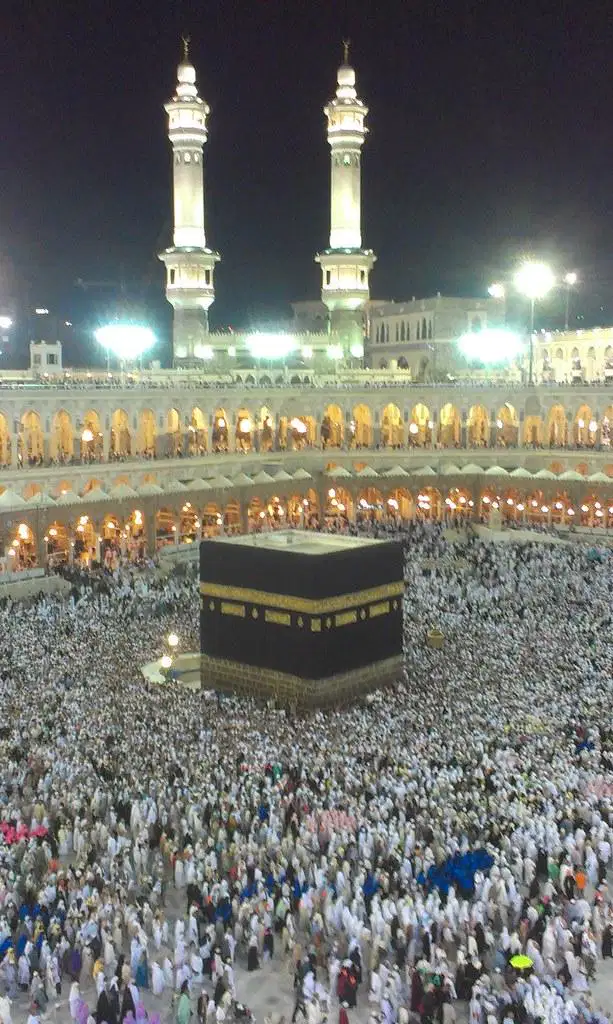
What is the black structure in this image and where is it located?
a)
Pyramids of Giza/Egypt
b)
Church of the Holy Sepulchre/Jerusalem
c)
Ka'aba/Mecca
d)
Parthenon/Athens
32.
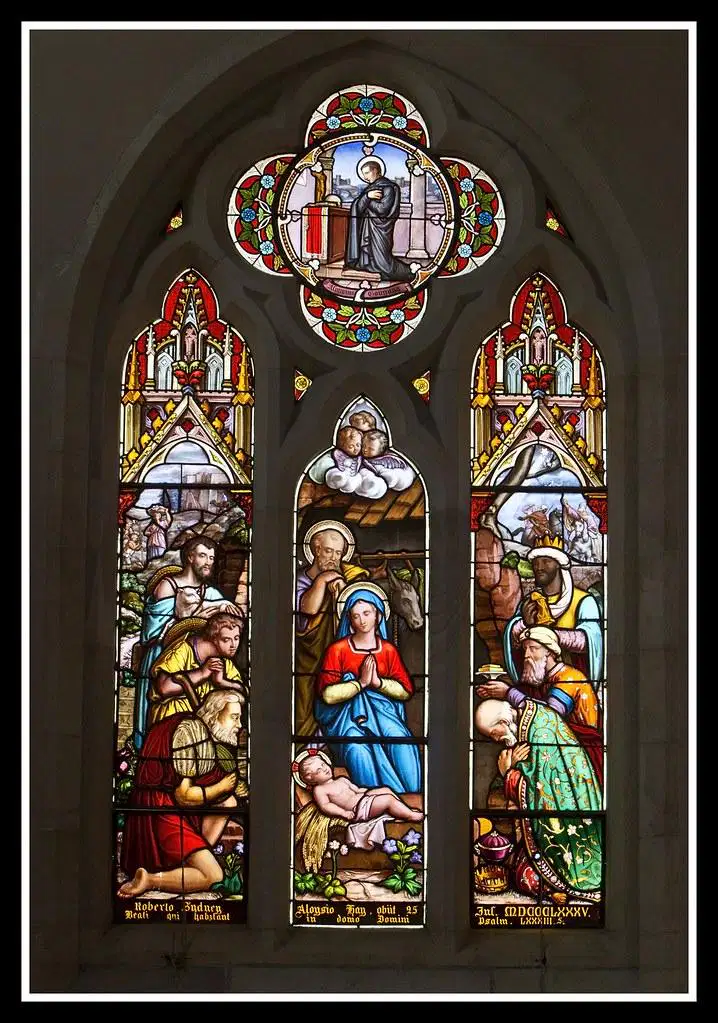
What religion influenced the art in the picture?
a)
Buddhism
b)
Christianity
c)
Hinduism
d)
Islam
e)
Judaism
33.
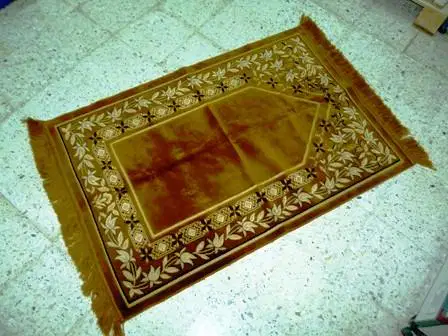
What religion influenced the art in the picture?
a)
Buddhism
b)
Christianity
c)
Hinduism
d)
Islam
e)
Judaism
34.
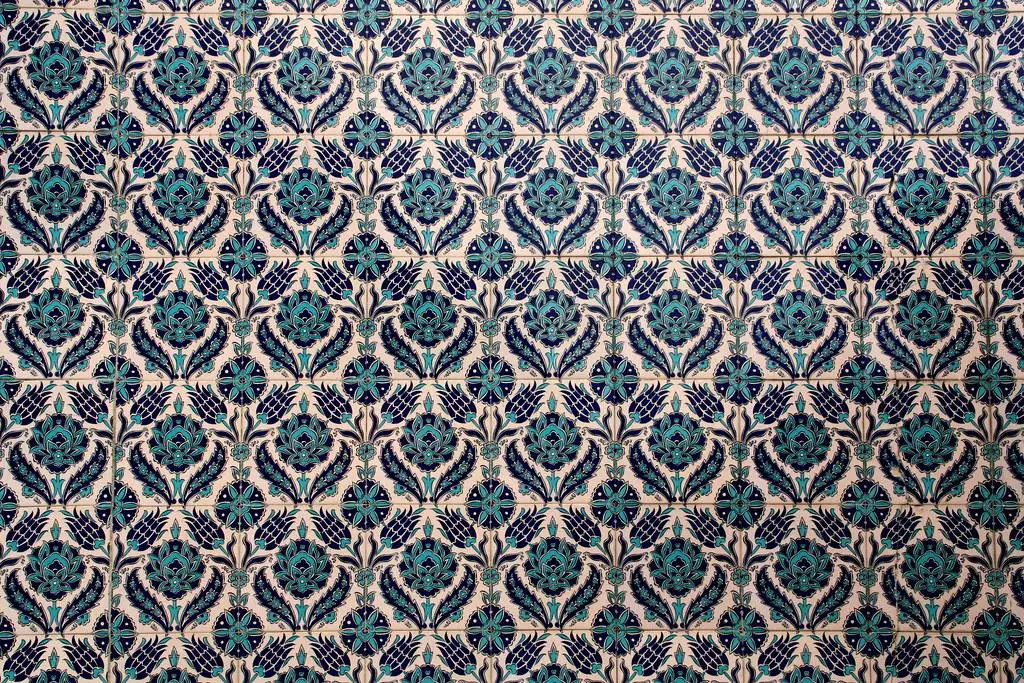
What religion influenced the art in the picture?
a)
Buddhism
b)
Christianity
c)
Hinduism
d)
Islam
e)
Judaism
35.
Wadis are
a)
abandoned mineral deposits
b)
areas of intense urbanization
c)
streambeds that are dry except during a heavy rain
d)
desert areas that once held oases
36.
Most of the population of North Africa and Southwest Asia live
a)
near water
b)
in the mountains
c)
in the plains
d)
inland
37.
The longest river in the world is the
a)
Yangtze
b)
Nile
c)
Tigris
d)
Euphrates
38.
The desert areas of North Africa & Southwest Asia are
a)
densely populated
b)
largely unpopulated, except in the cities
c)
usually too hot to herd animals
d)
without oases
39.
Which series of words best describes the primary economic activities in North Africa and Southwest Asia?
a)
manufacturing, service industry, oil drilling
b)
oil drilling, pastoralism, service industry
c)
agriculture, manufacturing, pastoralisim
d)
oil drilling, agriculture, pastoralism
40.
Those people who followed the teachings of Jesus became known as
a)
prophets
b)
Jews
c)
Muslims
d)
Christians
41.
A major occupation of the people of the steppe region is
a)
building houses
b)
manufacturing automobiles
c)
surveying land
d)
raising livestock
42.
The followers of Islam are called
a)
Muslims
b)
Christians
c)
Jews
d)
Buddhists
43.
The main language in North Africa is
a)
Hebrew
b)
Arabic
c)
Farsi
d)
Turkish
44.
In terms of religion, most of the people in North Africa and Southwest Asia are-
a)
Christians
b)
Jews
c)
Sunni Muslims
d)
Hindus
45.
An ongoing issue in the Arab-Israeli conflict in Israel is
a)
the dispute betwen Christians and Muslims over control of the government
b)
disputes over rights to oil reserves and to fresh water
c)
the status of the Palestinians, who want a separate homeland
d)
the establishment of a common government in the region
46.
The climate type that dominates Southwest Asia is
a)
desert
b)
humid continental
c)
humid suptropical
d)
steppe
47.
All of the following resources are scarce in the Middle East except
a)
water for drinking
b)
coal
c)
oil
d)
trees for building
48.
The three non-Arab countries in North Africa and Southwest Asia are
a)
Egypt, Libya, and Morocco
b)
Israel, Iran, and Turkey
c)
Iran, Iraq, and Kuwait
d)
Afghanistan, Yemen, and Qatar
49.
The Middle East is located at the crossroads of these three continents:
a)
Europe, Asia, & North America
b)
North America, South America, & Central America
c)
Africa, North America, & Asia
d)
Africa, Asia,& Europe
50.
A large percentage of the population in North Africa and Southwest Asia are-
a)
under the age of 15
b)
over the age of 15
c)
approaching retirement
d)
already retired
51.
The purpose of the Suez Canal is to
a)
provide water for irrigation
b)
provide water for fishing
c)
be used for shipping routes in the region
d)
be used in case of war to transport troops
52.
Palestinians who have fled Israel to live in the neighboring countries are called
a)
immigrants
b)
emigrants
c)
refugees
d)
aliens
53.
The Suez Canal connects the following two major bodies of water?
a)
the Red Sea and the Persian Gulf
b)
the Indian Ocean and the Caspian Sea
c)
the Persian Gulf and the Nile River
d)
the Mediterranean Sea and the Red Sea
54.
Which country in Southwest Asia has the greatest supply of oil reserves?
a)
Iraq
b)
Saudi Arabia
c)
Libya
d)
Egypt
55.
Ancient cities were protected by
a)
defensive walls
b)
armies armed with crossbows
c)
moats built around them
d)
domes
100 %

