
Font size
 Worksheets
Astro 150 Trivia - 10/27/2023
Total questions: 16
Worksheet time: 21mins

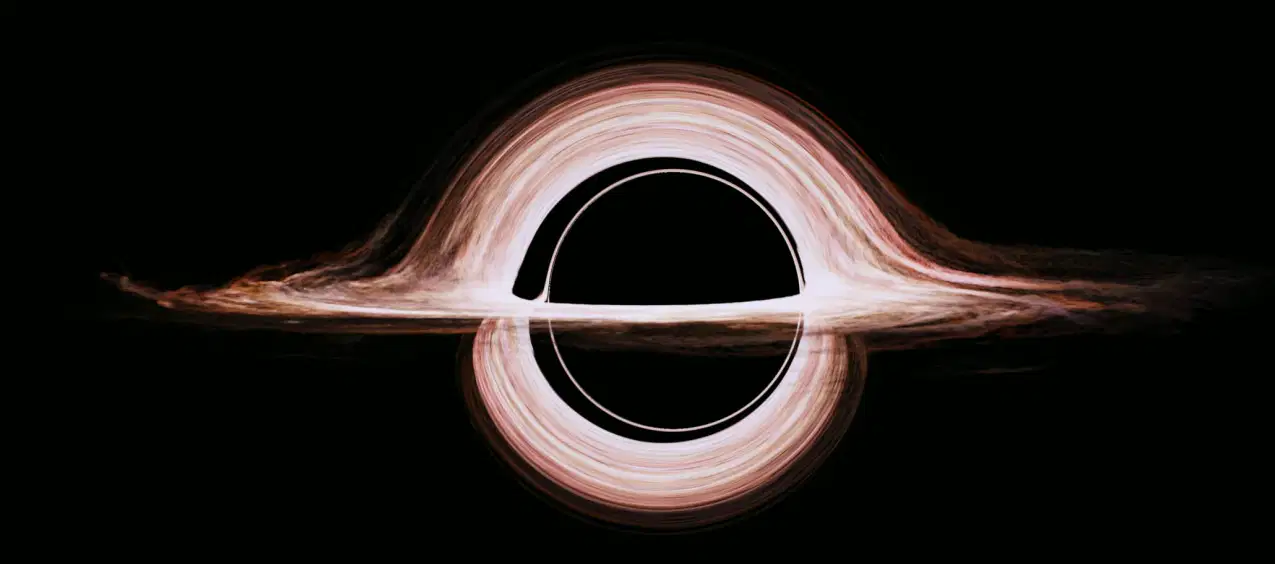
What is this an image of?
The remnant of a supernova explosion.
Milky Way's core supermassive black hole.
An HII region in space.
A planetary nebula.
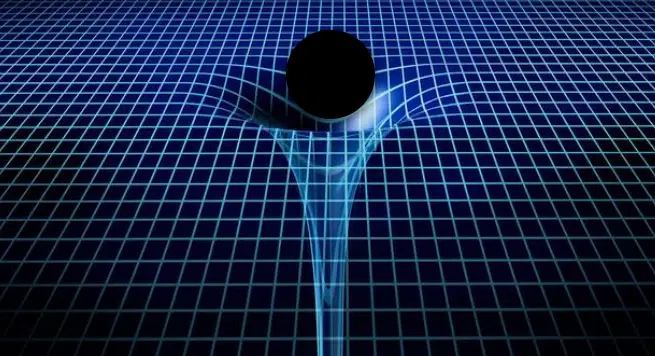
Re-order the following based on whether or not the black hole type has been detected by observation
Supermassive black hole
Yes
Primordial black hole
Maybe
Intermediate mass black hole
No

How do astronomers detect merging black holes?
Through their gravitational wave emissions.
Through their x-ray emissions.
It is impossible to observe merging black holes.
Technology hasn't advanced enough to detect them.
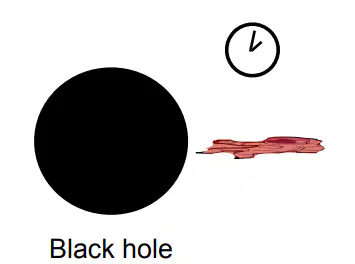
Label the following as True or False.
Clocks tick slower near the surface of a black hole.
It is impossible to actually see an object fall completely into a black hole.
Objects appear brighter as they fall into a black hole.
Black holes have no effect on light.
Black holes remain undiscovered objects.
Tidal forces rip apart objects as they fall into a black hole.
Would it be more painful to fall into a small black hole or a large one?
Small one--spaghettification is worse with a small black hole
Large one -- spaghettification is worse with a large black hole
Small one--a large one will be more radioactive
Large one--a small one will be more radioactive
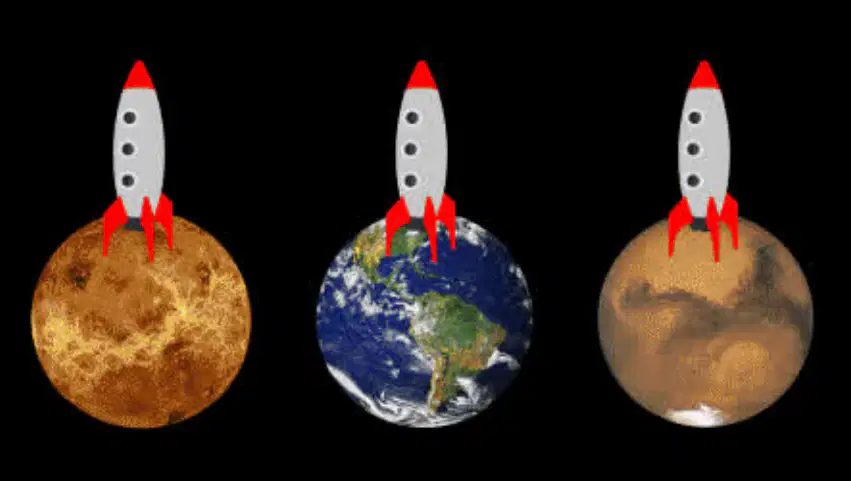
The escape velocity from the surface of a planet can be expressed as: ve = r 2GM
Calculate the escape velocity of the Earth, given G = 7×10⁻¹¹ m3 kg−1s−2 , M = 6×1024kg , and r= 6×10⁶m .
11.8 km/s
11,800 km/s
5.9 km/s
5,900 km/s
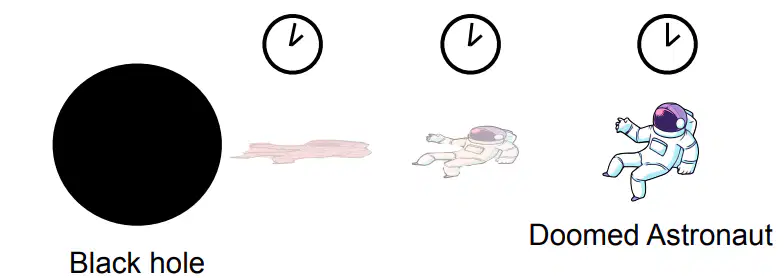
Why are objects close to a black hole redder?
The blue light falls into a black hole faster than the red light
Light waves are stretched when they are near a black hole
They're not
Blue light stops farther away from the event horizon

How does General Relativity explain gravity?
Gravity is the warping of space-time
Objects are assigned a gravitational charge
It is actually a manifestation of the electromagnetic force
It has yet to provide an explanation for gravity
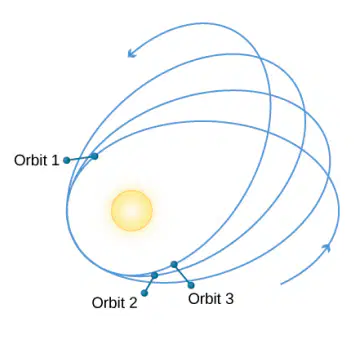
What causes the orbit of Mercury to wobble?
An undiscovered planet
It doesn't -- the glare from the sun just introduces a lot of uncertainty
Mercury is lopsided
General relativistic effects
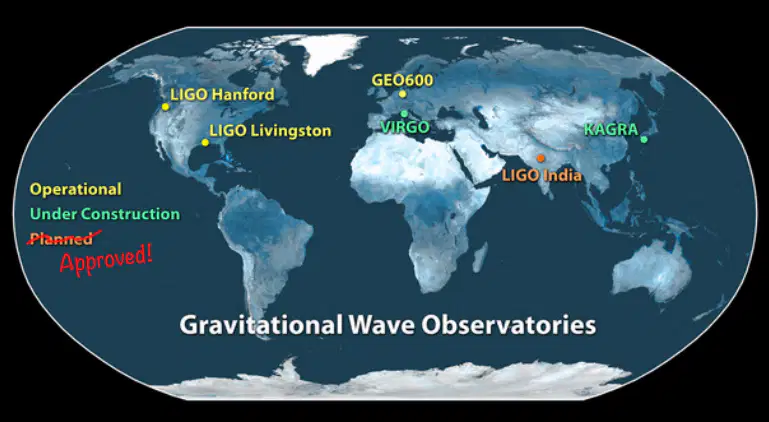
What does general relativity have to do with GPS?
Relativistic effects compound over distance, so the satellites need to account for those effects
GPS units need to account for the relativistic speeds of the orbits of GPS satellites
GPS satellites need boosters to keep them in orbit, otherwise relativistic gravitational effects will cause their orbits to decay
GPS satellites need their clocks to run at different rates than Earth clocks due to relativistic effects
Label the parts of the Spiral Galaxy.
Spiral Arms
Globular Clusters
Halo
Disk
Buldge
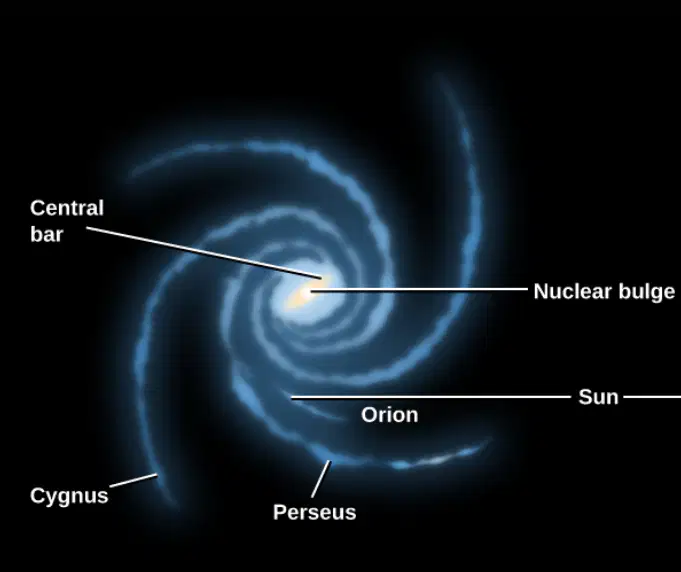
Why are the young parts of a galaxy blue?
There's a lot of blue gas that hasn't been made into stars there yet
There are a lot of short-lived blue stars there
Those areas haven't had time to cool, so they emit lots of blue light
The young parts are blue, but it's not necessarily BECAUSE those parts are young
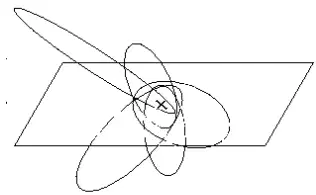
Match the stellar populations to their properties
The Sun
Houses massive stars
Orbits within the disk of the galaxy
same metal abundance as the sun or more
Very low metal abundance
Orbits way out of the galactic plane
Houses low mass stars
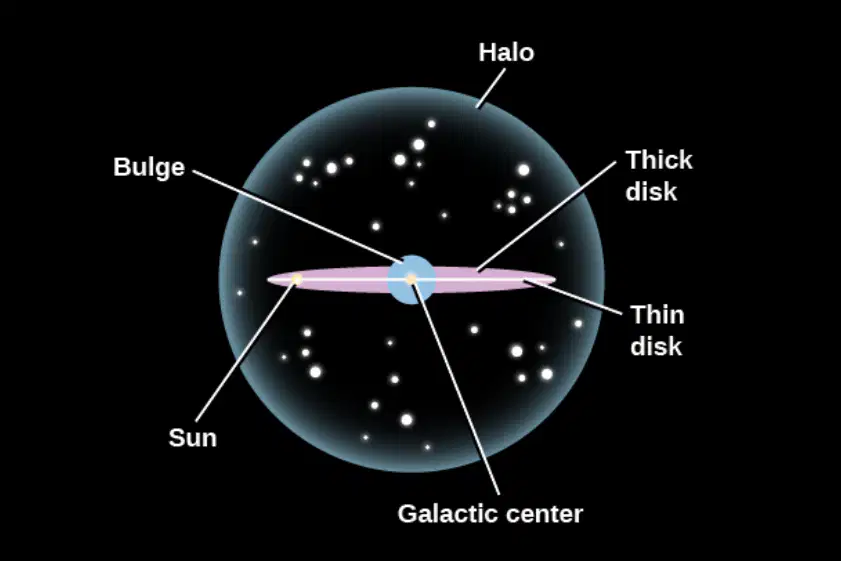
Which portion of the Milky Way houses the oldest stars?
Thin Disk
Thick Disk
Stellar Halo
Galactic center
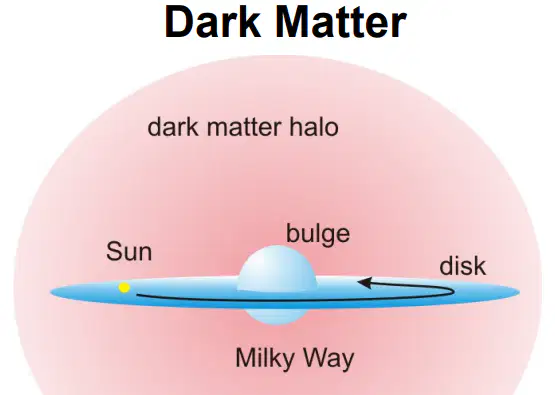
How much of our Galaxy's mass is made of dark matter?
20%
45%
70%
95%
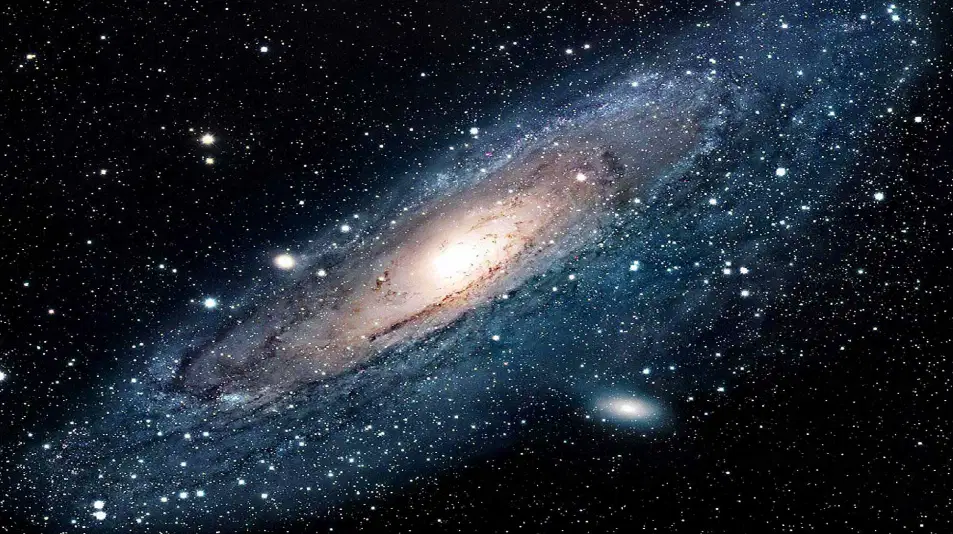
How do we know that 95% of the mass of the Milky Way is in the form of Dark Matter?
We detect dark matter directly
Due to the speed which Andromeda is approaching the Milky Way
Stars appear to be orbiting at speeds higher than expected
The escape velocity for satellites leaving the Milky Way is higher than expected

