
 Worksheets
Grade 8 MDE Unit 2 Don't Runoff 1.0
Total questions: 19
Worksheet time: 10mins
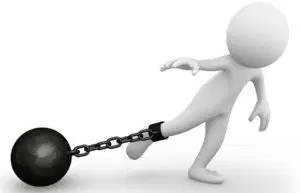
Ways that your design is limited.
criteria
constraint
technology
engineer
Things your design needs to do.
criteria
constraint
caterer
environment
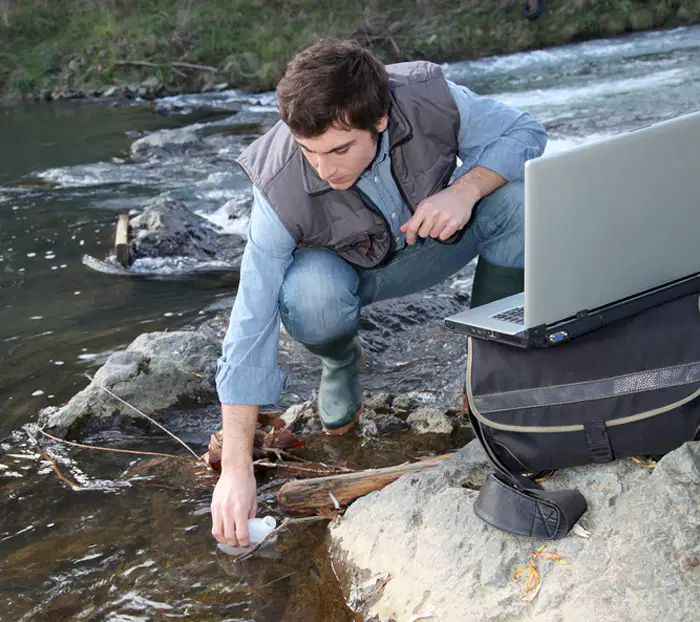
Someone who uses his or her creativity and knowledge of
math, science, and natural systems to design technologies to solve problems relating to reducing pollution in the environment.
engineering design process
biomechanical engineer
environmental engineer
electrical engineer

Someone who uses his or her creativity and knowledge of math and science
to design technologies that solve problems.
editor
engineer
entertainer
event planner
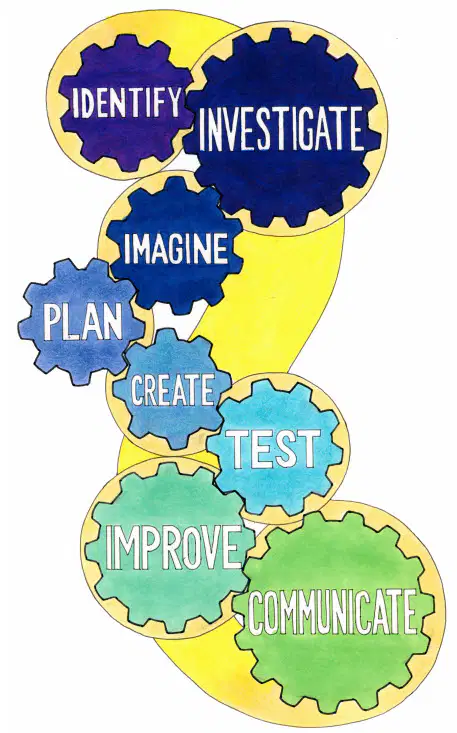
The steps that engineers use to design technologies to
solve a problem.
baby steps
engineering design process
electronic dance music
giant leaps
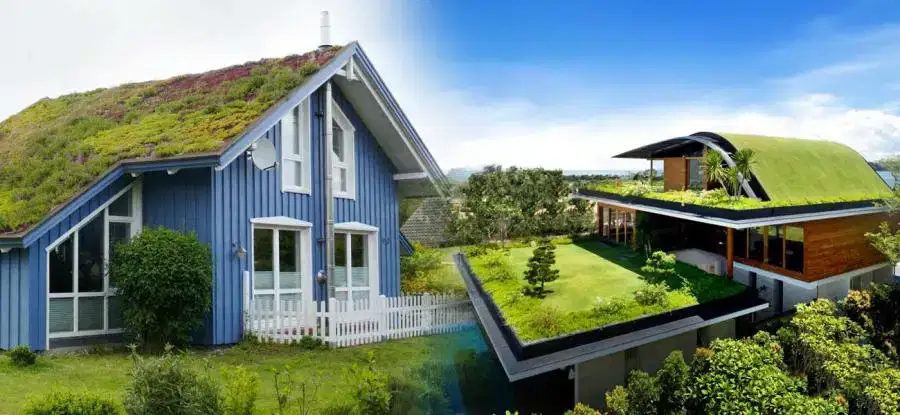
A roof that is partially or fully covered with vegetation over layers of
material to absorb water with a waterproof membrane on the bottom to prevent leaking.
green floor
ghetto roof
green thumb
green roof

The water that flows over the surface of a landscape during and after a
rainstorm.
bug off
run away
runoff
soup bowl

An absorbent pavement allowing water to pass through it.
swiss cheese pavement
permeable pavement
permeable pate
premature pavement

Something that contaminates the air, water, or soil of an environment.
pollutant
pottery
polymer
poppy
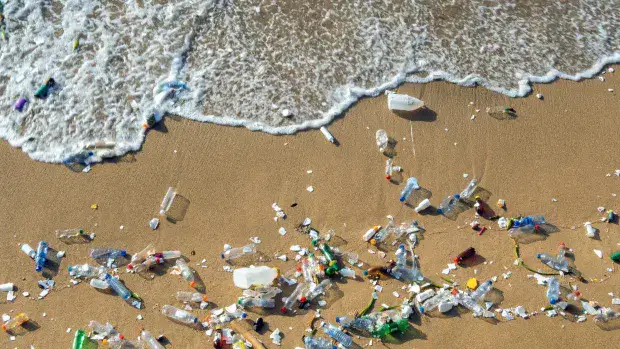
The introduction of pollutants into the environment.
pointy
pollution
popular
post haste

Anything designed by humans to help solve a problem.
criteria
technology
constraint
environmental engineer
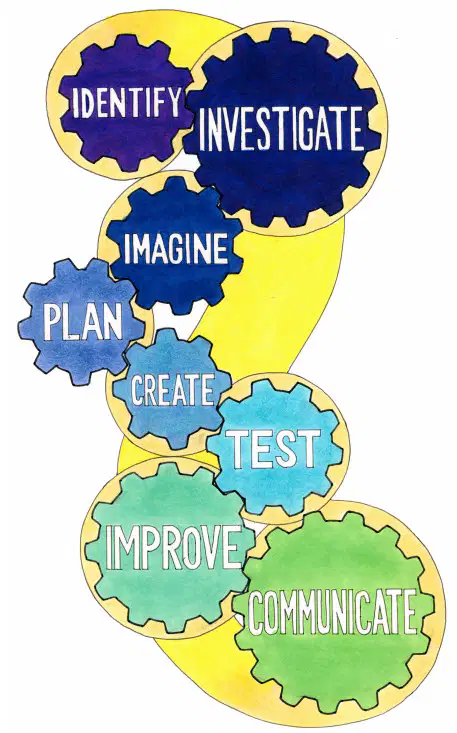
EDP step where we understand the engineering problem
• Define the problem in your own words
Plan
Imagine
Investigate
Identify
EDP step where you gather details
• Learn about what others have done
• Explore possible materials or processes you could use for your design
• Conduct science experiments to gather data
Plan
Imagine
Investigate
Identify
EDP step where you come up with different ways to solve the problem
• Use your creativity to think of lots of ideas that could work
• Evaluate the pros and cons of each idea
• Pick one idea that is a good starting point
Plan
Imagine
Create
Test
EDP step where you figure out the details of your design
• Discuss how it will work
• Draw diagrams and list materials
• Decide how you will test and evaluate
Plan
Imagine
Create
Test
EDP step where you build your design
• Follow your plan
• Fix small problems
• Record any changes to your plan
Plan
Improve
Create
Test
EDP step where you evaluate how well your design works
• Try out multiple times
• Record your observations and findings
• Figure out which parts are working well and which parts are not
Communicate
Improve
Create
Test
EDP step where you make changes to your design based on testing
• Decide what to change
• Put your changes into a new plan
• Build your improved design and test again
Communicate
Improve
Create
Test
EDP step where you share your solution with others
• Explain strengths and weaknesses of your solution
• Share how you used the Engineering Design Process
• Ask people for feedback
Communicate
Improve
Create
Test

