
 Worksheets
Chemistry Facts
Total questions: 200
Worksheet time: 3hrs 30mins
Typically, atoms are more stable when they are
bonded together
apart from each other
Why do atoms bond?
They typically don't bond
To add or take away energy levels
To have a full valance shell.
To have a full inner shell
Ionic bonding is between a
nonmetal and nonmetal
metal and nonmetal
metal and metal
Depends on the situation
Covalent bonding is between a
nonmetal and nonmetal
metal and nonmetal
metal and metal
It depends on the situation
What do atoms tend to do to become positive ions?
lose electrons
gain electrons
lose protons
gain protons
What do atoms tend to do to become negative ions?
lose electrons
gain electrons
lose protons
gain protons
What happens when magnesium loses 2 electrons?
It stabilizes to a net charge of 0
It turns into an atom
It becomes negatively charged
It becomes positively charged
Predict the bond between Mg and Cl
covalent
ionic
metallic
none of the above
What is the correct Lewis structure for BF3?
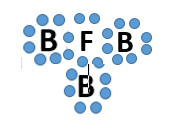
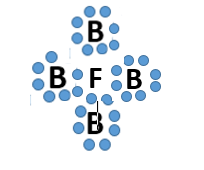

BF3 (The formula is the Lewis Structure)
What is the chemical formula for Lithium Nitride?
Li3N
LiN3
NLi3
N3Li
What is the ionic formula for a bond between Calcium and Phosphorus?
Ca2P3
Ca3P2
Ca2P5
P5Ca2
What category of element usually forms a positive ion?
Metals
Nonmetals
metalloids
Noble gases
The bond in CaCl2 is an example of
Covalent
Metallic
Ionic
Intermolecular Forces
Which category of elements usually form negative ions?
metals
nonmetals
metalloids
noble gases
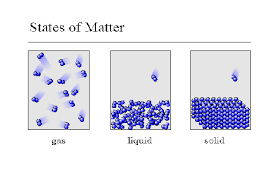
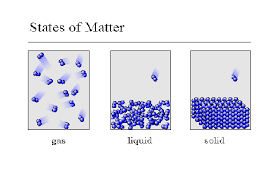

Freezing
Solid to gas
Liquid to solid
Gas to solid

Boiling
liquid to gas
gas to solid
gas to liquid
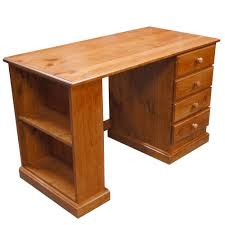

What is happening when my ice cream changes from a solid to a liquid?
freezing
melting
burning

The state of matter that has no definite size or shape is
Solid
Liquid
Gas

Particles in a ______________________ move quickly and are far apart.
gas
solid
liquid

Particles of a liquid
are tightly packed together and stay in a fixed position.
are free to move around one another but still touch.
Solid to Gas
Deposition
Sublimation
Evaporation
What is condensation?
gas to solid
gas to liquid
liquid to solid
The slower the particles in a substance move,
the colder it is.
the warmer it is.
the more energy it has.

Is this a picture of something hot or cold?
Hot
Cold

Is this a picture of something hot or cold?
Hot
Cold

Definite shape and definite volume
Solid
Liquid
Gas

Has a definite volume but not a definite shape
Solid
Liquid
Gas
Liquid to Gas
Condensation
Evaporation
Sublimation
Complete the word equation below:
Acid + alkali --> ............... + water
water
salt
gold
metal
.............................. + sodium hydroxide --> sodium chloride + water
Nitric acid
Sulphuric acid
Hydrochloric acid
Ethanoic acid

Why is toothpaste alkaline?
It can neutralise strong alkaline in
your mouth
It can neutralise acid in
your mouth
It can refresh your teeth
Toothpaste is not alkaline.
What colour is Universal indicator when the solution is neutral?
Red
Green
Blue
Purple
What type of reaction occurs when you react an acid with an alkali?
combustion
decomposition
no reaction
neutralisation
Sulphuric acid + potassium hydroxide --> ........................ + water
potassium sulphate
potassium sulphurate
potassium nitrate
magnesium hydroxide
Lithium hydroxide + nitric acid ->
Lithium nitrate + hydrogen
Lithium nitride + salt
Lithium nitrate + water
Lithium nitrate + hydroxide
ph range of acids are .....
0-6
7
8-14
4-10
ph range of alkalis are .....
0-6
7
8-14
4-10
Magnesium hydroxide + hydrochloric acid -> water + ..............
magnesium chloride
magnesium oxide
magnesium oxygen
magnesium chlorine
sulphuric acid + lithium hydroxide -> water + .............
sulphuric lithiate
lithium sulphuric
lithium sulphate
sulphur lithate
nitric acid + iron hydroxide -> iron nitrate + ..........
hydrogen
hydroxide
oxygen
water
What colour change would you see if you added nitric acid to sodium hydroxide and universal indicator?
red -> blue
purple -> green
red -> yellow
pink -> colourless
iron chloride, sodium nitrate, lithium sulphate, copper carbonate are all examples of .........
acids
alkalis
salts
mixtures
Combustion is when a __________ reacts with oxygen
petrol
fuel
fire triangle
carbon dioxide
Glucose/sugar and oxygen are...
products of cell respiration
reactants of cell respiration
Cells do cell respiration in order to make
water
glucose
energy (ATP)
oxygen
Which two things are given out when something is burning?
heat
reflection
light
iron
What two things does an iron object need to rust?
paint
oxygen
water
sugar
What part of air is used in burning?
nitrogen
other gases
carbon dioxide
oxygen
magnesium + oxygen --> magnesium oxide
If you started with 5g of magnesium and 2.5g of oxygen, what mass of magnesium oxide would be produced?
5g
2.5g
7.5g
10g
What was the chemical name given to Rust ?
Carbon
Iron Oxide
Iron Oxygen
Magnesium Oxide
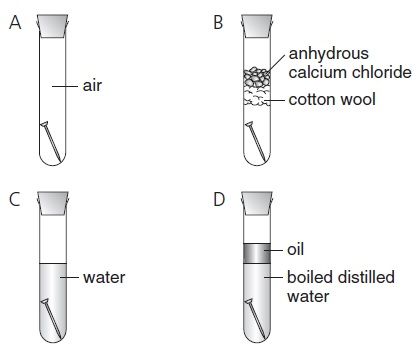
Which diagram shows the most favourable conditions for rust to appear on the nail?
A
B
C
D
What element rusts?
carbon
manganese
iron
potassium
What prevents Rusting
Painting , Oiling , Galvinising
Washing with water
Which of the following indicators cannot be stored in the laboratory for a longer period of time?
Flower extract
Methyl orange
Phenolphthalein
Litmus
Which of the following is not an acid?
Ammonia solution
Ethanoic
Methanoic
Citrus
Which of the following pH is strongly acidic?
5.0
14
9.5
1.0
Which of the following has a pH of 14?
Ammonia solution
Distilled water
Ethanoic acid
Sodium hydroxide solution
Give the products formed when Zinc reacts with Hydrochloric acid.
Zinc and Hydrogen
Zinc chloride and oxygen
Zinc chloride and Hydrogen
Zinc and salt
Give the products formed when zinc reacts with Sulphuric (VI) acid.
Salt + Water
Zinc sulphate + Hydrogen
Zinc + Hydrogen
Zinc sulphate + Copper
What are the products formed when aluminium reacts and Hydrochloric acid?
Aluminium + water
Aluminium + Oxygen
Aluminium + Sulphate
Aluminium chloride + Hydrogen gas
What are the products formed when metal reacts with hydrochloric acid?
Salt + Hydrogen
Salt + water
Salt + Oxygen
Salt + Carbon (IV) oxide
Which solution can turn phenolphthalein pink?
Sodium hydroxide
Vinegar
Tomato
Hydrochloric acid
Which solution would turn litmus red?
Potassium hydroxide
Sodium chloride
HNO3
Ammonia
Which solution would turn litmus blue?
HCl
Citric fruits
H2SO3
NH3
Phenolphthalein has a pink color in a solution that has a pH of
5
11
1
7
An unknown substance X gives brownish red stain on turmeric paper sheet. It also gives green colour in china rose solution. What is the nature of the substance?
Acid
Neutral
Base
Can't find with this data
A solution Y is colourless when phenolphthalein was added to it. It didn't change its colour even on turmeric paper. It didnot change the colour of blue litmus paper too. What is the nature of the substance Y?
Acid
Neutral
Base
Can't find with this data

What is the nature of the solution present in the beaker?
Alkali
Acidic
Neutral
Water

Which of the set of pH paper depicts that the dipped solution is highly acidic?
(compare with the pH scale and find out)


Which type of solution is A and B respectively?
Basic and acidic
Acidic and basic
Basic and neutral
Acidic and neutral
When china rose indicator is added to soap solution, What colour change would happen?
Dark pink
Light pink
Green
No colour change
A homogeneous mixture is the same thing as...
a solution
a heterogeneous mixture
a compound
an element
The prefix hetero means...
same
different
together
awesome
A type of mixture that forms when one substance dissolves in another is known as a
heterogeneous mixture
solution
solute
solvent

How many grams are soluble in 100 g of water at 100 ºC?
300 grams
250 grams
100 grams
50 grams

Which solute is most likely a gas?
NH3
NaNO3
KCl
NaCl

When 40 grams of NaCl is dissolved in 100 grams of water at 90 ºC, the solution can be correctly described as:
supersaturated
saturated
unsaturated

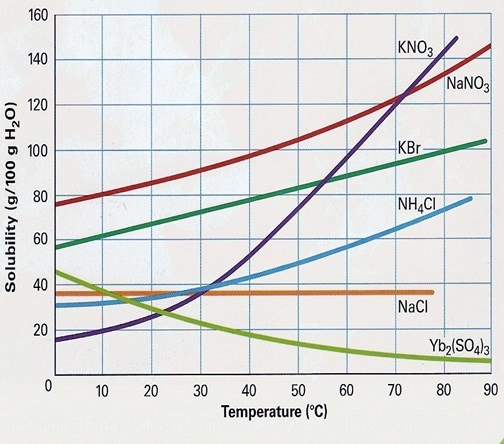
Identify how many grams of KNO3 is required to make a saturated solution at 40'C.
50 g
45 g
55 g
33 g
Water is considered polar due to:
its neutral poles
its charged poles
the odd number of atoms involved

You can make a solute dissolve more quickly in a solvent by
adding more solute.
adding ice.
heating the solvent.
removing some solvent.
A solution that contains all of the solute it can hold at a given temperature is
diluted.
saturated.
supersaturated.
unsaturated.

Three 10 g samples of sugar are represented below.
Sample A dissolves in water more slowly than sample B.
Sample B dissolves more slowly than sample C.
Which of the following best explains why sample A dissolves more slowly than the other two?
It has the most volume.
It has the smallest surface area.
It has the largest number of sugar molecules.
It has the fewest bonds between sugar modules.

Based on the solubility curve, how many grams of sugar will dissolve in a 100 mL of water at 20°C?
100 g
150 g
200 g
250 g

Sugar dissolved in water is an example of a
Homogeneous Mixture
Heterogeneous Mixture

How can you create a supersaturated solutions?
Dissolve lots of solvent in the solute
Dissolve a little solute in the solvent
Dissolve more solute in the solvent than you should be able to
Dissolve a super amount of solvent in the solute
Water is known as
the universal solute
something you drink to stay young
the universal solvent
something you drink to get old

At approximately what temperature does the solubility of sodium chloride, NaCl, match the solubility of potassium dichromate, K2Cr2O7?
60 ºC
30 ºC
50 ºC
83 ºC


Which substance is MOST soluble at 90 ºC?
Solid A
Solid B
Solid C
A ___________________ solution is one in which there is a large amount of solute in a small amount of solvent.
dilute
concentrated
suspension
crystal
solubility
A solubility curve shows how solubility changes with temperature; more copper sulfate dissolves at _________________
a higher temperature
a lower temperature
temperature doesn't matter, just need to stir it more
The solubility of a substance is the mass of it (in grams) that will dissolve ...
in 100g of solvent at a fixed temperature
a saturated solution
and form a solubility curve for crystals
A solubility curve is a graph showing ...
how solubility is directly proportional to temperature.
how solubility depends on volume.
how the solubility of a substance varies with temperature.
How many grams of K2Cr2O7, are soluble in 100 g of water at 95 ºC?
83 grams
75 grams
40 grams
12 grams

Which substance is MOST soluble at 0 ºC?
KI
NaNO3
NaCl
Ce2(SO4)3


When 42 grams of potassium chloride ( KCl), is dissolved in 100 grams of water at 50 ºC, the solution can be correctly described as:
supersaturated
saturated
unsaturated
How many grams of CaCl2, are soluble in 100 g of water at approximately 17 ºC?
58 grams
70 grams
0 grams
12 grams
In a solution, the part of the mixture in which other substance are dissolved
Strainer
Solvent
Solute
Magnetism
The substance which dissolved in the solvent
Dissolve
Solubility
Solvent
Solute


Weather describes the state (condition) of the atmosphere.
It might be sunny, hot, raining, etc.
True
False
Weather is based on the average climate experienced in a location over
a long period of time – 30 years or more.
true
false
Belarus has a ....................climate with four distinct seasons
humid subtropical
marine
humid continental
The difference between climate and weather is....
Measure in time
Area
I don't know
Temperature
Snow, Rain, Sleet, and Hail represent...
pressure
temperature
precipitation
humidity
Water vapor in the air is also known as
precipitation
condensation
humidity
Lack of water in the desert.
drought
blizzard
flood
heatwave
The sound you hear after a lightning.
thunderstorm
lightning
thunder
extreme
A snowy storm.
drought
thunder
blizzard
lightning
small balls of ice that fall like rain
ice storm
icying
hail
freeze
when everything becomes covered with water
drought
avalanche
hoar frost
flood
Which of the following is NOT a type of extreme weather?
Tornado
Sleet
Hurricane
Drought
Precipitation which falls as rain and then
freezes when it hits objects and surfaces on the ground,
whose temperature is below freezing (below zero)
hurricane
freezing rain
hurricane
tornado
What type of a reaction is the following?
HNO3 + KOH --> KNO3 +H2O
endothermic and decomposition
Exothermic and single displacement
Exothermic and neutralisation
Endothermic and neutralisation

the following diagram shows the energy profile for the reaction between sodium hydrogen carbonate (NaHCO3) and Hydrochloric acid.
find the correct relationship between the type of the reaction and statement about energy of reactants and products.
endothermic - products have more energy than the reactants
exothermic - products have less energy than the reactants
exothermic-products have more energy than the reactants
endothermic - products have less energy than the reactants

what is the WRONG statement regarding the following energy profile?
Energy is given out during the reaction.
The products are at a lower energy level than the reactants.
The reaction is endothermic.
D The temperature increases during the reaction.
Which reaction is endothermic?
acid neutralising alkali causing a temperature increase
adding magnesium to hydrochloric acid
calcium carbonate decomposing when heated
combustion of fossil fuels

A metal reacts with an aqueous solution. The graph shows the temperature before, during and after the reaction.
which answer describes the reaction
combustion -exothermic
combustion-endothermic
thermal decomposition -endothermic
thermal decomposition -exothermic

which reaction is endothermic?/
A
B
C
D
Which statements about exothermic and endothermic reactions are correct?
1 During an exothermic reaction, heat is given out.
2.The temperature of an endothermic reaction goes up because heat is taken in.
3.Burning methane in the air is an exothermic reaction.
All
1 and 2 only
1 and 3 only
2 and 3 only
Solutions of two chemicals are mixed. A reaction occurs and the temperature change is measured. Which statement is correct?
If the reaction is endothermic, the temperature decreases and energy is taken in.
If the reaction is endothermic, the temperature increases and energy is given out.
If the reaction is exothermic, the temperature decreases and energy is given out.
If the reaction is exothermic, the temperature increases and energy is taken in.
Some white anhydrous copper(II) sulfate powder is put into a beaker of water and stirred. What would show that the process was exothermic?
A blue solution is formed.
The beaker feels cooler.
The beaker feels warmer.
The powder dissolves in the water.

A diagram for the energy change during an exothermic reaction is shown.
For which reactions would this be an appropriate diagram?
1. CH4 + 2O2 → CO2 + 2H2O
2. 2H2 + O2 → 2H2O
3. C + O2 → CO2
1 and 2
2 and 3
1 and 3
All

Ink can be separated by a method of -----------------------------------------------
distillation
filtration
chromatography
sedimentation
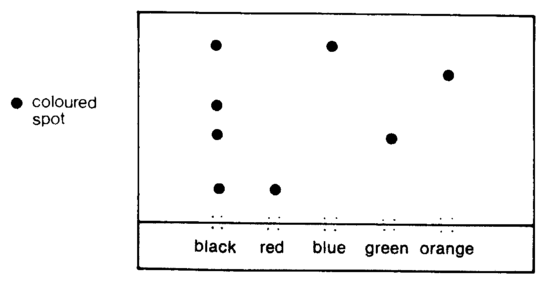
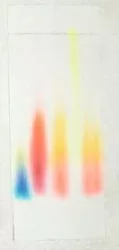
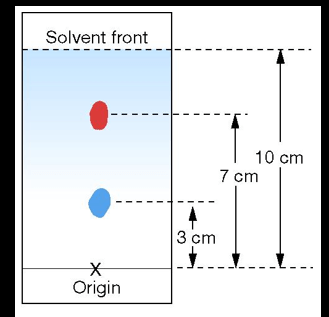

What is chromatography?
A way to see pretty colors
A laboratory technique used to separate a mixture.
A form of distillation
In paper chromatography, the LEAST soluble solute ____.
does not move from the start point
stays closest to the start point
travels furthest away from the start point
can be found in the middle of the chromatogram


Here is chromatography of markers with the paper placed in water. What is true.
Blue dissolves best in water.
Yellow dissolves best in water.
Green dissolves best in water.
Pink dissolves best in water
To separate a mixture of salt and water what separation method is used?
Filtration
Distillation
Chromatography
Evaporation to dryness
What is the method suitable to obtain pure water from seawater.
Simple distillation
Fractional distillation
Filtration
Evaporation to dryness

What is the separation technique for which this lab instrument is needed?
sieving
decanting
filtering
magnetic separation

How would you separate the substances shown in the picture (oil and water)?
by sieving
by decanting
by distillation
by filtering
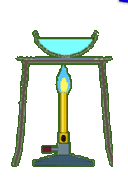


Name the separation technique
Filtration
Evaporation
Centrifuge
Distillation

