
 Worksheets
Hazards Symbols and SDS
Total questions: 30
Worksheet time: 18mins
What does SDS mean?
(a)
What does OSHA stand for?
(a)
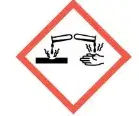
What is the name of the pictogram
(a)
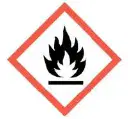
What is the name of the pictogram?
(a)
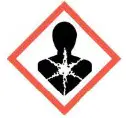
What is the name of the pictogram?
(a)
Flame over Circle hazard pictogram indicates that the chemical is a(n)...
Oxidizers
Danger to the environment
gas under pressure
flammable
What section of an SDS would have information on the supplier (Name, Address and Phone Number)
Section 1
Section 4
Section 16
Section 2
Which of the following signal words indicates a hazard that is more severe.
Which section on the SDS would you find the pictograms
Section 1
Section 4
Section 16
Section 2
Which of the following is written like a Hazard Statement.
Do not breathe vapor or mist.
Use only with adequate ventilation
Causes severe burns to mucous membranes
Keep away from children.
Which section in an SDS would contain the precautionary statements.
Section 1
Section 11
Section 3
Section 2
Which section of the SDS would contain the CAS number of the chemical
Section 1
Section 3
Section 11
Section 2
Which section in an SDS would contain information about routes of entry
Section 1
Section 4
Section 11
Section 16
Which section in an SDS would give advice on immediate care for someone who was exposed to the chemical?
Section 2
Section 5
Section 11
Section 4
Which section of the SDS would have recommendations for protective equipment for firefighters?
Section 4
Section 6
Section 5
Section 7
Which section of the SDS would contain information on how to clean up spills of the chemical
Section 2
Section 8
Section 7
Section 6
Which section of the SDS would have advice on specific storage requirements for the chemical
Section 7
Section 8
Section 6
Section 5
Which section of the SDS would have information on proper PPE for you?
Section 5
Section 6
Section 7
Section 8
Which section of the SDS would contain information on the physical properties of the chemical?
Section 11
Section 9
Section 13
Section 16
Which section of the SDS would contain test data about the chemical?
Section 8
Section 9
Section 10
Section 11
Which section of the SDS would tell you if the chemical was a carcinogen?
Section 9
Section 2
Section 10
Section 11
Which section of the SDS may contain the information needed to create a HMIS or NFPA Fire Diamond
Section 2
Section 6
Section 11
Section 16
On a NFPA Fire Diamond, one of the categories is Health Hazard. What would the number 1 indicate when using the Diamond?
Normal Material
Slightly Hazardous
Hazardous
Extreme Danger
Deadly
On a NFPA Fire Diamond, one of the categories is Flammable Hazard. What would the number 2 indicate when using the Diamond?
Will not burn.
Ignites above 200 degrees F
Ignites below 200 degrees F
Ignites below 100 degrees F
Ignites under 73 degrees F
On a NFPA Fire Diamond, one of the categories is Instability Hazard. What would the number 4 indicate when using the Diamond?
Stable
Unstable if heated
Violent chemical change needed to detonate
Shock and Heat may cause it to detonate
May detonate under normal conditions
A potential source of harm is called a
(a)
Which of the following is an example of a worm parasite?
Ringworm
Tapeworm
Flea
Giardia
What type of zoonotic hazard is Ringworm?
Virus
Bacteria
Fungi
Parasite
Which of the following is NOT an arthropod parasite?
Tick
Flea
Lice
Coccidia
Which chemical hazard would deprive the body of oxygen
Flammable Hazard
Carcinogen
Asphyxiant Hazard
Corrosive Hazard

