
 Worksheets
Components of Fitness
Total questions: 20
Worksheet time: 10mins

Which is NOT a component of fitness?
flexibility and mobility
cardiovascular endurance
creativity
muscular strength

What are BENEFITS of muscular strength?
improved body composition
injury prevention
heart health
all of these are benefits of muscular strength

What component of fitness is related to the ability of your heart and lungs to work efficiently?
power
muscular strength
flexibility
cardiovascular endurance

Muscular endurance is best described as:
The ability to lift heavy weights for a short period.
The ability to exert a maximum force in one effort.
The ability to sustain muscular contractions over an extended period.
The ability to move rapidly from one point to another.

Which component of fitness refers to the range of motion around a joint?
muscular strength
flexibility
speed
cardiovascular endurance

Body composition relates to:
The ratio of muscle mass to fat mass in the body.
The amount of muscle mass in the body.
The ability to balance the body.
The ability to react quickly to external stimuli.

What is the primary difference between muscular strength and muscular endurance?
Muscular strength is the ability to exert force quickly, while muscular endurance is the ability to sustain force over time.
Muscular strength is the ability to lift heavier weights, while muscular endurance is the ability to lift lighter weights.
Muscular strength is the ability to stretch the muscles, while muscular endurance is the ability to contract the muscles.
There is no difference; the terms are interchangeable.

The ratio of lean body mass to fat mass in the body is known as:
muscular strength
body composition
flexibility
coordination

Which of the following is not a component of fitness?
flexibiliity
muscular endurance
nutrition
mobility

What does "cardiovascular endurance" primarily measure?
Muscular strength of the heart
The ability to pump blood efficiently
The strength of the cardiac muscles
The ability to sustain physical activity over time

Which component of fitness is associated with the ability to perform activities without getting tired easily?
muscular strength
muscular endurance
cardiovascular endurance
flexibility

What is the primary purpose of flexibility in fitness?
To lift heavy weights
To prevent injuries
To increase reaction time
To improve cardiovascular endurance

Which component of fitness involves the ability to exert maximum force in one effort?
power
agility
muscular strength
coordination

How can you improve your cardiovascular endurance?
By lifting heavy weights
By practicing balance exercises
By engaging in activities that raise your heart rate for an extended period
By improving flexibility through stretching

Exercise has been shown to improve mental health by:
Decreasing stress and anxiety
Increasing sugar consumption
Reducing sleep quality
Worsening mood

Which of the following is a potential benefit of exercise for the cardiovascular system?
Lower resting heart rate
Decreased lung capacity
Increased risk of heart disease
Weaker heart muscles
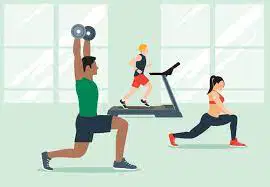
Regular exercise can enhance which of the following skills?
Procrastination
Time management
Problem-solving
Concentration and focus

What is MVPA?
my very peppy aunt
motor vehicle program auto
moderate to vigorous physical activity
mild to very physical activity

What is the typical range for resting heart rate in a healthy teenager?
10-20 beats per minute
50-70 beats per minute
90-110 beats per minute
130- 150- beats per minute

When measuring your heart rate, which of the following is the most accurate method for a high schooler to use?
Counting the number of breaths you take in one minute
Using a stopwatch to time how long it takes for your heart to beat 10 times
Placing your index and middle fingers on your wrist or neck to count your pulse for 15 seconds, then multiplying by 4
Guessing your heart rate based on how fast you feel your heart is beating

