
 Worksheets
EARTH'S PROCESSES QUIZ
Total questions: 31
Worksheet time: 17mins
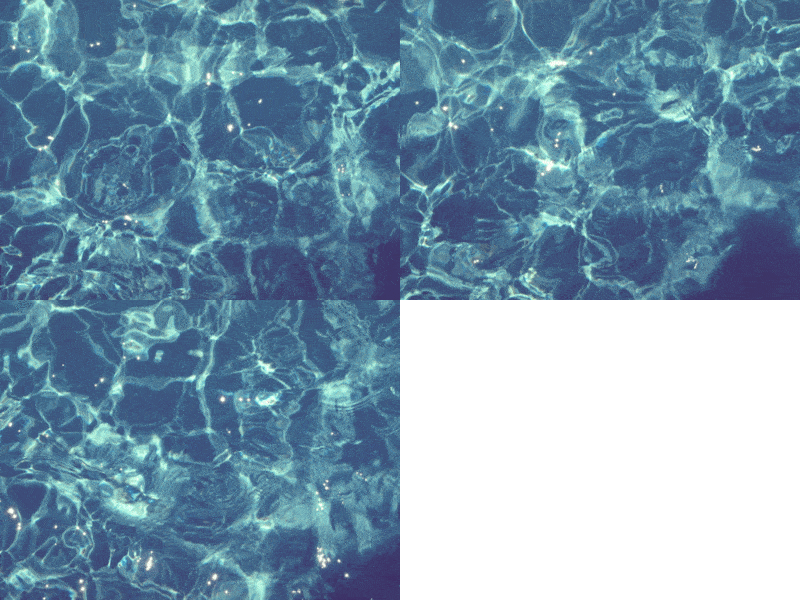
In a swimming pool, the water near the surface is slightly warmer. The warm water rises because of
Convection
Conduction
Radiation
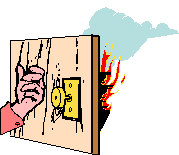
A fireman feels a door and it is hot. Why does his hand feel hot?
Convection
Conduction
Radiation
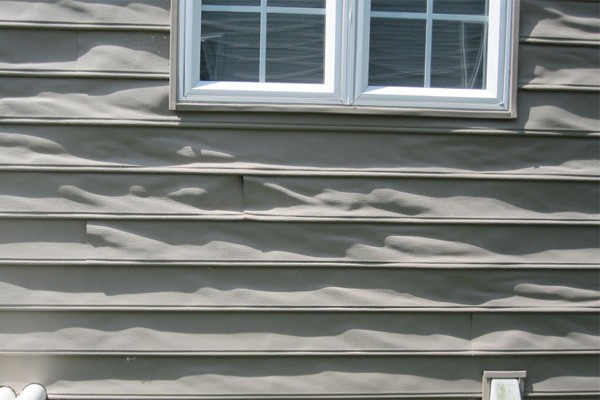
A house burns down. On the house across the street, all of the vinyl siding is twisted and warped by the heat. The heat was transferred across the street by
Convection
Conduction
Radiation
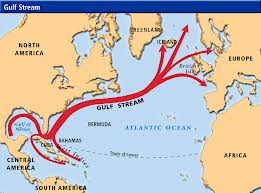
The Gulf Stream is a current that brings warm ocean water from the south to the north. How does the warmth get transferred?
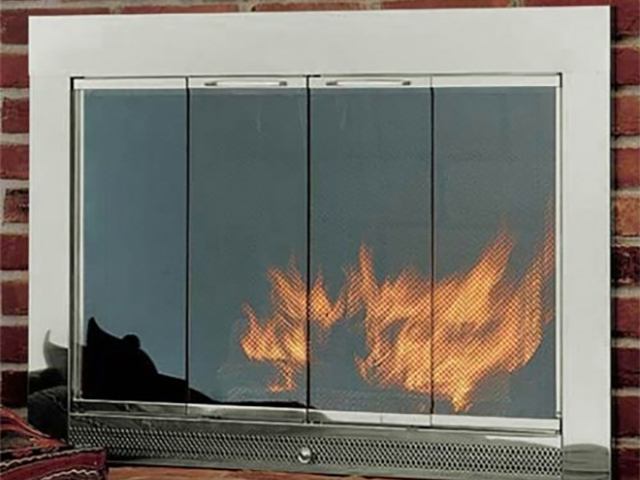
A chair is placed several feet from a fire in a fireplace. The fireplace has a glass screen. The side of the chair facing the fireplace gets warm because of
Convection
Conduction
Radiation
The cause of weather systems on earth is
Convection
Conduction
Radiation
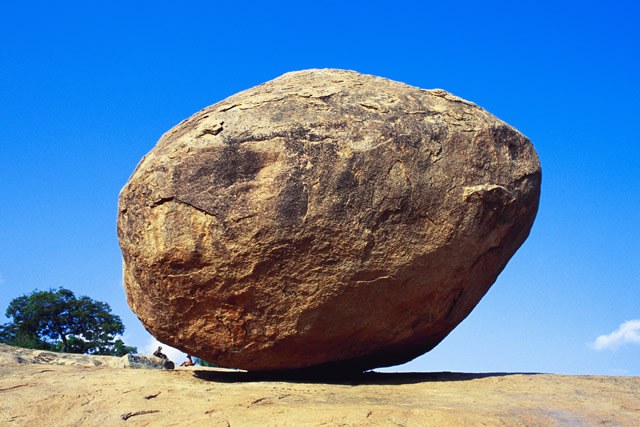
A huge boulder, at the state park gets, very hot during the day because of ________. At night, someone comes along and lays on the boulder. They get warm because of _________________.
Convection, Radiation
Radiation, Conduction
Radiation, Convection
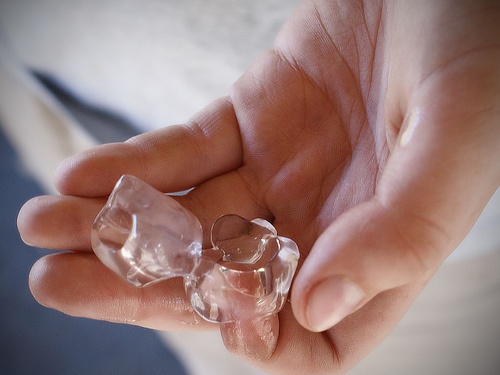
As you hold pieces of ice, they begin to melt. Are the ice cubes making the hands cold or are the hands making the ices warm?
The ice cubes are making the hands cold.
The convection of the air is making the ice cubes warmer.
The hands are making the ice cubes warmer.
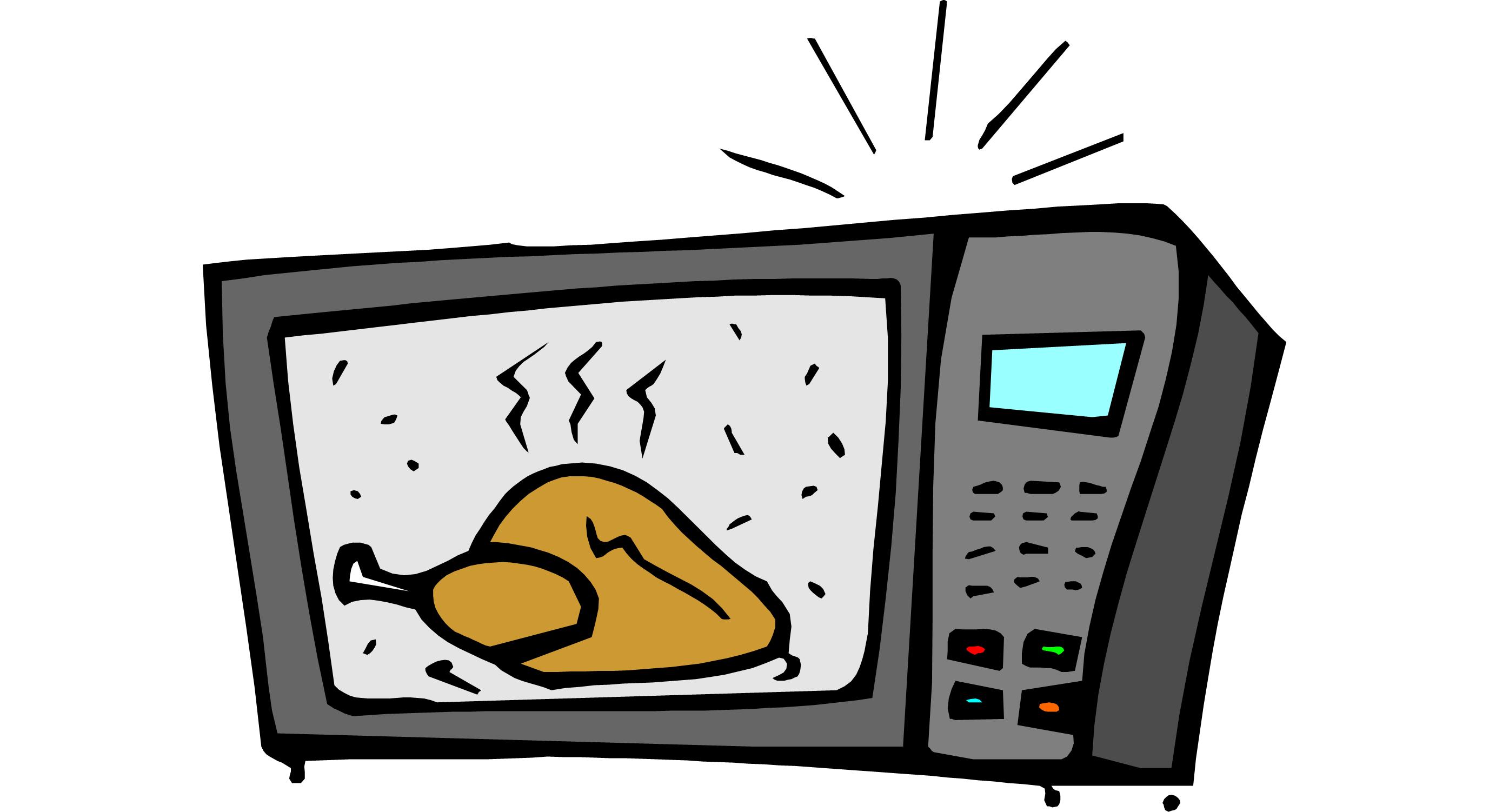
When you use a microwave, what is the main way that heat is transferred?
Convection
Conduction
Radiation


On a hot summer day, a student jumps in a pool to freshen up. Which of the following is the best explanation of why the student felt much better as soon as he jumped in the water?

In the lab, Kendra placed a metal stirring rod into a glass beaker of boiling water that was sitting on a stand above an open flame. Kendra leaned the metal rod against the side of the beaker. About 15 minutes later, she touched the rod and noticed it was very hot. Which of these statements best explains what caused the rod to get hot?
Heat was radiated from the flame to the metal rod.
Heat was conducted from the flame to the metal rod.
Heat was convected from the glass beaker to the metal stirring rod.
Heat was conducted from the boiling water to the metal stirring rod.

What is the jet stream?
Precipitation in Florida
Weather over a long period of time
Strong winds above the Earth's surface
Football flying over the Earth

Winds are caused by
equal heating
unequal heating

A narrow band of fast moving winds high in the atmosphere that move from west to east
Jet Stream
doldrums
equator
polar easterlies

Which best describes a characteristic of the jet stream?
It forms a boundary between a cold air mass and a warm air mass.
It creates the high winds around the eye of a hurricane.
It forces the hot air along the equator to rise to areas in North
America.
It causes high pressure air masses to rotate clockwise.

What will most likely result when the jet stream moves south of North
Carolina?
North Carolina will experience tropical weather conditions.
North Carolina will experience hot, dry weather.
North Carolina will experience mild weather.
North Carolina will experience cold weather.

What are trade winds?
winds that blow from west to east between 30 and 60 degrees latitude in both hemispheres
winds that blow from 30 degrees latitude almost to the equator in both hemispheres
area around the equator where there is very little wind ("dull", "sluggish")
area around 30 degrees where there is very little wind
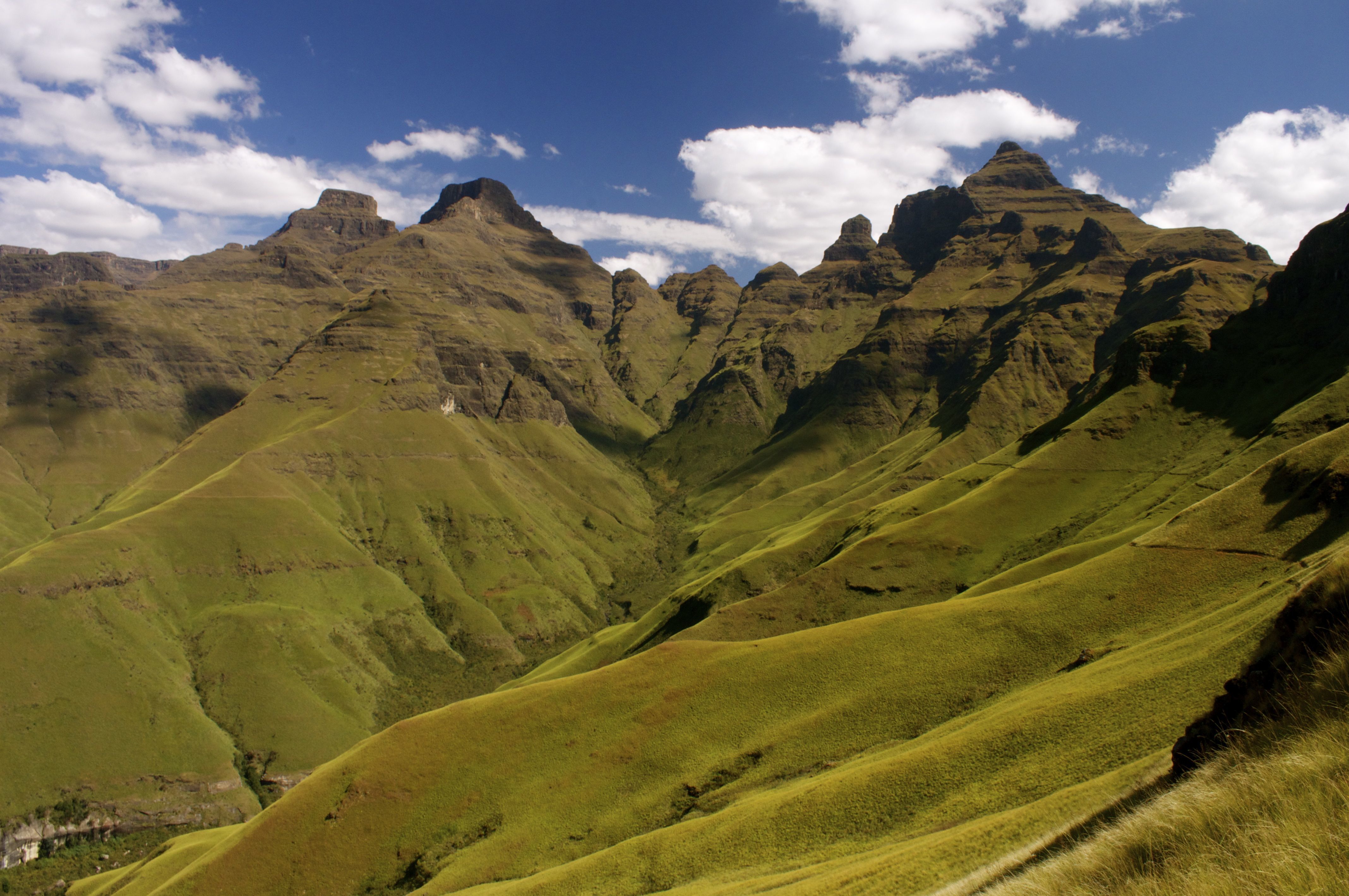
This sphere, sometimes called the lithosphere, includes the continents, the ocean floor, all the rocks on the surface, and all of the sand in the deserts.
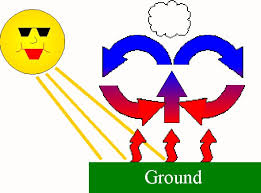

Name the type of heat transfer shown in the picture.
convection
conduction
radiation

Which statement is true?
Water takes longer than land to heat up and cool down.
Land takes longer than water to heat up and cool down.
Water and land heat up and cool down at the same rate.
Describe convection in the simplest way possible
Heat rises, cold falls
Cold rises, heat falls
Heat moves things, cold doesn't move
Heat and cold move up

