
 Worksheets
Quarter One Review
Total questions: 72
Worksheet time: 2hrs 31mins
A land bridge that allowed people to migrate during the Ice Age from Asia to the Americas was called
the Pacific Coast Migration theory
cultural region
the Beringia/Bering Land Bridge theory
the migration
People migrated because they were following
their food source (mammoths)
clothing supplies
flint spearheads
boats
Why did Native Americans groups in different regions develop different types of housing?
They needed to follow their food source.
They developed different homes to survive in the weather and climate of the region.
The developed different homes to make their religious ceremonies last for a period of time.
They developed different ways to travel from place to place.
Why did Native Americans groups develop different clothing?
To follow their food source.
To create a common culture.
To hunt different animals.
To adapt to their environment.
What type of shelter did some tribes in the Southwest region build?
apartment style homes made from adobe
plank houses
longhouses
teepees (tepees)
What was one way Native Americans tribes in all regions used the animals they hunted?
made clothing
used for weapons
ate the animals
all of the above
The land bridge was a ___________________ that was used to explain how migration occurred.
theory
question
hypothesis
Tribes in the Eastern Woodlands lived in an environment that
was in the tundra and very cold.
included forests, mountains, and waterways.
was right on the coast of what is now the U.S.
was very hot and dry.
Between which two continents (where) ___________ to (where) _____________ did the migration occur?
Asia to America
America to Africa
Europe to America
Canada to Asia
People who wander from place to place and have no settled home are called
migration.
glacier.
origin story.
nomads.
Archaeologists study _____________________ to learn about the cultures and way of life of ancient peoples
theory
culture
climate
artifacts
How do scientists think people migrated from Asia to the Americas during the last Ice Age?
They sailed across a narrow strait.
They traveled south from Canada.
They traveled across a land bridge.
They sailed to Mexico and then drifted north. D. They sailed to Mexico and then drifted north.
The Clovis and Costal People are the main two groups of people who arrived in North America.
True
False

Where did the costal people arrive in North America?
South America
Pacific coastline(British Columbia, California)
New York City
Florida
Evidence of Clovis people in North America included....
Bones\Arrowheads specific to the Clovis culture
Large Boats to travel down the coast
Footprints on Beringia
A period of time when vast glaciers (ice sheets) cover most of the Earth
Christopher Columbus
Clovis People
Ice Age
Western Hemisphere
Which American Indian group lived in the Northern Woodlands and built dwellings known as longhouses?
The Calusa
The Iroquois
The Nootka
The Puebloans
Which of the following was a role of women in American Indian societies?
Hunting and leading warfare
Trading with other American Indian groups
Making clothing and other household goods
Protecting the community from enemies
Which of the following generalizations about American Indian religions is true?
Very few American Indian groups were very religious.
Religious wars were common among American Indian groups.
Many American Indian groups believed that animals and the earth had spirits.
Many American Indian groups adopted their religions from Asian civilizations.
What type of food would be very important to tribes of the Great Plains?
corn
fish
bison/buffalo
deer
Why did the Iroquois form a confederacy?
To prevent war and keep peace between the tribes
To trade
So they could meet and arrange marriages
So they could share ideas
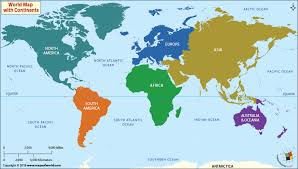
What continents are in the Old World?
North America
South America
Europe
Asia
Africa
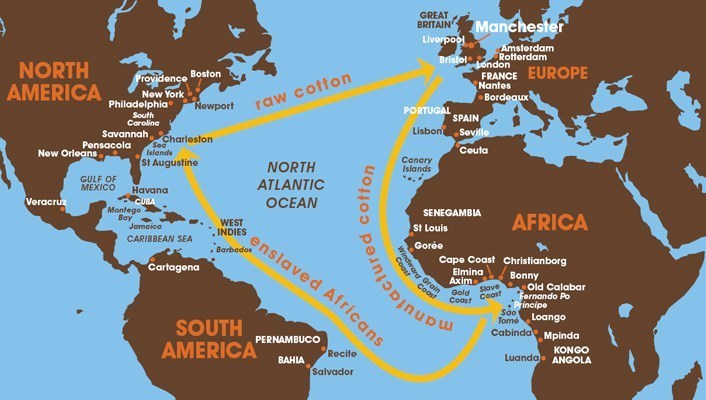
What was the journey from Africa to the New world called?
Old Passage
New Passage
Middle Passage
Slave Passage


Who is a European?
someone who likes rope
someone who came from countries such as Spain, France, England, etc.
someone who came from the United States
there are no Europeans

As native populations decreased in the Americas from sickness and overwork, Europeans looked for new sources of labor by enslaving the ____________.
Africans
Spanish
Portuguese
Americans

Where is Jamestown located?
West Virginia
Maryland
Rhode Island
Virginia
The settlers were prepared for life in Jamestown.
True
False
What year did the colonist settle in Jamestown?
1607
1706
1608
1886
What did the settlers name the river they traveled to find their settlement site?
James River
Hudson River
Trinity River
Brazos River
The settlers started getting sick. What caused the sickness?
Brackish water
bug bites
diseases
all of the above
Who was John Smith
leader of the new colony
travel guide of the new found land
banker from London
farmer
The winter of 1609-1610 became know as the
early voting season
wedding season
starving time
white winter
What kind of crop grew well around Jamestown and became the colony's first cash crop to England?
tabacco
cotton
corn
rice
A cash crop is
the practice of farming
a crop grown to make money
farming for money
a fort of crops
The boat on which the Pilgrims sailed to New England on was called
Nina
Pinta
Santa Maria
Mayflower
People who wanted to purify, or change the Church of England were called
Separatists
Puritans
Commoners
Pilgrims
This document explained how the Pilgrims would govern themselves by working together and holding meeting to talk about important issues.
Nina Contract
Mayflower Contract
New England Compact
Mayflower Compact
What did the Pilgrims call their new settlement?
Jamestown
Roanoke
Plymouth
St. Augustine
The first winter in Plymouth was
harsh
many colonists got sick
many colonists died
all of the above
Who was the first governor of Plymouth?
William Bradford
John Smith
Massasoit
Sir Walter Raleigh
Which Native American tribe lived near Plymouth?
Plains Indians
Birchbark
Chitimacha
Wampanoag
Who was the chief of the Wampanoag?
Massaoit
Rolfe
Pocahontas
Dorchester
Who was the leader of the Puritans?
King Charles I
John Winthrop
John Smith
King James II
Select all that apply:
The Massachusetts Bay Company moved to New England which meant
England had less control over the company
England had less control over the colony's government
England was in charge
England could make them follow all of their laws
Which two things did the Puritans believe to be important?
Choose TWO
Farming
Church
Exploring
Education
Select all that apply:
If you did not obey the church teachings of the Puritans, what could happen
Public punishment
Pay a fine
Sent to jail
Kicked out of the colony


A period during the 1400’s and 1500’s in which many explorers sailed the ocean and mapped the world.
Age of Empires
Age of Exploration
Bronze Age
Caravel
A settlement made by a parent company.
City
Astrolabe
Caravel
Colony
What is the Atlantic Slave Trade?
The Atlantic Slave Trade was the forced transportation of African people to the Americas to work as slaves during the 15th to 19th centuries.
The Atlantic Slave Trade was the colonization of Africa by European powers during the 15th to 19th centuries.
The Atlantic Slave Trade was the exchange of goods between Africa and the Americas during the 15th to 19th centuries.
The Atlantic Slave Trade was a voluntary migration of African people to the Americas for better economic opportunities.
What were the main reasons for the Atlantic Slave Trade?
Political reasons, cultural exchange, religious beliefs
Lack of available labor, shortage of African slaves, environmental factors
Desire for power, technological advancements, geographical factors
Demand for labor, availability of African slaves, economic benefits
How were slaves captured and transported during the Atlantic Slave Trade?
Slaves were captured through raids, warfare, and kidnapping, and transported on slave ships.
Slaves were captured through voluntary agreements and transported on passenger ships.
Slaves were captured through lottery systems and transported on cruise ships.
Slaves were captured through peaceful negotiations and transported on merchant ships.
What were the conditions like for slaves during the Atlantic Slave Trade?
Conditions for slaves during the Atlantic Slave Trade were comfortable and luxurious.
Conditions for slaves during the Atlantic Slave Trade were extremely harsh and inhumane.
Conditions for slaves during the Atlantic Slave Trade were similar to that of free citizens.
Conditions for slaves during the Atlantic Slave Trade were fair and just.
What was the goal of mercantilism?
To control trade and gain wealth
Make colonies wealthy
Import many goods from other nations
Share wealth with other nations
Why were colonists only allowed to trade with their mother country?
The colonists did not know other countries existed
The mother country can gain more wealth
The colonists were prideful
The mother country can share their wealth
The economic policy that made the "mother country" rich by not letting colonies trade with anyone else was known as...
Salutary Neglect
Free Market System
Capitalism
Mercantilism

What economic principle is illustrated in the image below?
Captialism
Feudalism
Socialism
Mercantilism

