
 Worksheets
Amplify Plate Motion
Total questions: 51
Worksheet time: 4hrs 15mins
What is the effect of plates moving? / ¿Cuál es el efecto de las placas en movimiento?
volcanoes / volcanes
tornadoes / tornados
earthquakes / temblores
both volcanoes and earthquakes / tanto volcanes como terremotos.

The plates of the Earth moved / Las placas de la Tierra se movieron
suddenly / de repente
gradually / gradualmente

Which terms describe this plate boundary? / ¿Qué términos describen este límite de placa?
Convergent / Convergente
Transform / transformar
Divergent / divergente
Mid-ocean drift / Deriva en medio del océano

What patterns can you see on this map? / ¿Qué patrones puedes ver en este mapa?
Earthquakes happen in similar places / Los terremotos ocurren en lugares similares.
Volcanoes happen in similar places. / Los volcanes ocurren en lugares similares.
Earthquakes and volcanoes happen in similar places on plate boundaries. / Los terremotos y volcanes ocurren en lugares similares en los límites de las placas.
Volcanoes and earthquakes happen in this order: volcano, earthquake, volcano, earthquake, and so on. / Los volcanes y terremotos ocurren en este orden: volcán, terremoto, volcán, terremoto, etc.

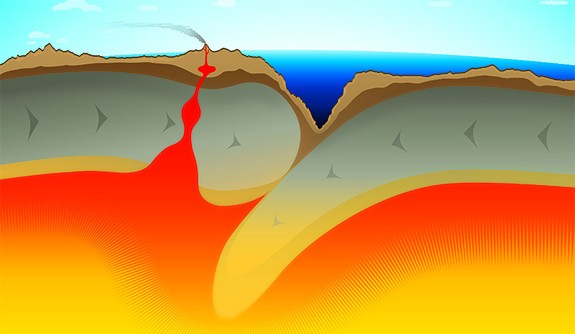
What happens when two plates are moving toward each other? / ¿Qué sucede cuando dos placas se mueven una hacia la otra?
The plates hit each other and break into pieces making sand. / Las placas se golpean entre sí y se rompen en pedazos formando arena.
The plates push against each other, making the edges bend upward. / Las placas se empujan unas contra otras, haciendo que los bordes se doblen hacia arriba.
One plate goes underneath the other plate into the soft rock below. / Una placa va debajo de la otra placa en la roca blanda de abajo.
One plate goes underneath the other plate into the ocean below. / Un plato va debajo del otro plato en el océano de abajo.

What happens when two plates move apart? / ¿Qué sucede cuando dos placas se separan?
a new plate from underneath fills in the gap created by the plates moving apart / una nueva placa desde abajo llena el espacio creado por las placas que se separan.
water fills in the gap created by the plates moving apart / el agua llena el espacio creado por las placas que se separan.
sand and dirt fill in the gap created by the plates moving apart / la arena y la suciedad llenan el espacio creado por las placas que se separan.
soft, solid rock from underneath the plates rises up and hardens, adding solid rock to the edges of both plates. / La roca blanda y sólida de debajo de las placas se eleva y se endurece, agregando roca sólida a los bordes de ambas placas.
Name the three types of plate boundaries. / Nombra los tres tipos de límites de placa.
convergent, divergent, transform / Convergente, divergente, transformada
divergent, insurgent, allegient / divergente, insurgente, leal
convergent, divergent, transformers / convergentes, divergentes, transformadores.
conduction, convection, radiation / conducción, convección, radiación

Who is the person credited with developing the theory of continental drift? / ¿A quién se le atribuye el desarrollo de la teoría de la deriva continental?
Harry Hess
Alfred Wegener
Galileo
Newton

Most geologists think that the movement of Earth’s plates is caused by _______ / La mayoría de los geólogos piensan que el movimiento de las placas de la Tierra es causado por _______
convection / convección.
continental drift / deriva continental.
subduction / subducción.
conduction / conducción.

According to the continental drift theory, a single, huge continent once existed called / De acuerdo con la teoría de la deriva continental, una vez existió un continente enorme y único llamado.
Pangaea
Wegener
Panthalassa
Euraisa
Fossils can also give evidence for a Pangaea theory / Los fósiles también pueden dar evidencia de una teoría de Pangea
True / Verdadero
False / Falso
When a fossil of an animal is found on almost all continents, then it supports / Cuando se encuentra un fósil de un animal en casi todos los continentes, es compatible con
the idea of a traveling animal / la idea de un animal viajero
the idea of a flying animal / la idea de un animal volador
the idea of a connected original continent / la idea de un continente original conectado.

The Lystrosaurus fossils can be found in India and South America, which are parts of different plates. This is a land animal that can not swim. What could explain how these fossils got so far apart? / Los fósiles de Lystrosaurus se pueden encontrar en India y América del Sur, que son partes de diferentes placas. Este es un animal terrestre que no sabe nadar. ¿Qué podría explicar cómo estos fósiles se separaron tanto?
The plates slowly moved apart as soft solid rock from underneath got added to the edges of the plates over millions of years. / Las placas se separaron lentamente a medida que la roca sólida blanda de debajo se agregó a los bordes de las placas durante millones de años.
The plates slowly moved apart as new plates from underneath got added between them over millions of years. / Las placas se separaron lentamente a medida que se añadieron nuevas placas desde abajo entre ellas durante millones de años.
The plates floated away from each other. / Los platos flotaron alejándose unos de otros.
The plates were sometimes pushed far apart by earthquakes and soft solid rock from underneath got added to the edges of the plates. / Las placas a veces se separaban mucho por los terremotos y la roca sólida blanda de debajo se agregaba a los bordes de las placas.

What is Earth's outer layer undenearth the surface in the image? / ¿Cuál es la capa exterior de la Tierra debajo de la superficie en la imagen?
sand and water / arena y agua
sand / arena
water / agua
hard solid rock / roca sólida dura
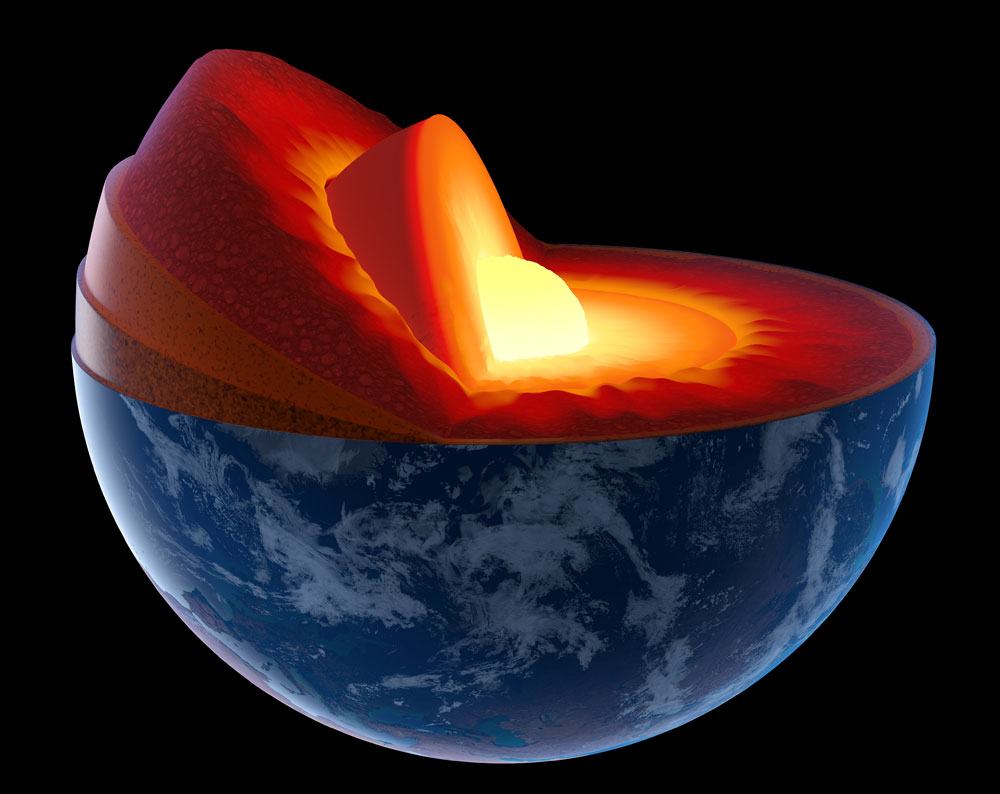
Cross Section/Sección transversal
A diagram that shows what the inside of something looks like./Un diagrama que muestra cómo se ve el interior de algo.
A diagonal portion of a larger object./Una porción diagonal de un objeto más grande.
When two line are drawn over each other at a 900 angle./Cuando se dibujan dos líneas una sobre la otra en un ángulo de 900.
A piece of a pizza./Un trozo de pizza.
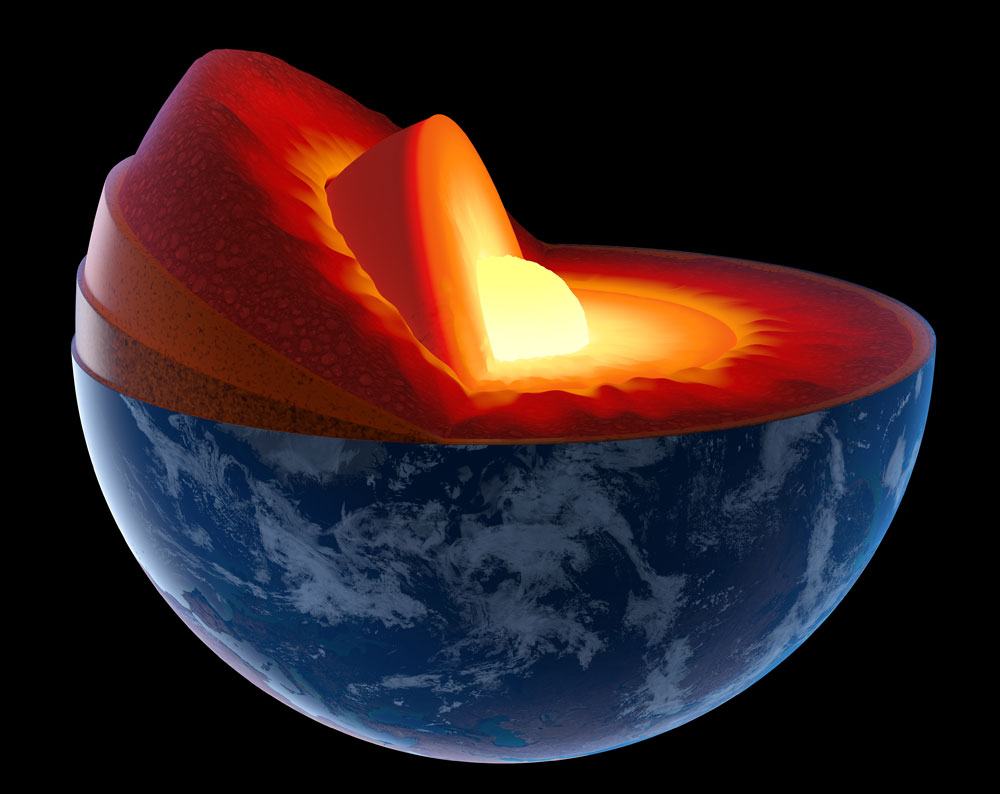
Outer Layer/Capa exterior
Crust/Corteza
Mantle/Manto
Outer Core/Núcleo externo
Inner Core/Núcleo central
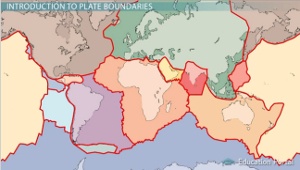
Plate Boundary/Límite de placas
The place where two plates meet; most volcanoes and earthquakes occur here./El lugar donde se encuentran dos placas; la mayoría de los volcanes y terremotos ocurren aquí.
The location where the food falls onto the table./El lugar donde cae la comida sobre la mesa.
Where one country ends and another begins./Donde termina un país y comienza otro.
The edge of your patella./El borde de tu rótula.
Tectonic Plate/Placa tectonica
One of the very large sections of hard rock that make up Earth's outer layer./Una de las secciones muy grandes de roca dura que forman la capa exterior de la Tierra.
A new song release from "P-late."/Lanzamiento de una nueva canción de "P-late".
An object that is used for serving food on./Objeto que se utiliza para servir comida.
Round, smooth portions of the Mantle./Porciones redondas y lisas del Manto.
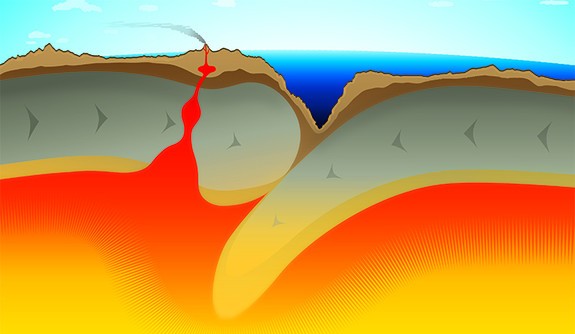
Convergent?/Convergente
Divergent?/Divergente
Transform?/Transformar
Classic/clásica
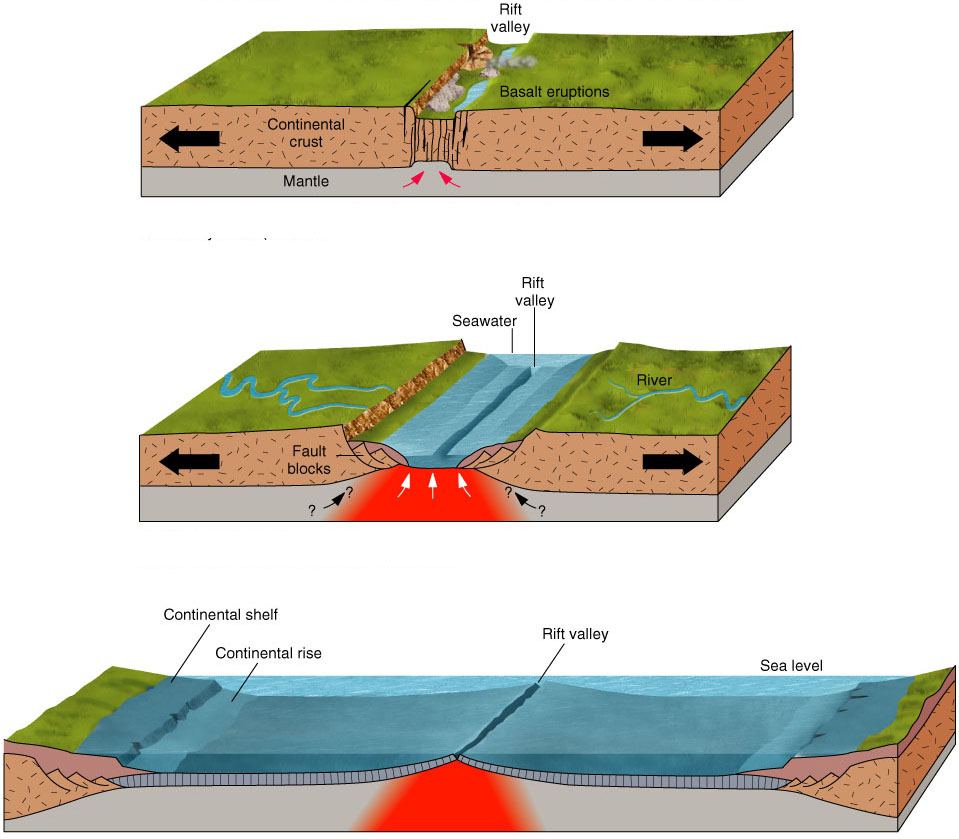
Divergent?/Divergente
Convergent?/Convergente
Transform?/transformar
Classic?/clásica
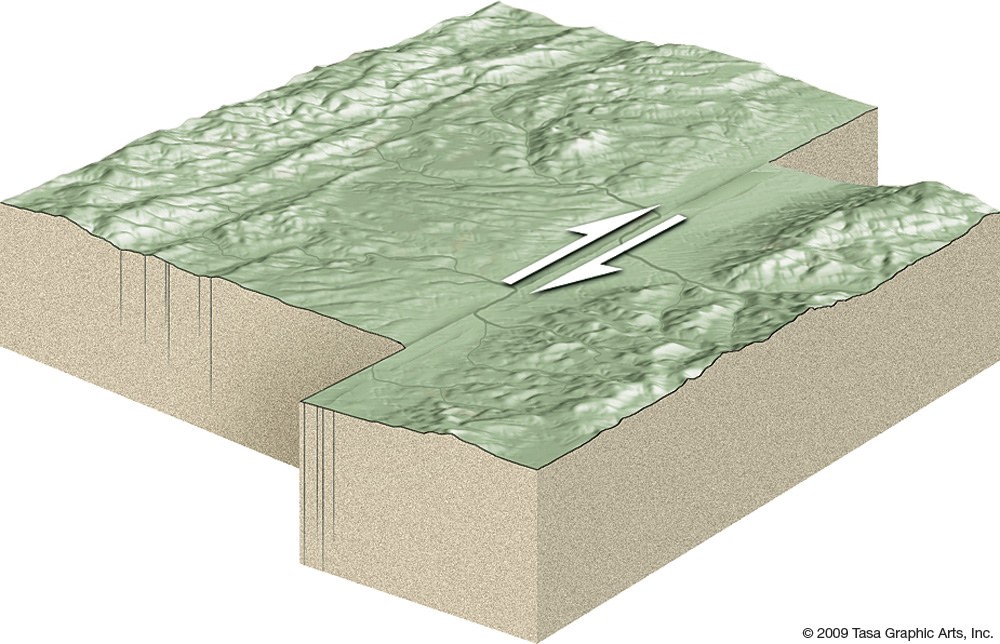
Transform?/Transformar
Divergent?/Divergente
Convergent?/Convergente
Classic?/Classica
Mid-Ocean Ridge?/Cordillera oceánica?
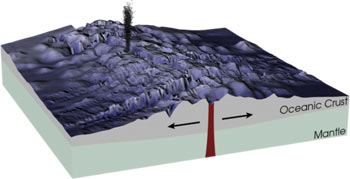
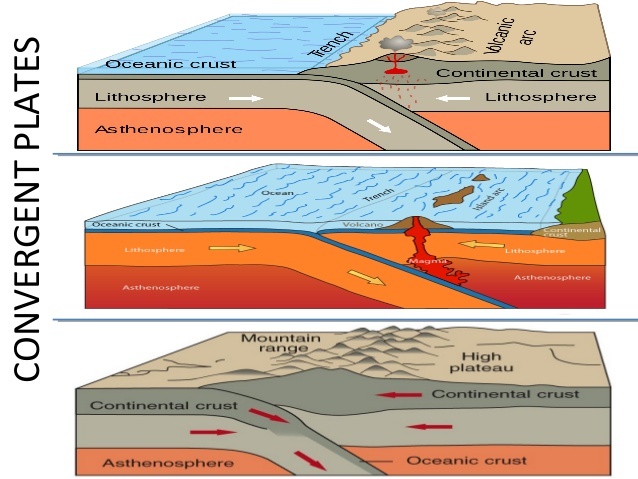
Continental volcanoes are created by.../Los volcanes continentales son creados por...
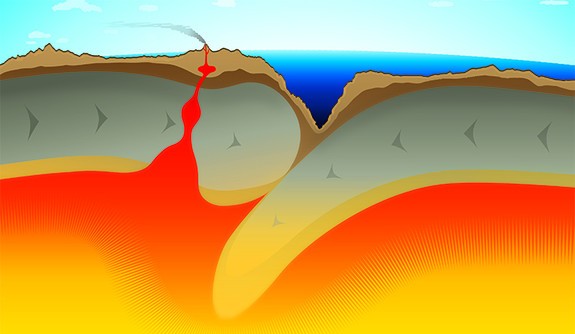
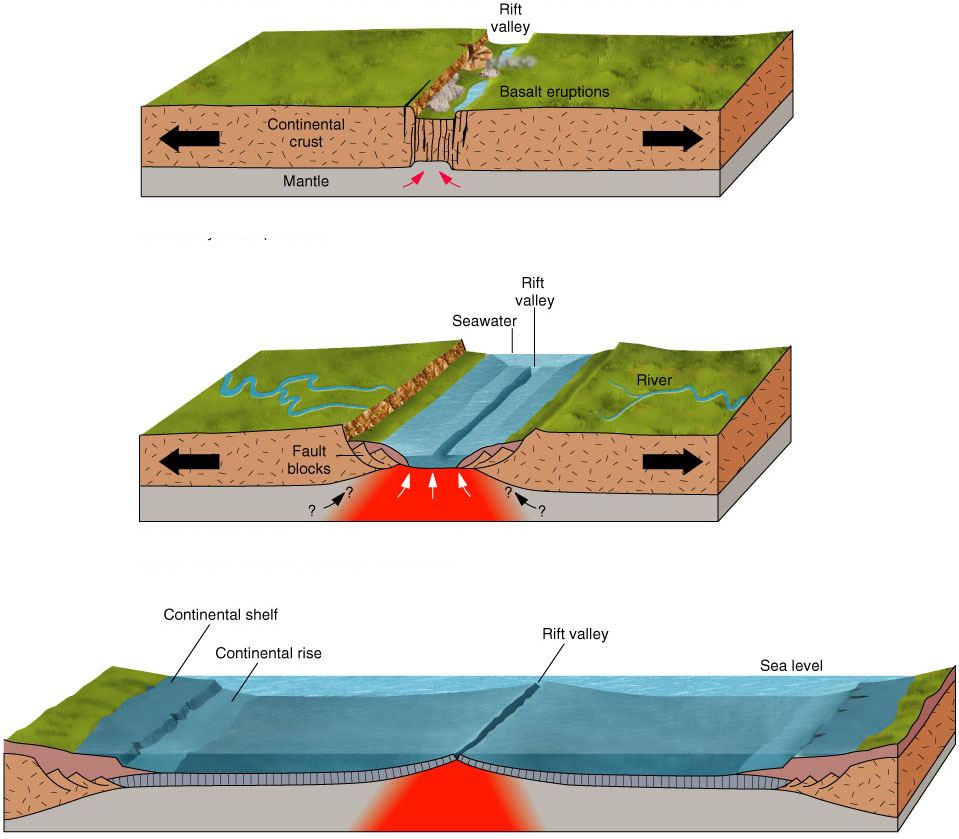
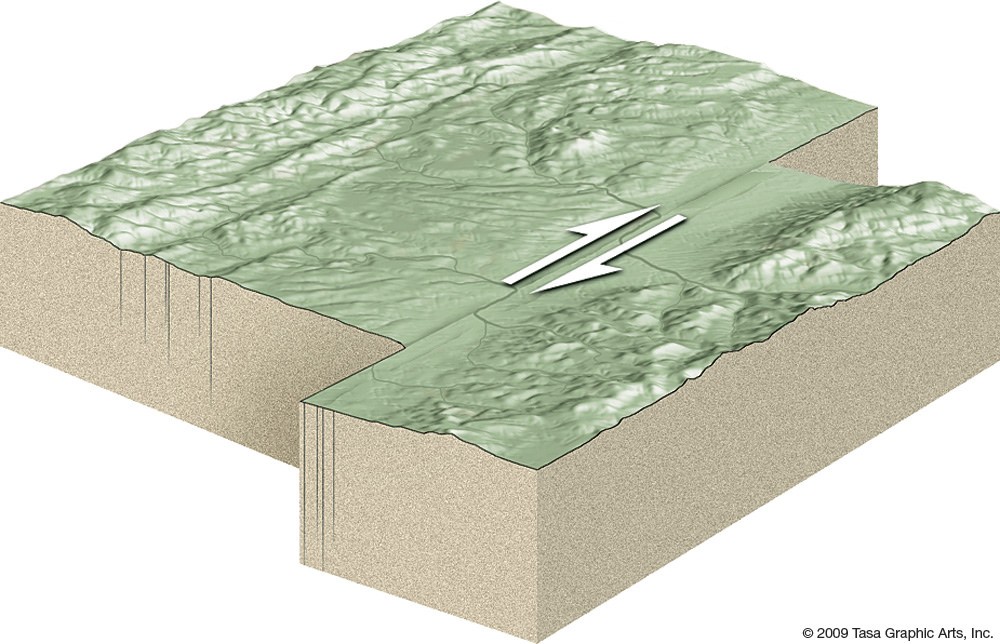
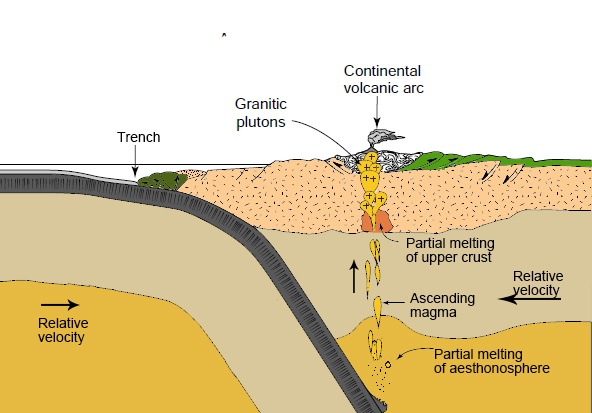
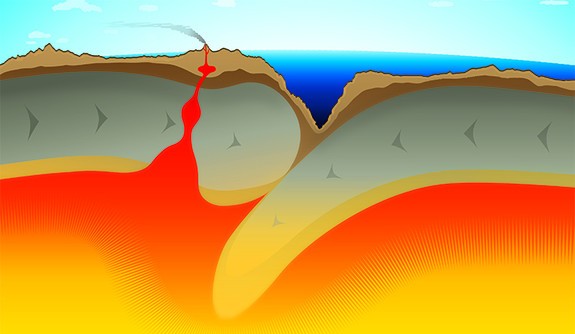
At which boundary do you find a trench?/¿En qué límite encuentras una trinchera?
Transform/Transformar
Divergent/Divergente
Convergent/Convergente
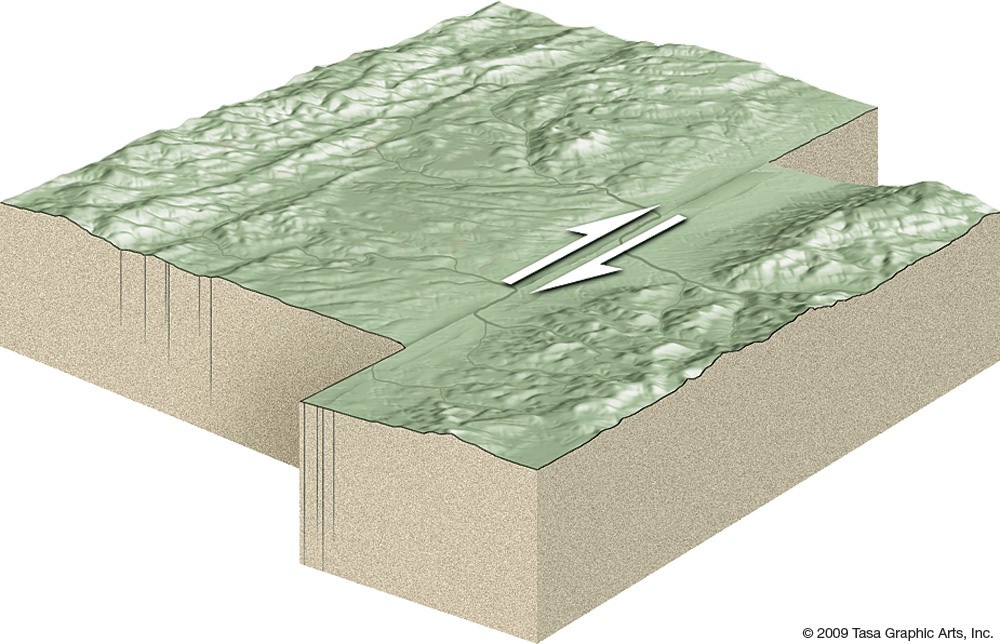
Strike-Slip/Deslizamiento huelga
Which statement best describes Earth's outer layer?/¿Qué afirmación describe mejor la capa exterior de la Tierra?
Earth's outer layer is made up of a soft solid material./La capa exterior de la Tierra está formada por un material sólido blando.
Earth's outer layer is made up of hard, solid rock./La capa exterior de la Tierra está formada por roca dura y sólida.
Earth's outer layer is a combination of hard, solid rock and a soft, solid material./La capa exterior de la Tierra es una combinación de roca dura y sólida y un material blando y sólido.
Earth's outer layer is made up of hard, solid rock or water; it depends on where you go./La capa exterior de la Tierra está formada por roca dura y sólida o agua; depende de donde vayas.

The team is drilling underground at sites 1 and 2. Where will the team find hard, solid rock?/El equipo está perforando bajo tierra en los sitios 1 y 2. ¿Dónde encontrará el equipo roca dura y sólida?
They will find hard, solid rock below site 1. At site 2, they will find water and sand./Encontrarán roca dura y sólida debajo del sitio 1. En el sitio 2, encontrarán agua y arena.
They will find hard, solid rock below site 2. At site 1, they will find plants and soil./Encontrarán roca dura y sólida debajo del sitio 2. En el sitio 1 encontrarán plantas y tierra.
They will find hard, solid rock below both sites./Ellos encontrarán roca dura y sólida debajo de ambos sitios.
They will find hard solid rock at neither of these sites; they will find water below both of them./No encontrarán roca dura y sólida en ninguno de estos sitios; encontrarán agua debajo de ambos.
Which is the best definition of a "plate" in this unit? /¿Cuál es la mejor definición de "plato" en esta unidad?
The parts of Earth's outer layer that rise up above the ocean water./Las partes de la capa exterior de la Tierra que se elevan por encima del agua del océano.
The small pieces of solid rock that float in the ocean, forming islands and continents./Los pequeños trozos de roca sólida que flotan en el océano formando islas y continentes.
The single, undivided sheet of hard, solid rock that covers the planet./La única lámina indivisa de roca dura y sólida que cubre el planeta.
One of the large sections of hard, solid rock that make up Earth's outer layer./Una de las grandes secciones de roca dura y sólida que forman la capa exterior de la Tierra.
Earth's plates are a __________ solid material. Earth's mantle is a ________ solid material./Las placas de la Tierra son un material sólido __________. El manto de la Tierra es un material sólido ________.
Soft; hard/Suave; duro
Hard; soft/Duro; suave
Soft; soft/Suave; suave
Hard; hard/Duro; duro

One of the very large sections of hard, solid rock making up Earth's outer layer?/¿Una de las secciones más grandes de roca dura y sólida que forma la capa exterior de la Tierra?
Mantle/Manto
Pattern/Patrona
Inner core/Núcleo interno
Plate/Lámina
The pieces that make up Earth's surface are called…?
Jigsaw puzzle
Pattern
Plate boundary
Tectonic Plates
What is a plate boundary?
The single point where Earth's plates have motion.
The place along which two plates meet.
Long lines on the ground that cause the plates to move.
The only location on Earth where earthquakes are possible.
An earthquake is…
the slow plate motion that is constantly happening to the plates.
the sudden shaking of Earth's surface.
the reason that plates have any motion.
a mild geologic hazard.
Plate motion is caused by earthquakes that push the plates around.
True
False

What best describes Earth's mantle?
Liquid, melted rock below the outer layer.
The hard, solid rock beneath the plates.
Liquid, melted rock on which the plates move.
The soft, solid rock on which the plates move.
Geologists look for _____ in geologic events and landforms to better understand Earth's outer layer.
Solutions
Unexpected changes
Patterns
Fossils

Which sentence about earth's outer layer is true?
When the plates of the outer layer move, there are places were the mantle is exposed to the air and water at the surface.
Although the plates of the outer layer move, the mantle is always above the outer layer and is closer to the air and water at the surface.
The outer layer is always made up of hard solid rock. The mantle is always below the outer layer, and is not exposed to the surface.
The outer layer is sometimes made of hard solid rock, and sometimes made of soft solid rock. It depends on how much magma is rising up from the mantle.
Earthquakes are caused by plate motion. The plates are constantly moving, and this sometimes causes sudden shaking at the surface.
True
False



