
 Worksheets
Year 8 Earth Science
Total questions: 81
Worksheet time: 1hrs 5mins


Intrusive forms_________crystals

Does this rock have large or small crystals?
large crystals
small crystals

Does this rock have large or small crystals?
large crystals
small crystals

Where is magma located?
above ground
below ground
in the stratosphere
in the thermosphere

Where is lava located?
above ground
below ground
in the core
in the mantle

Describe the type of formation for the following igneous rock.
intrusive
extrusive

Describe the environment of formation for the following igneous rock (grain size 1-10 mm).
above ground
below ground

Describe the environment of formation for the following igneous rock (grain size < 1 mm).
above ground
below ground
Metamorphic rocks form from...
Cementing and Compaction of Sediments
Melting of Magma
Cooling of Magma
Heat and Pressure
Metamorphic rocks that form strictly from intense pressure show mineral alignment. This texture is called...
Foliated
Nonfoliated
Metamorphic rocks that form strictly from intense heat do not show mineral alignment. This texture is called....
Foliated
Nonfoliated
Metamorphism that covers a massive region of the Earth's surface (like a mountain range) is what type of metamorphism?
Regional
Metamorphism
Contact Metamorphism
Metamorphism due to intense heat from lava or magma is called....
Regional
Metamorphism
Contact Metamorphism
Gneiss is the most intense metamorphism that can be observed. It is the greatest heat and pressure that can be placed on a rock. If gneiss is put under even higher heat, what will happen and what type of rock could it become?
It Would Turn Into Sedimentary rock and It Would Melt
It Would Turn Into Metamorphic rock and It Would Melt
It Would Turn Into Igneous rock and It Would Melt
It would melt and become magma
What does Sandstone metamorphose into?
Anthracite Coal
Quartzite
Marble
Slate
What does Limestone metamorphose into?
Anthracite Coal
Quartzite
Marble
Slate
What does Shale metamorphose into?
Anthracite Coal
Quartzite
Marble
Slate
Hornfels is a really unique rock because it forms from any other rock type. Which of the following rocks would turn into Hornfels
Conglomerate
Granite
Schist
All of these can turn into Hornfels

What is the texture of this rock?
Foliated
Nonfoliated
Which term describes the crystals in a metamorphic rock?
Cementation
Interlocking Crystals
Recrystalization
Solidification
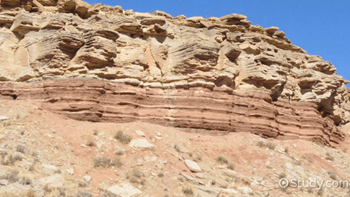
What factors can lead to the formation of a sedimentary rock?
melting and solidification
extreme heat and pressure
compaction and cementation
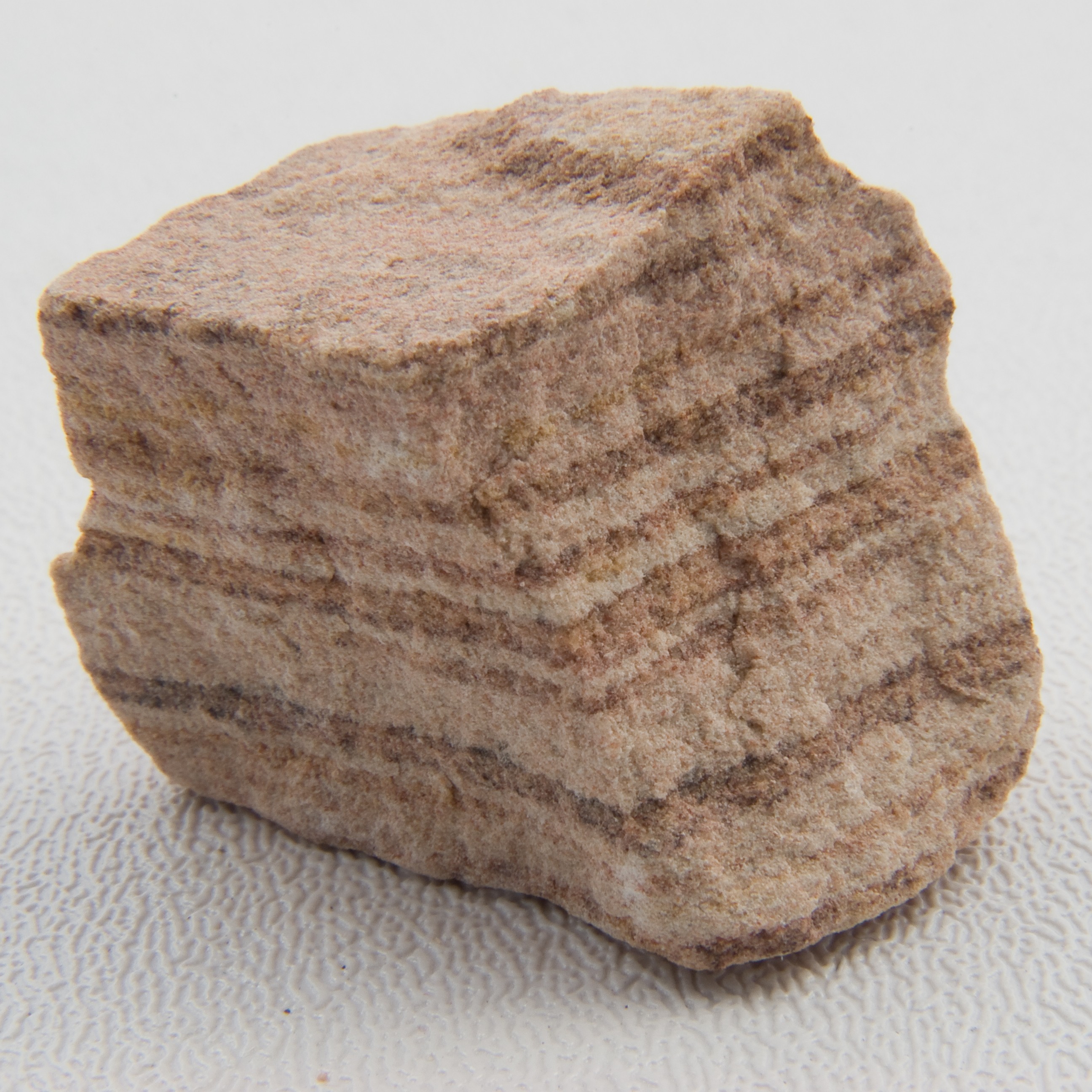
Describe the method of formation for sandstone.
melting and solidification
compaction and cementation
evaporation and precipitation
extreme heat and pressure
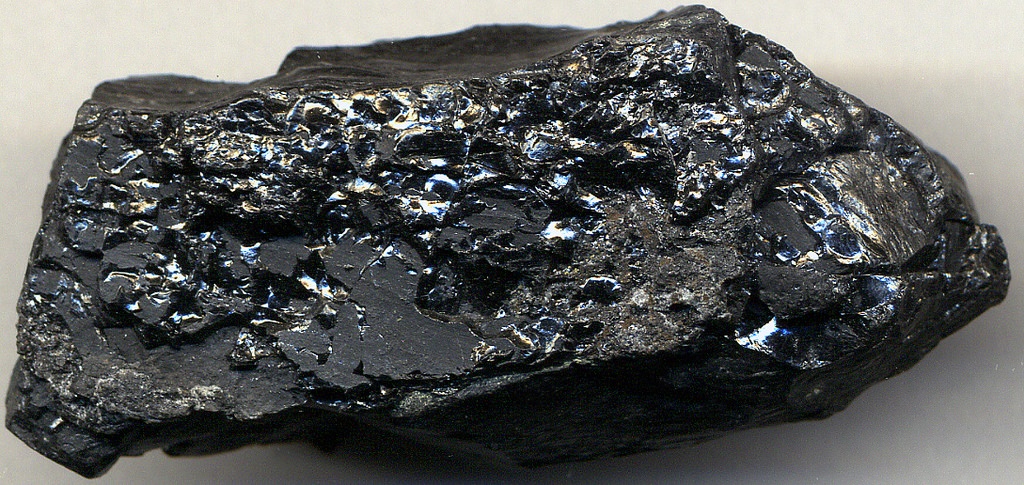
Which of the following is an organically formed sedimentary rock?
obsidian
coal
siltstone
shale

Organic rocks are...
Made from heat
Made when water evaporates and minerals crystallize
Made from the remains of dead animals/plants
Made from pieces of other rocks


Which formation process do most sedimentary rocks follow?
cementation, compaction, deposition, erosion
erosion, compaction, cementation, deposition
erosion, deposition, compaction, cementation
A type of sedimentary rock that forms when materials dissolved in water come out of solution, form a solid and sink to the bottom of the water.
Organic
Clasitc
Chemical
Intrusive
Water, wind, gravity, and ice are all part of this kind of weathering
Chemical
Physical
Biological
Roots break apart a side walk
Chemical weathering
Physical weathering
Biological weathering
The iron in the stones of the Grand Canyon turn the color of red
Physical Weathering
Chemical Weathering
Biological Weathering

These rocks were broken apart from the continuous freeze/thaw of water in the cracks of the rocks. This is an example of:
physical weathering
chemical weathering
biological weathering
erosion

A model showing the processes that create and change rock.
Water Cycle
Carbon Cycle
Rock Cycle
Nitrogen Cycle

Magma that reaches the surface flows from a volcano as ____________
Magma
Water
Ice
Lava
These Rocks are formed from Magma and Lava
Metamorphic
Igneous
Sedimentary
These Rocks are formed from Heat and Pressure
Metamorphic
Igneous
Sedimentary
These Rocks are form from layers of sediment over Millions of years
Metamorphic
Igneous
Sedimentary

This rock started as molten magma but transformed after a volcano erupted. What type of rock is this?
Sedimentary
Igneous
Metamorphic

This rock was another type of rock that was heated and compressed over time. What type of rock is this?
Sedimentary
Igneous
Metamorphic
Molten rock below the Earth's surface is called...
Magma
Lava
Goo
Really hot goo

The process when rocks break into smaller pieces due to exposure to natural elements is called
erosion
weathering
sediments
In which type of rock might you see a fossil?
Marble
Igneous rock
Metamorphic rock
Sedimentary rock
Having visible layers would identified a rock as (a) . Rocks that are cooled lava or magma are (b) rock. Intense heat and pressure allows for (c) rock to form.

What is number 4?
heat pressure
melting
weathering
cooling/crystallization
Which one of the examples below is physical weathering?
lichens growing on rock
acid rain wearing away limestone
oxidation (rusting) of a flag pole
frost wedging splitting a rock apart

Which of these terms describes the process of acid rain wearing out limestone?
deposition
chemical weathering
physical weathering
erosion

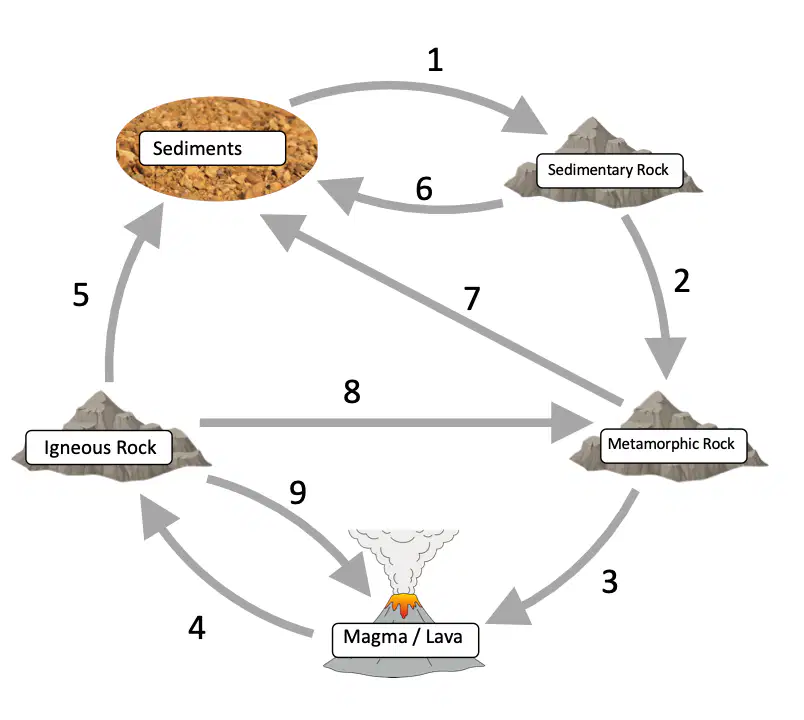
Identify the process for number 1 on the diagram
Compaction and cementation
Heat and pressure
Melting
cooling
weathering and erosion
Identify the process for number 2 on the diagram
Compaction and cementation
Heat and pressure
Melting
cooling
weathering and erosion
Identify the process for number 3 on the diagram
Compaction and cementation
Heat and pressure
Melting
cooling
weathering and erosion
Identify the process for number 4 on the diagram
Compaction and cementation
Heat and pressure
Melting
cooling
weathering and erosion
Identify the process for number 5 on the diagram
Compaction and cementation
Heat and pressure
Melting
cooling
weathering and erosion
Identify the process for number 8 on the diagram
Compaction and cementation
Heat and pressure
Melting
cooling
weathering and erosion
Identify the process for number 6 on the diagram
Compaction and cementation
Heat and pressure
Melting
cooling
weathering and erosion

