
 Worksheets
Energy Test 1 Mega Quizizz
Total questions: 83
Worksheet time: 1hrs 9mins
Kinetic energy is...
energy carried in ultraviolet waves
energy stored in food
energy in motion or in use
energy from splitting an atom
What two factors affect an object's kinetic energy?
area and volume
mass and weight
weight and height
mass and speed
Kinetic energy is measured in
Newtons (N)
Joules (J)
Kilograms (kg)
miles per hour (mph)

Where would this tossed baseball have the greatest amount of kinetic energy?
point W
point X
point y
point z
Mass and speed both affect the amount of kinetic energy an object has, but ____________ has a greater effect.
mass
speed
volume
weight
Increasing an object's mass will increase its kinetic energy.
true
false
If all objects are moving as the exact same speed, which would have the greatest kinetic energy?
tennis ball
football
notebook
box of 20 textbooks
The more mass an object has the _____________ kinetic energy it has
more
less
Which of the following is NOT a formula for calculating kinetic energy?
KE=mass X speed
KE= .5 X mass X (speed x speed)
KE= mass x (speed x speed) ÷ 2
KE = mass X (speed x speed)
2
What is the kinetic energy of a moving object that has a mass of 50 kg of and moves at a velocity of 2 m/s?
50 kg
200 kg
25 kg
100 kg

Which two objects in the table have the same kinetic energy?
A and D
A and C
B and D
B and C

According to the graph, which animal has more kinetic energy?
The tortoise because it wins the race
The tortoise because it moves at a lower speed
The hare because it moves at a faster speed
The hare because it went farther

Which vehicle likely has the highest kinetic energy?
medium car
large car
small car
they have the same kinetic energy

A student has some short and tall ramps and a toy car. She decides to use them to create an investigation. She wants to know which ramp will give the car the most energy. What evidence should she look for?
She should choose a ramp with a long sloping hill so the car will go farther
She should choose a short ramp so the car will get to the bottom in less time
She should choose a steep ramp so the car will have a faster speed
It doesn't matter - all ramps will provide the same energy

A ball weighs around 1kg and it traveling at 20 meters per second. What is the kinetic energy of the ball?
(a)
Car A has a mass of 1500kg and is moving at 89 miles per hour. Car B has a mass of 1501kg and is moving at 28 miles per hour. Which statement below best describes the kinetic energy of each car?
Car A has more energy than Car B because it is traveling faster than Car B.
Car A has more energy than Car B because it has a smaller mass than Car B.
Car B has more energy than Car A because it has a bigger mass than Car A.
Both cars have the same energy because they have about the same mass.

A small sedan is driving at 12 m/s. It has a mass of 2,000kg. Calculate the kinetic energy.
(a)

Students record the mass, speed, and kinetic energy of objects moving along a track. The students create these data tables. Which two statements correctly relate the mass and speed of an object to its kinetic energy?
When an object's speed doubles, its kinetic energy doubles.
When an object's speed doubles, its kinetic energy more than doubles.
When the mass of an object doubles, its kinetic energy doubles.
When the mass of an object doubles, its kinetic energy more than doubles.
When both the speed and the mass of an object double, its kinetic energy doubles.

A 30kg dog runs at a speed of 15m/s. What is the kinetic energy of the dog?
(a)
Mr. Toth and his 5 year old son are both sitting on skateboards at the top of a hill. If they both lift their feet and start rolling, who has more kinetic energy?
They both have the same kinetic energy.
Neither one has any kinetic energy.
Mr. Toth has more kinetic energy.
Mr. Toth's son has more kinetic energy.
Mass is...
How much an object weighs
How much matter is in an object
The rate at which an object moves
How much kinetic energy an object has
____________ has the greatest impact of kinetic energy.
mass
speed
volume
weight
What two factors affect an object's kinetic energy?
area and volume
mass and weight
weight and height
mass and speed
Which object has the most kinetic energy?


Why is it more difficult to stop a four-person bobsled than a three-person bobsled?
the four-person sled has more KE
the four-person sled has less KE
the 3 person bobsled has more potential energy
None of the above
In order to increase the kinetic energy of an object, you need to…
put the object on the ground
raise the object higher
increase the speed of the object
decrease the mass of the object
When the mass of an object doubles, what happens to kinetic energy?
It is halved
It doubles
It triples
It quadruples
When the speed of an object doubles, what happens to kinetic energy
It is halved
It doubles
It triples
It quadruples
Potential energy depends on the ________ and ________ of the object.
Height (position)
Mass
Speed
Friction

Which point has the most potential energy?
G
F
B
A

At which point of the roller coaster is potential energy the greatest?
W
X
Y
Z

When a pendulum swings, at which point is kinetic energy highest?
1
2
3
4

The faster an object moves, the ________ kinetic energy it has.
more
less
same
potential
__________ is stored energy.
Potential
Kinetic
Total Energy
Solar Energy

What kind of energy is in a rock at the edge of a cliff?
Potential
Kinetic
Total
Matter
Kinetic Energy increases when ___ increases
height & speed
mass & speed
height
height & mass

What kind of energy is in a moving skateboard?
Potential
Kinetic
Total
Matter

What kind of energy is in a person climbing a ladder?
Potential
Kinetic
Both
Total

Energy can not be
created
destroyed
converted
created or destroyed

A basketball is being held in the hands of a player. This shows...
Potential energy
Kinetic energy
Total energy
Both
Kinetic energy depends on the ________ and ________ of the object.
Height (position)
Mass
Speed
Friction
Potential Energy increases when ___ increases
height & speed
mass & speed
speed
height & mass
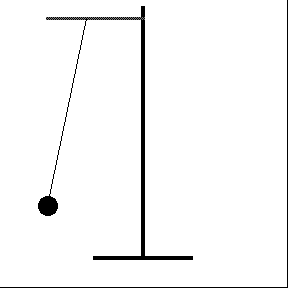
In order to INCREASE the potential energy of an object, you need to:
put the object lower to the ground
raise the object higher
slow it down
decrease the mass
Where would this tossed baseball have the greatest amount of kinetic energy?
point W
point X
point y
point z


As the object moves from point A to point D, the sum of its potential and kinetic energies
decreases only
decreases and then increases
increases and decreases
remains the same

How much KE would be available at locations 1, 2, and 3 if no energy was lost to friction?
20 J
30 J
40 J
0 J

Which choice accurately identifies the amount of energy at each position on the diagram?
B = 80 J KE
D = 100 J PE
C = 80 J PE
D = 100 J KE
Which of the following is a natural resource?
Gasoline
Plastic
nuclear waste
Wood
Thermal energy production generally uses ____ to create steam which spins a turbine.
Heat
sunlight
Motion
Wood

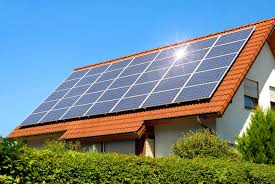
Why do only a few of American's roofs contain solar panels?
They are ugly
They are against the neighborhood regulations
They are expensive
They do not work
What is biomass?
energy from magma under Earth's surface
energy from water
energy from wind
energy from plants and plant parts
Why is it important to start using alternative energy sources?
We need more energy.
It takes millions of years to make fossil fuels and we may run out.
There is no reason to use alternative energy
15% of all energy is generated by fossil fuels

Energy produced by burning organic matter such as wood, crop waste, and food scraps, is called______________ energy.
Biomass
Geothermal energy
Solar
Wind
Alternative energy is
Generated by natural resources and is renewable
man made
nonrenewable
a resource that will run out
Why are biofuels considered to be "carbon-neutral?"
Burning biofuels releases no carbon into the air
Biofuels take millions of years to form
It is a marketing strategy to sell more biofuel
The plant’s helps remove carbon dioxide which offsets the carbon dioxide that will be released when it’s burned.
Biofuels create the same amount of air pollution as fossil fuels.
True
False
Which item can be made into biofuels?
algae
wood chips
wild grasses
all of the above
1. Certain gases in the atmosphere like carbon help maintain the Earth’s temperatures and climate. These are called: __________ .
ozone gases
solar gases
greenhouse gases
stomach gases
Which of the following activities contributes to carbon emissions?
Reforestation
Agriculture
Burning fossil fuels
Respiration
Corn, wheat, and soybeans can be made into a substance called ethanol. In some places, ethanol is part of a mixture used to power cars and trucks. What type of alternative energy resource is ethanol?
Hydroelectric
Geothermal
Biomass
Solar

Which of the following is not a source of most biodiesel fuel?
oil
corn
algae
vegetable oil
How does biomass reduce our carbon footprint by producing less CO2 than fossil fuels?
Plants absorb the same amount of CO2 that is released when it is burned.
Plants remove CO2 from the atmosphere and put it permanently into the ground.
Biomass filters CO2 to make it more environmentally stable.
Biomass doesn't release any CO2 when burned.
Which of the following DOES NOT use a turbine to generate electricity?
Hydroelectric
Wind
Solar
Nuclear
Which of the following is not one of the highest sources of carbon emissions in the atmosphere?
Transportation
Agriculture
Electricity
Heating

