
 Worksheets
Relationships: Communication, Symbiosis, Invasive Species
Total questions: 80
Worksheet time: 1hrs 24mins
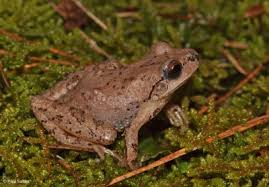


What is something that is common to most invasive species?
they don't have many predators in their new area
they don't live long
they can't have babies in the new area
they can't eat anything in the new area
Which of these is a native species in the desert?
a cow
a cactus
a monkey
an oak tree

The "ballast" of a ship holds water. Water is TAKEN IN from the ocean and DRAINED OUT into the ocean as the ship travels. What could be a problem with this?
smaller fish or other organisms could accidently get moved from its home to somewhere it doesn't belong
nothing is a problem with it
it could make the water too hot
it could cause thunderstorms

If a new, NON-NATIVE species that eats rabbits was introduced into this food chain, what would probably happen?
the population of rabbits would increase
the population of eagles would increase
the population of eagles would decrease
there would be less sunlight
How do zebra mussels cause harm?
they eat up all the fish in the lake
they don't cause harm
they can clog up pipes and mess up the outside of ships
they poison the fish
How do MOST invasive species get to new areas where they don't naturally belong?
humans take them accidentally or on purpose
they ride on the back of sea turtles from one country to another
they get blown by the wind to a new location
they buy a bus ticket and travel there themselves

Click on the map to help answer this question: What can we predict about the population of Feral Swine for the year 2016?
There will be less feral swine in 2016 than there were in 1982.
There will be more feral swine in 2016 than there were in 2010
There were fewer feral swine in 2004 than 1982.
There will be no change in feral swine population.
What caused the lionfish to end up in the Atlantic Ocean?
The lionfish swam there from The Pacific Ocean.
Pet owners dumped their unwanted fish into the ocean.
Pet owners lost them and found them in the Atlantic Ocean.
The lionfish migrate there every winter.

Invasive species [more than 1 answer]
take over the habitat of other organisms
increases the populations of native organisms
destroy/decrease biodiversity
improves/increases biodiversity
cause the populations of native organisms to decrease
Which answer choices are examples of tactile communication? (Choose 2 answers.)
Wolves howling at the moon
A bee uses to waggle dance to communicate that a source of pollen has been found
Friends greet one another with a high-five
A gorilla grooms another gorilla
When ants follow pheromones left by other ants, this is an example of __________________ communication.
Visual
Auditory
Tactile
Chemical

A mandrill calling or growling to alert other mandrills that a predator is near is an example of _______ communication. Choose the best answer choice.
Visual
Auditory
Chemical
Tactile
Which is an example of auditory communication?
Dolphins use whistles to communicate with other dolphins
A wolf rolls on his back to show submission
A cat strokes his head on furniture to mark it as his territory
Frogs hide in leaves of the same color
When a mother cat comforts her kitten through touch, this is ____________________ communication.
visual
auditory
pheromones
tactile
A dog showing his teeth to another dog is a form of
_______________ communication.
visual
auditory
pheromones
tactile

When a rattlesnake shakes its tail sensing danger, it is communicating through which 2 methods?
chemical and visual
visual and auditory
auditory and chemical
tactile and chemical
A peacock displays his colorful feathers to attract a mate (a peahen). This is an example of __________________ communication.
Visual because the peahen is attracted to the beautiful colors.
Auditory because the peahen is listening for the mating call.
Visual because the peacock is ready to fight for his mate.
Auditory because the peahen is attracted to the beautiful colors.
A mandrill calling or growling to alert other mandrills that a predator is near is an example of _______ communication. Choose the best answer choice.
Visual
Auditory
Chemical
Tactile
The purpose of animal communication is to...
ward off predators
attract a mate
locate food
all of the answers above
Communication that can be seen
auditory
pheromone
tactile
visual
Communication through sound
auditory
pheromone
tactile
visual
Communication shown through touch
auditory
pheromone
tactile
visual
Which image represents visual communication?


To say "Warning! There's a predator!", the black-tailed prairie dog gives several short barks and whips their tail up and down. Who is the receiver in this situation?
The black-tailed prairie dog
The other prairie dogs in the area
The predator
The humans in the area
What are some visual ways a bird would try to attract a mate? select two
A male bird showing off his colorful feathers
A female bird singing in a tree
A male bird doing a dance around the female
A male bird screeching loudly when a cat is near
A male bird flying really fast past the female
Why do honeybees dance?
to find honeycombs
to visually tell other bees he found a mate
to fly home
to visually tell other bees where the nectar (food) is
Why would animals use auditory communication? select three
To warn others of intruders
To see who can be the loudest
To find food (Echolocation)
To let others know where its territory is
To show off its bright colors
Why do elephants form a circle around their young?
To travel faster
To protect them
To eat food
To keep their young in one place
What are the advantages to animals living in groups?
Obtain food
Protect themselves
Cope with change
All of the above
How do bees communicate with each other?
By flying fast
By flying onto other bees
By looking at each other
By dancing
Why do baboons make a loud sound?
To move quick
To show how strong they are
To play with their family
To warn others
What are the benefits for humans to be in groups?
Gives us support
Protection
Companionship
All of the above

Ants live in groups where many ants live together. How does living like this help the ants?
Ants in a large group can share the work of getting food.
A large group of ants needs more space to live in than one ant.
Birds that eat ants can find a large group of ants more easily.
Ants living in large groups sometimes move to a new place to live.

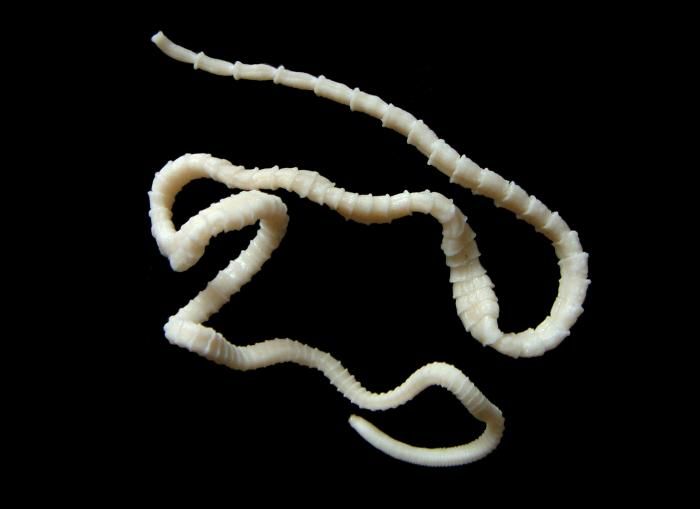
A tapeworm lives in the intestine of a cat absorbing nutrients through its skin. A tapeworm and a cat have this type of relationship.
mutualism
parasitism
commensalism
competition
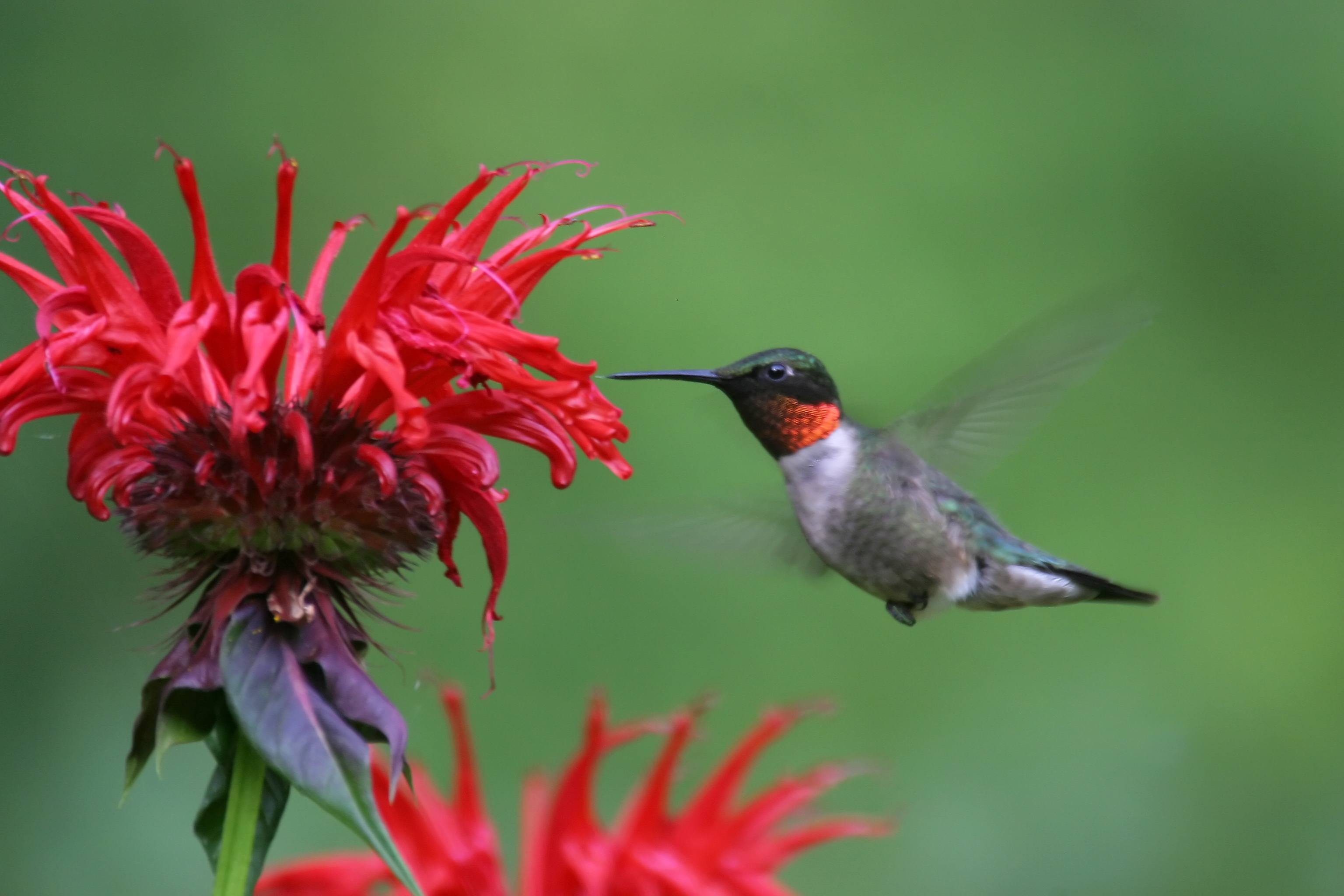
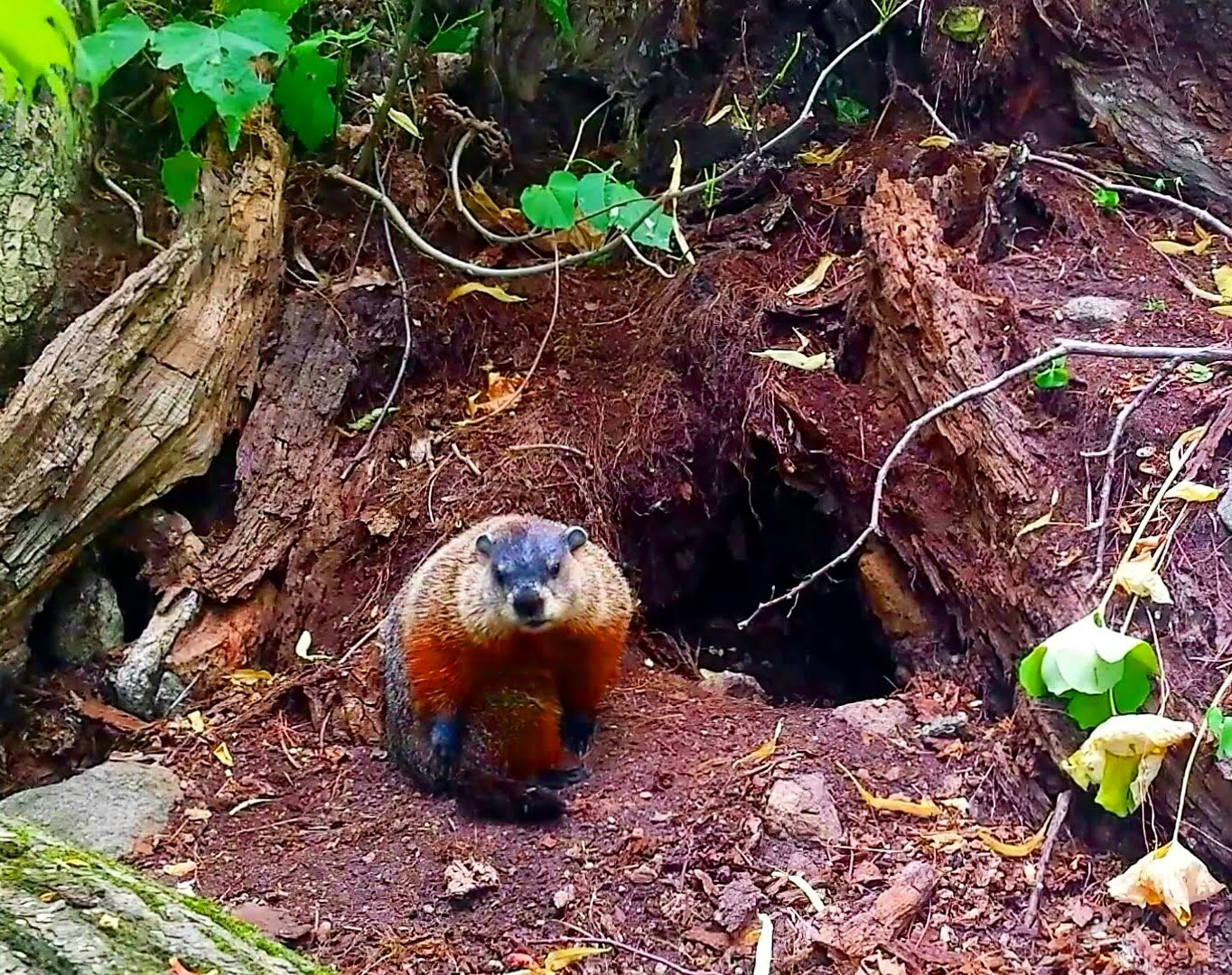
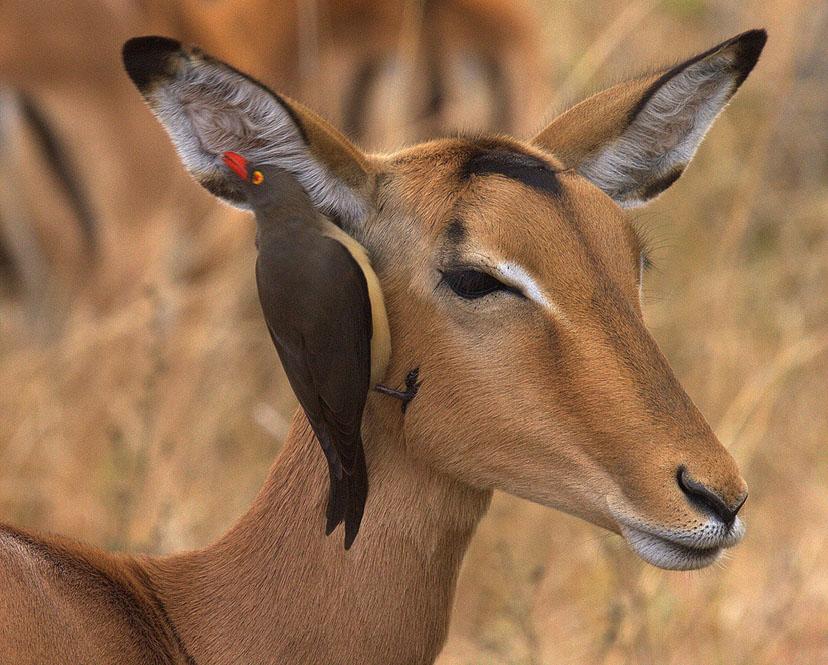
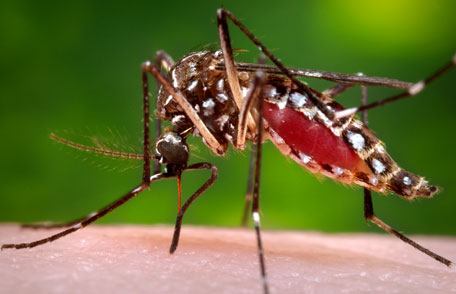

Aphids are tiny insects that live on and eat the leaves of plants, removing vital nutrients from the plants.
Predation
Parasitism
Commensalism
Mutualism

Mockingbirds will push the eggs out of a blue bird's nest and use the nest for it's own babies illustrating...
commensalism
parasitism
mutualism
predation

A bee and a flower work together to benefit each other. This is an example of a ______. The bee helps the flower by pollinating it and the flower helps the bee by providing it with nectar.
commensalistic relationship
parasitic relationship
mutualistic relationship

Lichens are close associations of fungi and algae. The fungi hold the water supply and the algae perform photosynthesis to manufacture carbohydrates for both organisms.
mutualism
commensalism
parasitism

In the jungles of South America lives a thorn tree call an acacia. A species of ant eats secretions of the acacia, drinks its sap, and raises its young in the hollow thorns. The ants also keep competing vines from growing near the acacia tree and they help repel any insects that would damage the acacia tree.
mutualism
commensalism
parasitism

Lactobacilli are a type of bacteria that live in our lungs and destroy many of the microorganisms that enter our respiratory system. They are highly adapted to living in our lungs and can't survive in many other habitats.
mutualism
commensalism
parasitism

Barnacles create home sites by attaching themselves to whales. In this relationship, the whales are neither harmed nor benefited. What type of symbiosis is this relationship?
parasitism
commensalism
mutualism
Honey guide birds alert and direct badgers to bee hives. The badgers then expose the hives and eat the honey first. Then the honey guide birds eat what is left. What type of symbiosis is this relationship?
mutualism
commensalism
parasitism
Remoras attach themselves to the bodies of sharks. They then travel with the shark and feed on the leftover scraps from the sharks' meals. What type of symbiosis is this relationship?
commensalism
mutualism
parasitism
Wrasse fish feed on the parasites found on the body of black sea bass. What type of symbiosis is this relationship?
Mutualism
Commensalism
Parasitism
Spider crabs live on the shallow ocean floor. Algae lives on the crabs. The algae helps the crabs blend in and the algae gets a good place to live. What type of symbiosis is this relationship?
Commensalism
Mutualism
Parasitism
In a mutualism relationship, both organisms are ---
benefited.
unaffected.
harmed.
In a parasitic relationship, one organism is ______ and the other organism is benefiting.
benefited
harmed
unaffected
Commensalism is where one organism is benefiting and the other organism is ---
unaffected.
benefited.
harmed.
Where do parasites such as tapeworms or heartworms live?
Inside the host
Outside the host
Where do parasites such as aphids, fleas, or mistletoe live?
Inside the host
Outside the host

Ostriches and gazelles feed next to each other. They both watch for predators. Because the visual abilities of the two species are different, they can each identify threats that the other animal may not see as readily. Both species benefit. This is an example of which type of symbiosis?
Commensalism
Mutualism
Parasitism

Clown fish live among anemones, acting as a lure for the sea anemone's prey. The clown fish get protection and shelter from the anemone. This is an example of which type of symbiosis?
Commensalism
Mutualism
Parasitism

Mistletoe extracts water and nutrients from the spruce tree to the detriment of the spruce. This is an example of which type of symbiosis?
Commensalism
Mutualism
Parasitism



