
 Worksheets
Fossils and Evolution
Total questions: 30
Worksheet time: 8hrs 30mins

What is a fossil?
A huge cat with two long, saber-shaped teeth.
Remains or traces of plants and animals that lived a long time ago.
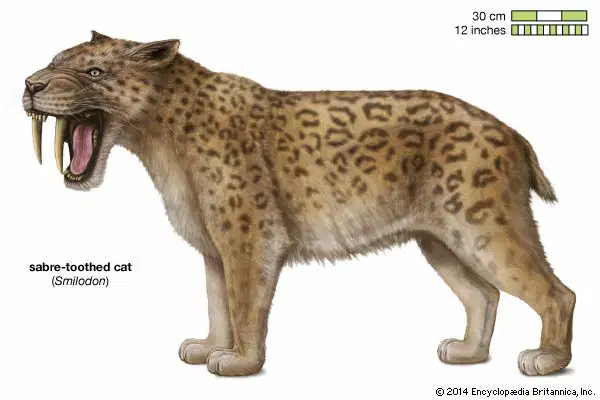
Fossils of the Saber-Toothed Cat are found in places like?
La Brea Tar Pits
Silt
Rock layer

What is a paleontologist?
A scientist that studies fossils.
A type of wolf that lived in North America.
A small fossil that can only be studied with a microscope.

Where are fossils of marine life like whales and sharks found?
Sharktooth Hill
Silt
Rock layer
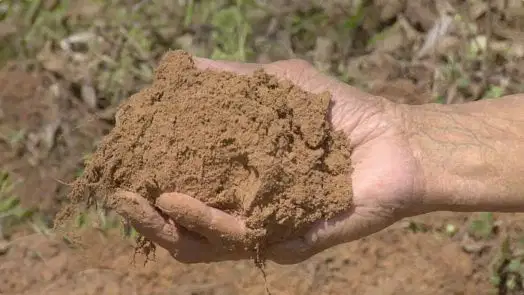
What is Silt?
Fine sand, clay, or other material carried by moving water and deposited at the bottom of a body of water like the ocean.
Sedimentary rocks
Impression or other preserved sign of activity such as feeding, scratching, burrowing, walking, or resting.
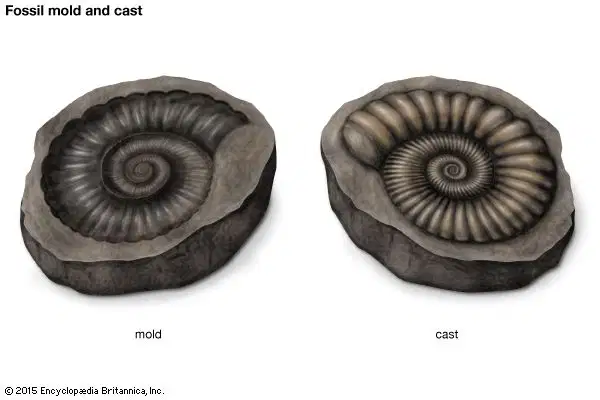
What are mold fossils?
Hollow space left in a rock by animal or plant remains that have dissolved.
When molds fill in with minerals or sediments that later harden.
Evidence that organisms have changed over long periods of time.

What is comparative anatomy?
Observing similar structures in organisms and comparing them to each other.
An unborn or unhatched baby.
A system in organisms made up of bones.

How many bones are in the human body?
100
206
300
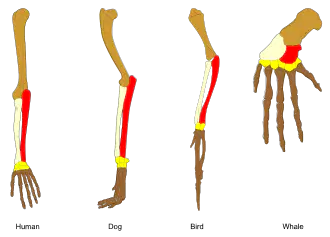
Human bones in the hands and arms are similar to the bones in the wings of bats and birds.
True
False

Which animal, other than humans, has evolved?
Dogs
Whales
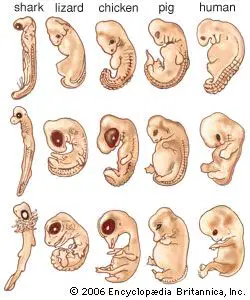
What is Embryology?
Adaptive Changes in the environment.
The study of embryos and their development.
Different Species of Animals.
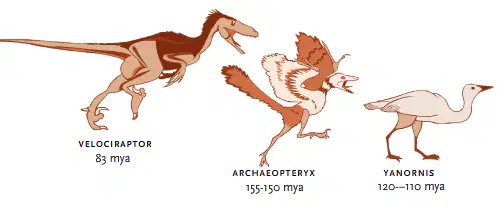
What is a Transitional fossil?
It helps Scientists transition from one experiment to another.
A fossil that provides evidence for organisms transitioning from living water to land.

What is a living thing that is no longer found alive anywhere on earth today.
It is Living
It is Dead
It is Extinct

La Brea Tar Pits
A dig site in New York City.
A fossil site located in the middle of Los Angeles. Animals got stuck and were preserved as fossils.
Places where they make tar.

What is a Dire Wolf?
A type of wolf that ate horses, ground sloths, mastodons, bison, and camels!
A Wolverine
A small wolf that ate mice and other small rodents.
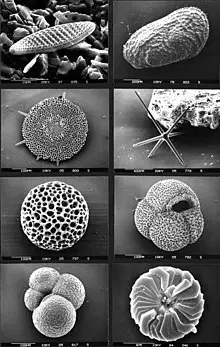
Microfossil are......
A small fossil. It can be a piece of a large plant or animal or small bones of things like lizards and rodents.
Fossils from rodents.
Fossils from birds.

Sedimentary rocks are made when sand and mud gets laid down in layers.
Over time, these layers are squashed under more and more layers.
Eventually, the layers turn into rock
False
True

A hypothesis is an explanation made on the basis of limited evidence
as a starting point for further investigation.
True
False
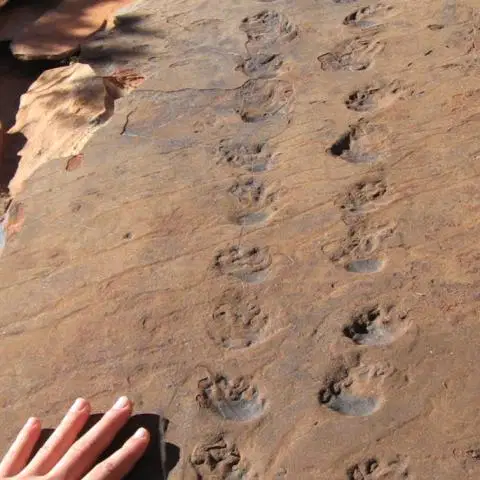
What is a Trace fossil?
Impression or other preserved sign of activity such as feeding, scratching, burrowing, walking, or resting.
Bones from a skeleton.

What are Cast fossils?
Pieces of the earth are broken down through weathering,
A protector for a broken bone.
Molds filled in with minerals or sediments that later harden.

A Bone bed is a layer in the earth containing
large quantities of fossilized animal remains.
True
False

We can learn about what the earth’s surface looked like
a long time ago by studying the properties of the layers and the
different kinds of fossils found in rock layers.
False
True
Maybe
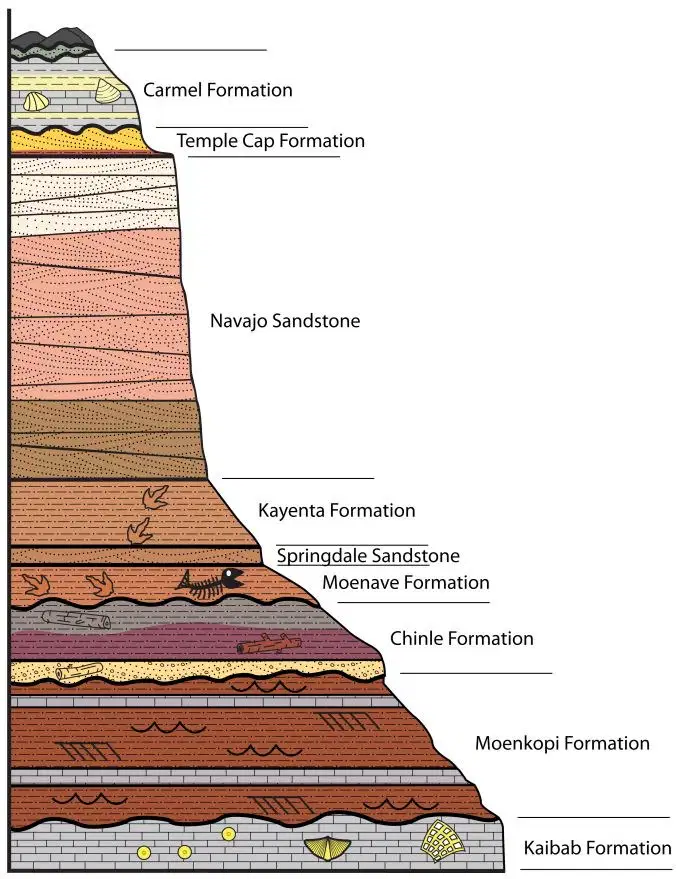
Layers of sedimentary rock that compile and compress
over time that can trap fossils within them is called_________>
Mold Fossil
Strata
Trace Fossil
None of the above.
Evolution is evidence that organisms have changed over long periods of time.
Maybe
False
True

An Embryo is.........
An unborn or unhatched baby
A dinosaur
Layers of Rock
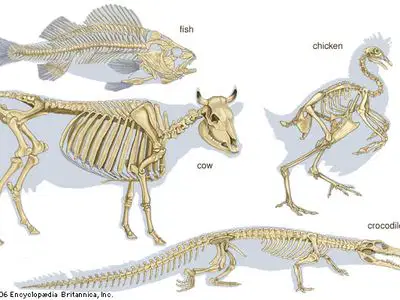
What is a Skeletal system?
A system in organisms made up of bones; organisms can have an exoskeleton (outside the organism) or an endoskeleton (inside the organism).
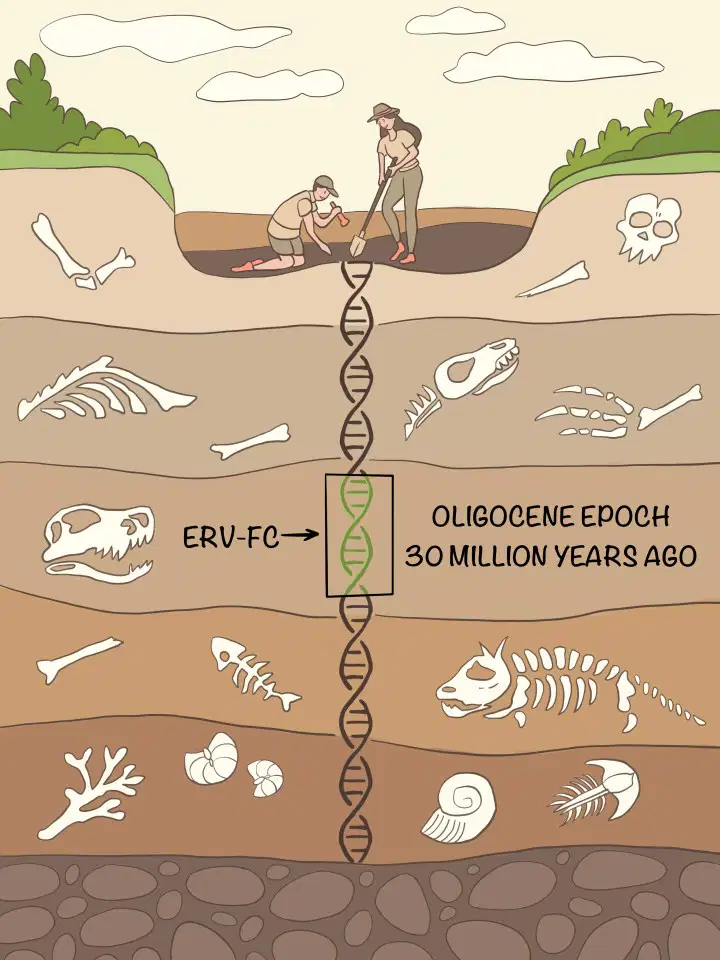
A collection of fossils over time that shows changes in organisms is a _________.

What is an "Inference?"

What is an "Observation?"
Something that you can see and is a sensory experience (taste, touch, smell or see) that allow scientists to collect data on the natural world.
The act of forgetting or not paying attention to something.

A Body fossil is ________.
The preserved remains of the plant or animal itself.
The physical remains (hair and skin of an animal.)

