
 Worksheets
AA-PRELIM
Total questions: 78
Worksheet time: 19hrs 2mins
“Life is not a problem to be solved but a reality to be experienced.”
(a)
“The role of art as a creative work is to depict the world in a completely different light and perspective”
(a)
“The role of art as a creative work is to depict the world in a completely different light and perspective” - Jean-Paul Sarte
(a)
Imagination as a Product of Art - “Imagination is more important than knowledge. For knowledge is limited to all we now know and understand, while imagination embraces the entire world, and all there ever will be to know and understand.” – Albert Einstein
(a)
“Imagination is more important than knowledge. For knowledge is limited to all we now know and understand, while imagination embraces the entire world, and all there ever will be to know and understand.”
(a)
“What an artist does to an emotion is not to induce it, but express it. Through expression, he is able to explore his own emotions and at the same time, create something beautiful out of them.” – Robin George Collingwood
(a)
“What an artist does to an emotion is not to induce it, but express it. Through expression, he is able to explore his own emotions and at the same time, create something beautiful out of them."
(a)
A mark with length and direction. A continuous mark made on a surface by a moving point.
(a)
Consists of Hue (another word for (a) ), Intensity (brightness) and Value (lightness or darkness).
The lightness or darkness of a color.
(a)
An enclosed area defined and determined by other art elements; 2-dimensional.
(a)
A 3-dimensional object; or something in a 2-dimensional artwork that appears to be 3-dimensional.
(a)
The distance or area between, around, above, below, or within things.
(a)
The surface quality or "feel" of an object, its smoothness, roughness, softness, etc. It may be actual or implied.
(a)
The way the elements are arranged to create a feeling of stability in a work.
(a)
The parts of an image are organized so that one side mirrors the other.
(a)
When one side of a composition does not reflect the design of the other.
(a)
The focal point of an image, or when one area or thing stands out the most.
(a)
A large difference between two things to create interest and tension.
(a)
A regular repetition of elements to produce the look and feel of movement.
(a)
Repetition of a design.
(a)
When all the elements and principles work together to create a pleasing image.
(a)
The use of differences and change to increase the visual interest of the work.
(a)
The comparative relationship of one part to another with respect to size, quantity, or degree/scale.
(a)
“The goal of art was the vital expression of the self.”
(a)
Creations that fall under this category are those that appeals to the sense of sight and are mainly visual in nature.
(a)
Refers to the art of putting together successions of still images in order to create an illusion of movement.
(a)
It is a live art and the artist’s medium is mainly the human body which he or she uses to perform, but also employs other kind of art such as visual art, props, or sound.
(a)
It is an art form where the artist expresses his emotions not by using paint, charcoal, or camera, but expresses them through words.
(a)
Art is the pursuit and creation of beautiful things while (a) is the making of beautiful buildings.
It is series of movements that follows the rhythm of the music accompaniment.
(a)
Artists who practice this art use words to express themselves and communicate emotions to the readers.
(a)
It uses live performers to present accounts or imaginary events before a live audience.
(a)
It is incorporating elements of style and design to everyday items with the aim of increasing their aesthetic value.
(a)
He claimed that every particular substance in the world has an end, or telos in Greek, which translates into “purpose.”
(a)
In Greek, it means “purpose.”
(a)
Make art that makes you happy. Make art that makes you better. Make art that makes a difference. Who said this?
(a)
The value of the art in question lies in the practical benefits one gains from it.
(a)
One can look at the value of the product of art in and for itself.
(a)
They are varied and highly subjective.
(a)
Art is considered to have a this if and when it addresses a particular collective interest as opposed to a personal interest.
(a)
This function can be found in artworks that are crafted in order to serve some physical purpose.
(a)
It was principally used for dance and religion.
(a)
They have been made by man most particularly for religion.
(a)
The most prominent functional art.
(a)
It is the study of the fundamental nature of knowledge, reality, and existence.
(a)
“The aim of art is to represent not the outward appearance of things, but their inward significance.”
(a)
In Plato’s The Republic, paints a picture of artists as imitators and art as mere imitation. In his description of the ideal republic, Plato advises against the inclusion of art as a subject in the curriculum and the banning of artists in the Republic.
(a)
For him, art is dangerous because it provides a petty replacement for the real entities than can only be attained through reason.
(a)
Aristotle considered art as an aid to philosophy in revealing the truth. Aristotle conceived of art as representing possible versions of reality.
(a)
Immanuel Kant, in his Critique of Judgment, considered the judgment of beauty, the cornerstone of art, as something that can be universal despite its subjectivity. Kant recognized that judgment of beauty is subjective. However, even subjective judgments are based on some universal criterion for the said judgment.
(a)
Making an aesthetic judgment requires us to be (a) .
According to Leo Tolstoy, art plays a huge role in communication to its audience’s emotions that the artist previously experienced.
(a)
As a purveyor of man’s innermost feelings and thoughts, art is given a unique opportunity to serve as a (a) . Art is central to man’s existence because it makes accessible feelings and emotions of people from the past and present.
These types of art have subjects that refer to objects that refer to objects or events occurring in the real world.
(a)
Art forms that do not make a reference to the real world, whether it is a person, place, thing, or even a particular event.
(a)
The most rudimentary level of meaning.
(a)
Pertains to the acknowledged interpretation of the artwork using motifs, signs, and symbols and other cyphers as bases of its meaning.
(a)
When subjectivities are consulted, a variety of meanings may arise when a particular work of art is read.
(a)
The idea for Art as an Imitation is based on "The Republic." Who wrote this?
(a)
He believed that art represents versions of reality.
(Art as a Representation)
(a)
His idea, Critique of Judgment, is the idea describe in Art as a Disinterested Judgment.
(a)
He propose Art plays a vital role in Communication of Emotion.
(a)
Elements of Art
(L-C-V-S-F-S-T-B-F-C-R/M-P&R-U-V-P)
(a)
Types of Balance (13-14)
(a)
Types of Subject
(R-NR)
(a)
Content in Art
(FM-CM-SM)
(a)

Give the name, the artist and date when the painting is made?
Ans: Name; Artist; Date
(a)
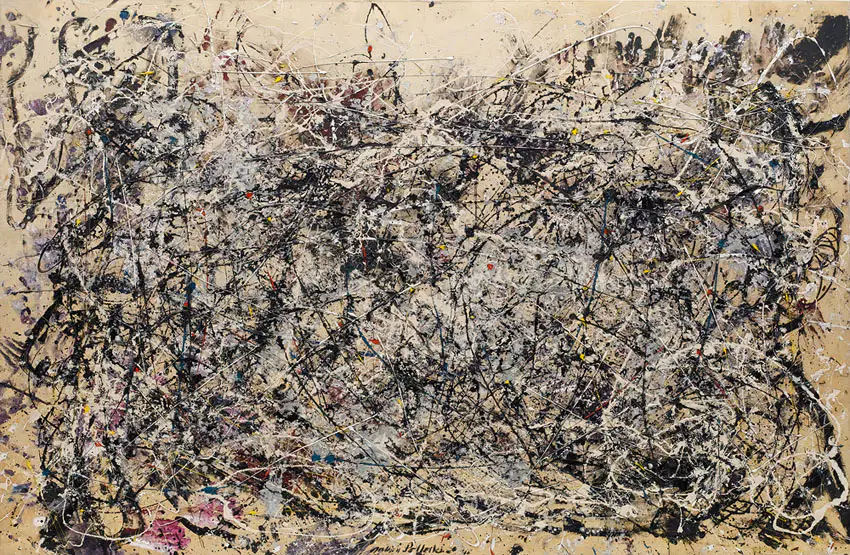
Give the name, the artist and date when the painting is made?
Ans: Name; Artist; Date
(a)

Give the name, the artist and date when the painting is made?
Ans: Name; Artist; Date
(a)

Give the name, the artist and date when the painting is made?
Ans: Name; Artist; Date
(a)
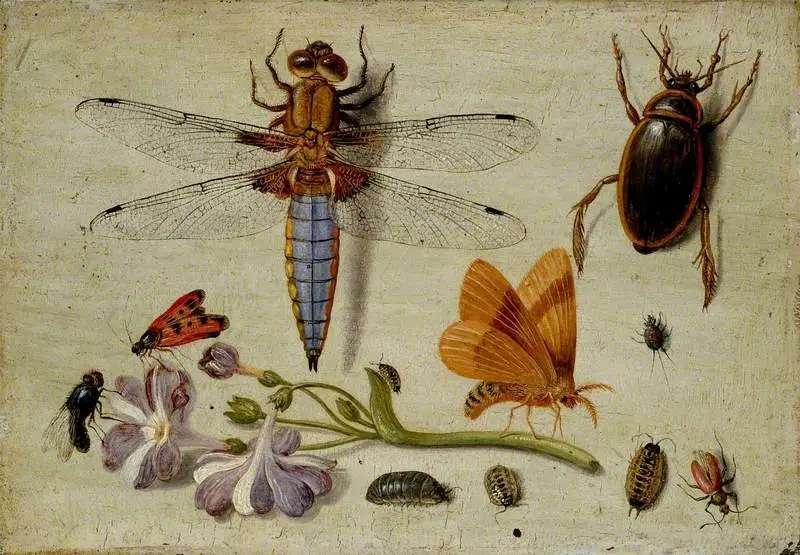
Give the name, the artist and date when the painting is made?
Ans: Name; Artist; Date
(a)
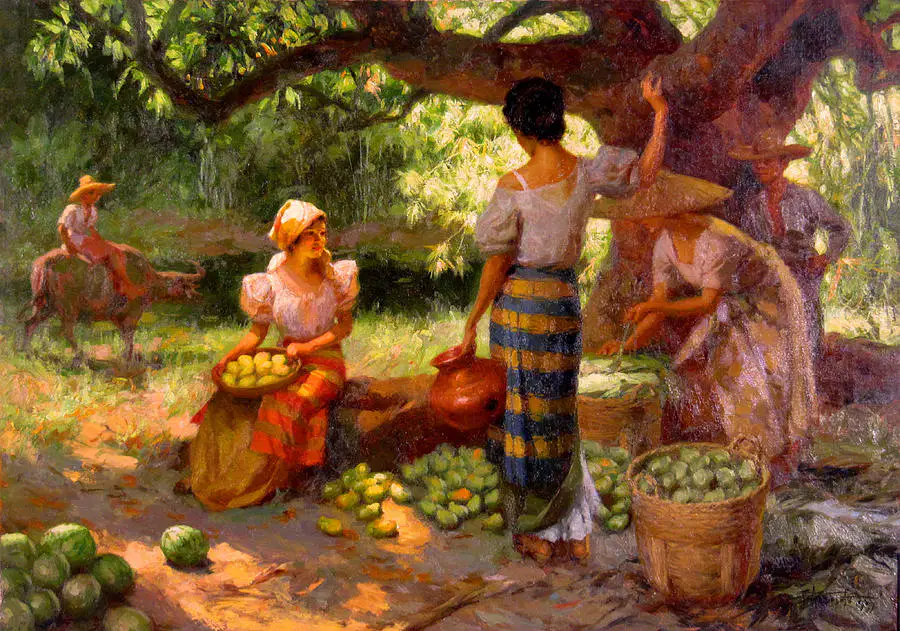
Give the name, the artist and date when the painting is made?
Ans: Name; Artist; Date
(a)
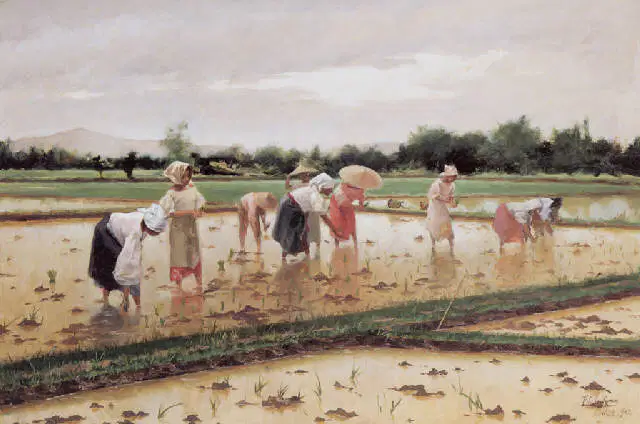
Give the name, the artist and date when the painting is made?
Ans: Name; Artist; Date
(a)

Give the name, the artist and date when the painting is made?
Ans: Name; Artist; Date
(a)

Give the name, the artist and date when the painting is made?
Ans: Name; Artist; Date
(a)

Give the name, the artist and date when the painting is made?
Ans: Name; Artist; Date
(a)

Give the name, the artist and date when the painting is made?
Ans: Name; Artist; Date
(a)

