
 Worksheets
Mass Wasting and Glaciers
Total questions: 186
Worksheet time: 2hrs 51mins
What is the downhill movement of a large mass of rocks or soil because of the pull of gravity?
Landslide
Mudslide
Rockslide
Mass Wasting
rockfall and mudslide are examples of
weathering, erosion and deposition
landslides
gravity
glaciers cause
a mass of mud and other earthy material that is falling fast down a hillside
rock fall/ rock slide
slump
mass wasting
mudslide/landslide
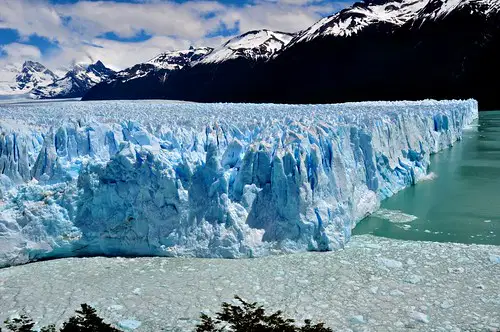
a very large, thick mass of glacial ice flowing outward in all directions from one or more accumulation center(s
ice sheet
ice cap
glacial drift
glacier
A large mass of moving ice and snow on land
Glacier
Cirques
Beach
Erosion
Glaciers are responsible for a variety of erosion type landscape features, such as glacial troughs, hanging valleys, cirques, aretes, and horns.
Glacial drift
Karst landforms
Volcano landforms
Glacier landforms
the general term for all of the materials carried and deposited by a glacier
Glacial till
Moraines
Ice sheet
Glacial drift
the rapid mass movement of rock down a steep slope or cliff (erosion)
landslide
rockfall
mudflow
creep
the slow downhill movement of weathered rock material (erosion)
slump
mudflow
creep
landslide
a large mass of ice that formed on land and moves slowly across Earth's surface
landslide
gravity
glacier
moraine
the rapid downhill movement of soil, loose rocks, and boulders
slump
glacier
landslide
talus
_________ is the force that causes the erosion and deposition of mass wasting.
Chemical Weathering
Mechanical Weathering
Gravity
Physical Weathering
Heavy machinery or ______________ can start a mass wasting event because of the shaking which loosens rock and sediment.
Volcanoes
Tornadoes
Tsunamis
Earthquakes
How does vegetation affect the occurrence of mass wasting?
It reduces the force of falling rain
Roots hold sediment in place
It does not affect the occurrence of mass wasting
It reduces the force of falling rain AND holds sediment in place
Which of the following is NOT a factor that determines the amount of erosion that occurs during a mass wasting event?
Type of Rock
Steepness
Temperature
Amount of water in soil
What causes a "U-shaped" valley to form?
Rushing Rivers
Glaciers
Earthquakes
Landslide
Which of the following is NOT a feature formed by an alpine glacier?
Antler
Aerate
Cirque
Horn
Moving down from high altitudes and warming climate are two factors that cause glaciers to do what?
Change
Melt
Grow
Build
What is a mixture of various sizes of sediment deposited by a glacier?
Moraine
Outwash
Till
Esker
What is the mound or ridge of unsorted sediment deposited by a glacier?
Moraine
Outwash
Till
Aerate
What is the layered sediment deposited by streams of water that flowed from a melting glacier?
Outwash
Aerate
Till
Moraine
Which of the following is NOT an example of mass wasting?
Rockfall
Slump
Creep
Till
What is a type of mass wasting where the material moves slowly, in a large mass?
Till
Slump
Creep
Rockfall
What is the type of mass wasting that moves too slowly to be noticeable, causing trees and other objects to lean over?
Till
Creep
Slump
Rockfall
What is a pile of angular rocks and sediment from a rockfall called?
Slump
Creep
Till
Talus
What is a large mass of ice that formed on land and moves slowly across Earth's surface called?
Ice Berg
Glacier
Continental Shelf
Ice Cube
What is a sharp peak formed when several glaciers descend from the top of the same mountain?
Horn
Aerate
Cirque
Hanging Valley
What is a sharp ridge of rock formed between two glaciers?
Horn
Aerate
Hanging Valley
Cirque
What is a semicircular hollow that formed by glacial erosion called?
Horn
Aerate
Cirque
Hanging Valley
What forms when a smaller glacier at a higher elevation approaches a large valley carved by a much larger glacier?
U-shaped Valley
Hanging Valley
Standing Valley
Glacier Valley

Outwash is
a large mass of ice that formed on land
a mound or ridge of unsorted sediment deposited by a glacier
layered sediment deposited by streams of water that flow from a melting glacier

Talus is
a pile of smooth rock and sediment deposited by a river
a pile of angular rock and sediment from a rockfall
a pile of angular rock and sediment from a glacier

A landslide is
layered sediment deposited by streams of water that flow from a melting glacier
a larger mass of rock or soil moving downhill due to the pull of gravity
the rapid downhill movement of soil, loose rocks, and boulders
a mound or ridge of unsorted sediment deposited by a glacier

Which of the following is a natural way to reduce mass wasting?
Cover the slope in wire
Plant vegetation
Build a retaining wall

Slump occurs
rapidly
slowly

The two types of glaciers are
ice horn and hanging valley
aerate and cirque
alpine and ice sheet

A moraine is
a mound or ridge of unsorted sediment deposited by a glacier
a large mass of ice that forms on land and moves slowly
a mixture of various sizes of sediment deposited by a glacier

Till is
a mound or ridge of unsorted sediment deposited by a glacier
a large mass of ice that forms on land and moves slowly
a mixture of various sizes of sediment deposited by a glacier

Vegetation absorbs water that runs off the land.
True
False

Plant roots hold soil together, reducing the soil's ability to erode.
True
False

Glaciers and landslides move quickly
True
False

Glaciers form on land in areas where the amount of snowfall is less than the amount of snow melt.
True
False

Mass wasting is the result of
excessive amounts of rain
global warming
gravity's pull

Removing vegetation from a slope
decreases the chance of mass wasting
increases the chance of mass wasting
_____ is the downhill movement if a large mass of rocks or soil because of the pull of gravity.
landslide
Talus
Mass Wasting
Glacier
__________ is the rapid downhill movement of soil, loose rocks and boulders.
Glaciers
Talus
mass wasting
landslide
_______ is a type of mass wasting where the materials moves slowly, in a large mass.
slump
landslide
Talus
till
If the material moves too slowly to be noticeable, causing trees and other objects lo lean over, this event is called __________
landslide
slump
creep
Talus
Two slides of landslides are
rockfall
mudslide
Erosion tends to be more __________ when the mass wasting occurs on the steep slopes.
constructive
destructive
The erosion that occurs during mass wasting continues as long as (a) is greater than other forces holding the rock and soil in the place.
________ is a pile of angular rocks and sediment from a rockfall.
mass wasting
landslide
Talus
outwash
removing vegetation increases soil erosion and can promote mass wasting.
True
False
A steep slope is more likely to undergo mass wasting.
True
False
A steep slope is less likely to undergo mass wasting.
True
False
_____ is a large mass of ice that formed on land and moves slowly across Earth's surface.
Mass Wasting
Talus
landslide
Glacier
Glaciers form on land in areas where the amount of snowfall is greater than the amount snowmelts.
True
False
Glaciers form on land in areas where the amount of snowfall is less than the amount snowmelts.
True
False
Two main types of Glaciers
alpine glaciers
ice sheets
________ form in mountain and flow downhill.
Alpine glaciers
ice sheets
_________ cover large areas of land and move outward from central locations.
Alpine glaciers
ice-sheet
______ is the mixture of various sizes of sediments deposited by Glacier.
Glacier
Till
landslide
mass wasting
a _________ is a mound or ridge of unsorted sediment deposited by a glacier.
glacier
Till
moraine
outwash
____ is the layered sediment deposited by streams of water that flow from a melting glacier.
till
moraine
Outwash
mass wasting
Glacier contain _____ of all freshwater on Earth.
two-thirds
one half
three-fourth
one-third
As glacier melts, sea level__________ around the world.
decreases
increases
A glacier is
a large mass of ice that formed on land and moves slowly across Earth's surface
the downhill movement of a large mass of rocks or soil because of the pull of gravity
layered sediment deposited at the mouth of a river
Mud Flows


---------- is the breakdown of rock.
weathering
folding
mass wasting
erosion
Frost action and pressure release are types of:
climatic weathering
chemical weathering
biotic weathering
mechanical weathering
Carbonation and oxidation are types of:
climatic weathering
biotic weathering
mechanical weathering
chemical weathering
This form of weathering is also known as “rusting”
carbonation
oxidation
pressure release
frost action
This type of weathering occurs in areas where the temperature fluctuates around zero degrees Celsius.
oxidation
frost action
pressure release
solution
Man increases the chance of landslides in all of the follwing ways EXCEPT:
building on unstable slopes
undercutting the base of slopes to build roads
removing vegetation from steep slopes
planting trees on unstable slopes
Which of the following will NOT increase the chance of landslides?
when bedding planes are roughly parallel to the slope surface
when there is an extended period of drought
an earthquake
where there are rocks like shale or clay
Mass wasting is the downhill movement of a large mass of rocks or soil because of ____________________________.
pollution
the pull of gravity
chemical erosion
thick vegitation
______________________ on slopes can help prevent mass wasting.
Buildings
Erosion
Sand
Thick vegetation
A(n) ___________ is the rapid downhill movement of soil, loose rocks, and boulders.
Landslide
Outwash
Moraine
Till
_________________ is a pile of angular rocks and sediment from a rockfall.
Talus
Outwash
Moraine
Till
Building on a steep slope can increase the chances that ________________ will occurr.
talus
outwash
moraine
mass wasting
A(n) ______________ is a large mass of ice that formed on land and moves slowly across Earth's surface.
outwash
moraine
glacier
talus
Glaciers form where the amount of snowfall is ____________ than the amount of snowmelt.
less
greater
slower
Glacial erosion can cause sharp ridges called __________ and carve out U-shaped and hanging valleys.
aretes
moraines
tills
outwashes
____________ is a mixture of various sizes of sediment deposited by a glacier.
Till
Moraine
Arete
Landslide
______________ is the gradual increase in Earth's average temperature.
Climate
Weather
High pressure system
Global Warming
Mud Flows
---------- is the breakdown of rock.
weathering
folding
mass wasting
erosion
Frost action and pressure release are types of:
climatic weathering
chemical weathering
biotic weathering
mechanical weathering
Carbonation and oxidation are types of:
climatic weathering
biotic weathering
mechanical weathering
chemical weathering
This form of weathering is also known as “rusting”
carbonation
oxidation
pressure release
frost action
This type of weathering occurs in areas where the temperature fluctuates around zero degrees Celsius.
oxidation
frost action
pressure release
solution
Man increases the chance of landslides in all of the follwing ways EXCEPT:
building on unstable slopes
undercutting the base of slopes to build roads
removing vegetation from steep slopes
planting trees on unstable slopes
Which of the following will NOT increase the chance of landslides?
when bedding planes are roughly parallel to the slope surface
when there is an extended period of drought
an earthquake
where there are rocks like shale or clay
Which agent of erosion causes Mass wasting to happen?
Wind
Water
Gravity
Glaciers
If you want to hold soil in place, and prevent mass wasting from happening...you should...
remove some vegetation
plant some vegetation

What is outwashed
a mixture of various sizes of sediment deposited by a glacier
a mound or ridge of unsorted sediment deposited by a glacier
layered sediment deposited by streams of water that flows from a melting glacier
a pile of angular rocks and sediment from a rockfall
None

what is Moraine
layered sediment deposited by streams of water that flows from a melting glacier
a mixture of various sizes of sediment deposited by a glacier
a mound or ridge of unsorted sediment deposited by a glacier
the downhill mvement of a large mass of rock or soil because of the pull of gravity
None

What is Till
a pile of angular rocks and sediment from a rockfall
the rapid downhill movement of soil loose rocks and boulders
layered sediment deposited by streams of water that flows from a melting glacier
a mixture of various sizes of sediment deposited by a glacier
None

Where do alpine glaciers forms
mountains
valley
grass
ice

What is a landslide
a large mass of ice that formed on land and moves slowly across Earth's surface
the rapid downhill movement of soil loose rocks and boulder
None

What are glaciers
a large mass of ice that formed on land and moves slowly across Earth's surface
the rapid downhill movement of soil loose rocks and boulders
the downhill movement of a large mass of rocks or soil because of the pull of gravity
a pile of angular rocks and sediment from a rockfall
None

What is Mass wasting
the rapid downhill movement of soil loose rocks and boulders
a mixture of various sizes of sediment deposited by a glacier
the downhill movement of a large mass off rock or soil because of the pull of gravity
a large mass of ice that formed on land and moves slowly across Earth's surface
None
Loose rock fragments fall from steep slopes. Also known as avalanches.
Rockfall
Rockslide
Soil Creep
Mudflow
What is another name for the downhill movement of rock material and soil caused by gravity?
land wasting
mass wasting
mass slide
land mass
A pile of rock fragments at the bottom of a rockfall
talus
hill
mountain
debris
Huge masses of bedrock or soil that slide downward in one whole piece
slump
earthflow
mudflow
soil creep
Invisibly slow downhill movement of soil that causes tilting of poles, fences or trees.
soil creep
earthflow
rockfall
mudflow
Which erosional force acts alone to produce avalanches?
gravity
sea waves
winds
running water

The dominant force behind all erosion is
gravity
water
wind
glaciers

The picture shows what type of mass movement?
mudflow
earthflow
slump
soil creep
Rapid downhill flow of rock, soil and water. Occurs after a heavy rainfall in dry mountainous areas
mudflow
earthflow
soil creep
rockslides

The bent trees are indications of
soil creep
earthflow
mudflow
rockslide
The movement of material downslope under the force of gravity.
Mass Wasting
Erosion
Weathering
Mud Flows
Removing vegetation tends to ___________ the chances of a mass wasting event.
increase
decrease
does not affect mass wasting
Do mass wasting events always require some sort of trigger such as heavy rains and/or earthquakes?
Yes
No


Why is planting trees on a muddy slope a good idea to prevent mudflows and landslides?
a. The tree roots soak up water
b. The trees keep the soil in place
c. Trees add homes for wildlife
Both a & b

What type of glacier forms in a mountainous area?
Alpine
continental
till
moraine

unsorted rock material deposited directly by ice as it melts
glacial drift
stratified drift
till
glacier
The two main types of glaciers are:
Select the two correct answers
Ice Sheet
Rocky
Flat Stream
Alpine
The amount erosion that happens during mass wasting event depends on which of these?
Select all that are correct.
rock type
water in the soil
air in the soil
weather conditions
Mass wasting is the ______ movement of soil, loose rocks, and boulders
rapid uphill
rapid downhill
slow downhill
slow uphill
Till is a result of
water erosion
glacial erosion
water deposition
glacial deposition
U-shapped valleys are created by
Streams depositing sediment
Glacial erosion
A glacier is
a large mass of ice that formed on land and moves slowly across Earth's surface
the downhill movement of a large mass of rocks or soil because of the pull of gravity
layered sediment deposited at the mouth of a river
Planting vegetation on a slope decreases the chance of mass wasting because
the vegetation absorbs excess water
the roots of the plants help hold the soil together
the vegetation helps reduce the force of falling rain
all of the above
Mass wasting is the result of
excessive amounts of rain
global warming
gravity's pull
Glaciers form on land in areas where the amount of snowfall is less than the amount of snow melt.
True
False
Glaciers and landslides move quickly
True
False
Plant roots hold soil together, reducing the soil's ability to erode.
True
False
Till is
a mound or ridge of unsorted sediment deposited by a glacier
a large mass of ice that forms on land and moves slowly
a mixture of various sizes of sediment deposited by a glacier
A moraine is
a mound or ridge of unsorted sediment deposited by a glacier
a large mass of ice that forms on land and moves slowly
a mixture of various sizes of sediment deposited by a glacier
The two types of glaciers are
ice horn and hanging valley
aerate and cirque
alpine and ice sheet
Slump occurs
rapidly
slowly
Which of the following is a natural way to reduce mass wasting?
Cover the slope in wire
Plant vegetation
Build a retaining wall
A landslide is
layered sediment deposited by streams of water that flow from a melting glacier
a larger mass of rock or soil moving downhill due to the pull of gravity
the rapid downhill movement of soil, loose rocks, and boulders
a mound or ridge of unsorted sediment deposited by a glacier
Talus is
a pile of smooth rock and sediment deposited by a river
a pile of angular rock and sediment from a rockfall
a pile of angular rock and sediment from a glacier
Outwash is
a large mass of ice that formed on land
a mound or ridge of unsorted sediment deposited by a glacier
layered sediment deposited by streams of water that flow from a melting glacier
Are deposits of till sorted poorly or evenly?
Poorly
Moderately
Carefully
Horribly
Where do you often find till?
downhill in the process of mass movement
Piles up along the sides and fronts of glaciers.
rockfall and mudslide
Process in which sediment is laid down in new locations.
What are two examples of landslides?
outwash
rockfall and mudslide
mass wasting
erosion and deposition
What is a layered sediment deposited by streams of water that flow from a melting glacier?
Outwash
Till
Moraine
Loess
What is a till?
A mixture of various sizes of sediments deposited by a glacier.
Process in which sediment is laid down in new locations.
a force that pulls an object toward Earth.
downhill in the process of mass movement
Rockfall, Slump, and Creep are examples of what?
Mass Wasting
Erosion
Weathering
Landslide
a mound or ridge of unsorted sediment deposited by a glacier
glacier
outwash
moraine
talus
a pile of angular rock and sediment form a rockfall
talus
outwash
till
moraine
the rapid downhill movement of soil, loose rocks, and boulders
talus
landslide
slump
glacier
type of mass wasting that occurs most slowly
landslide
till
talus
slump
reduces the chance of mass wasting
glacier
vegetation
erosion
ecosystem
glacier that cover large areas of land and move outward from central locations
ice caps
alpine glacier
ice sheets
oceans
form of mass wasting where blocks of material move down slope on a curved surface
moraine
talus
creep
slump
glacier that forms in mountains and flows downhill
continental glacier
hanging valley
u-shaped valley
alpine glacier
type of valley formed as a glacier carves away the land
Hanging valley
Moraine
U-shaped valley
Alpine glacier
mass wasting where material moves too slowly to be noticed that causes trees and other objects to lean over
slump
erosion
creep
rockfall
What can glacier cause?
Compaction and cementation
Erosion and deposition
Photosynthesis and respiration
Weathering and erosion

