
 Worksheets
Progressive Era and U.S. Imperialism
Total questions: 70
Worksheet time: 1hrs 11mins

These were journalists who wrote book and articles that exposed corruption in business and government:
Progressives
Muckrakers
Sensationalists
Investigative reporters
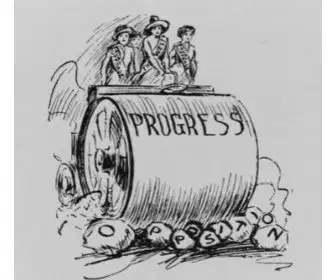
This time period focused on social and political reforms in the United States in the late 1800s and early 1900s:
Civil War Era
Industrialization Era
Progressive Era
Reconstruction Era

This U.S. president made significant contributions to breaking up big business during the Progressive Era:
Howard Taft
Woodrow Wilson
William McKinley
Theodore Roosevelt

Why did the Progressive Era grow in the United States?
because of the negative impact of industrialization
because of the negative impact of the civil war
because industrial tycoons were appalled by the conditions of factories
because the American people were disillusioned by WWI

People who were trying to get the 19th Amendment passed were supporting what?
Right to vote for 18 year olds
Right to vote for African Americans
Right to vote for women
Right to vote for those in prison

Those who wanted to make economic reform may have been concerned about which issue?
the influence of monopolies and trusts
eliminating political machines/bosses
conservation of natural resources
ending racial discrimination

What was the name of the political machine in NYC in the 1800s?
Rockefeller Hall
Carnegie Hall
Ordway Hall
Tammany Hall

People like W.E.B. du Bois participated in the movement against what?
Racism
Women's suffrage
Child Labor
Prohibition

What was Jacob Riis reveal to the public through his book, How The Other Half Lives?
living conditions of the tenement buildings in New York
working conditions of a textile mill
food production of a meatpacking plant
medical care of soldiers in WWI
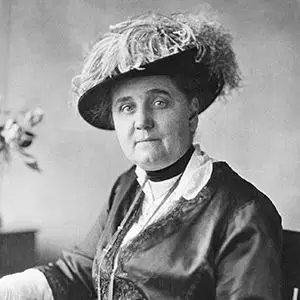
Creator of settlement houses to assist immigrants moving to the United States
W.E.B. Dubios
Elizabeth Canton
Jane Addams
Ida B. Wells
One of the founders of the NAACP
MLK
W.E.B. Dubois
Booker T. Washington
Thomas Nast
Considered a Progressive President who initiated the 'Square Deal'
Theodore Roosevelt
Franklin D. Roosevelt
Harry Truman
William Jennings Bryan
Responsible for the 'New Freedom' taming big business and encouraging greater competition. Would later be the President during World War I
Woodrow Wilson
Franklin D. Roosevelt
William Howard Taft
Harry Truman
The growing labor unrest of the late-1800s was MOST influenced by
the much-disputed result of the Presidential election in 1877.
Poor working conditions and a widening income gap between industrial laborers and factory bosses.
popular resistance to the idea of going to war with Spain over Cuba.
the Federal government's decision to end its use of the Gold Standard.
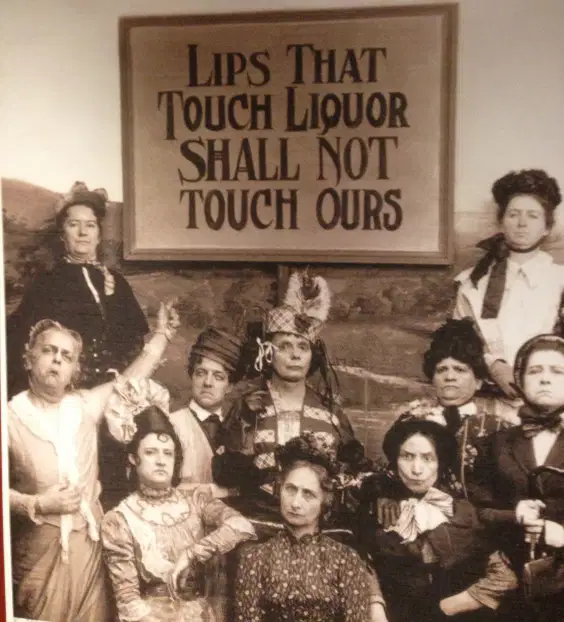
Carrie Nation and the Women’s Christian Temperance Union were MOST known for their work in what late- 19th and early-20th century movement?
abolition
prohibition
women's labor
women's suffrage
What was the nickname given for Teddy Roosevelt’s progressive plan for the American people after he became President?
New Deal
Progressive Deal
Square Deal
Deal or No Deal

This photograph shows
the effects of the stock market crash in 1929.
the economic and social benefits of the Industrial Revolution.
the conditions faced by workers in the south in the early 20th century.
the common conditions faced by child laborers in the early 20th century.
Women in the United States were MOST affected by which amendment?
The Nineteenth Amendment
The Twentieth Amendment
The Twenty-first Amendment
The Eighteenth Amendment
Which of the following was NOT a goal of the Progressive movement in the early 1900s?
improve working conditions
support the role of big businesses
remove corruption in government
eliminate discrimination in minorities
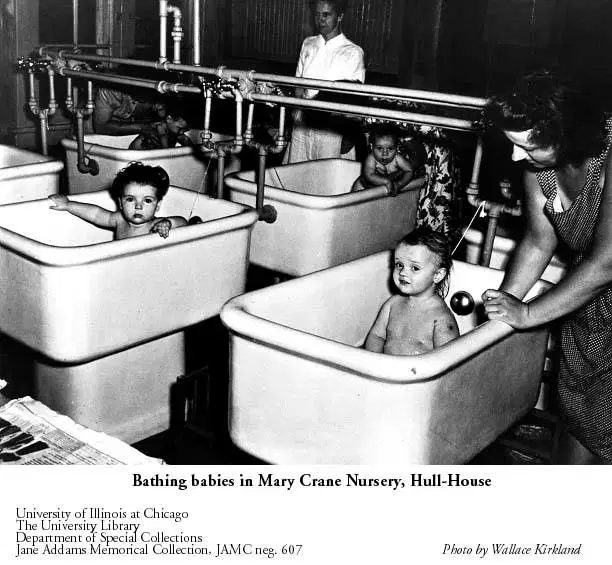
Which phrase best describes the purpose of Hull House during the early twentieth century?
providing religious instruction to future clergy members
serving as meeting halls for nativist political organizations
influencing the political practices of newly arrived immigrants
offering social services to economically disadvantaged neighborhoods
How did the publication of The Jungle by Upton Sinclair in 1906 most affect American industrialization?
by supporting laissez-faire policies
by exposing corrupt labor-union activities
by revealing unsanitary food-processing practices
by recommending fewer foreign immigration laws
The muckraking journalists associated with the Progressive Era were known primarily for their
willingness to expose the corruption of U.S. society.
articles supporting the economic benefits of laissez-faire economics.
use of the media to advocate the passage of the Equal Rights Amendment.
support for the formation of U.S. military alliances with European countries

Study the cartoon depiction of Boss Tweed, and then answer the question below.
With which statement would the artist most likely agree?
Political machines generated essential tax revenue.
Political machines used money to influence voters.
Boss Tweed was criticized for his political views.
Boss Tweed was renowned for his business skill

Use the political cartoon below to answer the question that follows.
What does this late nineteenth-century political cartoon by Thomas Nast satirize?
the corruption of progressive reformers
the corruption of urban political machines
the arrival of carpetbaggers to exploit the South
the disagreements between Republicans and Democrats

Look at the following cartoon created in the early twentieth century and answer the question below. How did social reformers address the issue shown in this cartoon?
by creating organizations to help workers and the poor
by disapproving of income tax increases for the wealthy
by supporting extended protections for religious minorities
by petitioning for immigration restrictions on women and children
During the Progressive Era, new amendments were added to the U.S. Constitution. Which amendment number created a national income tax?
14th
15th
16th
17th
During the Progressive Era, new amendments were added to the U.S. Constitution. Which amendment number allowed citizens to directly elect senators?
14th
15th
16th
17th
The NAACP was created to
promote the rights of African Americans.
organize ethnic enclaves in large urban centers.
direct immigrants to helpful services such as locating factory jobs.
promote settlement of the American Midwest away from large urban centers.

Match the following Progressive Era

IDA B. Wells
(Stop Lynching)

Jane Addams
(Hull House)

Sinclair
(Drug & Food Act)

W.E.B Dubois
(NAACP)

Susan B. Anthony
(Women Suffrage)

Progressive Era Amendments

raise income tax

17th Amendment
(Direct Election of Senator)

Prohibition of Alcohol

19th Amendment


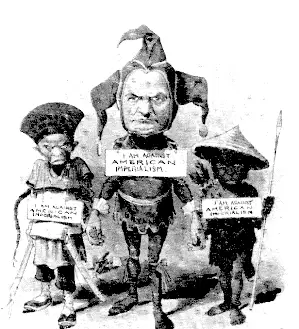
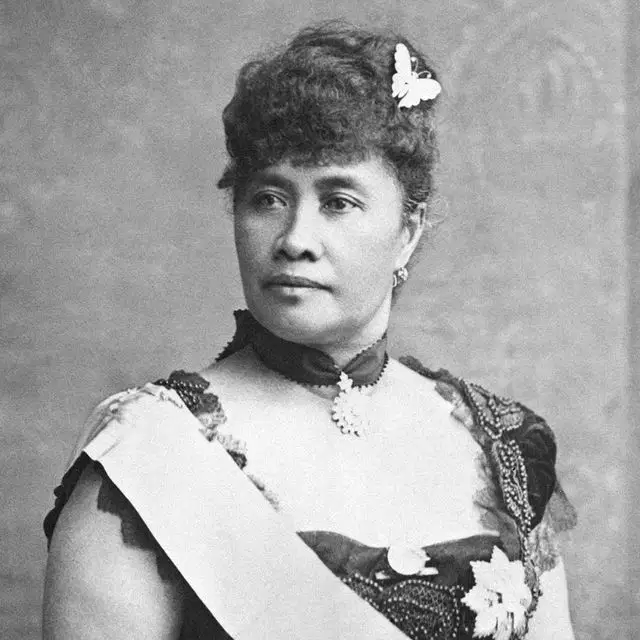
Platt Amendment's passage resulted in
Creation of US naval base in Guantanamo Bay, Cuba
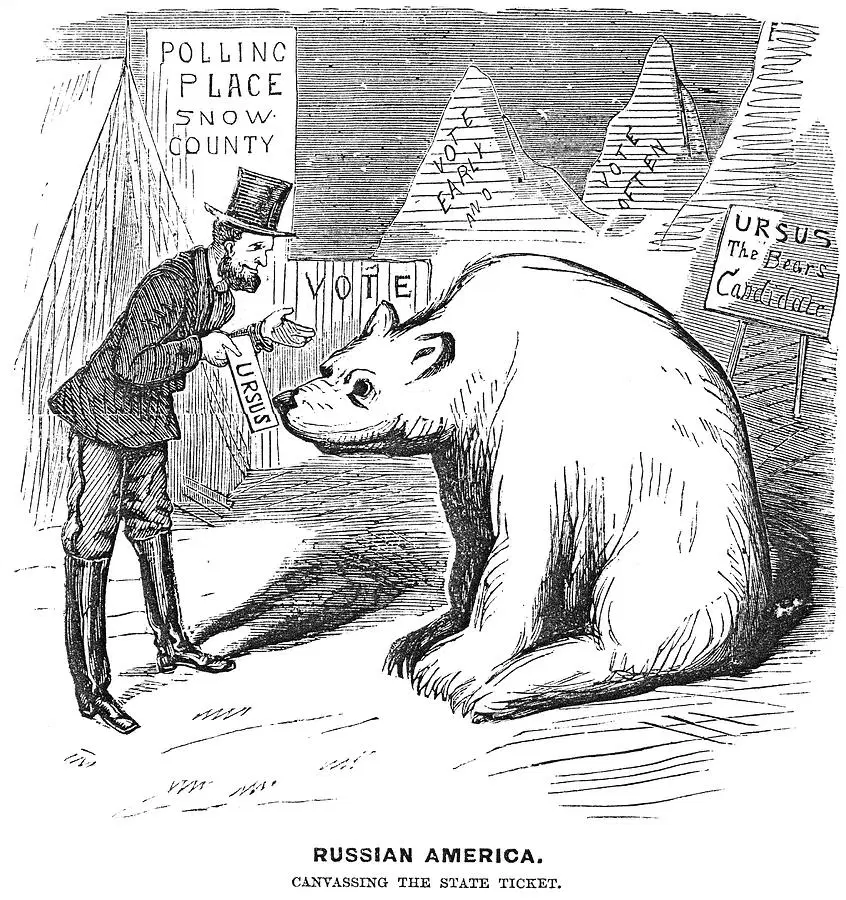
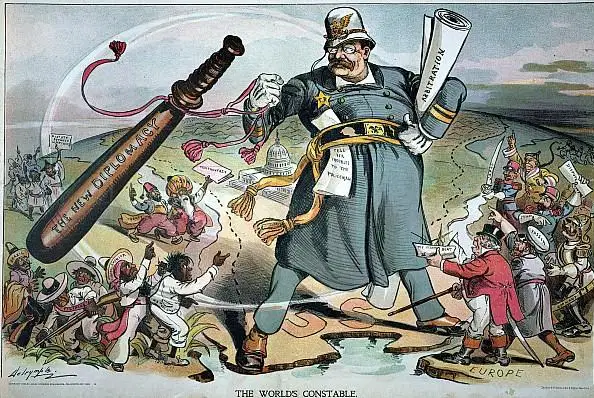


Which of the following is the best definition for 'imperialism?'
The act of one country declaring war on others.
The process of a country expanding its economic and political control over others.
The integration of a country's economy into a larger global community.
The forceful subjugation of one group by another within a country.

Each of the following are reasons why imperialism happens, except:
Market saturation: more goods are being produced than what can be sold inside of the country.
Capital accumulation: businesses desire to grow and expand their operations and thereby their profits.
New markets: businesses desire access to new potential consumers for their surplus products.
Capital imports: businesses want to promote more domestic competition by inviting foreign competitors.

Which territories did the United States acquire during the Spanish-American War of 1898?
Cuba, Puerto Rico, and China
Philippines, Puerto Rico, and Hawaii
Cuba, Puerto Rico, and Hawaii
Philippines, Puerto Rico, and Guam
Why did some people oppose imperialism?
They believed it would lead to diversity
They believed it was incompatible with democracy
They believed it would distract from domestic problems
They believed it would bring political domination

Which battle during the Spanish-American War made Theodore Roosevelt become famous in the United States?
Battle at San Juan Hill
Battle of Manila Bay
Battle of Santiago
Boxer Rebellion
Match the signature foreign policy to the President with which it is associated:

Open Door Policy

Big Stick Diplomacy

Dollar Diplomacy

Moral (Missionary) Diplomacy

What was the main motivation behind the annexation of Hawaii by the United States?
Need to expand markets for potential tourism and vacationing
Desire for strategic military and commercial position in the Pacific
Political rivalry with other imperial powers
Humanitarian concerns for the well-being of Hawaiians

Before 1898, the Philippines was a colony of:
Britain
Portugal
France
Spain
American imperialist and admiral who urged the United States to build up its navy and take colonies overseas
Sanford B. Dole
Alfred T. Mahan
William Seward
Valeriano Weyler
Political activist who worked for Cuban independence
Pancho Villa
Valeriano Weyler
José Martí
George Dewey
U.S. naval commander who led the American attack on the Philippines
Alfred T. Mahan
Valeriano Weyler
George Dewey
José Martí

Cavalry of volunteer soldiers led by Theodore Roosevelt in Cuba
Gendarmeries
Special forces
Rough Riders
Packfront
The treaty that ended the Spanish-American War
Treaty of Tordesillas
Treaty of Westphalia
Treaty of Versailles
Treaty of Paris
Filipino rebel leader during the Spanish-American War
John Hay
William Jennings Bryan
Emilio Aguinaldo
William McKinley
U.S. secretary of state who referred to the Spanish-American War as a "Splendid little war"
John Hay
Samuel Gompers
Emilio Aguinaldo
Andrew Carnegie
A channel across Central America, between the Atlantic and Pacific Oceans, opened in 1914
Suez Canal
Panama Canal
Hudson Strait
Bass Canal
The policy of intervening in other countries to protect U.S. business interests
Roosevelt Corollary
Dollar Diplomacy
Protectorate
Monroe Doctrine

Alfred Thayer Mahan supported moving the US into a position of power by
increasing funding for the US Air Force
improving relations with US allies
strengthening US naval capacity
bolstering US industrial output

Policy of Woodrow Wilson stating that the U.S. could not officially recognize governments that were oppressive, undemocratic, or opposed to U.S. business interests
Moral Diplomacy
Dollar Diplomacy
Open Door Policy
Big Stick Diplomacy
What did President Roosevelt do in order to get the rights to build a canal in Panama at a lower Price?
Sent troops to support Panamanians in fight against Colombia
Sent troops to fight Panama
Sent troops to over throw the world
Sent troops to go on vacation
US paid $20 million, per the Treaty of Paris, for which country?
The Filipinos helped the U.S. defeat Spain
True
False
The African American unit that fought in the Spanish-American War was the
Storm-troopers
49ers
Buffalo Soldiers
Rough Riders
Which Civil Rights leader advocated for African-Americans to improve themselves through education and job training?
W.E.B. DuBois
Susan B. Anthony
Marcus Garvey
Booker T. Washington

