
 Worksheets
MD Course Final - Review
Total questions: 13
Worksheet time: 26mins
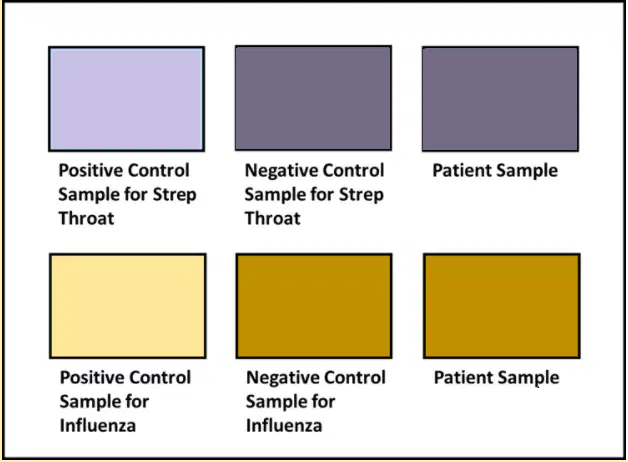

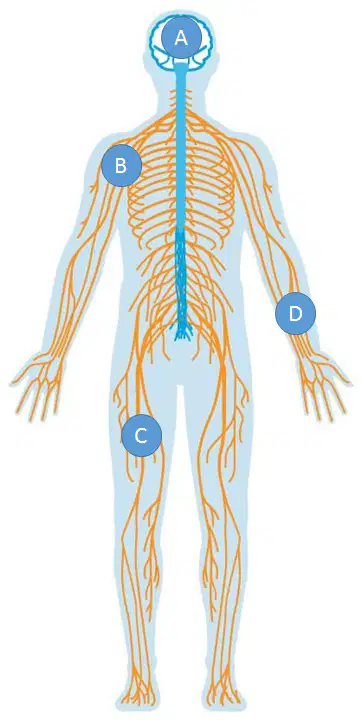
Many cases of patients with similar symptoms are being admitted to a local emergency room. It is believed that these patients are sick from a foodborne illness outbreak caused by a bacterial disease agent that leads to problems with the nervous system.
How would medical professionals work to help these patients and prevent future cases? Choose ALL that apply
The ER doctor would work with a neurologist to diagnose and treat the patient.
A microbiologist would work with the patient sample sent to the lab to confirm the presence of the bacteria or determine the best antibiotic to use.
An epidemiologist would investigate patterns between the affected patients and investigate causes of the illness to identify the source of the outbreak and prevent further illness.
None of these
Experiment 1
A group of students performed an experiment to see whether running in place for two minutes or being in a hot room would increase body temperature.
- They had five students sit in a chair for two minutes and then measured their body temperature.
- They had the same five students run in place for two minutes in a hot room and then measured their body temperature after running.
- They repeated the experiment three times.
- They analyzed their results, they concluded that running in place does increase body temperature and that being in a hot room does increase body temperature.
Which of the following should be included in a clear protocol for Experiment 1? Choose ALL that apply
Includes a control.
Each step is clear and specific so another scientist could repeat your experiment.
Includes multiple trials.
Includes multiple independent variables
Match the cause of illness to the standard treatment.
virus
Rest, fluids, occasionally antiviral med
bacteria
Antibiotic medication
fungus
Antifungal medication
A patient comes to you with complaints of intense headaches on the left side of his head just behind his eye. He also tells you that lately he has had trouble concentrating and feels unusually angry and confused. You ordered a variety of diagnostic tests and have the following results:
- Patient’s speech, hearing, and vision appear normal.
- Patient’s ability to perform memory tasks is less than expected for his age.
- Patient’s ability to control movement and balance appear normal.
Due to these symptoms, you suspect an issue with his central nervous system.
What additional test or tests would you order to help with the diagnosis and why?
CT scan because it can show brain abnormalities
BLC scan because it can show blood abnormalities
MRI scan because it can show brain abnormalities
NRV scan because it can show nerve abnormalities
Lindsey is taking pictures of animals at a local park. She sees a squirrel run across the grass and up a nearby tree. Lindsey picks up her camera and takes a picture of the squirrel.
Choose the correct order for the statements below to explain how the nervous system worked to sense, process, and respond to stimuli in Lindsey’s scenario.
Lindsey sees the squirrel.
She is using the sense of sight to receive this input and sends this information as a signal through her sensory neurons to her brain.
Her brain processes the information and initiates the muscular movement of her arms and hands to pick up and use the camera.
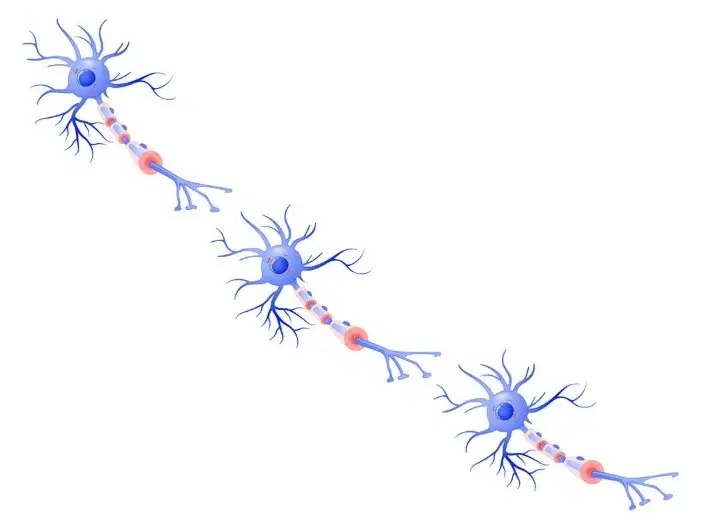
Choose the correct order for the way a signal travels through one neuron and into the next neuron in the chain.
dendrite (first one)
cell body
axon
synapse
dendrite (second one)

Match the manner of spread with each illness.
Cholera
Foodborne
Lyme Disease
Vector borne
Measles
Person-to-Person

