
 Worksheets
PHOTO Final sem 2
Total questions: 50
Worksheet time: 50mins

A grid like this can be used to perform what composition rule?
Rule of Thirds
Framing
Spacing
Leading Lines
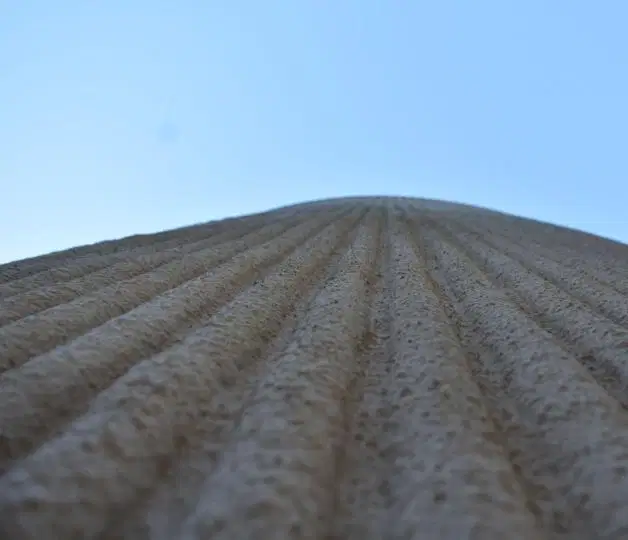
Lines in a photo that direct a viewer’s focus to the photo’s subject are called?
Leading Lines
Mistakes
Framing
Lines
The rule of thirds states that objects and subjects of focus should be in the center of the photo
True
False

A great photo incorporates elements of design and good composition
True
False

________ refers to the way a photo is constructed or planned to make the biggest possible impact.
Composition
Photography
Leading Lines

If you can change the angle or viewpoint of your photograph, you automatically make it more interesting.
True
False

This is an example of -
Fill the frame
Leading lines
Rule of Thirds

When is the best time to take pictures outside?
Dusk and early morning
Cloudy day
Any time of day

What is the primary photo technique of this image?
Directional lighting
Rule of odds
Light painting
Motion blur

What photography genre shows people?
Landscape
Portrait
Abstract
Still Life

What important tool did you use in the Invisibility Illusion project
Magnetic Lasso
Paint Bucket
Gradient
Smudge, Sharpen and Blur Tool


What type of portrait is this?
None
Weird
Selfie
Conceptual


Photos that have a strong, dominant focal point and/or center of interest are called...
Strong Subject
Leading Lines
Rule of Thirds

Using natural elements to create a frame or border around the subject of the photo, so your audience knows exactly what your focus is, is called what?
Framing
Rule of Thirds
Repetition
Say What?

When a photographer narrows a picture’s depth of field so that only part of the picture is in focus, it draws attention to that particular area and is called?
Selective Focus
Poor choice
Rule of Thirds
Blurry Composition

Worm's Eye View
Bird's Eye View
Normal Eye View

The two main angles are?
Bird's, Worm's
Word, Book
Normal, Directional
Acute, Obtuse

This is an example of which photography technique?
leading lines
framing
asymmetrical balance


This is an example of which photography technique?
birdseye view
worms eye view
framing
Which aperture is largest?
A) f/2.8
B) f/16
C) f/22


What does this image represent?
depth of field
aperture scale
shutter speeds

This picture best shows the example of which element
color
framing
texture
None

This image shows...
Fast shutter speed
Slow shutter speed
Rule of odds
Rule of thirds

The part of the camera you hold your eye up to is called the:
pentaprism
viewfinder
mirror
digital sensor

What is the term used to describe how much is in focus in front of and behind your subject?
Focal Length
Depth of Field
Motion Blur
Shutter Speed

What is the main focal point in this photo?
the color
the light
the shadows
the dirty

Which statement is true?
Get as many people as possible in a photo.
Always stand on two feet to get the best photo.
Plan to take 50 photos to get one great one.
A blurry photo is a good photo

Which composition element is a photographer using if he or she leaves the subject in focus and "blurs" the rest of the image?
Leading Lines
Depth of Field
Framing
Repetition
What is something new you learned about photography this semester?
About how many pictures should you take to get one good one?
50
1
20
depends on if you are good photographer

What is the
main goal of a photojournalist
to tell a story with
pictures, not words.
to take pictures
to make a book
to take interesting pictures

In terms of composition, what does "leading lines" refer to?
Lines that lead the viewer's eye to the main subject of the photograph
The edges of the photo frame
Horizontal lines that divide the photo into thirds
The outline of the main subject
What does the aperture do?
Changes the time light can enter the camera?
Changes the size of the opening that light comes through.
Changes the sensitivity of the image sensor


Doing the light box project the light box can fool the camera's meter in to
over exposure
under exposure
out of focus
hyper saturated color

Micro
What was your favorite project?
Why?
(Two part question- complete sentences)
The three most important settings for exposing an image with a camera are...
A) Auto-focus, ISO, and Flash.
B) ISO, Manual Focus, and White Balance.
C) Aperture, Shutter Speed, and ISO.
D) Depth of field, Aperture, and Shutter Speed.

Photojournalism is telling a story using pictures.
true
false

Photo editing includes
Lightening a dark photo
Cropping a photo
Photo shopping a student in a picture that was not there originally
Fixing skin tone color or blemishes
If you want a smaller depth of field you could get _______ your subject.
farther away from
closer to
What might you do in low light situations to get a better exposure?
A) Decrease the ISO.
B) Increase the shutter speed.
C) Open the aperture.
D) Give up.

