wayground logo

Free Printable Worksheets

NEW

Font size

S
M
L
XL
Worksheets

Unit 4 Vocabulary

Total questions: 53

Worksheet time: 26mins

Name
Class
Date
1.

What is Geology?

a)
The study of the Earth's atmosphere and weather patterns.
b)
The study of the Earth's solid materials and the processes that shape the Earth's structure.
c)
The study of the Earth's plant and animal life.
d)
The study of the Earth's celestial bodies and outer space.
2.

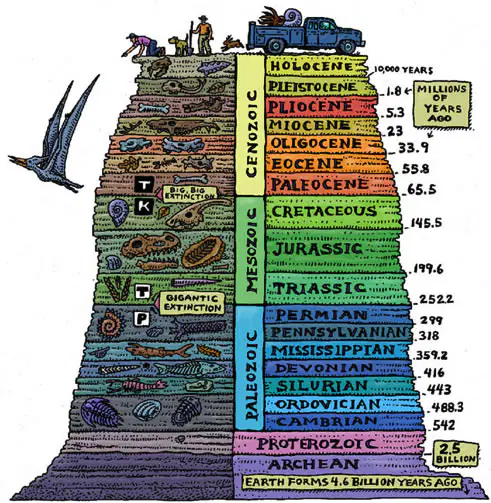
What is a Fossil Record

a)
The fossil record is a collection of all the preserved evidence of past life found in rocks and sedimentary layers.
b)
The fossil record is a collection of all the preserved evidence of past life found in water and ocean layers.
c)
The fossil record is a collection of all the preserved evidence of future life found in rocks and sedimentary layers.
d)
The fossil record is a collection of all the preserved evidence of current life found in rocks and sedimentary layers.
3.

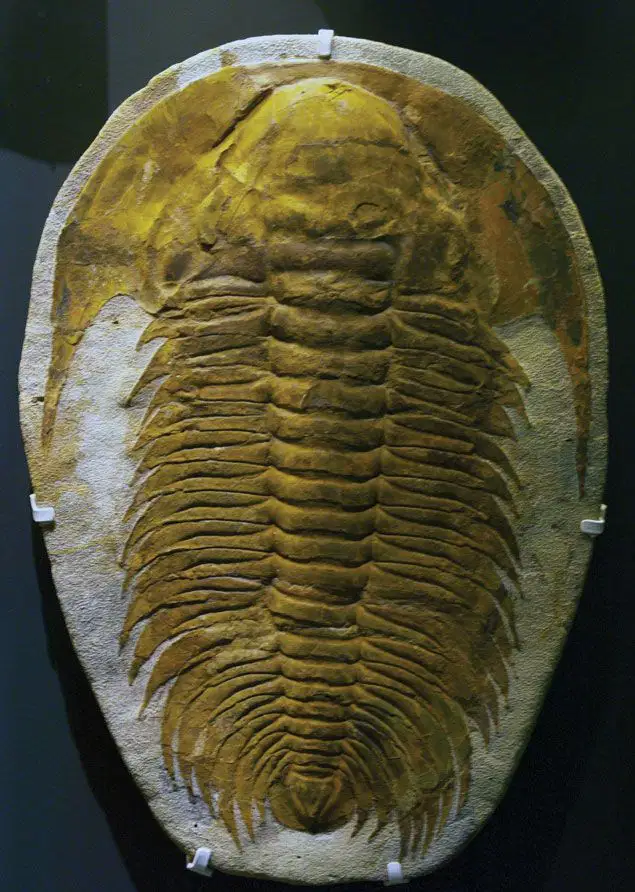
What is a Fossil

a)
A type of plant
b)
A type of weather phenomenon
c)
The preserved remains or traces of a once-living organism.
d)
A type of rock formation
4.

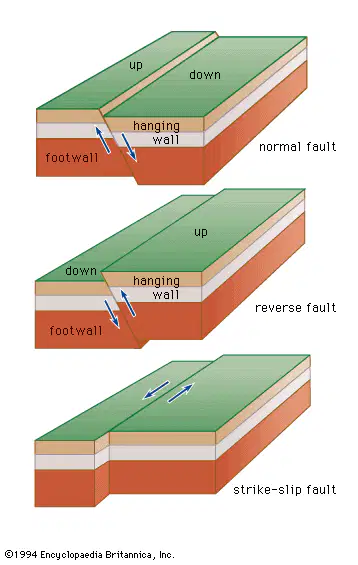
What is Dip Slip Fault

a)
A dip slip fault is a type of fault where the movement is primarily rotational along the dip of the fault plane.
b)
A dip slip fault is a type of fault where the movement is primarily vertical along the dip of the fault plane.
c)
A dip slip fault is a type of fault where the movement is primarily diagonal along the dip of the fault plane.
d)
A dip slip fault is a type of fault where the movement is primarily horizontal along the dip of the fault plane.
5.

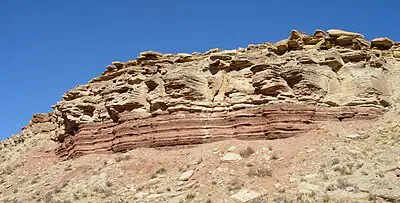
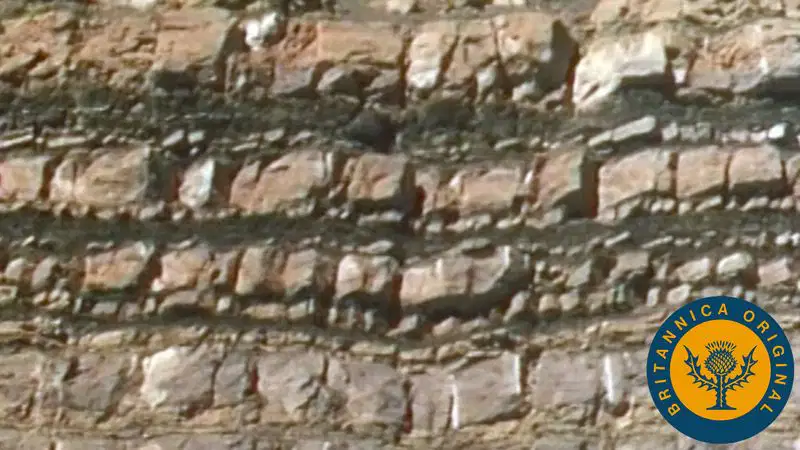
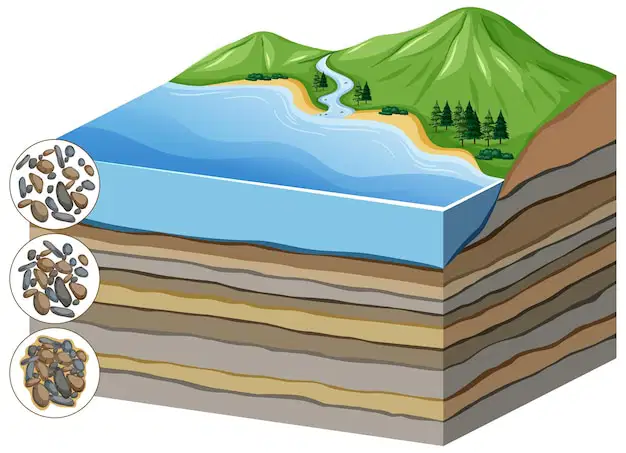
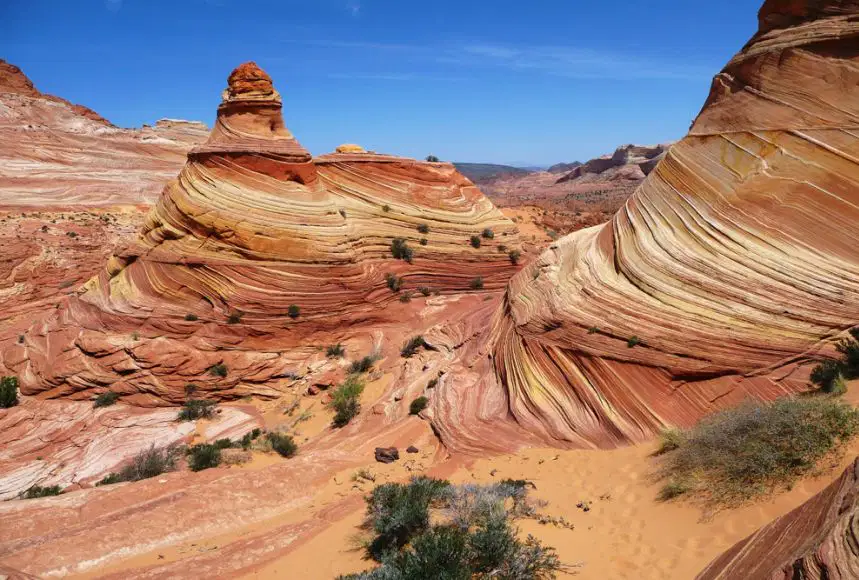
What is sedimentary rock

a)
Igneous rock
b)
Metamorphic rock
c)

Sedimentary rock found above the surface of the earth
d)
Volcanic rock
6.

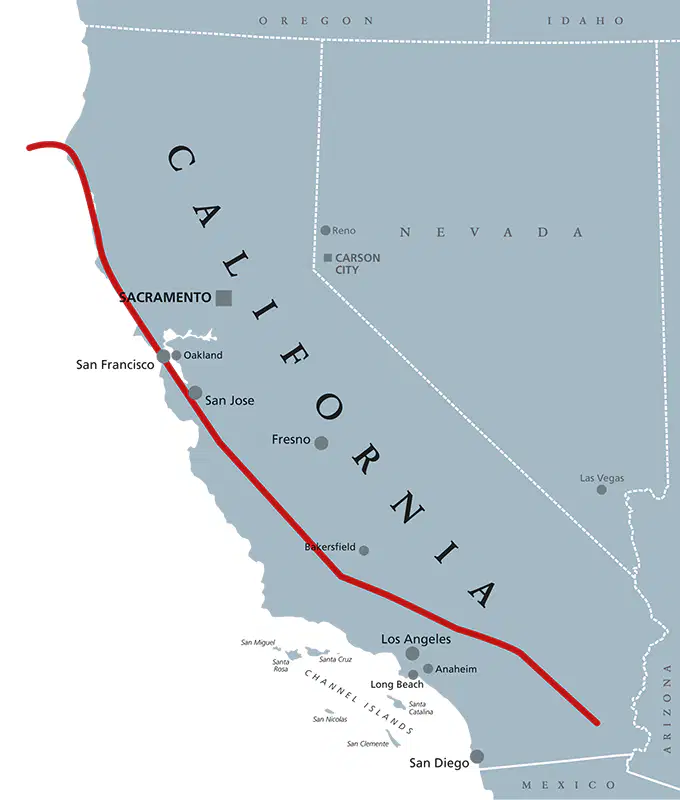
What is Strike Slip Fault

a)
A strike-slip fault is a type of fault where rocks on either side of the fault move horizontally in opposite directions.
b)
A strike-slip fault is a type of fault where rocks on either side of the fault move vertically in opposite directions.
c)
A strike-slip fault is a type of fault where rocks on either side of the fault do not move at all.
d)
A strike-slip fault is a type of fault where rocks on either side of the fault move horizontally in the same direction.
7.

What is Ingenous Rock

a)
A type of rock formed from water erosion
b)
A type of rock formed from organic matter
c)
A type of rock formed from magma or lava
d)
A type of rock formed from sediment
8.

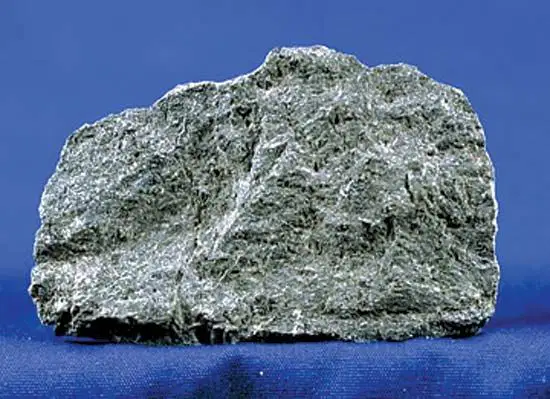
what is metamorphic Rock

a)
Metamorphic rock is rock that has been changed by extreme heat and pressure.
b)
Metamorphic rock is rock that has been changed by volcanic activity.
c)
Metamorphic rock is rock that has been changed by erosion and weathering.
d)
Metamorphic rock is rock that has been changed by extreme cold and pressure.
9.

What is Sediment

a)
Solid particles transported and deposited by wind, water, or ice
b)
Particles created by living organisms
c)
Particles produced by chemical reactions
d)
Particles formed by volcanic eruptions
10.

What is the Rock Cycle

a)
The rock cycle is a type of exercise routine involving lifting heavy rocks.
b)
The rock cycle is a popular rock band from the 1980s.
c)
The rock cycle is a geological event where rocks fall from the sky.
d)
The rock cycle is a continuous process that describes how rocks are formed, changed, and recycled over time.
11.

What is Deposition

a)
Solid to gas
b)
Liquid to gas
c)

The laying down of sediment carried by wind, flowing water, or ice

d)
Gas to liquid
12.

What is weathering?

a)

the erosion of different objects

b)

The weather outside

c)

Rain

d)

Snow

13.

What is cementation

a)
The process of binding or gluing particles together to form a solid mass.
b)
The process of evaporating particles to form a solid mass.
c)
The process of melting particles to form a solid mass.
d)
The process of separating particles to form a solid mass.
14.

What is Erosion

a)
The process of building up rocks, soil, or other materials on the Earth's surface by natural forces such as water, wind, or ice.
b)
The process of wearing away or breaking down of rocks, soil, or other materials on the Earth's surface by natural forces such as water, wind, or ice.
c)
The process of creating new rocks, soil, or other materials on the Earth's surface by natural forces such as water, wind, or ice.
d)
The process of breaking down of rocks, soil, or other materials beneath the Earth's surface by natural forces such as water, wind, or ice.
15.

what is compaction

a)
The process of organizing data in a database.
b)
The process of encrypting data to make it more secure.
c)
The process of increasing the size of data or expanding it to occupy more space.
d)
The process of reducing the size of data or compressing it to occupy less space.
16.

What is Extrusive Rock

a)
Intrusive rock
b)
Sedimentary rock
c)
Extrusive rock
d)
Metamorphic rock
17.

What is Intrusive Rock?

a)
A type of sedimentary rock that forms from the accumulation of organic materials.
b)
A type of metamorphic rock that forms from the recrystallization of existing rocks.
c)
A type of rock that is formed by the cooling and solidification of lava or magma on the Earth's surface.
d)
A type of igneous rock that forms beneath the Earth's surface.
18.

What is Foilated Rock

a)

Foliated rock with ridges

b)
Metamorphic rock
c)
Sedimentary rock
d)
Granite
19.

What is Nonfoilated Rock

a)
A type of rock that has not undergone foliation
b)
A type of rock that is formed from volcanic activity
c)
A type of rock that is formed from sedimentary rocks
d)
A type of rock that has undergone foliation
20.

what is Lithosphere

a)
The lithosphere is the liquid inner layer of the Earth.
b)
The lithosphere is the layer of the Earth's core.
c)
The lithosphere is the layer of the atmosphere closest to the Earth's surface.
d)
The lithosphere is the rigid outer layer of the Earth.
21.

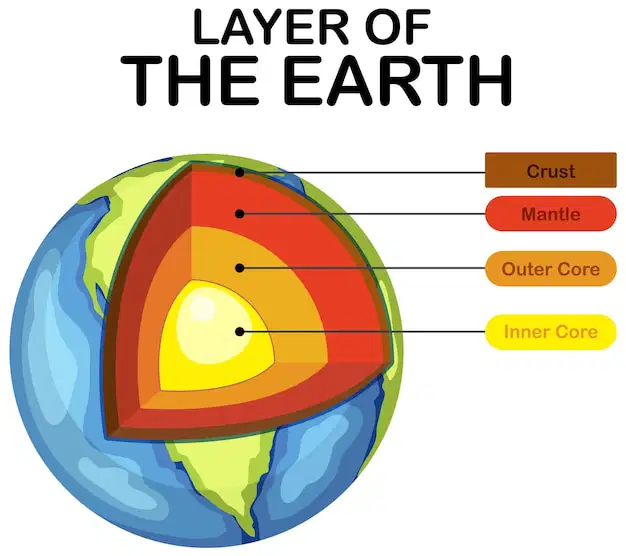
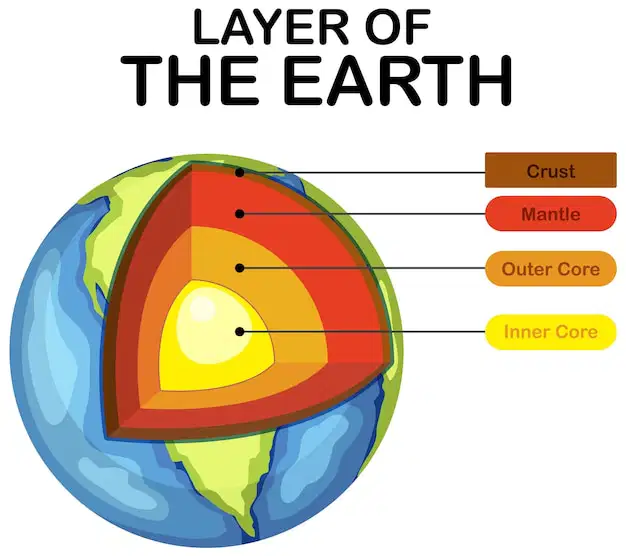
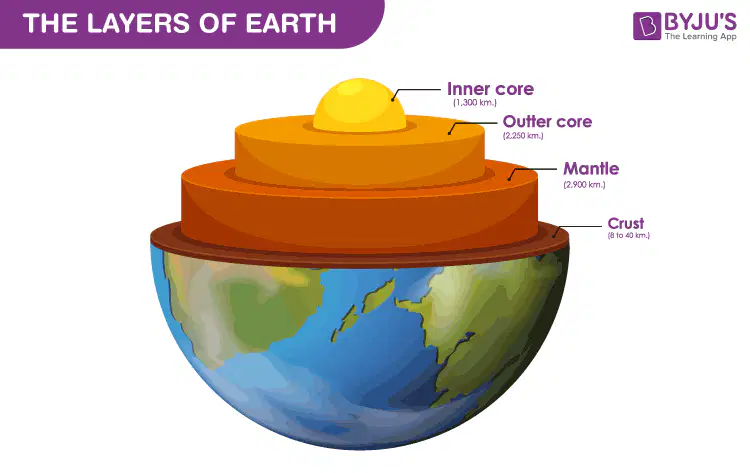
What is the Crust

a)
The crust is the outermost layer of the Earth's surface.
b)
The crust is a type of rock found in caves.
c)
The crust is a type of bread.
d)
The crust is a layer of ice on top of a frozen dessert.
22.

What is the mantle?

a)
The mantle is a layer of the Earth's atmosphere.
b)
The mantle is a layer of the Earth between the crust and the core.
c)
The mantle is a type of decorative piece used in interior design.
d)
The mantle is a type of clothing worn during religious ceremonies.
23.

What is the Outer Core?

a)
The Outer Core is the layer of gas that surrounds the Earth's atmosphere.
b)
The Outer Core is the layer of solid rock that surrounds the Earth's mantle.
c)
The Outer Core is the layer of molten iron and nickel that surrounds the solid inner core of the Earth.
d)
The Outer Core is the layer of ice that surrounds the Earth's surface.
24.

What is the Inner Core?

a)
The Inner Core is the outermost part of the Earth.
b)
The Inner Core is the innermost part of the Earth.
c)
The Inner Core is a layer of gas surrounding the Earth.
d)
The Inner Core is a celestial body in outer space.
25.

What are Plate tectonics?

a)
Plate tectonics refers to the process of erosion and sedimentation on the Earth's surface.
b)
Plate tectonics is the study of the Earth's atmosphere and weather patterns.
c)
Plate tectonics is the belief that the Earth is flat and stationary.
d)
Plate tectonics is the scientific theory that explains the movement and interaction of the Earth's lithosphere plates.
26.

What is Convection?

a)
The process of heat transfer through the movement of a solid caused by differences in temperature.
b)
The process of heat transfer through the movement of a fluid caused by differences in density.
c)
The process of heat transfer through the movement of a fluid caused by differences in temperature.
d)
The process of heat transfer through the movement of a gas caused by differences in pressure.
27.

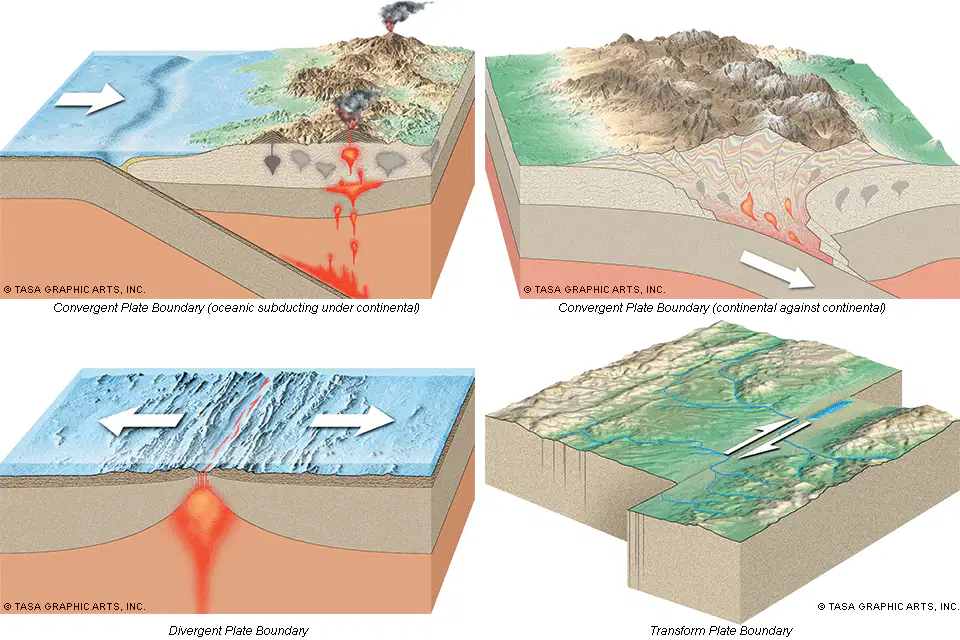
What are Plate Boundary

a)
Plate boundaries are the lines where two tectonic plates separate.
b)
Plate boundaries are the areas where two tectonic plates overlap.
c)
Plate boundaries are the edges where two tectonic plates meet.
d)
Plate boundaries are the regions where two tectonic plates do not interact.
28.

What is a Fault

a)
A fault is a type of earthquake
b)
A fault is a fracture or discontinuity in a rock formation where there has been movement of the rock on either side of the fracture.
c)
A fault is a type of volcano
d)
A fault is a type of sedimentary rock
29.

What is a seismic wave

a)
A seismic wave is a wave of energy that travels through the ocean's layers, caused by underwater earthquakes or other seismic sources.
b)
A seismic wave is a wave of energy that travels through the atmosphere, caused by thunderstorms or other atmospheric disturbances.
c)
A seismic wave is a wave of energy that travels through outer space, caused by celestial events or other astronomical sources.
d)
A seismic wave is a wave of energy that travels through the Earth's layers, caused by earthquakes or other seismic sources.
30.

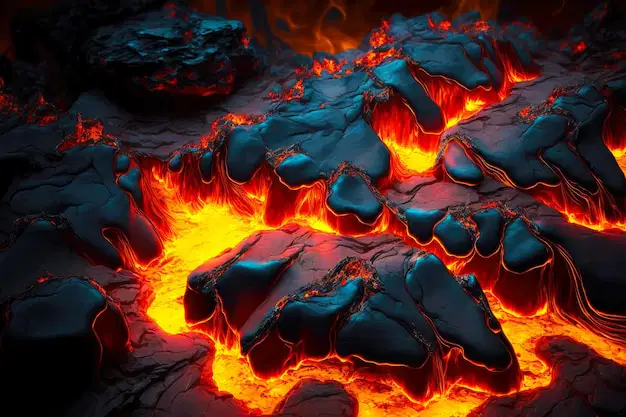
What is Lava

a)
Hot liquid rock that comes from a volcano.
b)
A type of igneous rock formed from solidified lava.
c)
A type of sedimentary rock formed from volcanic ash and debris.
d)
Molten rock that erupts from a volcano or fissure in the Earth's surface.
31.

What is Magma

a)
Lava
b)

Melted rock formed underground

c)

melted rock formed above ground

d)

hot water

32.

What is Subduction

a)
Subduction is the movement of tectonic plates away from each other.
b)
Subduction is the process of two tectonic plates colliding and forming mountains.
c)
Subduction is a geological process where one tectonic plate moves under another plate and sinks into the Earth's mantle.
d)
Subduction is a type of volcanic eruption.
33.

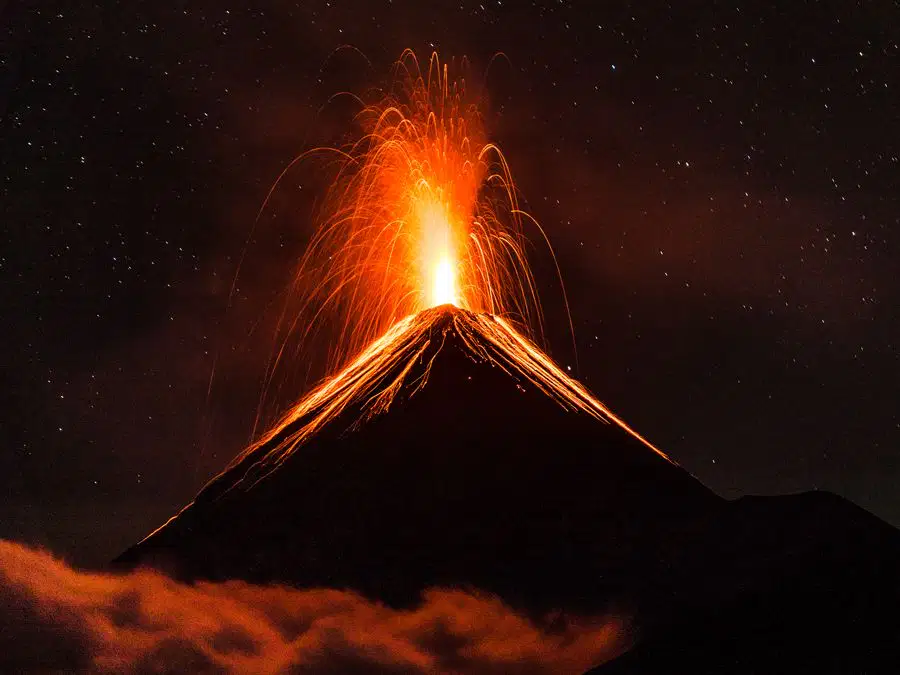
What is a Volcano

a)
A volcano is a geological formation where molten rock, ash, and gases escape from beneath the Earth's surface.
b)
A volcano is a large mountain made of ice and snow.
c)
A volcano is a type of bird that can fly long distances.
d)
A volcano is a man-made structure used for storing water.
34.

What is a Hot Spot?

a)
A Hot Spot is a specific geographic location with a high concentration of public Wi-Fi access points.
b)
A Hot Spot is a type of weather phenomenon.
c)
A Hot Spot is a term used to describe a place with high crime rates.
d)
A Hot Spot is a popular tourist destination.
35.

What is an earthquake

a)
An earthquake is a result of volcanic activity.
b)
An earthquake is a slow and gradual shaking of the ground.
c)
An earthquake is caused by the movement of tectonic plates.
d)
An earthquake is a sudden and violent shaking of the ground.
36.

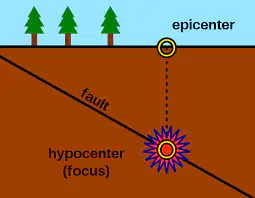
What is an Epicenter

a)

The epicenter, epicentre, or epicentrum in seismology is the point on the Earth's surface directly above a hypocenter or focus, the point where an earthquake or an underground explosion originates.

b)
Epic Central
c)
Epic Centre
d)
Epicenter
37.

What is the Focus (of an Earthquake)

a)
The focus of an earthquake is the point of origin in outer space.
b)
The focus of an earthquake is the point of origin in the atmosphere.
c)
The focus of an earthquake is the point of origin on the Earth's surface.
d)
The focus of an earthquake is the point of origin within the Earth.
38.

What is a Mountain Range

a)
A mountain range is a type of ocean.
b)
A mountain range is a type of forest.
c)
A mountain range is a type of dessert.
d)
A mountain range is a series or chain of mountains.
39.

What is a Plateau

a)
A plateau is a type of mountain.
b)
A plateau is a deep valley.
c)
A plateau is a body of water.
d)
A plateau is a flat, elevated landform.
40.

What are ocean trenches

a)
Long, narrow depressions in the ocean floor formed by the subduction of tectonic plates.
b)
Shallow areas in the ocean where sunlight cannot penetrate
c)
Underwater mountains formed by volcanic activity
d)
Areas of the ocean with high levels of salinity
41.

What is the Asthenosphere

a)
A layer of the Earth's crust beneath the asthenosphere
b)
A layer of the Earth's mantle beneath the lithosphere
c)
A layer of the Earth's core beneath the asthenosphere
d)
A layer of the Earth's atmosphere beneath the asthenosphere
42.

What is the Divergent Boundary

a)
A divergent boundary is a tectonic plate boundary where two plates slide past each other.
b)
A divergent boundary is a tectonic plate boundary where two plates collide.
c)
A divergent boundary is a tectonic plate boundary where two plates sink beneath each other.
d)
A divergent boundary is a tectonic plate boundary where two plates move away from each other.
43.

What is the Convergent Boundary

a)
A divergent boundary where two tectonic plates are moving away from each other
b)
A boundary where two tectonic plates are sliding past each other
c)
A convergent boundary is a boundary where two tectonic plates are moving towards each other, resulting in the collision of the plates.
d)
A boundary where there is no movement of tectonic plates
44.

What is the Transform boundary

a)
A transform boundary is a type of plate boundary where two plates slide past each other horizontally.
b)
A transform boundary is a type of plate boundary where two plates sink beneath each other, forming a subduction zone.
c)
A transform boundary is a type of plate boundary where two plates move away from each other, creating a gap.
d)
A transform boundary is a type of plate boundary where two plates collide and form mountains.
45.

What is a Seismograph

a)
A seismograph is a tool used to detect underground water sources.
b)
A seismograph is a device used to measure the temperature of the Earth's core.
c)
A seismograph is a machine used to measure the distance between two tectonic plates.
d)
A seismograph is a scientific instrument used to measure and record the vibrations of the Earth caused by seismic waves.
46.

what is a Primary Wave

a)
A primary wave is a type of sound wave that is produced by musical instruments.
b)
A primary wave is a type of ocean wave that occurs during high tide.
c)
A primary wave is a type of electromagnetic wave that is emitted by the sun.
d)
A primary wave is a type of seismic wave that is the first to be detected by seismographs during an earthquake.
47.

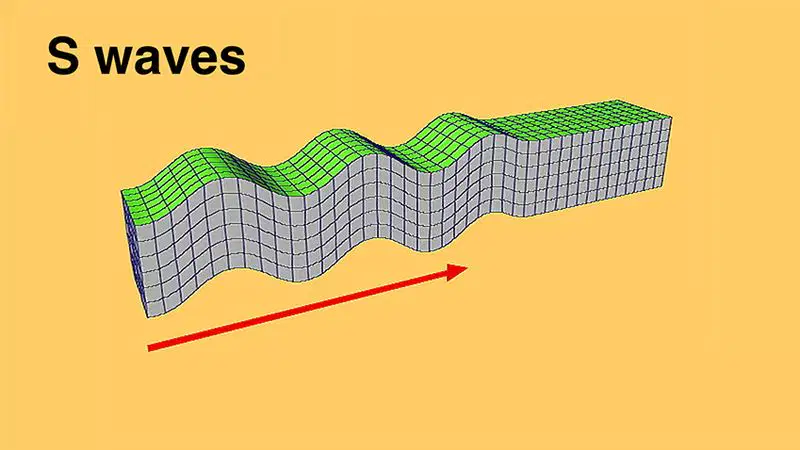
What is a secondary wave

a)
A secondary wave is a type of ocean wave.
b)
A secondary wave is a type of electromagnetic wave.
c)
A secondary wave is a type of sound wave.
d)
A secondary wave, also known as an S-wave, is a type of seismic wave that travels through the Earth's interior.
48.

What is a surface wave

a)
A surface wave is a type of electromagnetic wave that travels through the air.
b)
A surface wave is a type of ocean wave that forms on the surface of the water.
c)
A surface wave is a type of sound wave that travels through the atmosphere.
d)
A surface wave is a type of seismic wave that travels along the Earth's surface.
49.

What is a rift valley

a)
A rift valley is a linear-shaped lowland between several highlands or mountain ranges created by the action of a geologic rift or fault.
b)
A rift valley is a type of volcano
c)
A rift valley is a type of glacier
d)
A rift valley is a man-made structure
50.

What is Pangea

a)
Pangea is a type of dinosaur that lived during the Jurassic period
b)
Pangea is a type of fruit found in South America
c)
Pangea is a famous landmark in Europe
d)
Pangea was a supercontinent that existed millions of years ago and included almost all of the Earth's landmasses before breaking apart into the continents we know today.
51.

What is Continental Drift

a)
The theory that the Earth's continents have moved over time due to plate tectonics.
b)
The theory that the Earth's continents have moved due to human activity.
c)
The theory that the Earth's continents are stationary and have never moved.
d)
The theory that the Earth's continents have moved due to the gravitational pull of the moon.
52.

What is Mid Ocean range

a)
The Mid Ocean range is a series of islands in the Pacific Ocean.
b)
The Mid Ocean range is a desert located in the middle of the ocean.
c)
The Mid Ocean range is a man-made structure used for oil drilling in the ocean.
d)
The Mid Ocean range is a continuous underwater mountain range that runs through the Atlantic Ocean.
53.

What is Seafloor spreading

a)
Seafloor spreading is the process of creating new continental crust through volcanic activity and moving it towards mid-ocean ridges.
b)
Seafloor spreading is the process of creating new oceanic crust through volcanic activity and moving it away from mid-ocean ridges.
c)
Seafloor spreading is the process of creating new oceanic crust through tectonic plate collisions.
d)
Seafloor spreading is the process of creating new oceanic crust through erosion and sedimentation.