
 Worksheets
Test 3 Cells and Organelles
Total questions: 32
Worksheet time: 16mins
Name
Class
Date
1.
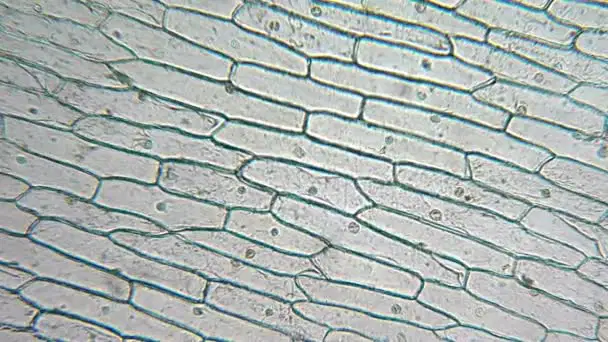
A rigid structure that surrounds the cell membrane and provides support to plant cells.
a)
Cell Wall
b)
Cytoskeleton
c)
Organelle
d)
Flagella
2.
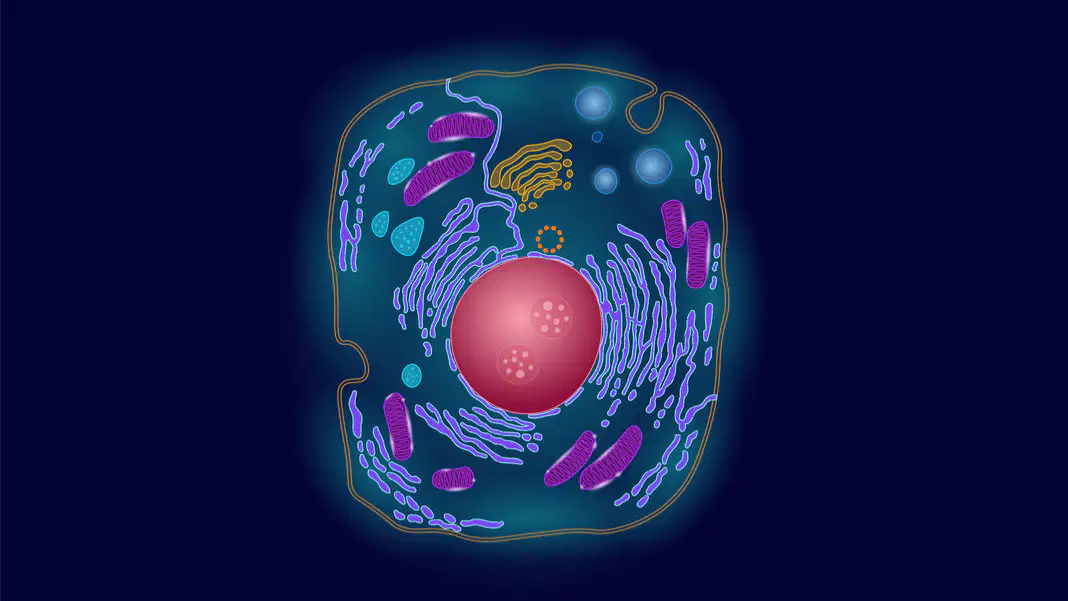
Tiny cell structures that carry out specific jobs within the cell
a)
Vesicles
b)
Cell Wall
c)
Organelles
d)
Ribosomes
3.
A virus can reproduce only inside a cell. Once inside, the virus causes the cell to make many new copies of the virus.
In an animal, which part of the cell is responsible for keeping viruses out?
a)
Cell Membrane
b)
Ribosome
c)
Cell Wall
d)
Nucleus
4.
If the eyepiece has a magnification of 10x and the objective lens being used is 25x, then what is the total magnification?
a)
25xx
b)
35x
c)
100x
d)
250x
5.
Several kinds of specialized cells work together to create the sense of hearing. Hair-shaped cells sense vibrations and nerve cells send signals to the brain. Structural cells hold the hair cells in place.
No matter their specialty, which functions must ALL CELLS perform to survive? Choose the three statements that apply.
a)
bringing in nutrients and water
b)
conducting nerve signals
c)
getting rid of wastes
d)
obtaining energy
e)
helping to produce a new organism
6.
DIRECTIONS for how to build proteins.
a)
Cytoplasm
b)
DNA
c)
Ribosomes
d)
Mitochondria
7.
All the organelles in a cell work together to help the cell and the whole organism function. Some diseases are caused by the failure of one type of organelle. Read the description below of an example of this type of disease.
Joe’s cells CAN NOT CONVERT FOOD ENERGY INTO ENERGY THEY CAN USE. As a result, he gets extremely tired, has weak legs, and can’t breathe well. Joe swims every day to keep his body as strong as possible. Which organelle is affected by Joe's disease?
a)
Chloroplast
b)
Mitochondria
c)
Vacuoles
d)
Golgi
8.
Which of the following is true of ALL cells?
a)
All cells contains ribosomes, DNA, cytoplasm and a cell membrane
b)
All cells are surrounded by a cell wall and a cell membrane
c)
All cells are made up of tissues
d)
All cells have a nucleus
9.
Photosynthesis takes place in the:
a)
mitochondria
b)
chloroplasts
c)
cell wall
d)
nucleus
10.
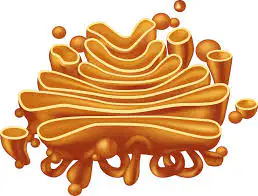
Packages and ships materials out of cell in vesicles
a)
Rough ER
b)
Golgi Complex
c)
Cell Membrane
d)
Nucleus
11.
What part of the cell produces protein.
a)
Nucleus
b)
Ribosomes
c)
Lysosomes
d)
Mitochondria
12.
True/False: Lysosomes break down dead and waste particles in a cell.
a)
True
b)
False
13.
What type of cell would have more mitochondria? A muscle cell or a skin cell?
a)
Muscle Cell
b)
Skin Cell
c)
Neither have any mitochondria
14.
Which statement is true about the cells in your body?
a)
There are about 200 types of cells and all are eukaryotic.
b)
All your body cells are prokaryotic.
c)
Your cells have a cell wall.
d)
There are only a few different types of cells in your body.
15.
Which of the following statements is NOT part of the cell theory?
a)
Cells come from other existing cells
b)
The basic unit of structure and function in an organism is the cell
c)
All cells are exactly alike
d)
All living things are made up of one or more cells
16.
Materials stored inside of a vacuole include:
a)
cellulose
b)
water and food
c)
cytoplasm
d)
DNA
17.
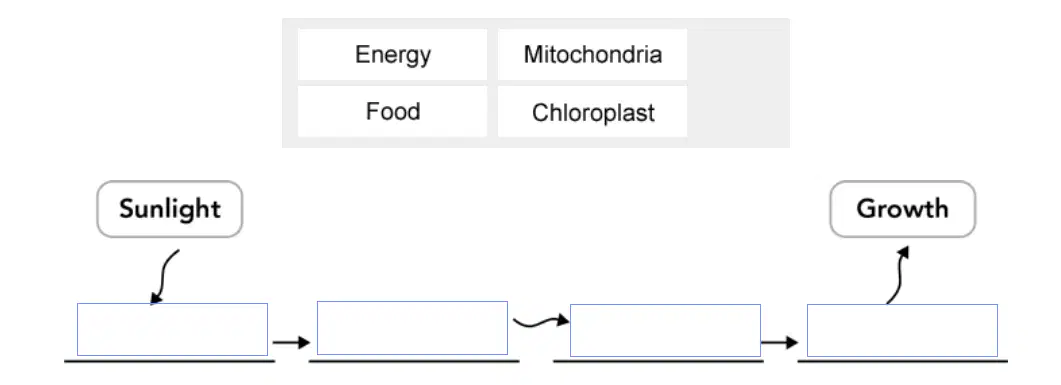
Farmers depend on a growing season to provide for their families. A growing season is the part of the year when rainfall and amount of sunlight allow plants to grow at a rapid rate. For many plants, especially crops that humans consume, the growing season occurs in the spring after the last frost and can last through the summer. You are to provide support for proving that additional sunlight during the growing season provides an increase in grow for plants.
First, your teacher asks you to demonstrate the relationship between sunlight entering the plant cell and increased growth. How do two organelles in the plant cell work together so the plant can grow? Use the following flowchart to show this relationship. Select the correct order of the terms to fill in the blanks. (TAKE YOUR TIME ANSWERING THIS QUESTION!)
a)
Mitochondria, Chloroplast, Food, Energy
b)
Chloroplast, Food, Mitochondria, Energy
c)
Chloroplast, Energy, Food, Mitochondria
d)
Mitochondria, Food, Chloroplast, Energy
18.
The endoplasmic reticulum:
a)
controls the cell's activities
b)
is located inside the mitochondria
c)
gives the cell strength
d)
is a network of passageways similar to a hallway
19.
If you were to compare your school to a cell, the nucleus would most likely be the:
a)
garbage room
b)
gate or doors
c)
main office
d)
kitchen
20.
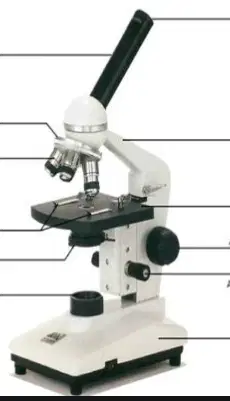
How do you determine total magnification?
a)
Ocular lens x Objective lens
b)
Ocular lens x 2
c)
Low power objective x high power objective
d)
Low power + high power + scanning power
21.
The cell part that acts like a barrier and lets some things in and out, and not others is the:
a)
nucleus
b)
chloroplast
c)
cell membrane
d)
lysosome
22.
Before the invention of microscopes, scientists did not know about cells. Some thought that life just appeared out of nowhere. Microscopes allowed scientists such as Schleiden and Schwann to see organisms under high magnification. After much study, which ideas became parts of the cell theory? (Choose the three statements that apply.)
a)
Cells contain specialized organelles.
b)
Cells are the basic units of structure and function in living things.
c)
A group of similar cells makes up a tissue.
d)
All living things are made up of one or more cells.
e)
All cells come from other cells.
23.
The ghost plant is white with a single stalk. Even though it looks more like a mushroom, the ghost plant is related to blueberry plants. The ghost plant is a parasite that feeds on fungi under the ground and does not preform photosynthesis.
Ghost plant cells have all the usual plant organelles except for a:
a)
Mitochondria
b)
Chloroplast
c)
Vacuole
d)
Ribosomes
24.
What are the main differences between plant and animal cells?
a)
Plant cells are more rectangular, have a cell wall, vacuole and chloroplast
b)
Animal cells are more rectangular, have a cell wall and chloroplasts
c)
Animal cells are more rounded, and have a cell wall
d)
Plant cells are more rounded, have only a cell membrane and chloroplasts
25.
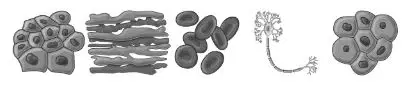
Before a new medicine is approved, scientists study the effects the medicine has on different parts of the body. Often, a medicine is tested on mice before it is tested on humans. All the cells in the illustration below came from the same mouse.
Four images of unique looking cells
If all of these cells are mouse cells, why do they look so different from each other?
a)
Cells change shape as they get older.
b)
Different cells specialize in different functions.
c)
Each kind of cell is from a different organ system.
d)
Different-shaped cells came from different ancestors.
26.
All the organelles in a cell work together to help the cell and the whole organism function. Some diseases are caused by the failure of one type of organelle. Read the description below of an example of this type of disease.
A mosaic is a picture made up of small colored pieces. Mosaic viruses cause plant leaves to look like mosaic art. A mixture of dark and light green patches appear on the leaves. The light green patches are NOT ABLE TO CAPTURE MUCH ENERGY FROM SUNLIGHT.
Which organelle is affected by mosaic viruses?
a)
vacuole
b)
mitochondrion
c)
chloroplast
d)
cell wall
27.
When focusing a specimen under high power, ONLY use the fine adjustment.
a)
true
b)
false
28.
The main difference between Prokaryotic and Eukaryotic cells is the presence of:
a)
a nucleus
b)
cytoplasm
c)
DNA
d)
ribosomes
29.
Many species of bacteria live in your mouth and throat. These bacteria come from several different groups within domain Bacteria. You can avoid most bacterial infections by washing your hands frequently and not sharing food or eating utensils. Which characteristics are true of bacteria? (SELECT THE 3 THAT APPLY. )
a)
respond to stimuli
b)
they use energy
c)
can reproduce
d)
they are all multicellular
30.
Giant anteaters live in Central and South America. As their name suggests, they eat ants and termites. First, an anteater tears open insect nests with its long claws. Then, it extends its extremely long, sticky tongue into the nest to catch its prey. One anteater eats 35,000 ants and termites in a day.
Which DOMAIN do anteaters belong to?
a)
Eukarya
b)
Bacteria
c)
Prokaryote
d)
Achaea
31.
Billy's favorite food to eat (he makes it all by himself) is a cheeseburger, complete with lettuce, tomatoes and pickles. Billy is a:
a)
Autotroph
b)
Heterotroph
c)
Producer
d)
Decomposer
32.
What is the MOST SPECIFIC level of describing living things?
a)
Species
b)
Phylum
c)
Kingdom
d)
Class
100 %

