Worksheets
Cells and Body Systems
Total questions: 32
Worksheet time: 18mins

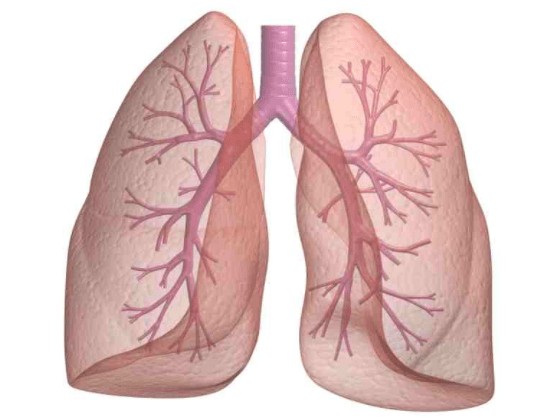
Look at the diagram to answer the question that follows.
What body system is shown in the diagram?
digestive
circulatory
respiratory

What is the function of the nucleus in a cell?
Produces energy
Controls cell activities
Stores water
Helps in movement
Which body system is responsible for transporting oxygen and nutrients throughout the body?
Digestive system
Circulatory system
Nervous system
Excretory system
What is the main function of the nervous system?
Break down food
Remove waste
Send and receive messages
Pump blood
Which organ is part of the excretory system?
Heart
Kidney
Lungs
Stomach
Which system removes carbon dioxide from the body?
Digestive system
Respiratory system
Circulatory system
Nervous system
Which of the following is NOT a function of the circulatory system?
Transporting nutrients
Pumping blood
Sending electrical signals
Carrying oxygen
Which organelle is found only in plant cells and helps with photosynthesis?
Chloroplast
Mitochondria
Nucleus
Ribosome
Which of the following best describes the relationship between the circulatory and respiratory systems?
The circulatory system digests food for the respiratory system.
The respiratory system provides oxygen that the circulatory system transports.
The circulatory system controls breathing rate.
The respiratory system pumps blood.
How does the excretory system help maintain homeostasis in the body?
By producing hormones
By removing waste and balancing water
By sending electrical signals
By digesting food

The body has to maintain a body temperature of 98.6°F. This is an example of Homeostasis.
True
False

Why is the cell membrane important for cell survival?
It produces energy for the cell.
It controls what enters and leaves the cell.
It stores genetic material.
It helps the cell divide.
How do the nervous and muscular systems work together to allow you to pick up a pencil?
The nervous system sends signals to the muscles to contract.
The muscular system sends signals to the brain.
The nervous system digests food for the muscles.
The muscular system pumps blood to the hand.
A student observes that after running, their breathing and heart rate increase. Which two systems are mainly responsible for these changes, and why?
Digestive and excretory, to process food faster
Circulatory and respiratory, to deliver more oxygen to muscles
Nervous and digestive, to send signals to the stomach
Excretory and nervous, to remove waste quickly
If the kidneys stop working, what would most likely happen to the body?
The body would stop producing energy.
Waste would build up in the blood.
The heart would stop beating.
The lungs would stop working.
Which of the following best explains why the heart and blood vessels are both needed in the circulatory system?
The heart stores blood, and blood vessels make blood.
The heart pumps blood, and blood vessels transport it throughout the body.
The heart digests nutrients, and blood vessels remove waste.
The heart controls breathing, and blood vessels send signals.
A person touches a hot stove and quickly pulls their hand away. Which systems are involved in this response, and how do they interact?
Only the muscular system, which moves the hand
The nervous system senses pain and signals the muscles to move
The circulatory system cools the hand
The excretory system removes heat

What do you get when organ systems work together?
organs
organism
cells
tissue
A scientist discovers a new organism made of only one cell. Which part of cell theory does this support?
All cells come from pre-existing cells.
All living things are made of one or more cells.
Cells are only found in animals.
Cells do not carry out life processes.
A student claims that the nervous system is the most important system in the body. Use evidence to support or refute this claim.
Support: The nervous system controls all other systems.
Refute: All systems are important and depend on each other to keep the body alive.
Support: The nervous system is the only system needed for survival.
Refute: The nervous system does not interact with other systems.

What is shown here?
Organism
Cell
Organ
Organ System
A person has a disease that damages their alveoli in the lungs. Predict how this will affect the interaction between the respiratory and circulatory systems.
Oxygen will be transported more efficiently.
Less oxygen will enter the blood, so body cells will receive less oxygen.
The heart will stop pumping blood.
The kidneys will remove more waste.
A person’s kidneys are not filtering blood properly. Explain how this could affect other body systems.
Waste could build up and harm other organs, affecting their function.
The lungs would stop working immediately.
The heart would stop beating.
The muscles would become stronger.

Process that regulates internal chemical processes to maintain equilibrium, requiring constant adjustments as internal and external conditions change
A structure made up of different types of tissue and performs a specific job.
cells
tissue
organ
organ system