
 Worksheets
11/8 USH Top 3 Review
Total questions: 120
Worksheet time: 2hrs 0mins
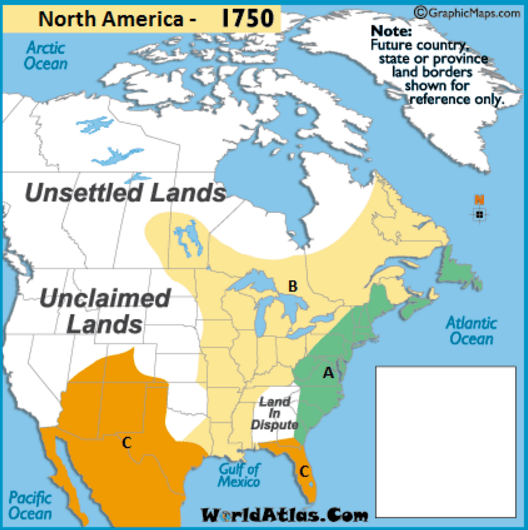
These laws punished intended to punish Boston for the Tea Party.
Stamp Act
Townshend Acts
Intolerable Acts
Proclamation of 1763
This law outlawed settlement west of the Appalachian Mountains.
Quartering Act
Stamp Act
Declaratory Act
Proclamation of 1763
This British law required colonists to provide food and shelter to British Soldiers.
Quartering Act
Proclamation of 1763
Stamp Act
Coercive Acts
This was the lawmaking body of the British empire.
Stamp Act Congress
Parliament
First Continental Congress
Second Continental Confress
Which of the following laws did not tax any specific goods shipped to and sold in the colonies?
Sugar Act
Declaratory Act
Tea Act
Townshend Acts
This English King grew tired of the colonial protest in America.
Louis 14th
George 2nd
George 3rd
Henry 8th
Which of the following men is credited with the founding of the Sons of Liberty?
John Adams
Sam Adams
George Washington
Thomas Gage
Great Britain repealed the Townshend Acts in response to this event?
Pontiac's Rebellion
Boston Tea Party
Boston Massacre
French and Indian War
Which of the following laws was passed in effort to raise money to pay of the debt from the French and Indian War?
Tea Act
Sugar Act
Stamp Act
Townshend Acts
Which of the following laws did not lower taxed goods in the colonies?
Townshend Acts
Sugar Act
Tea Act
None of the above
Which of the following laws protected the right of the British East India Company to trade in the colonies?
Tea Act
Sugar Act
Stamp Act
Townshend Acts
The Intolerable Acts did all of the following except:
Close the port in Boston
Send colonist accused of crimes to England to be tried.
Shut down the Massachusetts colonial legislature.
Tax tea in the colonies
Which of the following organizations did not protest British control of the colonies?
Parliament
Sons of Liberty
Stamp Act Congress
First Continental Congress
This law asserted Parliament's power to pass laws and govern the colonies.
Stamp Act
Declaratory Act
Proclamation of 1763
Intolerable Acts
Which of the following events forced Parliament to pass the Intolerable Acts?
Boston Tea Party
Boston Massacre
Battle of Lexington and Concord
Pontiac's Rebellion
Why could the colonists not move West of the Appalachian mountains after the French and Indian war?
To avoid conflicts with the French
To avoid conflicts with the British
To avoid conflicts with the Natives
To avoid conflicts with the Spanish
1. Britain and France went to war ____ times in Europe from 1690-1750.
2
3
4
5
1. During the 1700’s, both the British and French colonies were growing; __________________________________ led to the French and Indian War.
a. The violation of the Treaty of Paris by the French
The rebellion of the French against Chief Pontiac
Land disputes along the Ohio River Valley
The Spanish takeover of the Latin American countries

What was the purpose of the Treaty of Paris in 1763?
The purpose of the Treaty of Paris in 1763 was to end the Revolutionary War.
The purpose of the Treaty of Paris in 1763 was to create an agreement between Chief Pontiac and the British colonists.
The purpose of the Treaty of Paris in 1763 was to end the French and Indian War.
The purpose of the Treaty of Paris in 1763 was to recognize America as a free and independent nation.
1. The spread of British colonists into the backcountry and across the Appalachian Mountains _____________________________.
led settlers to see new lands and shared with the indians
discovered yoda
Led to numerous Indian conflicts.
created a new settlement called plymouth rock
1. In 1754, colonists from across the British colonies met at the _________________________ to discuss the common problem of Indian attacks.
the intergalactic space station
the second continental congress
parliament
the first continental congress
In 1754, VA governor sent 22 year old __________________ to protect an Ohio Company claim
the mandolorian
george cornwallis
George washington
george lll
1. This 22 year old’s troops were forced to retreat from Fort Duquesne; This clash proved to be the beginning of the _________________________.
the purge
the french and indian war
the seven years war
the american revolution
1. The war officially ended with the __________________________ in 1763.
the treaty of versialles
the treaty of paris
the treaty of 1763
the treaty of france
1. The end of the French and Indian War, _____________________________________________.
led to peace with the indians
Marked the beginning of the United States of America
Marked the start of the road towards the American Revolution
allowed france to take control of all lands east of the mississippi river
By December 1775, the British and American colonists were fighting an “______________________________.”
an informal revolutionary war
upside down war
seven years war
who knows??
1. In 1776, Thomas Pain’s ___________________ convinced many neutral colonists to support independence from Britain.
common sense
life liberty and happiness
its just right
the emancipation proclamation
1. By _________________, colonists drafted the Declaration of Independence.
july 1605
july 1763
july 1776
july 1884
1. By the time the Declaration of Independence was drafted, America was divided into _____________________.
3 groups
2 groups
democrats and republicans
4 groups
1. People in America who supported separation from Britain (Independence) were known as _________________.
loyalists
tea parties
patriots
neutrals
People in America who wanted to remain British colonies were known as ______________________.
loyalist
neutrals
patriots
jedi
1. People in America who were undecided about which side to choose were known as _____________________.
neutrals
loyalists
patriots
left
1. Right after the American Revolutionary War had begun, enough Americans supported separation from Britain that members of the _________________________________ formed a 5-man committee to draft a Declaration of Independence.
second continental congress
parliament
britain
washington
________________________ of Virginia was the principal author of the Declaration of Independence
thomas jefferson
thomas paine
james madison
1. The Declaration of Independence was a formal demand for separation, ________________________________.
a. But the Revolutionary War had already begun in 1775.
b. But an informal demand was made in 1777.
c. But Spain did not agree to the declaration which started the Revolutionary War.
d. But France was not willing to sign the Declaration of Independence so it was released informally.
1. As leader of the __________________, George Washington was the symbol of the American cause.
red coates
blue jackets
continental army
militia squad
1. The American Revolution began at ____________________.
a. Boston and Jamestown
b. Princeton and Harvard
c. Lexington and Concord
d. Valley Forge and Huntington
1. From the beginning of the war, American diplomats, led by _________________________, tried to form an alliance with the French.
benjamin franklin
thomas jefferson
samuel adams
pick me
What land did Great Britain own after the French and Indian War?
Land east of the Mississippi River
Land south of the Rio Grande River
All of Canada
the Hawaiian Islands

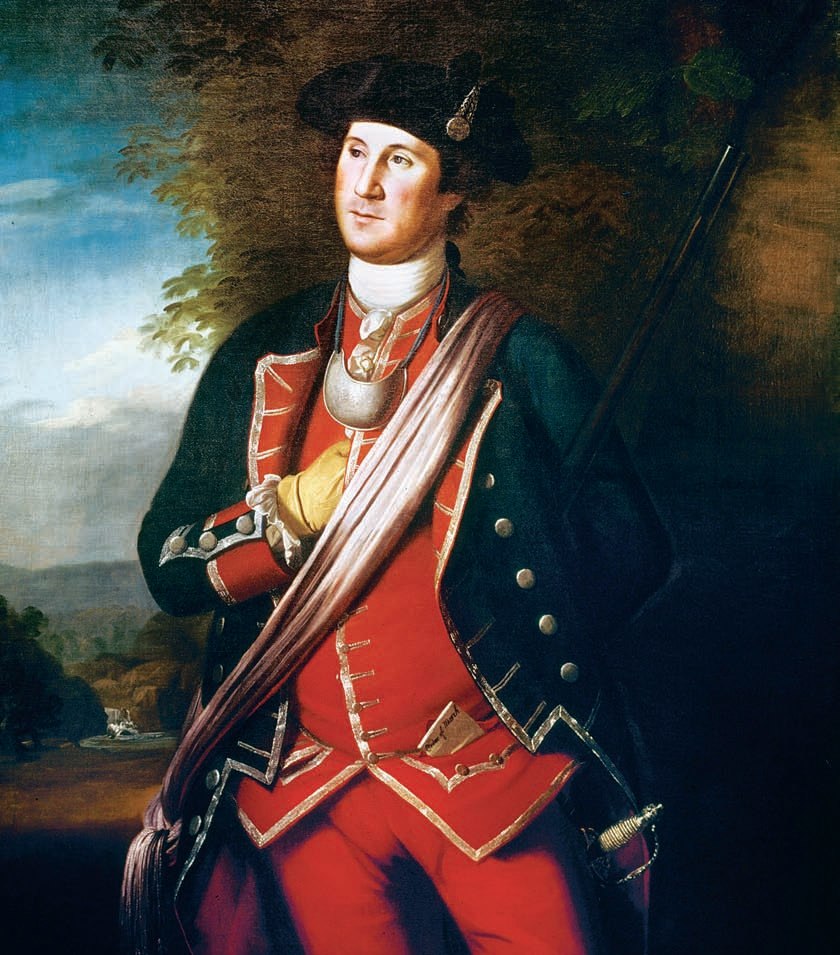
This image is most likely depicting
the Boston Tea Party
a ride to Valley Forge
George Washington crossing the Delaware.
Paul Revere's midnight ride.

This person was a great inventor, scientist, and writer. He also helped to convince France to support America during the revolution. Who was he?
George Washington
John Adams
Thomas Jefferson
Benjamin Franklin
Who was king of England during the American Revolution?
King Henry VIII
George Washington
King George III
King Edward III
Who of the following was not a president of the United States?
George Washington
Thomas Jefferson
John Adams
Benjamin Franklin
During the Boston Tea Party,
colonists raided British ships and threw crates overboard.
Native Americans threw tea at British troops.
Americans celebrated their victory at Trenton.
the cost of tea was very expensive.
The Declaration of Independence states that all people have a natural right to
free speech.
a trial by jury.
the pursuit of happiness.
worship as they choose.
Most African Americans who lived in the British colonies were
indentured servants.
Puritans.
Quakers.
slaves.
The last major battle of the American Revolution was _
Saratoga.
Yorktown.
Trenton.
Princeton.
Which battle convinced the French to become America's ally during the revolution?
Lexington and Concord
Yorktown
Saratoga
Bunker Hill


Which war did the British win with American help in 1763?
The French and Indian War
The Peninsular War
The War of 1812
The Hundred Years' War

TRUE or FALSE: Thomas Jefferson still had slaves when he wrote the Declaration of Independence.
TRUE
FALSE
a colonist who supported American independence was called:
a Loyalist
a Patriot
a colonist who opposed American independence was called:
a Loyalist
a Patriot
What did the French contribute to American victory in the Revolutionary War?
They sent money.
They sent weapons and equipment.
They sent their navy.
All of the above.
The laws that constitute the structure of a government are its ____.
raison d'être
constitution
oligarchy
revolution

What made the French Revolution different from the American Revolution?
The French Revolution was not influenced by the concept of "natural rights."
The French Revolution did not face any foreign intervention.
The French Revolution aimed to transform the entire society; not just the government.
The French did not write a constitution for their government.
What made the American Revolution different from the French Revolution?
The Americans established a republic that has lasted to the present day.
The American Revolution granted voting rights to women.
The American Revolution caused war between Britain and France.
The American Revolution led to mass executions and dictatorship.

Which of these is a difference between Washington and Napoleon?
Napoleon was a general, but Washington was a merchant.
Napoleon seized absolute power, but Washington did not.
Napoleon opposed the American Revolution, but Washington supported the French Revolution.
Napoleon was defeated several times, but Washington never lost a battle.

a country without a monarch is called:
a democracy
a republic
a dictatorship
a regime
Which of these events happened LAST?
The United States declared their independence
The United States Constitution was adopted
The United States won the Revolutionary War
Which of these events happened FIRST?
The United States declared their independence
The United States Constitution was adopted
The United States won the Revolutionary War
Which of these ideas did the American Revolution NOT borrow from the Enlightenment?
that the purpose of government was to protect individual rights
that the people had the right to choose their government
that human beings were "brutish" by nature and needed a strong ruler
that the government needed checks and balances in order to prevent tyranny

SELECT TWO things King George III did to cause resentment from his colonial subjects.
He abolished the African slave trade.
He prohibited the colonies from expanding westward.
He imposed new taxes without representation.
He made an alliance with France.
Lexington and Concord marked the beginning of the
American Revoltuion
Declaration of Independence
French and Indian War
Battle of Yorktown
A group of men who spoke out against taxes and were responsible for the Boston Tea Party.
Sons of Liberty
Daughters of Libertry
Sons of the Confederacy
Daughters of the Confederacy
The Battle of Saratoga
was the turning point of the French and Indian War.
ended the French and Indian War.
was the turning point of the American Revolution.
Ended the American Revolution.
The _______________________ helped aid George Washington during the Battle of Yorktown.
Paul Revere
British Soliders
Sons of Liberty
Black Regiments
________________ is the battle that ended the American Revolution.
Concord
Lexington
Yorktown
Saratoga
What was the French and Indian War also known as?
The Seven Years War
The Revolutionary War
The Boston Massacre
The Intolerable Acts
Which two groups were allies in the French and Indian War?
French and British
British and Indians
French and Indians
British and American colonists
What were the French and British fighting over in the French and Indian War?
Control of land
Control of trade routes
Control of the colonies
Control of the government
Where were most of the battles fought in the French and Indian War?
From Virginia to Canada
From New York to Massachusetts
From Pennsylvania to Maryland
From Georgia to Florida
What was the Treaty of Paris?
A treaty between France and Britain
A treaty between Britain and the American colonists
A treaty between Britain and Canada
A treaty between Britain and the Indians
What was the Sugar Act?
A law to stop the smuggling of sugar and molasses
A law to increase the tax on sugar and molasses
A law to ban the sale of sugar and molasses
A law to promote the production of sugar and molasses
Why did the British Parliament pass the Sugar Act?
To stop colonial trade with countries other than Great Britain
To increase funds to pay for the British debt
To punish the American colonists for their involvement in the French and Indian War
To promote the production of sugar and molasses in the colonies
What was the Stamp Act?
A tax on all printed materials used by American colonists
A tax on all imported goods from Great Britain
A tax on all land owned by American colonists
A tax on all goods produced in the American colonies
Why did the American colonists protest against the Stamp Act?
They believed it was unfair to tax something they had already been using for free
They believed it was unfair to tax without their consent or representation
They believed it was unfair to tax only printed materials
They believed it was unfair to tax without providing any benefits
What was the Quartering Act?
A law that required colonists to provide housing and supplies for British soldiers
A law that required colonists to pay a tax on imported goods
A law that required colonists to provide food and drinks for British soldiers
A law that required colonists to provide transportation for British soldiers
Who were the Sons of Liberty?
A secret political organization formed in the colonies
A group of British soldiers stationed in the colonies
A group of American colonists who supported British rule
A group of Native Americans who fought against the British
What was the main goal of the Sons of Liberty?
To force the stamp distributors to resign
To promote British rule in the colonies
To support the British government
To protest against the French and Indian War
What were the Townshend Acts?
Laws that placed taxes on imports of paper, paint, lead, glass, and tea
Laws that banned the import of goods from Great Britain
Laws that gave British officials the right to search colonists' homes
Laws that required colonists to provide housing for British soldiers
Why did the Townshend Acts push colonists towards a revolution?
Colonists felt their basic freedoms were being taken away
Colonists felt the taxes were too high
Colonists felt the British were interfering in their daily lives
Colonists felt the British were trying to control their trade
What was the Boston Massacre?
A riot started by American colonists in Boston
A riot started by British soldiers in Boston
A protest against the British troops stationed in Boston
A protest against the taxes imposed by the British government
What was the French and Indian War also known as?
The Seven Years War
The Revolutionary War
The Boston Massacre
The Intolerable Acts
Which two groups were allies in the French and Indian War?
French and British
British and Indians
French and Indians
British and American colonists
What were the French and British fighting over in the French and Indian War?
Control of land
Control of trade routes
Control of the colonies
Control of the government
Where were most of the battles fought in the French and Indian War?
From Virginia to Canada
From New York to Massachusetts
From Pennsylvania to Maryland
From Georgia to Florida
What was the Treaty of Paris?
A treaty between France and Britain
A treaty between Britain and the American colonists
A treaty between Britain and Canada
A treaty between Britain and the Indians
What was the Sugar Act?
A law to stop the smuggling of sugar and molasses
A law to increase the tax on sugar and molasses
A law to ban the sale of sugar and molasses
A law to promote the production of sugar and molasses
Why did the British Parliament pass the Sugar Act?
To stop colonial trade with countries other than Great Britain
To increase funds to pay for the British debt
To punish the American colonists for their involvement in the French and Indian War
To promote the production of sugar and molasses in the colonies
What was the Stamp Act?
A tax on all printed materials used by American colonists
A tax on all imported goods from Great Britain
A tax on all land owned by American colonists
A tax on all goods produced in the American colonies
Why did the American colonists protest against the Stamp Act?
They believed it was unfair to tax something they had already been using for free
They believed it was unfair to tax without their consent or representation
They believed it was unfair to tax only printed materials
They believed it was unfair to tax without providing any benefits
What was the Quartering Act?
A law that required colonists to provide housing and supplies for British soldiers
A law that required colonists to pay a tax on imported goods
A law that required colonists to provide food and drinks for British soldiers
A law that required colonists to provide transportation for British soldiers
Who were the Sons of Liberty?
A secret political organization formed in the colonies
A group of British soldiers stationed in the colonies
A group of American colonists who supported British rule
A group of Native Americans who fought against the British
What was the main goal of the Sons of Liberty?
To force the stamp distributors to resign
To promote British rule in the colonies
To support the British government
To protest against the French and Indian War
What were the Townshend Acts?
Laws that placed taxes on imports of paper, paint, lead, glass, and tea
Laws that banned the import of goods from Great Britain
Laws that gave British officials the right to search colonists' homes
Laws that required colonists to provide housing for British soldiers
Why did the Townshend Acts push colonists towards a revolution?
Colonists felt their basic freedoms were being taken away
Colonists felt the taxes were too high
Colonists felt the British were interfering in their daily lives
Colonists felt the British were trying to control their trade
What was the Boston Massacre?
A riot started by American colonists in Boston
A riot started by British soldiers in Boston
A protest against the British troops stationed in Boston
A protest against the taxes imposed by the British government
Native Americans from many tribes attacked British forts and settlements in the Ohio River valley and along the Great Lakes. The fight was known as _____________________.
Pueblo Revolt
Pontiac's Rebellion
El Camino Real
Proclamation of 1763


