wayground logo

Free Printable Worksheets

Font size

S
M
L
XL
Worksheets

Unit 2: Earth Science

Total questions: 272

Worksheet time: 5hrs 0mins

Name
Class
Date
1.
Which type of rock results from melting and cooling of magma?
a)
Igneous
b)
Metamorphic
c)
Sedimentary
d)
Extrusive
2.
Which type of rock forms from extreme heat and pressure?
a)
Igneous
b)
Sedimentary
c)
Organic
d)
Metamorphic
3.
Wind, water, and ice breaking down rock is called
a)
Erosion
b)
Deposition
c)
Compaction
d)
Weathering
4.
What is the MAIN way rocks are classified?
a)
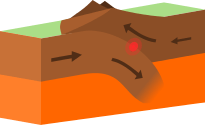
Their color and shapes
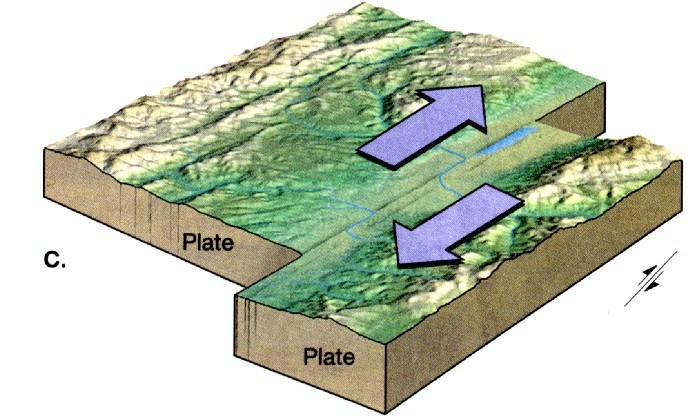
b)
How they form
c)
Mineral bands
d)
Where they form
5.
True/False: Igneous rocks can only turn into metamorphic rocks.
a)
True
b)
False
6.
The process in which dissolved minerals crystallize and glue sediment together.
a)
compaction
b)
deposition
c)
organic rock
d)
cementation
7.
When sediments are pressed together tightly, this is called ____________.
a)
Compaction
b)
Cementation
c)
Weathering
d)
Erosion
8.
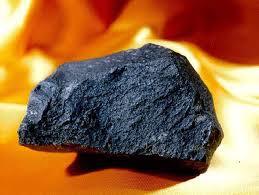
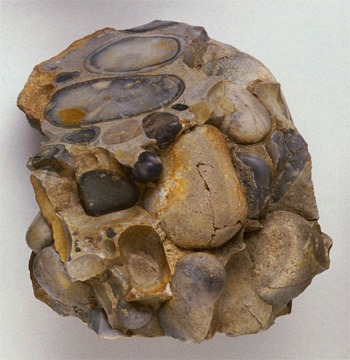
This rock started as molten magma. What type of rock is this?
a)
Sedimentary
b)
Igneous
c)
Metamorphic
9.
This rock is made from tiny pieces of other rocks that settled to the bottom of a valley millions of years ago. What type of rock is this?
a)
Sedimentary
b)
Igneous
c)
Metamorphic
10.
Each rock type can follow only one pathway of the rock cycle.
a)
True
b)
False
11.
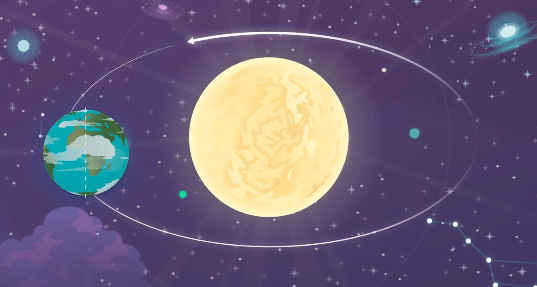
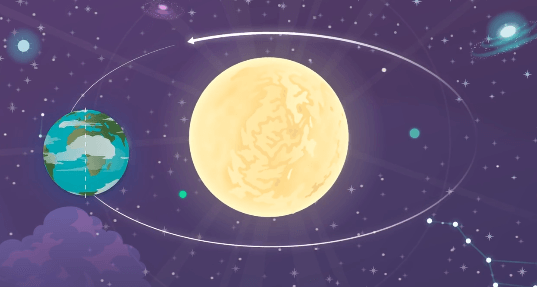
How long does it take for the Earth to make one full orbit around the Sun?
a)
one day
b)
one week
c)
one month
d)
one year
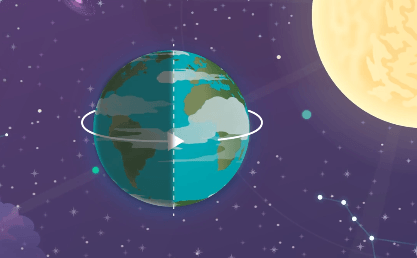
12.
The Earth is rotating on its axis, creating _____
a)
the 12 months
b)
the years
c)
the seasons
d)
day and night
13.
As the Earth travels around the Sun, it creates a pattern that makes _____
a)
the months
b)
the years
c)
the seasons
d)
day and night
14.
When the Earth completes a full orbit around the Sun, it has completed _____ rotations or days
a)
7
b)
30
c)
91
d)
365
15.
The spinning movement of the Earth about its axis is called the Earth's _____
a)
revolution
b)
rotation
c)
precession
d)
orbit
16.
The movement of the Earth around the Sun is called its _____
a)
revolution
b)
rotation
c)
precession
d)
gyration
17.
When the part of the world that you're living in is leaning towards the Sun, its _____
a)
winter
b)
spring
c)
summer
d)
fall
18.
When the part of the world that you're living in is leaning away from the Sun, its _____
a)
winter
b)
spring
c)
summer
d)
autumn
19.
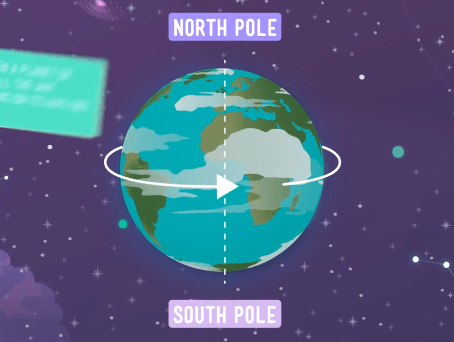
The invisible line that passes through the North Pole and the South Pole is called Earth's ____
a)
axis
b)
equator
c)
ecliptic
d)
prime meridian
20.
The earth is tilted on its _____
a)
line
b)
equator
c)
axis
d)
core
21.
How many moons does earth have
a)
2
b)
5
c)
9
d)
1
22.
What causes day and night cycles?
a)
mars
b)
seasons
c)
earths rotation
d)
moon phases
23.
Rotation of the earth takes
a)
One day
b)
One year
c)
One summer
d)
One winter
24.
The earth's revolution is called an orbit, and we orbit around
a)
The moon
b)
The sun
c)
Earth
d)
Venus
25.
What is the force that pulls the earth towards the sun?
a)
Gravity
b)
inertia
c)
A force
d)
distance
26.

The layer of water vapor and other gases that surround Earth’s surface

a)

Biosphere

b)

Hydrosphere

c)

Atmosphere

d)

Geosphere

27.

The average weather conditions over a long time

a)

Precipitation

b)

Weathering

c)

Climate

d)

Snow Day

28.

The process in which water vapor turns into a liquid

a)

Evaporation

b)

Condensation

c)

Precipitation

d)

Surface Runoff

29.

The movement of materials away from a place

a)

Erosion

b)

Weathering

c)

Deposition

d)

Rain

30.

Water that falls from clouds as rain, snow, sleet or hail

a)

Evaporation

b)

Condensation

c)

Precipitation

d)

Surface Runoff

31.

The process of laying down materials such as rock and soil

a)

Erosion

b)

Weathering

c)

Geosphere

d)

Deposition

32.

The changing of liquid to a gas

a)

Evaporation

b)

Precipitation

c)

Infiltration

d)

Condensation

33.

The process by which water from plants turns into a gas

a)

Evaporation

b)

Infiltration

c)

Transpiration

d)

Atmosphere

34.

The part of Earth in which all living things are found

a)

Hydrosphere

b)

Biosphere

c)

Atmosphere

d)

Geosphere

35.

Evaporation and Transpiration are similar processes, but the water comes from different sources. _________________ is when water vapor comes from liquid water on plants.

a)

Evaportation

b)

Transpiration

36.

Repeated movement of water through the environment in different forms

a)

Hydrosphere

b)

Water Cycle

c)

Precipitation

d)

Water Vapor

37.

All the waters of Earth

a)

Atmosphere

b)

Hydrosphere

c)

Geosphere

d)

Biosphere

38.

The solid, rocky layers of Earth

a)

Geosphere

b)

Biosphere

c)

Atmosphere

d)

Hydrosphere

39.

Frozen precipitation that forms in layers

a)

Environment

b)

Precipitation

c)

Hail

d)

Sleet

40.

Evaporation and Transpiration are similar processes, but the water comes from different sources. _________________ is when water vapor comes from liquid surface water, such as streams, lakes, rivers, and oceans.

a)

Evaporation

b)

Transpiration

41.

Frozen raindrops

a)

Environment

b)

Precipitation

c)

Hail

d)

Sleet

42.

Where does the Water Cycle begin?

a)

Collection

b)

Precipitation

c)

No starting point

d)

Evaporation

43.

The height above sea level

a)

Erosion

b)

Elevation

c)

Condensation

d)

Deposition

44.

The state of the atmosphere

a)

Environment

b)

Precipitation

c)

Climate

d)

Evaporation

45.
The type of plate boundary where two plates come together is a .....
a)
Convergent Boundary
b)
Divergent Boundary
c)
Transform Boundary
d)
Plate Boundary
46.
Which of the following causes Earth's tectonic plates to move?
a)
Energy from the Sun
b)
Magnetic Pole Reversal
c)
Convection currents in the mantle
d)
Faults in Mountain Ranges
47.
What type of event will occur at this boundary?
a)
Earthquake
b)
Volcano Eruption
c)
Tornado
d)
Mountain Building
48.
What type of plate boundary is this?
a)
Plate
b)
Divergent
c)
Convergent
d)
Transform
49.
A divergent boundary occurs when plates ....
a)
Pull apart
b)
Come together
c)
Slide past each other
d)
subducting
50.
Which of the following is the name of the ancient supercontinent formed 28 Million Years ago.
a)
Pangea
b)
Gondwanda
c)
Laurasia
d)
Neverland
51.
What type of plate boundary is this?
a)
Transform
b)
Convergent
c)
Divergent
d)
Plate
52.
How is it possible for new crust to be formed without increasing the surface area of the Earth?
a)
Crust is destroyed at the same time it is created
b)
New crust is underwater where it sinks
c)
New crust breaks more easily than old crust
53.
Which type of rock results from melting and cooling of magma?
a)
Igneous
b)
Metamorphic
c)
Sedimentary
d)
Extrusive
54.
Which type of rock forms from extreme heat and pressure?
a)
Igneous
b)
Sedimentary
c)
Organic
d)
Metamorphic
55.
Wind, water, and ice breaking down rock is called
a)
Erosion
b)
Deposition
c)
Compaction
d)
Weathering
56.
When sediments are pressed together tightly, this is called ____________.
a)
Compaction
b)
Cementation
c)
Weathering
d)
Erosion
57.
This rock was found near the mouth of a volcano. What type of rock is this?
a)
Sedimentary
b)
Igneous
c)
Metamorphic
58.
This rock was formed by smaller pieces of rock that settled at the bottom of a lake millions of years ago. What type of rock is this?
a)
Sedimentary
b)
Igneous
c)
Metamorphic
59.
What are the 3 major types of rocks?
a)
Igneous, Metamorphic, Sedimentary
b)
Metamorphic, Igneous, Cementation
c)
Brown, Red, Gray
d)
Streak, Hardness, Breakage
60.
This rock started as lava that cooled and then was heated and put under pressure over time. What type of rock is this?
a)
Sedimentar
b)
Igneous
c)
Metamorphic
61.
Rock that forms when sediment from older rocks get pressed and cemented together.
a)
Sedimentary Rock
b)
Metamorphic Rock
c)
Igneous Rock
62.
What is small pieces of rock material?
a)
grain
b)
lava 
c)
magma
d)
sediment
63.
Two ways to describe types of igneous rocks are _____
a)
Extrusive and Intrusive
b)
Foliated and Non-Foliated
c)
Clastic and Biochemical
d)
Black and Gray
64.
A subduction zone is formed...
a)
when one tectonic plate sinks below another
b)
at every type of convergent plate boundary
c)
at every type of divergent plate boundary
d)
at transform boundaries
65.

The land feature formed when sediment is deposited at the mouth of a river is called a(n) ____________.

a)

beach

b)

dune

c)

canyon

d)

delta

66.

The Hawaiian Islands were formed as a result of _____________.

a)

deposition

b)

glaciers

c)

hurricanes

d)

volcanic activity

67.

Which of these can rapidly affect Earth’s surface?

a)

earthquakes

b)

annual rainfall

c)

sediment deposits

d)

frozen precipitation

68.

Certain land features form where plates meet. Which land feature forms where two continental plates collide?

a)

glaciers

b)

oceans

c)

mountains

d)

trenches

69.

How does a volcano cause a constructive change to the Earth's surface?

a)

It floods the land.

b)

It adds new land.

c)

It takes land away.

d)

It breaks apart land.

70.

Which of these most likely caused the landform shown below?

a)

rock slide

b)

rain storm

c)

strong winds

d)

glacial movement

71.

The Grand Canyon was formed as the result of _______________.

a)

erosion

b)

a glacier

c)

a volcano

d)

an earthquake

72.

The breakdown of rock into smaller pieces by natural processes is called _________.

a)

deposition

b)

fossilization

c)

sediment

d)

weathering

73.

The lava that flows from a volcano is caused by pressure underneath the Earth’s surface. This pressure is caused by ________________.

a)

human activities that impact the lava flow

b)

earthquakes that occur in the Earth’s core

c)

heat trapped deep under the Earth’s surface

d)

chemical weathering that occurs under the Earth’s surface

74.

The formation of beaches occurs due to _______ forces

a)

constructive

b)

destructive

75.

How do humans try to prevent flood damage from overflowing rivers?

a)

by adding sand to coastal beaches

b)

by spreading salt on icy mountain roads

c)

by building dams, levees, and storm drains

d)

by studying the movements of tectonic plates

76.

What is pictured in the diagram?

a)

canyon

b)

fault

c)

tornado

d)

volcano

77.

The technology of a seismograph is helpful to humans because it ________.

a)

determines the height of tidal waves

b)

records historical temperature extremes

c)

identifies locations with poor soil

d)

helps detect and measure earthquakes

78.

A student argues that a destructive force can change the surface of Earth. Which of the following could be used to support this claim?

a)

A new island forms in the ocean.

b)

A plain becomes a deep canyon due to erosion.

c)

A sand dune forms on the beach.

d)

A mountain grows taller over thousands of years.

79.

A seawall constructed along a length of oceanfront property can assist a coastal city by _______________________.

a)

keeping water temperatures down.

b)

providing a road for cars.

c)

preventing animals from migrating.

d)

slowing erosion of beach sand.

80.

Several dams were built across the Chattahoochee River. Which is one of the reasons they were built?

a)

to prevent runoff

b)

to prevent flooding downstream

c)

to increase the flow of water in the river

d)

to decrease the amount of water upstream

81.

The atmosphere is made up of all the...

a)

water

b)

rocks and soil

c)

living things

d)

gases

82.

True or False: Oxygen is the gas that makes up most of the atmosphere.

a)

True

b)

False

83.

Saltwater makes up about what percent of the Earth's water?

a)

1 %

b)

3 %

c)

97%

d)

2 %

84.

When water is warmed it evaporates and then cooled and condenses, it then will eventually...

a)

evaporate into space.

b)

become a cloud.

c)

melt.

d)

fall as precipitation (rain, snow, sleet, hail).

85.
The image illustrates what type of boundary?
a)
Divergent
b)
Convergent
c)
Transform
d)
Emergent
86.
The image illustrates what type of boundary?
a)
Divergent
b)
Convergent
c)
Transform
d)
Emergent
87.
Scientists rejected the Theory of Continental Drift at first because
a)
they couldn't understand his theory
b)
Pangaea happened so long ago
c)
Alfred Wegener was a meteorologist
d)
convection currents were unknown
88.
The best example to demonstrate convection currents is a(n)
a)
alka seltzer tablet in water
b)
wind blowing 
c)
lava lamp
d)
electric oven
89.
What takes place because of sea-floor spreading?
a)
Crust is recycled.
b)
Crust is created.
c)
The ocean is evaporated.
d)
The sea floor remains unchanged.
90.

At which boundary is crust DESTROYED (when melting in the mantle!)?

a)

Continent- continent Convergent

b)

Transform boundaries

c)

Subduction zones

d)

All convergent boundaries

91.
The "cause" for something to happen is the
a)
response
b)
effect
c)
stimulus
d)
homeostasis
92.
The "effect" of a given stimulus is the...
a)
response
b)
stimulus
c)
cause
d)
result
93.
The four spheres of Earth...
a)
are all connected
b)
have nothing to do with one another
c)
exist on Venus and Mars
d)
don't affect human life
94.
When living things breathe, they interact with which of Earth's spheres? 
a)
Geosphere 
b)
Hydrosphere 
c)
Atmosphere 
d)
Biosphere 
95.
When carbon dioxide dissolves from the air into the ocean- the interaction is between...
a)
The atmosphere and geosphere 
b)
The atmosphere and hydrosphere 
c)
The atmosphere and biosphere 
d)
The atmosphere and atmosphere 
96.
When a plants takes carbon dioxide from the air which two spheres are interacting? 
a)
Biosphere and atmosphere 
b)
Geosphere and atmosphere 
c)
Hydrosphere and atmosphere 
d)
Atmosphere and atmosphere 
97.
When plants draw nutrients from the soil, the interaction is between which two spheres? 
a)
The atmosphere and the geosphere 
b)
The geosphere and the hydrosphere 
c)
The hydrosphere and atmosphere 
d)
The biosphere and the geosphere 
98.

The supercontinent in the continental drift theory was called ____.

a)

Panthalassa

b)

Pangaea

c)

Mesosaurus

d)

Africa

99.

What hypothesis states that the continents were once joined to form a single supercontinent?

a)

plate tectonics

b)

seafloor spreading

c)

continental drift

d)

paleomagnetism

100.

The mid-ocean ridge occurs along a

a)

convergent boundary where new crust is formed

b)

transform boundary where crust is subducted

c)

divergent boundary where sea floor spreading takes place

d)

divergent boundary where subduction takes place

101.

What type of boundary occurs where two plates move together, causing one plate to descend into the

mantle beneath the other plate?

a)

transform fault boundary

b)

divergent boundary

c)

convergent boundary

d)

transitional boundary

102.

A divergent boundary at two continental plates can result in a ____.

a)

rift valley

b)

volcanic island arc

c)

continental volcanic arc

d)

subduction zone

103.

The most conclusive proof for continental drift was provided by

a)

the coastlines of continents on a map.

b)

evidence of sea-floor spreading

c)

identical fossils found on two separate continents

d)

changes in climatic patterns.

104.

The youngest rocks on the ocean floor are typically located near what feature?

a)

a mid-ocean ridge

b)

a continental shelf

c)

an abyssal plain

d)

a subduction trench

105.

Over what surface do lithospheric plates move?

a)

lower mantle

b)

inner core

c)

outer core

d)

asthenosphere

106.

Oceanic crust is ______________ than continental

a)

less dense

b)

more dense

c)

less hot

d)

more hot

107.

What do you expect to find at a mid-ocean ridge?

a)

relatively young rocks

b)

reverse fault

c)

thick accumulation of sediments

d)

very ancient rocks

108.
The atmosphere is
a)
the layer in which weather occurs
b)
the layer that contains the ozone layer
c)
the layer of water in the oceans
d)
the layer of gases that surrounds Earth
109.
The two most abundant gases in the atmosphere are
a)
carbon dioxide and oxygen
b)
carbon dioxide and nitrogen
c)
nitrogen and oxygen
d)
nitrogen and hydrogen
110.
Ozone is
a)
a form of oxygen with three oxygen atoms combined
b)
a form of nitrogen with three nitrogen atoms combined
c)
a form of oxygen with two oxygen atoms in each molecule
d)
a form of nitrogen with two nitrogen atoms in each molecule
111.
Earth's atmosphere is important to living things because it
a)
contains dust and other particles
b)
is very thin compared to the size of Earth
c)
provides all the gases that living things need to survive
d)
maintains a constant relative humidity
112.
The layers of the atmosphere are classified according to changes in
a)
altitude
b)
density
c)
pressure
d)
temperature
113.
The layer in our atmosphere in which weather occurs is the
a)
troposphere
b)
stratosphere
c)
mesosphere
d)
exosphere
114.
The ozone layer protects living things on Earth from
a)
visible light
b)
UV radiation
c)
carbon dioxide
115.
When you breathe in, you breathe in mostly which gas?
a)
oxygen
b)
carbon dioxide
c)
nitrogen
d)
argon
116.
Which layer extends from the top of the troposphere to the bottom of the mesosphere?
a)
stratosphere
b)
meteors
c)
troposphere
d)
thermosphere
117.
Which layer protects Earth from being hit by most meteors?
a)
troposphere
b)
stratosphere
c)
mesosphere
d)
thermosphere
118.
In which layer does the energy from the sun strike gas molecules, causing them to glow (Aurora Borealis)?
a)
Troposphere
b)
Stratosphere
c)
Mesosphere
d)
Thermosphere
119.
Which of the following is the correct order for the layers of Earth's atmosphere, starting at Earth's surface?
a)
stratosphere, troposphere, mesosphere, thermosphere
b)
thermosphere, stratosphere, troposphere, mesosphere
c)
troposphere, stratosphere, mesosphere, thermosphere
d)
mesosphere, thermosphere, stratosphere, troposphere
120.
Which layer of Earth’s atmosphere is the one farthest from the surface of the Earth?
a)
stratosphere
b)
thermosphere
c)
troposphere
d)
mesosphere
121.
Which layer of the atmosphere is the one we live in?
a)
stratosphere
b)
mesosphere
c)
thermosphere
d)
troposphere
122.
What does the Earth’s atmosphere do?
a)
create meteors
b)
regulate temperatures
c)
control population
d)
provide light
123.

Water vapor leaves a plant in the biosphere and goes into the atmosphere through

a)

transpiration

b)

respiration

c)

precipitation

d)

evaporation

124.

biosphere

a)

all the water on Earth

b)

regions that contain all the living things on Earth

c)

the envelope of gases that surrounds Earth

d)

living things on land

125.

_____ moves underground to the ocean

a)

sea water

b)

groundwater

c)

lake water

d)

rain drops

126.

What happens when water vapor loses thermal energy?

a)

it expands into millions of droplets that form clouds

b)

it condenses into millions of droplets that form clouds

c)

it condenses into millions of droplets that form lakes and rivers

d)

it expands on the surface of plants and goes into the air

127.

atmosphere

a)

all the water on Earth

b)

regions that contain all the living things on Earth

c)

the envelope of gases that surrounds Earth

d)

living things on land

128.

When is energy absorbed during the water cycle?

a)

during evaporation

b)

during transpiration

c)

during condensation

d)

during precipitation

129.

hydrosphere

a)

all the water on Earth

b)

regions that contain all the living things on Earth

c)

the envelope of gases that surrounds Earth

d)

living things on land

130.

____ happens when liquid turns into a gas on Earth's surface

a)

evaporation

b)

condensation

c)

respiration

d)

transpiration

131.

How does energy from the Sun drive evaporation?

a)

it slows down the water molecules and breaks their bonds

b)

it makes the water molecules too big

c)

it speeds up the water molecules and breaks their bonds

d)

it speeds up the water molecules and creates new bonds

132.

reservoirs

a)

water storage areas during the water cycle

b)

places reserved for water usage by humans and animals

c)

made from water and ice that are too big to remain suspended in air

d)

made up of water droplets or ice crystals that are so small they remain suspended in the air

133.

Which statement does NOT apply to the water cycle?

a)

it has no beginning

b)

it has no end

c)

it is continuous

d)

it very rarely changes

134.

clouds

a)

water storage areas during the water cycle

b)

places reserved for water usage by humans and animals

c)

made from water and ice that are too big to remain suspended in the air

d)

made up of water droplets or ice crystals that are so small they remain suspended in the air

135.

Where does water from mountains or land NOT end up?

a)

lakes

b)

rivers

c)

the ocean

d)

space (unless sent there by a volcanic eruption!)

136.

Which of the following drive the movement of water in the water cycle? (choose all that apply)

a)

sunlight

b)

transpiration

c)

gravity

d)

evaporation

137.

Where is groundwater stored?

a)

in lakes and rivers

b)

in underground lakes

c)

in cracks and pores beneath Earth's surface

d)

in mid-ocean ridges

138.

Evaporation adds water to the

a)

biosphere

b)

atmosphere

c)

lithosphere

d)

geosphere

139.
Temperature and salinity differences in ocean water cause:
a)
Mid-ocean ridges
b)
Deep Currents
c)
Surface Currents
d)
High tide and low tide
140.
What process brings the deep cold ocean currents up to the surface?
a)
Conduction
b)
Global Wind Patterns
c)
Convection Currents
d)
Temperature and salinity
141.
The Coriolis Effect is caused by
a)
Earth rotating around the sun
b)
Earth rotating on its axis
c)
The tides
d)
Gravity
142.
What happens to a current when it comes in contact with a continent or landmass?
a)
It continues over the continent
b)
It stops
c)
It changes direction
d)
It is absorbed by the land
143.
A horizontal movement of ocean water that is caused by wind and that occurs at or near the ocean's surface.
a)
Gulf Stream
b)
Global Conveyor Belt
c)
Surface Current
d)
Gyre
144.

When surface currents meet continents they ___?

a)

Stop moving

b)

Are deflected (change paths)

c)

Continue in the direction they were going

145.
What causes surface currents north and south of the equator to move in different directions? 
a)
Gases in the ocean
b)
The rotation of the Earth
c)
Temperature differences
d)
Continental deflection
146.
Two types of water currents are
a)
local and global
b)
sea and land
c)
surface and deep
d)
warm and cold
147.

The movement of deep, cold, nutrient filled water to the surface of the ocean is..

a)

Ocean Current

b)

Upwelling

c)

Deep Currents

d)

Surface Currents

148.

Salinity is

a)

The salt content of a substance

b)

The Pepper content of a substance

c)

The circulation of hot and cold matter

d)

the weather pattern of a region

149.
Movements of ocean water in a continuous flow are called?
a)
ocean currents
b)
global winds
c)
air mass
d)
front
150.

_______ causes the Coriolis Effect

a)

Earth's rotation

b)

gravity

c)

wind

d)

density

151.
Regular movements of water far below the oceans surface are called
a)
Warm Currents
b)
Deep Currents
c)
Shallow Currents
d)
Surface Currents
152.
Ocean water is more dense than fresh water at the same temperature due to differences in:  
a)
Wind patterns
b)
 Lifeforms
c)
Currents
d)
Salinity
153.

What affects the density of water?

a)

Salt

b)

Temperature

c)

The seasons of the year

d)

Both A and B

154.
Which layer contains soil?
a)
Mantle
b)
Asthenosphere
c)
Crust
d)
Mesosphere
155.
Which layer is hottest?
a)
Crust
b)
Asthenosphere
c)
Mantle
d)
Core
156.
What makes the inner core solid?
a)
Metals in the core are very light.
b)
Pressure at the core is very high.
c)
Chemicals in the core are very reactive.
d)
Temperatures in the core are very low.
157.
Which layer contains BOTH the upper mantle and the crust?
a)
lithosphere
b)
atmosphere
c)
mesosphere
d)
athensosphere
158.
Which layer is MOST dense?
a)
Mantle
b)
Crust
c)
Outer Core
d)
Inner Core
159.
Which is the source extremely high temperatures in the Earth?
a)
Volcanoes
b)
Solar Radiation
c)
Earthquakes
d)
Heat created by the formation of the earth
160.
What is radioactive decay?
a)
Damaging rays from the sun
b)
A source of heat inside the Earth
c)
Waves emitted from a radio
d)
The glue that holds the layers of the Earth together
161.
Seismic waves _____ when they go from a solid to a liquid.
a)
Slow down
b)
Speed up
c)
Remain the same
d)
Slow down and then speed up
162.
The speed of seismic waves _____ through materials that are MORE dense. 
a)
increase
b)
decrease
163.
How was the formation of the Earth similar to the formation of our solar system?
a)
The densest materials moved to the center.
b)
The densest materials moved to the outside.
c)
The densest materials moved to the middle layer.
d)
The densest materials were evenly distributed.
164.
P waves move through____
a)
Solids only
b)
Liquids only
c)
Solids and Liquids
d)
None of these
165.
S waves move through
a)
Solids only
b)
Liquids only
c)
Solids and liquids
d)
None of these
166.
What creates the magnetic field around the Earth?
a)
The Earth spinning on its axis
b)
The liquid outer core spinning around the solid inner core
c)
The solid outer core spinning around the liquid inner core
d)
Seismic waves
167.

opening in Earth's crust where lava, ash, and gases erupt

a)

canyon

b)

volcano

c)

reef

d)

cliff

168.

natural flow of water that runs through the land

a)

river

b)

ocean

c)

dune

d)

bay

169.

large area of slow-moving ice

a)

strait

b)

cape

c)

lake

d)

glacier

170.

A teacher set up the model shown to represent the formation of a landform. What landform does this model most likely represent?

a)

Delta

b)

Cave

c)

Canyon

d)

Sand dune

171.

Which of the following processes is not considered a rapid change to Earth’s surface?

a)

Volcanic eruption

b)

Earthquake

c)

Landslide

d)

Weathering

172.

A canyon with tall, vertical sides is shown. Which of the following most likely led to the formation of this canyon?

a)

Rapidly moving water

b)

A hurricane

c)

Burrowing animals

d)

Volcanic activity

173.

Wind, water, and ice change Earth’s surface. Which landform was most likely formed by the slow movement of glaciers?

a)

Arch

b)

River delta

c)

V-shaped valley

d)

U-shaped valley

174.

What agent of change is most likely responsible for the formation of the land features labeled in the image?

a)

Water

b)

Wind

c)

Glaciers

d)

Mud

175.

The process in which rock is broken down into smaller pieces is

a)

Erosion

b)

Weathering

c)

Deposition

d)

Compaction

176.

When water enters the cracks in a large rock and freezes, the water expands. Over time, water freezing and thawing –

a)

erodes the large rock through a river

b)

weathers the rock into sediments

c)

deposits lava in a new place

d)

changes the rock into a glacier

177.

The images show a river delta and sand dunes. Which statement best explains how the formation of deltas and sand dunes is similar?

a)

Both are formed by the movement of glaciers.

b)

Both are formed by water eroding sediments.

c)

Both are formed by wind weathering rocks.

d)

Both are formed be deposition of sediments.

178.

A wide, round-bottom valley is shown below. This valley was most likely formed by –

a)

Tornadoes

b)

Glacial movement

c)

Flash flooding

d)

Deposition by the wind

179.

What is erosion?

a)

The movement of sediment

b)

The breaking of sediment

c)

The dropping of sediment

180.

What is weathering?

a)

The movement of sediment

b)

The breaking of sediment

c)

The dropping of sediment

181.

What is deposition?

a)

The movement of sediment

b)

The breaking of sediment

c)

The dropping of sediment

182.

Water freezing inside a rock and breaking it into smaller sediment is an example of...

a)

weathering

b)

erosion

c)

deposition

183.

Beach waves dropping sand to create a beach is an example of...

a)

weathering

b)

erosion

c)

deposition

184.

Small pieces of rock that have been weathered from a larger rock are known as...

a)

sand

b)

sediment

c)

soil

185.

How long does it take earth to make one revolution around the sun?

a)
12 hours
b)
24 hours 
c)
365 days
d)
30 days
186.
What are the reasons for the season?
a)
Earth's tilt & rotation
b)
Earth's tilt & revolution
c)
Earth's rotation & rovolution
d)
Earth's tilt & resolution
187.
What happens when the area in which you live tilts away from the sun?
a)
It is summer.
b)
It is spring.
c)
It is winter.
d)
It is fall.
188.
Why does the area around the equator stay the same temperature all year?
a)
The equator rotates slower than the poles.
b)
The equator remains the same distance from the sun.
c)
The equator always receives direct sunlight.
d)
The equator has 18 hour days.
189.

Which season is taking place in the Northern Hemisphere in Position 1?

a)
Winter
b)
Spring
c)
Summer
d)
Fall
190.

Which season is taking place in the Northern Hemisphere in Position 3?

a)
Winter
b)
Spring
c)
Summer
d)
Fall
191.

Which  of the following best describes the tilt of the earth during the spring and fall equinoxes?

a)
The earth is tilted away from the sun (Northern hemisphere)
b)
The earth is tilted neither toward or away from the sun (tilt is side to side)
c)
The earth is tilted toward the sun (Northern hemisphere)
d)
The earth is not tilted during spring and fall
192.

South Carolina is humid during the summer months. Which of the following is the most likely cause of the humid conditions?

a)

groundwater bubbling to the surface

b)

runoff from inland mountains

c)

evaporation from the surface of the ocean

d)

flooding from river and streams

193.

Above a continent, a warm air mass slowly passes over a cold air mass. As the warm air begins to cool, clouds form. What will most likely happen next?

a)

lightning will strike

b)

hail will form

c)

hurricanes will form

d)

rain will fall

194.

What is the main cause of water evaporation from the ocean?

a)

Heat energy from the Sun

b)

Wind and wave action along the shore

c)

Heat energy from the ocean floor

d)

Currents in the ocean

195.

Which of the following factors would most likely cause a hurricane to decrease in strength?

a)

increasing the number of large clouds

b)

moving toward tropical waters

c)

staying over a warm body of water for a long period of time

d)

moving over land

196.

Which of these weather conditions is necessary for the formation of thunderstorms and hurricanes?

a)

air moving toward the center of a storm and rising into the atmosphere

b)

air masses combining to create a high-pressure area

c)

cold rain falling to the ground

d)

wind spiraling downward and away from the center of a storm

197.

Jet streams are long, wide air currents in the upper atmosphere. They often affect weather over large areas. In what direction do jet streams above North America usually flow?

a)

north to south

b)

east to west

c)

west to east

d)

south to north

198.

The following map shows the average elevations of four U.S. state capitals. Which city would you expect to have the lowest air pressure?

a)

Lansing, MI

b)

Phoenix, AZ

c)

Atlanta, GA

d)

Cheyenne, WY

199.

A meteorologist is monitoring the weather around Tallahassee. She collects the following data from her weather instruments:

**Air pressure dropping quickly

**Warm air is rising rapidly

**Water droplets being pushed upward to the topmost part of a cloud

**Doppler radar map shows pockets of air with the wind blowing in opposite directions

Based on the weather data, what should the meteorologist include in the weather forecast for the Tallahassee area?

a)

tornado watch with heavy rain and hail

b)

drop in air temperature with light snow

c)

increasing humidity with light rain

d)

approaching hurricane with heavy rain and strong winds

200.

Which best explains why the Gulf Stream tends to bring warmer air to the east coast of Florida?

a)

The Gulf Stream brings water from the equator

b)

The Gulf Stream is the result of the Earth’s Rotation

c)

The Gulf Stream changes direction each year

d)

. The Gulf Stream is a deep ocean current

201.

What type of weather will Florida expect when the front comes through?

a)

light rain or drizzle

b)

many days of rain, snow, or fog

c)

heavy precipitation or thunderstorms

d)

sunny, clear, and windy

202.

Which statement best describes how energy transfer within Earth’s atmosphere can affect a weather condition?

a)

During convection, warm air rises and cool air falls which affects the amount of precipitation

b)

During radiation, electromagnetic waves transfer heat and light energy which affects the air temperature.

c)

During radiation, objects directly transfer heat to each other which affects the air temperature

d)

During convection, electromagnetic waves transfer heat and light energy which affects the amount of precipitation.

203.

If a mass of cold air from Canada pushes the polar jet stream south to Florida, what change in temperature would she predict?

a)

colder by more than ten degrees

b)

cooler by a few degrees

c)

warmer by a few degrees

d)

hotter by more than ten degrees

204.

Which statement best describes the climate of the two cities

a)

Both locations are influenced by a warm current making them warm.

b)

Hopedale is influenced by a cold ocean current making it colder and Stornoway is influenced by a warm ocean current making it warmer.

c)

They have the same climate because they have the same latitude.

d)

Stornoway is influenced by a cold ocean current making it colder and Hopedale is influenced by a warm ocean current making it warmer.

205.

Local weather varies across Florida. The temperature at the beach may be up to 5 degrees cooler than the temperatures inland 20 miles away. What is the reason for this difference in temperature?

a)

The land distributes the thermal energy equally

b)

The ocean reflects energy into the atmosphere.

c)

The land and water create convection currents.

d)

The land and water heat unequally.

206.

The diagram below represents a cross section of Florida’s coastline. Compared to the change in temperature of the water surface, what will the change in temperature of the land surface be?

a)

Faster, because the land requires more heat to change the temperature.

b)

Slower, because the land requires less heat to change the temperature.

c)

Faster, because the land requires less heat to change the temperature.

d)

Slower, because the land requires more heat to change the temperature.

207.

While visiting the beach during summer vacation, a sea breeze keeps you cool and comfortable during the hottest part of the day. Which best explains why this happens?

a)

warm air rises over the land allows cooler air from the ocean to blow inland

b)

there are similarities in temperature between the land and the water

c)

cool air rising over land allows warm air from the ocean to blow inland

d)

a thunderstorm is approaching

208.

Grace is studying the difference between weather and climate. Which statement best describes weather?

a)

Panama City has short mild winters and long, hot and humid summers

b)

The temperature was 31°C (88°F) in Jacksonville, Florida on Saturday.

c)

Jacksonville, Florida gets 50 inches of rain, on average, per year

d)

The yearly rainfall average for Tallahassee, Florida is 155 centimeters

209.

Students compared weather and climate.

Mary wrote: Climate is the average weather patterns over a long period of time and weather refers to short term atmospheric conditions, such as precipitation and temperature.

Tom wrote: Weather is the average weather patterns over a long period of time and climate refers to the short term atmospheric conditions, such as precipitation and temperature.

Bill wrote: Weather lists the highest temperatures in a region and climate list the lowest temperatures.

Sara wrote: Weather and climate are the same. There are no differences between them.

Whose comparison is correct?

a)

Mary

b)

Tom

c)

Bill

d)

Sara

210.

The climate of an area can be different from its weather. Which of the following statements describes the climate of an area?

a)

There should be heavy rains tomorrow morning

b)

The average temperature from 1930–1996 was 23°C (74°F)

c)

The rains next week are expected to cause some flooding.

d)

The high temperature on September 4, 2009, was 32°C (89°F)

211.

Diana wanted to know if native Florida pollinators like bumble bees were more attracted to native Florida plants or nonnative, invasive plants. She went for walks down a variety of nature trails several times over the spring months. Each time Diana took a walk, she watched the bumble bees and other pollinators and documented whether they approached the native Florida plants or the nonnative, invasive plants. At the end of two months, she analyzed her data and reported her findings to several local environmental agencies. What type of scientific investigation did Diana complete?

a)

observational study

b)

controlled experiment

c)

design Investigation

d)

literature research/review

212.
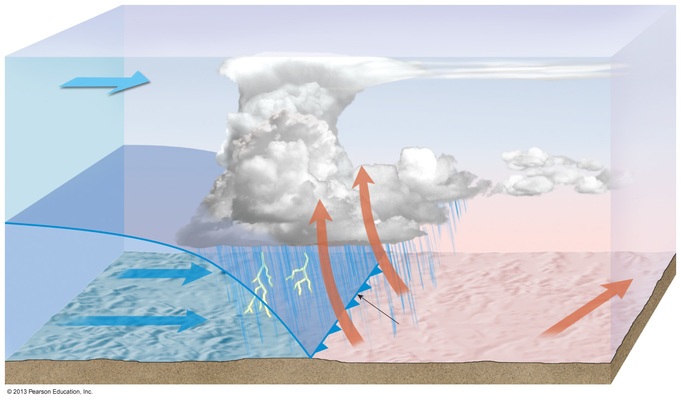
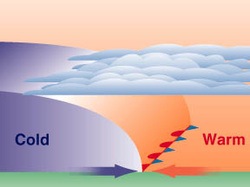
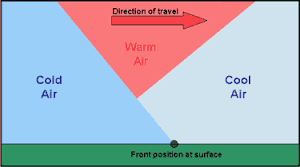
What type of storm front is this? 
a)
warm front
b)
cold front
c)
stationary front
d)
occluded front
213.
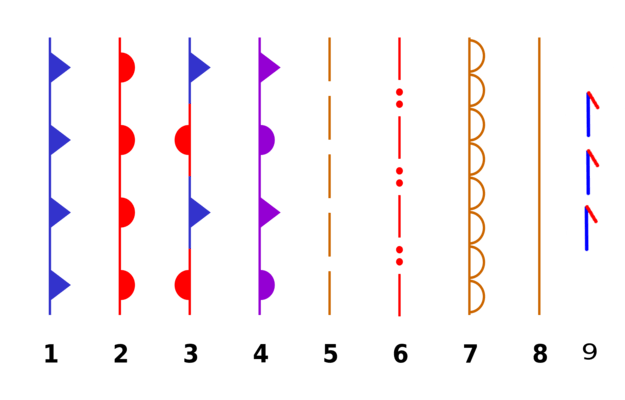
What does symbol # 3 mean?
a)
stationary front
b)
occluded front
c)
warm front
d)
cold front
214.
A front is
a)
where warm air is cooling at earth's surface
b)
a line where hot and cold air are separating
c)
a line where two different air masses meet
d)
where cold air is rising and forming rain clouds
215.
Which most likely produces clear, cool weather?
a)
zero air pressure
b)
stable air pressure
c)
a low pressure system
d)
a high pressure system
216.
_____________ air is more dense and tends to sink
a)
cold
b)
warm
c)
moist
d)
dry
217.
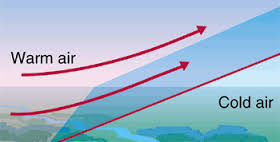
Which type of front is pictured?
a)
Cold front
b)
Warm front
c)
Occluded front
d)
Stationary front
218.
Which type of front is pictured?
a)
Cold front
b)
Warm front
c)
Occluded front
d)
Stationary front
219.
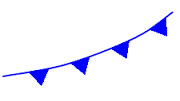
What symbol is this?
a)
warm front
b)
cold front
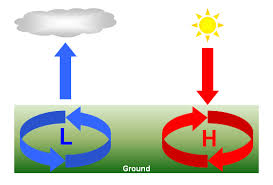
c)
stationary front
d)
occluded front
220.
Which system results in rainy or stormy weather?
a)
high pressure
b)
low pressure
c)
hurricane
d)
weather system
221.
Which system results in drier, fairer weather?
a)
high pressure
b)
low pressure
c)
hurricane
d)
weather system
222.
When a cold front is approaching, what happens?
a)
warm air is pushing under cold air causing humid weather and lower temperatures
b)
warm air is pushing under cold air causing humid weather and higher temperatures
c)
warm air rises, cools, and causes rain and thunderstorms
d)
cold air is pushed over warm air causing rain and thunderstorms
223.
The symbol on a weather map for a cold front is what?
a)
a line with triangles on it
b)
a line with semi-circles on it
c)
a line with squares on it
d)
a line with circles on it
224.
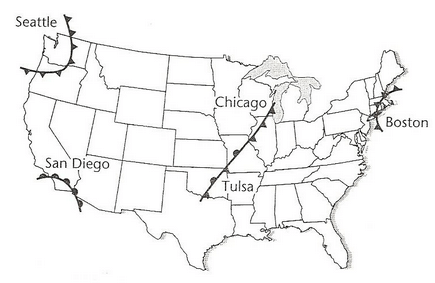
Which type of front is near Seattle?
a)
cold front
b)
warm front
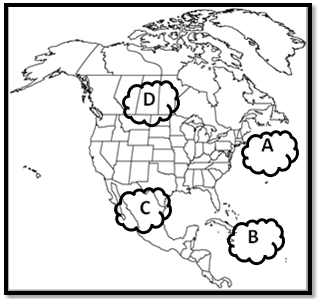
c)
occluded front
d)
stationary front
225.
Which front is located near San Diego?
a)
cold front
b)
warm front
c)
occluded front
d)
stationary front
226.
Which type of front is located near Boston?
a)
warm front
b)
cold front
c)
stationary front
d)
occluded front
227.
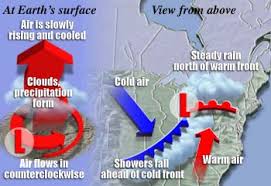
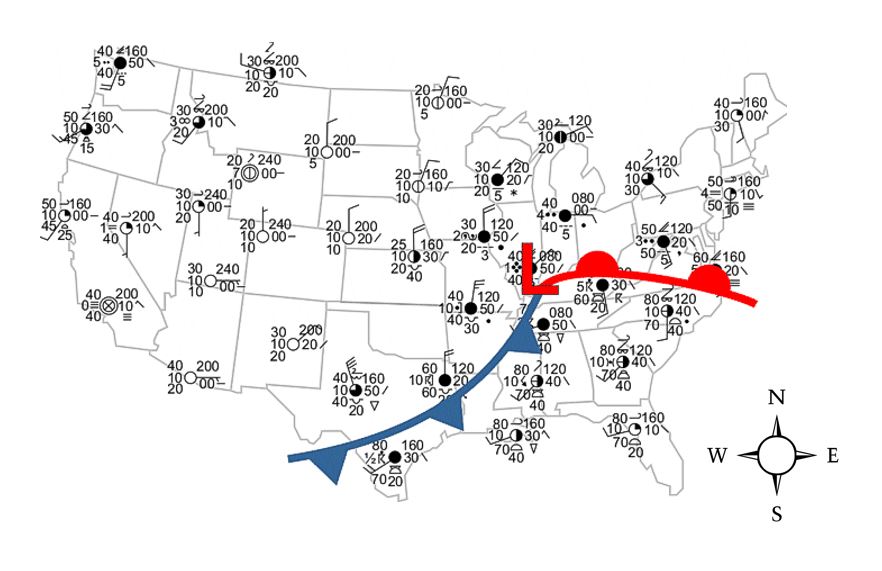
What direction is the warm front moving on the map? 
a)
North
b)
South
c)
East
d)
West
228.
What direction is the cold front moving on the map? 
a)
Southwest
b)
Northwest
c)
Southeast
d)
Northeast
229.
Which front leads to steady rain for several days?
a)
warm front
b)
cold front
c)
stationary front
d)
occluded front
230.

Which one shows a warm front?

a)
b)
c)
d)
231.
Which type of front is pictured?
a)
Cold front
b)
Warm front
c)
Occluded front
d)
Stationary front
232.
Hot air rises because...
a)
it is less dense
b)
it is heavier
c)
it is more dense
d)
it contains Helium
233.
The process the causes plate tectonics, wind, and ocean currents is known as...
a)
Radiation
b)
Conduction
c)
Nuclear Energy
d)
Convection
234.
According to the map, which city is likely experiencing warmer weather?
a)
Seattle
b)
Chicago
c)
Boston
d)
San Diego
235.
Which type of weather is Dallas, Texas, likely experiencing?
a)
Thunderstorms
b)
Clear skies
c)
Cold temperatures
d)
Gentle precipitation for days
236.
Which of the following is most likely a cause of hurricanes?
a)
Cooler ocean temperatures
b)
Warmer ocean temperatures
c)
Large ocean waves
d)
Strong ocean currents
237.
A hurricane forms over the Atlantic Ocean. When it hits land and comes ashore, its wind speed decrease significantly.  This happens because the hurricane:
a)
gains more water from the flooded land than the ocean
b)
meets a land breeze
c)
meets a stronger hurricane moving from land
d)
no longer gains energy from warm ocean water
238.
What type of weather usually goes with this symbol?
a)
Clear, sunny skies
b)
Cloudy skies
c)
Hot temperature
d)
Thunderstorms
239.
What type of weather will occur with this symbol?
a)
Thunderstorms, cooler temperatures
b)
Gentle precipitation, warmer temperatures
c)
Sunny skies, warmer weather
d)
Cloudy skies, cooler weather
240.
____________ air sinks/falls because it is ____________dense.
a)
Cold, More
b)
Warm, Less
c)
Cold, Less
d)
Warm, More
241.
____________ air rises because it is ____________dense.
a)
Cool, Less
b)
Warm, Less
c)
Cold, More
d)
Warm, More
242.

A(n) _____ is a large body of air that has properties similar to the part of Earth's surface over which it depends.

a)

tornado

b)

pressure system

c)

front

d)

air mass

243.
Which type of front is near Seattle?
a)
cold front
b)
warm front
c)
occluded front
d)
stationary front
244.
Which type of air would you find at air mass A?
a)
cold, dry
b)
warm, humid
c)
warm, dry
d)
cold, humid
245.
This is the symbol for a... 
a)
Occluded Front
b)
Stationary Front
c)
Warm Front
d)
Cold Front 
246.
This is the symbol for a... 
a)
Stationary Front
b)
Occluded Front
c)
Cold Front
d)
Warm Front
247.
This is the symbol for a... 
a)
Stationary Front
b)
Occluded Front
c)
Cold Front
d)
Warm Front 
248.
This is the symbol for a... 
a)
Cold Front
b)
Warm Front
c)
Stationary Front
d)
Occluded Front 
249.
Which of the following will heat the fastest? 
a)
water
b)
land
c)
both heat at equal rates
250.
The conditions of the atmosphere at a certain time and place. 
a)
weather
b)
climate
c)
precipitation
d)
atmosphere
251.
Air travels
a)
from high pressure to low pressure
b)
from low pressure to high pressue
252.
Climate is ______.
a)
what the air is like outside
b)
the temperature of a day
c)
pattern of weather in a place over many years.
253.
The condition of the atmosphere, such as temperature, cloud cover, wind speed and rainfall
a)
climate
b)
weather
c)
trend
d)
season
254.
The location where warm air mass is replacing a cooler air mass
a)
cold front
b)
warm front
c)
icy front
d)
storm front
255.
The location where cold air mass is replacing a warm air mass
a)
storm front
b)
hot front
c)
warm front
d)
cold front
256.
_______ affects weather because the further north or south you go from the Equator, the less solar energy (heat).
a)
altitude
b)
latitude
c)
sunlight
d)
atmosphere
257.
The layer of the atmosphere where weather occurs is the _.
a)
thermosphere
b)
stratosphere
c)
mesosphere
d)
troposphere
258.

What type of storm can produce tornadoes?

a)

Multicell Cluster

b)

Squall Line

c)

Cyclone

d)

Supercell

259.
Which system results in drier, fairer weather?
a)
high pressure
b)
low pressure
c)
hurricane
d)
weather system
260.
Clouds are made up of tiny drops of ______ or ice. The moisture in the cloud affects the weather.
a)
dust
b)
water
c)
cloud particles
d)
precipitation
261.
Which location probably has the greatest annual rainfall?
a)
A
b)
F
c)
C
d)
D
262.
Which climate zone is found at the blue X?
a)
Tropical
b)
Temperate
c)
Polar
263.

A tornado is not officially classified as a tornado until:

a)

It reaches over 80 mph

b)

It travels at least 1 mile

c)

It picks up and spins around a cow

d)

It connects the ground to the clouds

264.
Which city has the highest rainfall in July? 
a)
Iquitos ( Graph on Left)
b)
Monrovia (Middle Graph)
c)
Normanton (Graph on Right)
d)
None of the above
265.
Which month has the lowest average temperature?
a)
December
b)
November
c)
January
d)
February 
266.

Which of the following has caused repeating 100,000-year cycles of ice ages in the past?

a)

an increase in sun spots

b)

several major volcanic eruptions

c)

changes in Earth's orbit and the tilt of its axis

d)

continental drift

267.
Which of the following is the best conclusion that can be made from this graph?
a)
atmospheric carbon dioxide levels have been decreasing since 1960
b)
Hawaii has a lot of carbon dioxide
c)
humans have been working hard to decrease carbon dioxide levels
d)
atmospheric carbon dioxide levels have increased steadily since 1960
268.

The main human activity that releases greenhouse gases is

a)

using public transportation and there by reduce the affects of greenhouse gases.

b)

burning fossil fuels

c)

texting on cellphones

d)

eating meat

269.
 What is the greenhouse effect?
a)
The warming of a planet due to trapped radiation.
b)
The cooling of Earth due to air pollution.
c)
The heating of a solid, such as a rock.
270.
How does the concentration of carbon dioxide in the atmosphere affect climate?
a)
As carbon dioxide concentrations increase, temperatures increase
b)
As carbon dioxide concentration increase, temperatures decrease.
c)
Carbon dioxide concentrations have no affect on climate
d)
As carbon dioxide concentrations increase, temperatures become more random.
271.

Choose which answer(s) are possible effects of rapid atmosphere warming:

a)

Increased hurricanes and typhoons

b)

Increased diseases

c)

Disastrous forest fires

d)

Starvation of the poorest populations

272.

What landform causes the rain shadow effect?

a)

Mountains

b)

Lakes

c)

Plains

d)

Valleys