
 Worksheets
Evaluating Arguments
Total questions: 21
Worksheet time: 20mins
What is the process of evaluating evidence and reasoning in an argument?
Emotional thinking
Creative thinking
Critical thinking
Logical thinking
How can you assess the validity of claims in an argument?
By blindly accepting the claims without any evaluation
By only considering the evidence that supports the claims
By ignoring any alternative perspectives and biases
By using critical thinking skills to evaluate evidence, consider alternative perspectives, and look for logical fallacies or biases.
Why is it important to consider opposing claims when evaluating arguments?
It is unnecessary to analyze opposing claims
Opposing claims have no impact on evaluating arguments
Only one perspective should be taken into account
Considering opposing claims is crucial for making a well-informed and balanced assessment of arguments
Explain the role of evidence in evaluating the validity of a claim.
The validity of a claim is determined solely by personal beliefs
Evidence is only necessary for scientific claims, not everyday claims
Evidence has no impact on evaluating the validity of a claim
Evidence helps to determine the credibility and reliability of a claim by providing support or proof.
How can you determine if an argument is based on sound reasoning?
Trust the speaker's confidence
Agree with the conclusion without questioning
Evaluate the evidence and logic presented, consider alternative viewpoints, and assess the validity of the conclusion.
Only consider one side of the argument
What is the role of counterarguments in assessing the strength of an argument?
Counterarguments are important for testing the validity and robustness of the original argument by considering opposing viewpoints and potential weaknesses.
Counterarguments have no impact on the original argument
Counterarguments are only used to distract from the main argument
Counterarguments always weaken the original argument
When writers make arguments, they are trying to get readers to agree with them.
True
False
What is meant by tone
Tone refers to the attitude the writer has towards their target audience
Tone refers to how much sarcasm is used by the writer
Tone refers to the voice or attitude of the writer
Tone refers to the colour used in an image
A (a) is a writer's position on a problem or issue.
A counterargument is:
addressing the opposing view of the claim
The WHY part of an argument
A writer's position on an issue
THE claim of an argument
(a) write argumentatively through published opinion pieces such as articles.
--------- are brief stories that illustrate points.
(a)
__________ are direct statements from authorities (meaning books, articles, etc.)
Statistics
Examples
Observations
Quotations
What is the best definition of "Argument"?
Emotionally appealing to various types of audiences
A claim or position supported by reasons and evidence
Using logic to make a point
Using your credibility as a speaker to appeal to various audiences
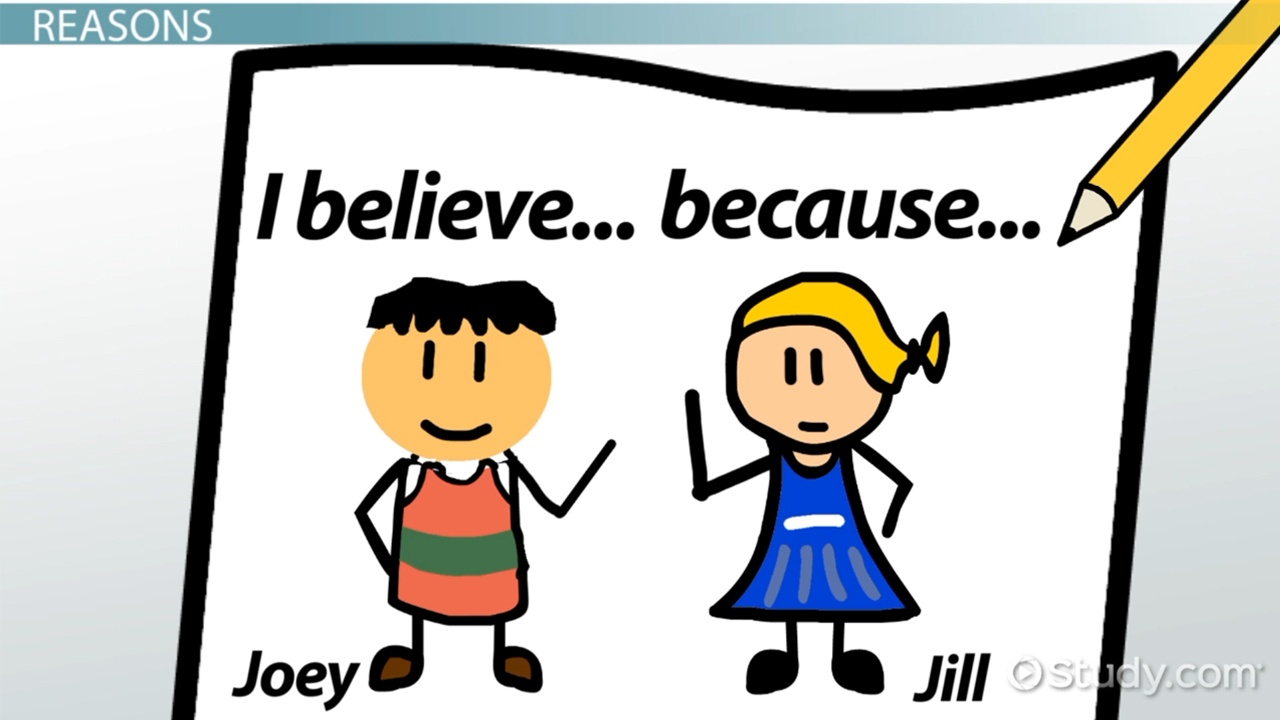
What is the main idea that an argument wants you to believe called?
Heuristic
Evidence
Claim
Premise
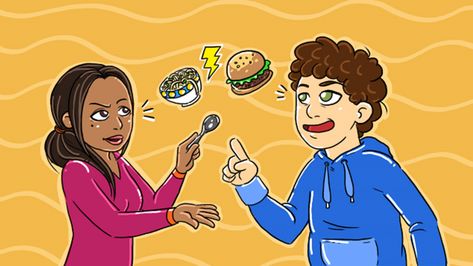
Is an expression of taste an argument?
For example, I like noodles better than hamburgers
Yes
No
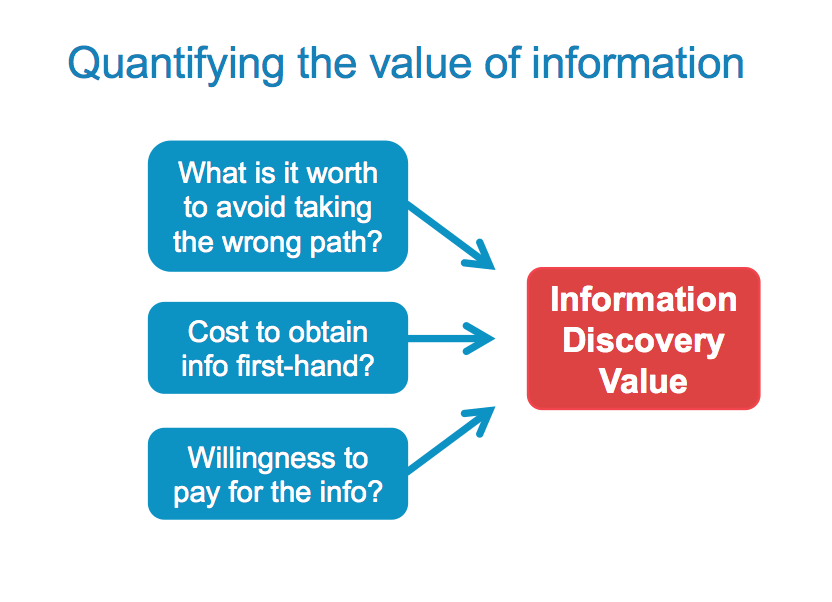
Deciding the information's value is important because valuable information should have a greater influence on your decisions.
True
False
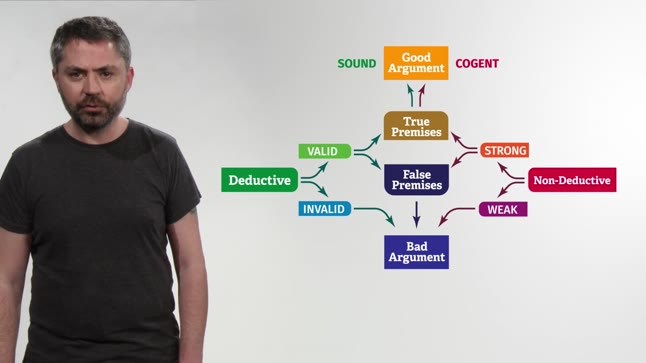
Which of the following best describes the goal of analyzing arguments?
To clarify the language of the arguments
To decide the value of the arguments
To determine the strength of the arguments
To find the arguments in the information

What is a set of facts, statistics, examples, or other information explaining why the premise is true?
Claim
Evidence
Heuristic
Premise
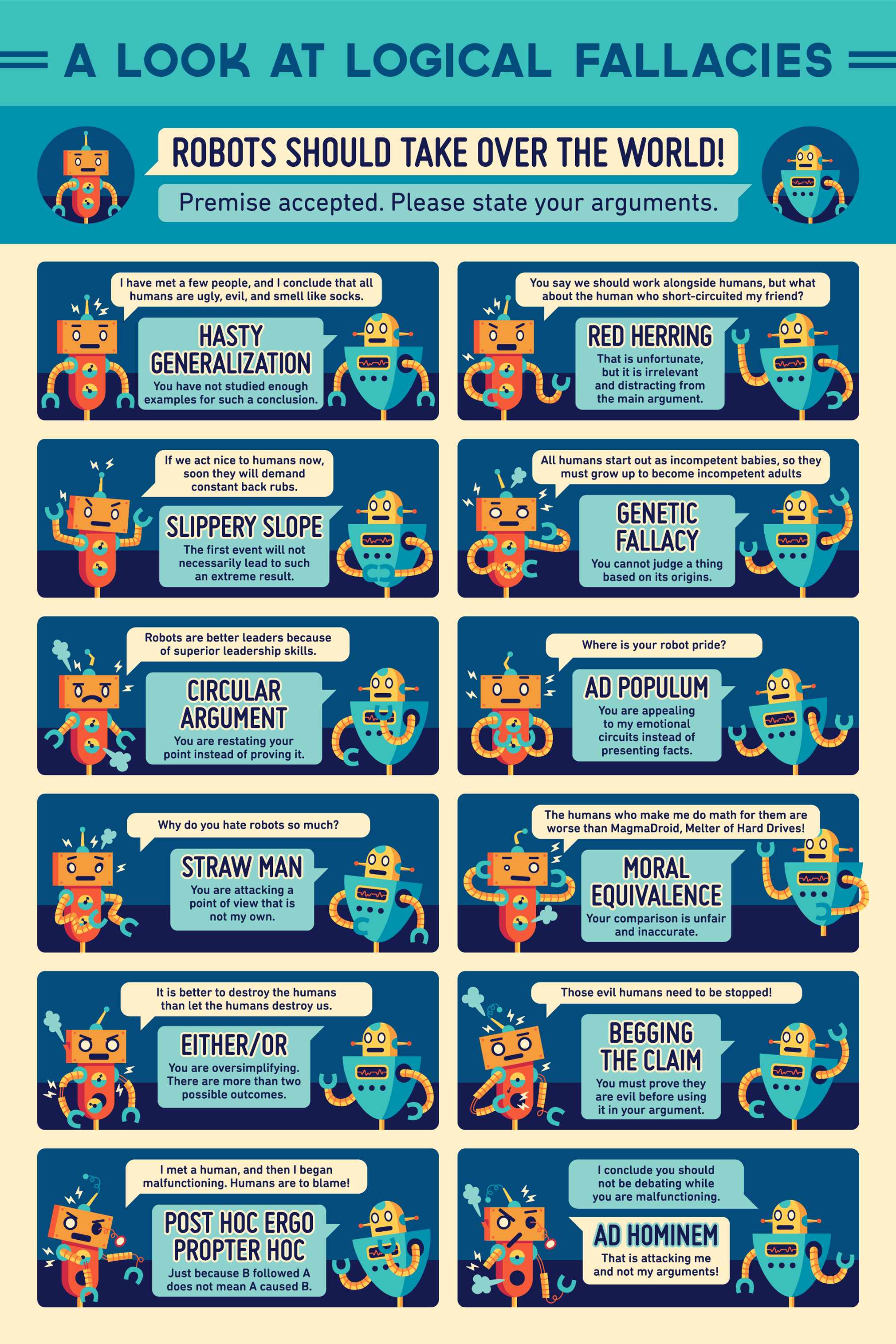
Which phrase best describes a logical fallacy?
Missing premises in an argument
Evidence that does not make logical sense
Errors in thinking based on faulty logic
Ignoring statements made in an argument
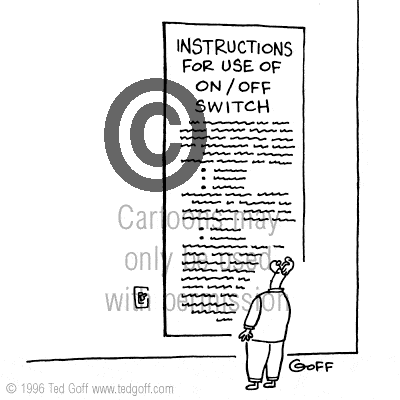
Is a list of instructions an argument?
Yes
No

