
 Worksheets
The Nature of Energy
Total questions: 20
Worksheet time: 24mins
Match the following
Kinetic energy
Energy of a spinning bicycle wheel
Chemical Potential Energy
Energy stored in food
Gravitational Potential Energy
Energy stored in a boulder on a mountain
Elastic Potential Energy
Energy stored in a stretched spring
Potential Energy
Energy that is stored
Two baseballs have the same mass. The ball that is closer to the ground has (a) gravitational potential energy than the other baseball does. Two trucks have the same velocity but different mass. The truck with the greater mass has (b) kinetic energy than the other truck does.
(a) is the ability to cause change
A (a) is a unit of measure of all forms of energy.
When an object falls, some of its (a) energy changes to (b) energy
The energy of food and other fuels is (a) potential energy
Anything that causes change must have energy
True
False
Kinetic energy is energy in the form of motion.
True
False
The joule is the SI unit of energy
True
False
According to the law of conservation of energy, energy can be created or destroyed
True
False
Energy may change from one form to another, but the total amount of energy never changes.
True
False
Mechanical energy is the total amount of potential and kinetic energy in a system
true
false
A rock at the edge of a 200 m high cliff has more potential energy than an equal-sized rock at the edge of a 600 m high cliff
True
False
The energy stored in foods and fuels is chemical potential energy
True
False
One food calorie is equivalent to about 2,800 joules
True
False
What is the definition of Kinetic energy? What is the unit of measure and the quantities in calculation?
What is the definition of gravitational potential energy? What is the unit of measure and the quantities in calculation?

What is the Kinetic Energy of a 150 kg object that is moving with a speed of 15 m/s?
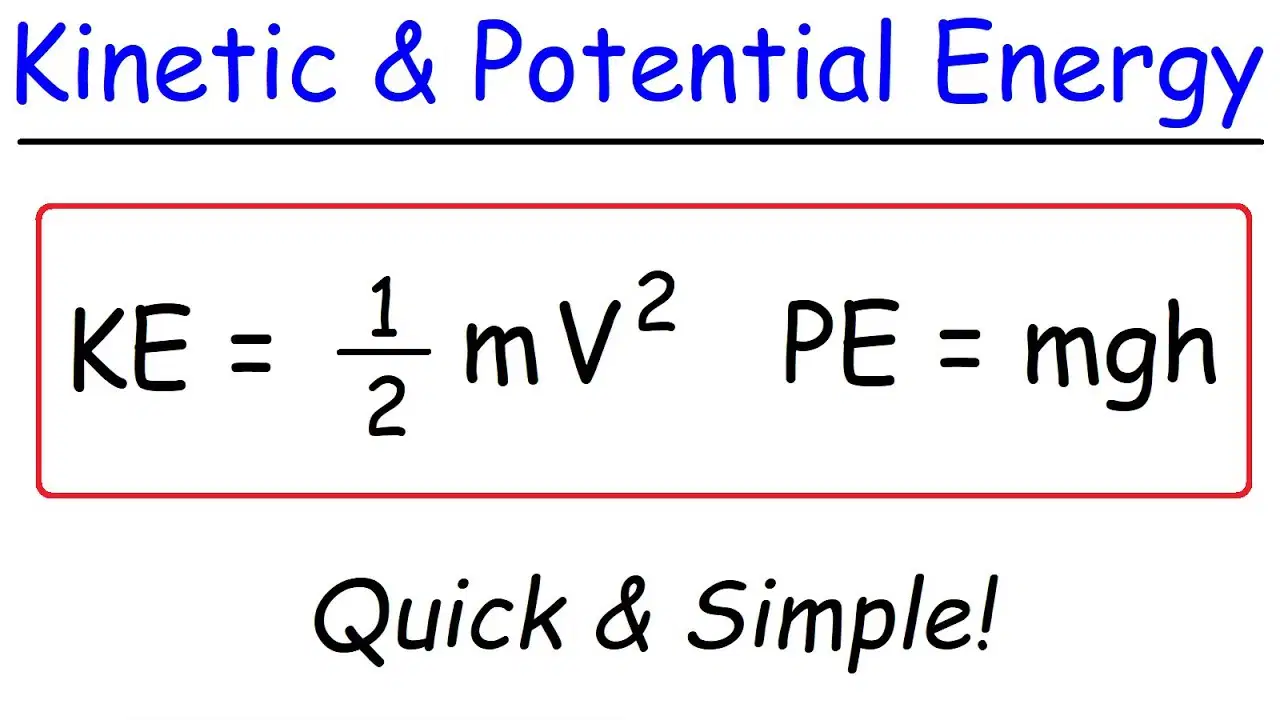
An object has a kinetic energy of 25 J and a mass of 34 kg , how fast is the object moving?
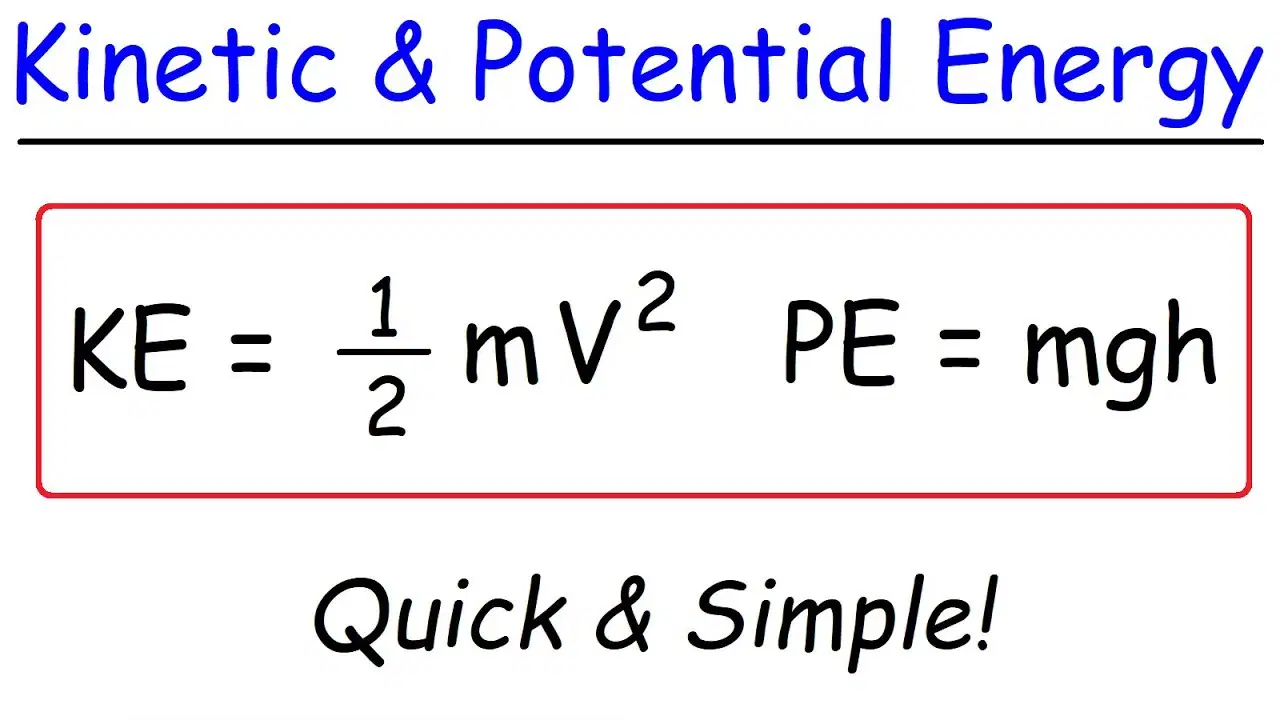
An object moving with a speed of 35 m/s and has a kinetic energy of 1500 J, what is the mass of the object.

