
 Worksheets
Biodiversity
Total questions: 16
Worksheet time: 9mins
Which of the following is the collection of life's remains found in sedimentary rock?
natural selection
homologous structures
Charles Darwin
the fossil record
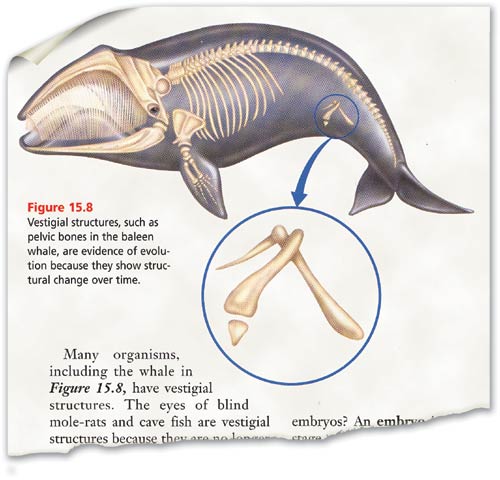
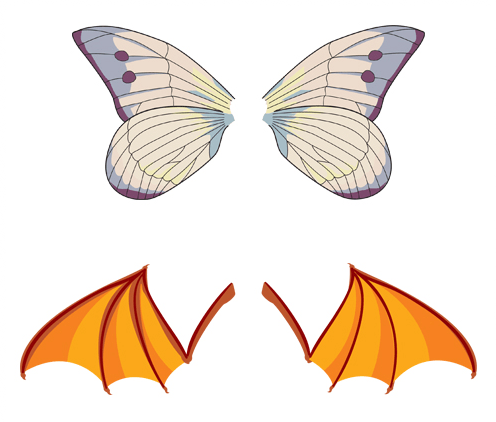
What is this an example of?
Homologous structure
Analogous structure
Vestigial organs
Functional adaption
A group of organisms that can mate with each other and produce fertile offspring.
A group of organisms that can mate and produce offspring even if those offspring are infertile.
A group of organisms that genetically are very different from each other.
Indivual organisms that live in the same environment.

The term for the formation of new and distinct species over the course of evolution is...
speciation
biological species concept
reproductive barrier
natural selection

adaptation
a trait that promotes success in the natural environment
mutation
random change in the DNA sequence giving rise to genetic variation
natural selection
a driving force of changes in a population over time
artificial selection
humans produce desired outcomes by selective breeding
biological evolution
changes in a species or population over generations
Which are causes of speciation? Choose all that apply
Isolation caused by mountains, rivers and man-made structures
preference for different foods
change in environment
different mating behaviors
behavioral isolation
temporal isolation
gametic isolation
geographic isolation
behavioral isolation
hybrid sterility
temporal isolation
mechanical isolation
The American toad (Anaxyrus americanus) and Fowler's toad (Bufo fowleri) live in the same area. However, The American toad mates in early summer while Fowler’s mates in late summer.
Behavioral isolation
Geographic isolation
Temporal isolation
The more genetic variation a population has,
the more likely it is for some individuals to
evolve
migrate
survive
mutate

A forest fire ignites in the Sam Houston State Forest and kills many members of a population of pigmy rattlesnakes.
Gene Flow
Genetic Drift

This image is an example of:
genetic drift
gene flow

