
 Worksheets
Government - 2023 Test REvisions
Total questions: 110
Worksheet time: 6hrs 30mins

Debt means....
Money that is owed
A tax on goods/products
To approve
A political party who supported the ratification of the NEW Constitution

Anti-Federalist is a
A political party who opposed the ratification of the NEW Constitution
A system of government where the central government is very WEAK and STATES hold MOST power.
To approve
A political party who supported the ratification of the NEW Constitution

Federalist is a
A political party who opposed the ratification of the NEW Constitution
The United States 1st social contract among the 13 colonies.
A system of government where the central government is very WEAK and STATES hold MOST power.
A political party who supported the ratification of the NEW Constitution

Ratify means
A tax on goods/products
To approve
Money that is owed
A legislature, or lawmaking group

Tariff is a
A set of rules/laws that outlines the structure of government; a social contract
To approve
A tax on goods/products
Money that is owed

Shay's Rebellion was.....
A system of government where citizens elect members such as the president, members of congress, and senators to run the government.
A legislature, or lawmaking group
A person who is trying to be elected for political office.
An uprising led by a former militia officer that protested the foreclosures of farms for debt
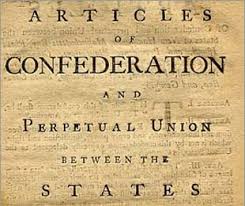
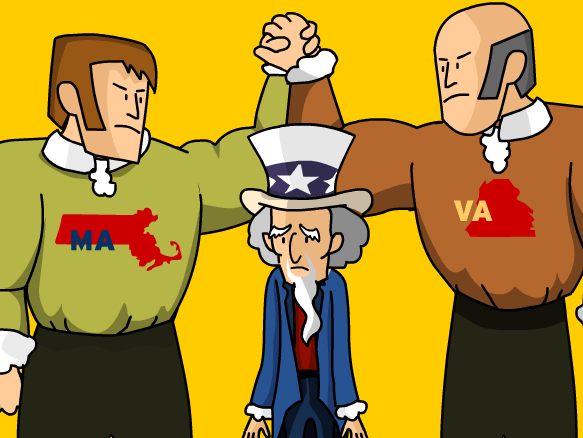
Why was this first U.S. government so weak?
King George III was still in charge of USA
Americans were afraid to give their new government too much power
The American army did not win their independence from Great Britain and King George III
Because of the Declaration of Independence
What is one reason Americans wanted to change the Articles of Confederation?
They opposed the Land Ordinance of 1785.
They didn't want the government to have only 1 branch.
States were not working together and there was no leader.
State government was weak and unsuccessful.
The Articles of Confederation created a President to lead the country.
True
False
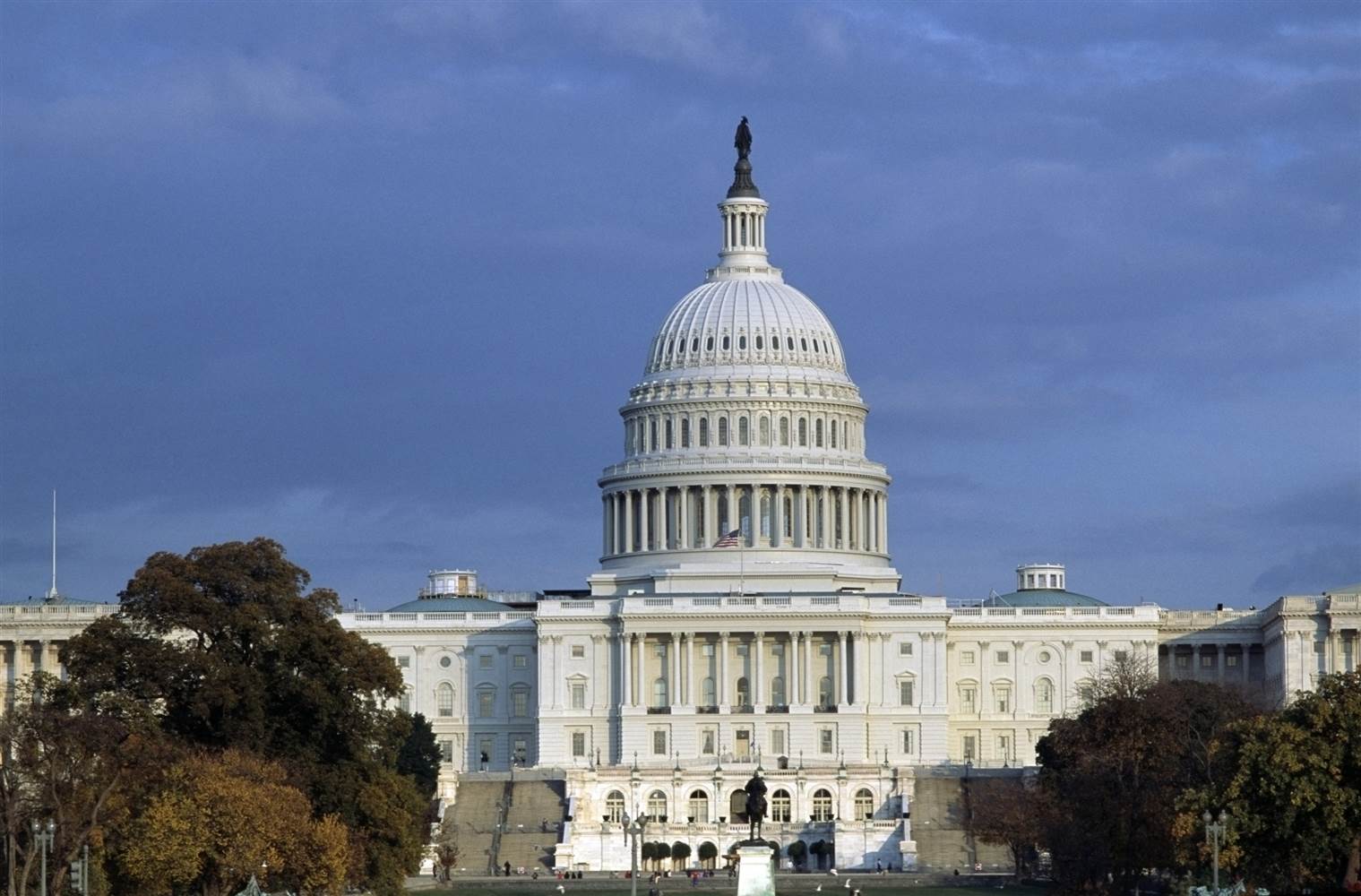
One result of the Shay rebellion was the realization that the federal government needed more control over the states
true
false
Vast region that included present day Illinois, Indiana, Michigan, Ohio, and Wisconsin
New England
Northeast Territory
Louisiana Territory
Northwest Territory
Surveys that divided public lands into townships of 36 square miles, which in turn were divided into 36 lots of 640 acres each
Northwest Territory
Land Ordinance of 1785
Northwest Ordinance of 1787
Articles of Confederation


What does the political cartoon represent?
3/5 Compromise: every 5 slaves = 3 people for representation & taxation in Congress
5/3 Compromise: every 3 slaves = 5 people for representation & taxation in Congress
3/5 Compromise: every 3 slaves = 5 people for representation in the slave trade taxes
10/8 Compromise: every 10 slaves = 8 people for representation in the Appalachian Mountains
What made people concerned about the weakness of the central (federal) government under the Articles of Confederation and caused the revision?
The Great Compromise
Constitutional Convention
The 3/5 Compromise
Shay's Rebellion
What is the highest law in the United States?
Articles of Confederation
U.S Constitution
Declaration of Independence
Treaty of Paris
What does ratify mean?
Weak
Approve
Deny
Ally
How many branches are in the Constitution?
8 Branches
3 Branches
1 Branch
4 Branches
What is the role of the Legislative Branch?
Carry out the laws
Make the laws
Vetoes the laws
What is the role of the Executive Branch
Carries out the laws
Makes the laws
Interpret the laws
What is the role of the Judicial Branch?
Breaks the laws
Interpret the laws
Makes the laws
Who is in charge of the executive branch?
the President
the Chief Justice
the Majority Leader
the Speaker of the House
What does the judicial branch do?
amends the Constitution and overturns laws
decides if a law goes against the Constitution
stipulates the number of Supreme Court Justices
provides legal advice to the President and his staff
What stops one branch of government from becoming too powerful?
the military
the Bill of Rights
checks and balances
the Federal Reserve
Who vetoes bills?
the President
the Majority Leader
the President Pro Tempore
the Speaker of the House of Representatives
What is the highest court in the United States?
the District Court
the Superior Court
the Supreme Court
the Municipal Court
How is the number of U.S. Representatives chosen for each state?
by state location
by state population
by state geographical size
by state political affiliation
What are the first 3 words of the Constitution?
We are people
We the people
We as people
We are the people
The introduction to the Constitution is called the ___.
Articles of Confederation
Declaration of Independence
Bill of Rights
Preamble
According to the Preamble, the authority of the federal government comes from the ___.
electoral college
states
people
President
The promise from the Preamble that describes our military is ___.
provide for the common defense
insure domestic tranquility
form a more perfect union
secure the blessings of liberty
The promise from the Preamble that describes our freedom is ___.
secure the blessings of liberty
provide for the common defense
insure domestic tranquility
promote the general welfare
The promise from the Preamble that mentions the idea of fairness is ___.
promote the general welfare
insure domestic tranquility
establish justice
provide for the common defense
The promise from the Preamble that describes peace in our country is ___.
establish justice
provide for the common defense
promote the general welfare
insure domestic tranquility
The Preamble lists the ___ of the United States Constitution.
grievances
unalienable rights
purposes
weaknesses
The promise from the Preamble that describes the unity of our States is ___.
form a more perfect union
secure the blessings of liberty
promote the general welfare
establish justice
Concurrent powers
The federal government has supremacy over state governments.
The federal government follows the lead of state governments.
The federal government shares powers with the state governments.
The federal government sets standards that state governments must follow.

Dividing the powers of government between the Central government and the States is called:
Federal system
Feudal system
Confederal system
Unitary system

When the States transitioned to the Federal system, what powers did they keep for themselves?
Reserved powers
Enumerated powers
Individual rights
Psychic powers

Three branches of power reflects the principle of...
Federalism
Separation of Power
Popular Sovereignty
Checks and Balances
Amendment 1
Protects your Liberties: Speech/Press/Petition/Religion/Assemble
Right to bear arms
Freedom from quartering troops
Freedom from unreasonable search and seizure
Amendment 2
Freedom from self-incrimination
Right to a jury in a civil court cases
Power unlisted in the constitution are reserved for the states/people
Right to bear arms
Amendment 3
Protection of your liberties: Speech/Press/Petition/Religion/Assembly
Right to legal counsel
Freedom from quartering troops
Freedom from cruel and unusual punishment
Amendment 4
Freedom from unreasonable search and seizure
Freedom from self-incrimination
Right to a speedy trial and impartial jury
Rights unlisted in the constitution are still protected
Amendment 5
Freedom from unreasonable search and seizure
Freedom from self-incrimination
Right to a speedy trial and impartial jury
Rights unlisted in the constitution are still protected
Amendment 6
Freedom from unreasonable search and seizure
Freedom from self-incrimination
Right to a speedy trial and impartial jury
Rights unlisted in the constitution are still protected
Amendment 7
Right to a jury in civil cases. Facts found cannot be reexamined
Right to legal counsel
Freedom from quartering troops
Freedom from cruel and unusual punishment
Amendment 8
Freedom from self-incrimination
Right to a jury in a civil court cases
Freedom from excessive bail/ cruel and unusual punishment
Right to bear arms
Amendment 10
Freedom from self-incrimination
Right to a jury in a civil court cases
Power unlisted in the constitution are reserved for the states/people
Right to bear arms
The first ten amendments of the U.S. Constitution.
Bill of Rights
due process
free exercise clause
libel
5th Amendment Principle stating that government must follow procedures in trials
Bill of Rights
due process
free exercise clause
libel
A court order allowing law enforcement officers to search a suspect's home or business and take specific items as evidence
slander
freedom of assembly
search warrant
probable cause
Being tried more than once for the same crime
double jeopardy
jury
self-incrimination
Miranda Rightss
a group of citizens chosen to hear evidence and make a decision in a court of law
double jeopardy
jury
self-incrimination
Miranda Rightss
giving testimony that can be used against oneself
double jeopardy
jury
self-incrimination
Miranda Rightss
the right of a government or its agent to expropriate private property for public use, with payment of compensation.
cruel and unusual punishment
capital punishment
ex post facto law
eminent domain
Suffrage is a fancy word meaning _____
the right to vote
the process to amend the Constitution
suffering
Reasonable grounds for making a search, or pressing charges against someone
grievance
probable cause
bail
infringed
Approval or agreement
consent
infringed
compensation
imposed
To provide housing or shelter
warrant
redress
quarter
consent
It is difficult to amend the constitution because the framers wanted to make sure _____.
changes were only made when absolutely necessary
no one ever changed the Constitution
hardly anyone got a say
the President got all the say

