
Font size
 Worksheets
C8 Revision Quiz Rate of Reaction
Total questions: 50
Worksheet time: 45mins
According to Mr Bs revision tips, what should you offer to do while a family member quizzes you on your flash cards?
Go on playstation
stare at the wall
make them a cup of tea and do the washing up
bake them a sponge cake
Why does a higher temperature increase the rate of a reaction?
it increases both the frequency and energy of particle collisions
it only increases the frequency of particle collisions
it only increases the energy of particle collisions
it reduces the activation energy of the reaction
Grinding a effervescent tablet into powder increases the rate of reaction due to increased
concentration
surface area
temperature
reactants
Adding a catalyst ___________ the activation energy.
Raises
Lowers
Doesn't affect
Inreases
The minimum amount of energy needed for colliding particles to react is called
Chemical Energy
Kinetic Energy
Activation Energy
Potential Energy
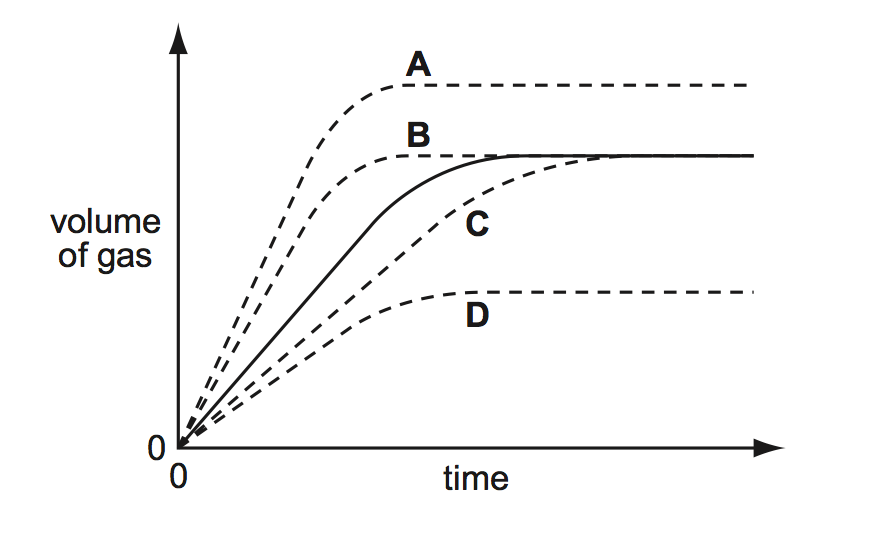
Which graph shows the effect of increasing temperature on the rate of reaction of calcium carbonate with dilute hydrochloric acid?
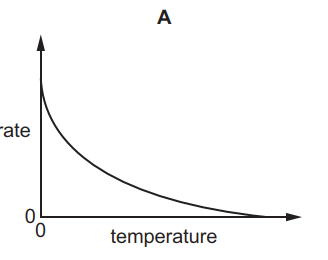
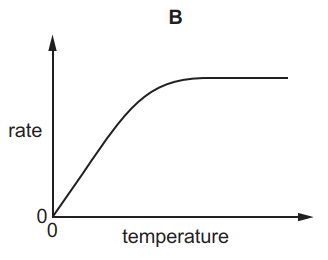
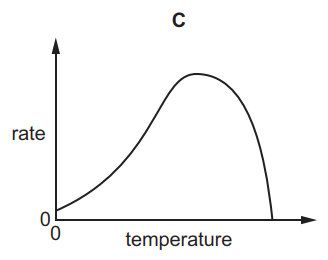
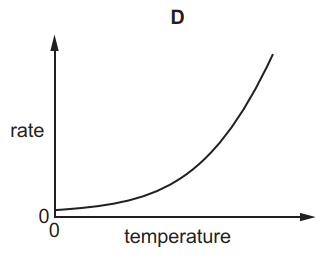
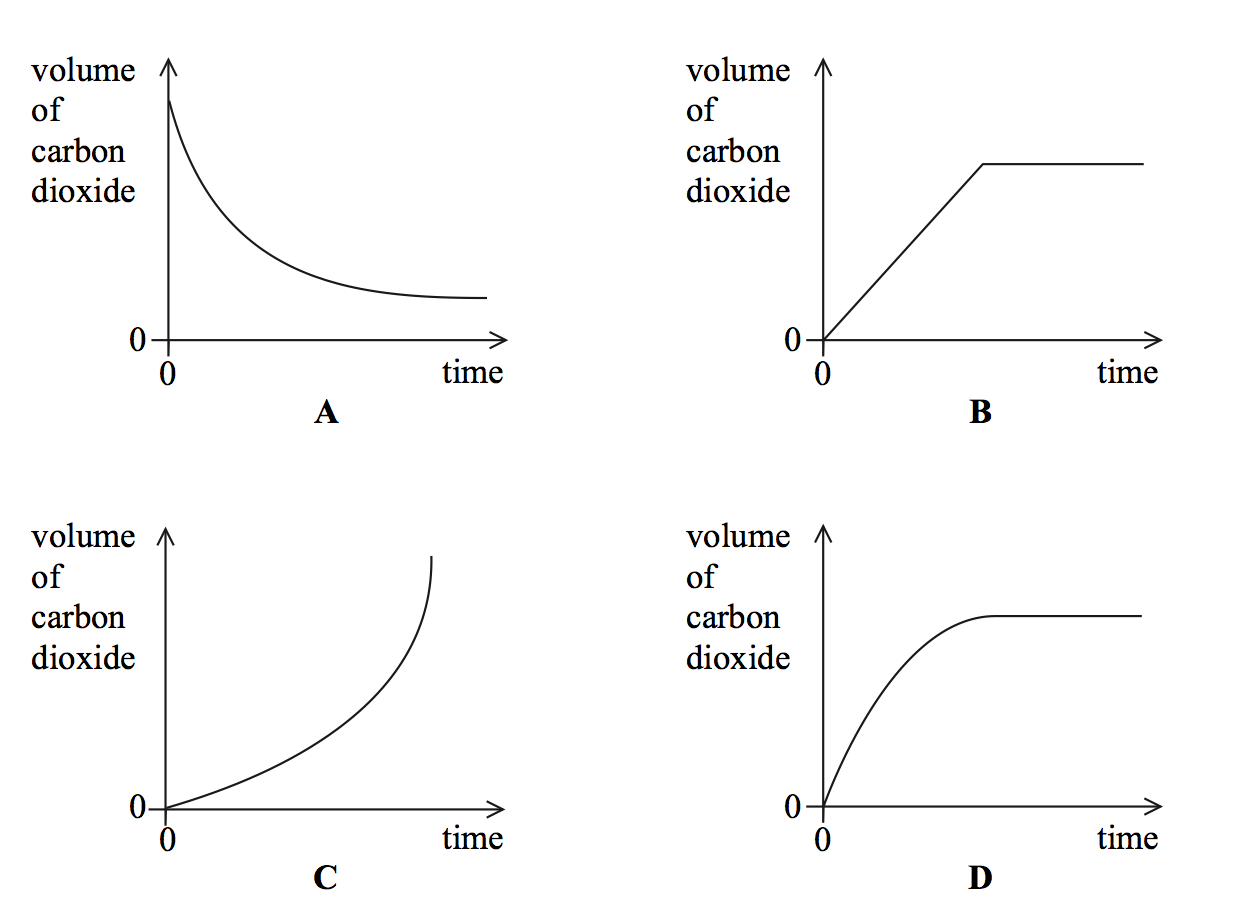
Which graph shows the correct results?

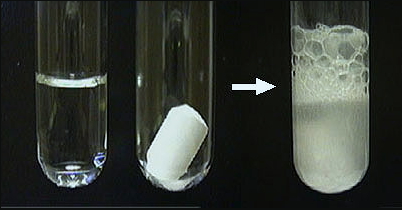
How could we make this reaction happen more quickly?
Decrease the concentration of the acid
crush the chalk to increase the surface area
Put the test tube in an ice bath
The major theory of reaction rate is called
Collision theory
Crash theory
Newton's laws
Thermodynamics


How does concentration affect the rate of reaction?
Increasing concentration increases the rate
Increasing concentration decreases the rate
Why does increasing concentration increase the rate of reaction? Tick all correct options.
There is a lower activation energy
There are more particles in the same volume
There are more frequent collisions
The particles have a higher surface area
How does surface area affect the rate of reaction?
Increasing surface area increases the rate
Increasing concentration decreases the rate
Why does increasing surface area increase the rate of reaction? Tick all correct options.
There is a lower activation energy
There are more particles in the same volume
There are more frequent collisions
The particles have a higher surface area
How does temperature affect the rate of reaction?
Increasing temperature increases the rate
Increasing concentration decreases the rate
Why does increasing temperature increase the rate of reaction? Tick all correct options.
There is a lower activation energy
The particles have higher energy
There are more frequent collisions
The particles have a higher surface area
How do catalysts affect the rate of reaction?
Adding a catalyst increases the rate
Adding a catalyst decreases the rate

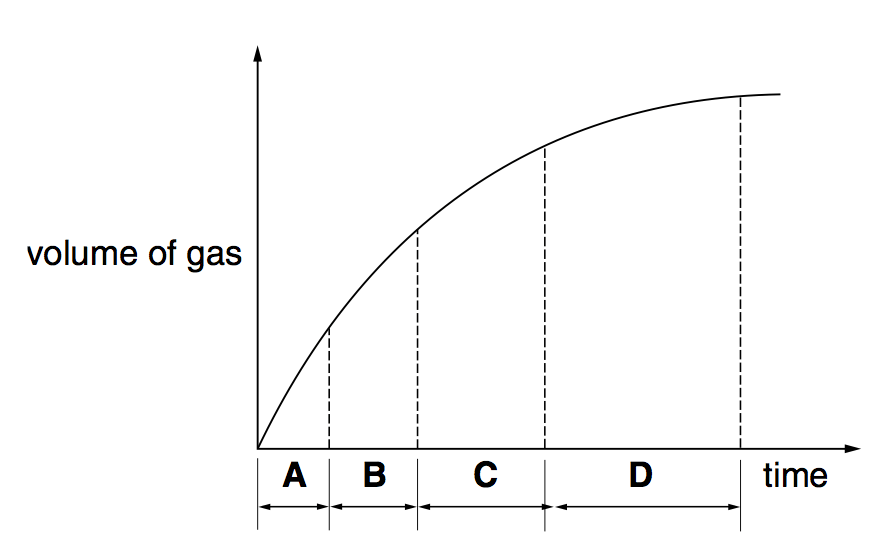
This equipment could be used to measure the rate of what type of reaction?
One that produces a gas
One that produces a solid
One that has a colour change

Which of these are the activation energy?
A
B
C
D
It freezes into a solid.
An unexpected color change
A temperature change
The formation of a precipitate
In a chemical reaction, bonds are broken and new bonds are formed that create new substances. The bonds that are broken are in the ....
?
Reactants
Products
Atoms
Catalysts
Reactions only happen if the reactant molecules collide with enough energy to break the bonds in the reactants
True
False
Heating the reactants causes the partices to move faster so ....
No successful collisions so there is no reaction
Less frequent successful collisions so the reaction is slower
There are more frequent successful colisions so the reaction is faster
More unsuccessful collisions so no reaction
Magnesium ribbon will react slower than magnesium powder when added to dilute hydrochloric acid because ...choose 2 ... the correct answer and reason
So there are less frequent successful co
Mg ribbon has a smaller surface area to volume ratio
So there are more frequent successful collisions
Magnesium powder has a bigger surface area to volume ratio so there will be more frequent successful colisions
If magnesium ribbon and magnesium powder are added to acid which will react slower... chose 2 .... the answer and reason
as the surface area is smaller there will be less successful collisions per second
Magnesium ribbon reacts faster and you will see more bubbles per second
Magnesium ribbon reacts slower
and you will see less
bubbles per second
as the surface area is bigger there will be more successful collisions per
List four factors that affects the rate of a reaction
temperature
concentration
surface area
volume
catalysts
A temperature increase causes the particles ......
to slow down
move faster
collide higher
in the right order
How does a catalyst work in speeding up a reaction?
By lowering the activation energy or reaction
by giving them more energy
by making them more available
List four factors that affects the rate of a reaction
temperature
concentration
surface area
volume
catalysts
A temperature increase causes the particles ......
to slow down
move faster
collide higher
in the right order
How does a catalyst work in speeding up a reaction?
By lowering the activation energy or reaction
by giving them more energy
by making them more available
A temperature increase causes the particles to ......
to slow down
move faster
collide higher
in the right order

