
 Worksheets
Photosynthesis and Energy Transfer
Total questions: 28
Worksheet time: 33mins

A plant’s leaves are green because the color green is _________________back to our eyes.
Absorbed
Reflected
Transmitted
None of the Above
Which is not a reactant (left side) needed for producing food in a green plant.
Carbon Dioxide
Water
Oxygen
Sunlight

What part of the leaf is responsible for absorbing the sun’s energy?
Cell Wall
Veins
Chlorophyll
Nucleus
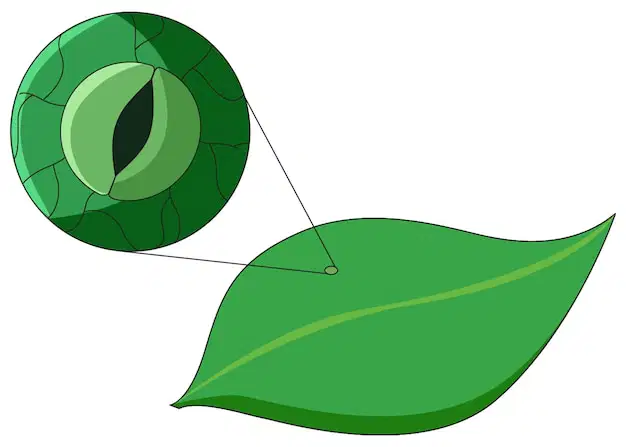
The stoma on the underside of the leaf allows ___________ to move in and out of the leaf.
Gases
Water
Nutrients
Soil
Which of the following is not a product (right side)of photosynthesis?
Carbon Dioxide
Oxygen
Glucose
Glucose is a type of _______________.
Dairy Product
Protein
Salt
Sugar

Sun’s radiant energy falls under which part of the electromagnetic spectrum?
Ling-Waves
Gamma Rays
Visible Light
X-Rays
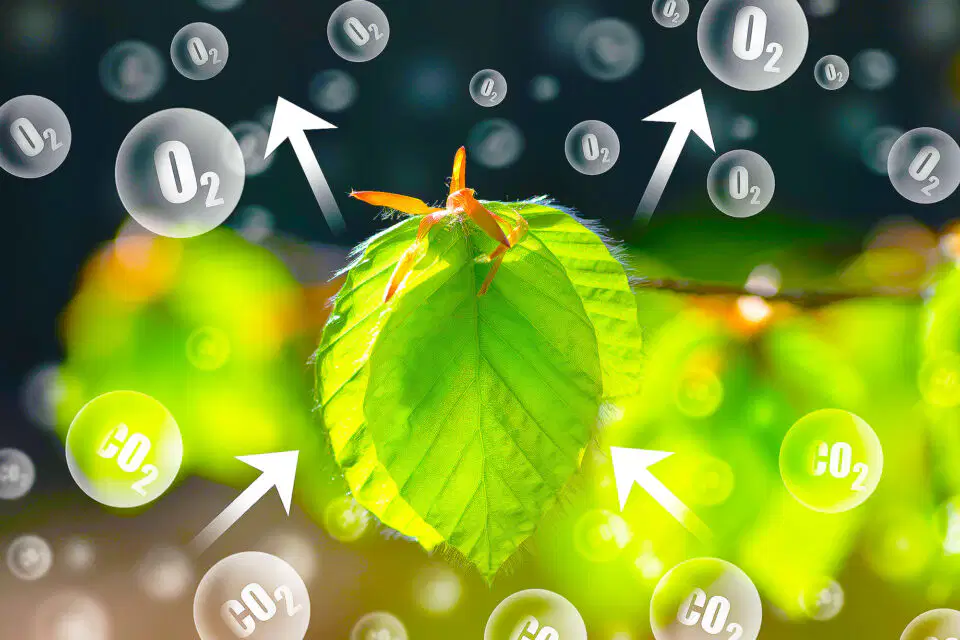
Photosynthesis happens both during the day and night in plants.
True
False
What are the products of photosynthesis?
carbon dioxide and glucose
oxygen and glucose
water and carbon dioxide
oxygen and carbon dioxide
What do plants need for the photosynthesis process?
soil, air, and oxygen
light, carbon dioxide, and water
roots, flowers, and bees
camera and a tripod
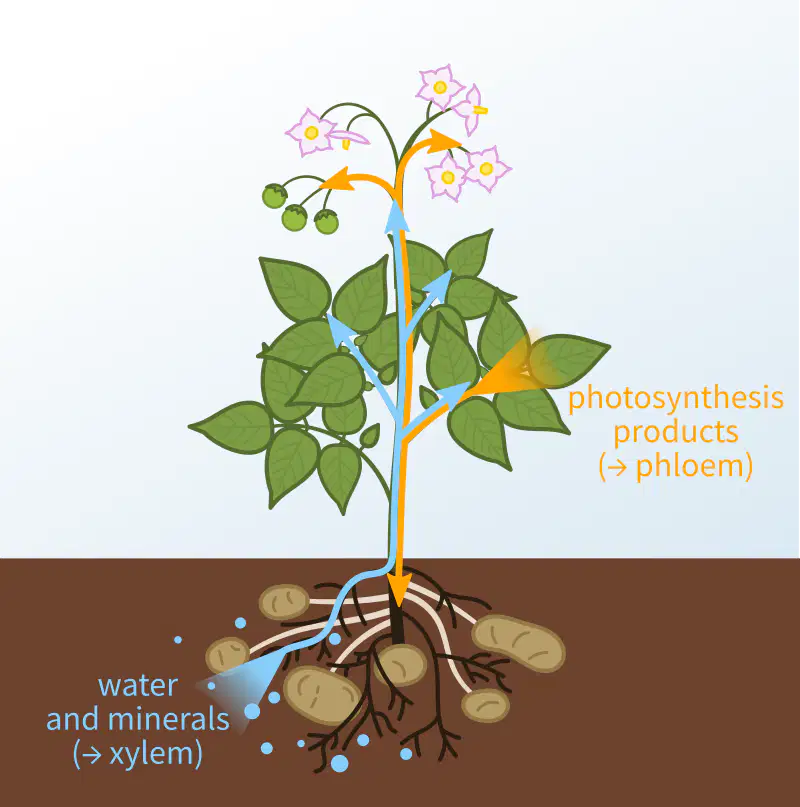
Which part of the plant transports nutrients from the leaves to the rest of the plant?
Stoma
Phloem
Chloroplast
Chlorophyll
The vascular tissue of the plant that transports water is the...
roots
stems
xylem
phloem

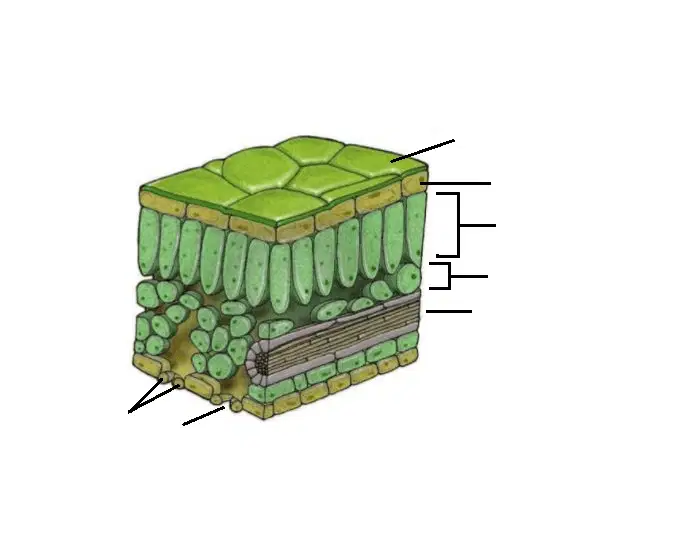
What is the name of the elongated, packed cells (part G) directly under the upper epidermis?
Palisade cells
Guard cell
Spongy layer
Lower epidermis


Where does all energy in food web originate from?
Earth's Core
Water
Plants
The Sun
What is the process by which water diffuses across a selectively permeable membrane?
active transport
osmosis
simple diffusion
facilitated diffusion
How long does diffusion last?
Until the concentration of particles in the system is equal
(Select this answer and I swear i'll make it harder for you in the assessment task)
Until a region in the system has a greater concentration of particles than the other
Until the particles disappear from the system
What does a 'region with high concentration' mean?
An area with a SMALL number of particles
An area with a LARGE number of particles
An area with an UNEVEN number of particles
An area with no particles
Things enter and exit the cell membrane in two ways.
Which way do you think requires energy?
active transport
passive transport

