
 Worksheets
GIU quiz G5 Fossil
Total questions: 167
Worksheet time: 2hrs 22mins







Which type of fossil is is a dinosaur footprint?
Fossil record
Trace fossil
Mold fossil
Cast fossil
What is dissolved into mud that turns an organism's remains into rock?
Minerals
Vitamins
Bacteria
Water
What condition makes the body of an animal more likely to become fossilized?
It is left on the surface of the Earth.
It does not contain bones or other hard body parts.
It is a large organism.
It is buried deep under the ground.

Which type of fossil is shown in the picture?
Body Fossil
Trace Fossil
Mold Fossil
Cast Fossil
How long does it take for a fossil to form?
Less than a year
A few years.
A few hundred years
Thousands to millions of years.

What type of fossils is shown in the picture?
Cast Fossil
Mold Fossil
Body Fossil
Trace Fossil
Whole fossilized animals are rare. What do paleontologists usually find?
Hair, teeth and bones
Shells, bones, and teeth
Shells, bones, and hair
Teeth, bones, and organs
Scientists study fossils to find out more about...
Changes in Earth's land
Changes in Earth's environment
Changes in living organisms that exist on Earth
All of the above
Entire organisms have been found preserved in...
(Be sure to choose ALL of the correct answers).
amber (hardened tree sap)
Ice
Mud
Rocks
Finding fossils of the same organism in different places around the world supports the theory that Earth was once one large piece of land and the continents have been slowly moving apart for millions of years. What type of fossils are scientists using as their evidence?
Index Fossils
Trace Fossils
Petrified Fossils
Body Fossils
A solid copy of the shape of an organism is...
a fossil record
a mold
a carbon film
a cast
The gradual change in living things over time is..
transition
evolution
age
revolution
Most fossils form when living things die and are buried by _______________ that hardens into rock over time.
sediment
people
cement
ants
What type of fossils provide evidence of the activities of ancient organisms?
molds and casts
petrified fossils
trace fossils
carbon films
An organism is ______________ if it no longer exits and will never live again on Earth.
rare
extinct
plentiful
missing
What is an extremely thin coating of carbon on rock?
sediment
sap
tar
carbon film
A hollow area in sediment in the shape of an organism or part of an organism is.....
a cast
a mold
a trace fossil
a petrified fossil
A ______________________ is a scientist who studies fossils.
biologist
chemist
paleontologist
astronomer
Scientist study the ____________________ to learn about the history of life, past environments on Earth, and how different groups of organisms have changed over time.
fossil record
animal record
historical record
Earth record
Which of the following substances is not able to preserve entire organisms?
sticky tar
water
amber
ice

Which process of the water cycle is similar to water droplets forming on grass early in the morning?
precipitation
condensation
evaporation
runoff

Which of the following is porous under normal conditions?
plastic cup
raincoat
coffee cup
cotton shirt

In which situation is percolation occurring?
mud puddle drying up
glass of orange juice setting on a table
snow melting on a warm day
water going through coffee grounds to make coffee

What is another name for the water cycle?
high quality H2O
watershed
hydrosphere
hydrologic cycle

An underground area of sediment and rock that is filled with groundwater is a?
watershed
reservoir
geyser
aquifer

Which of the following states is the smallest amount of water found?
water vapor
ice
liquid H2O
groundwater

How much of the Earth's surface is covered by water?
97%
71%
29%
17%

Humans are directly involved in the water cycle because of?
respiration
& perspiration
respiration
& precipitation
transpiration
& respiration
none of these

Water plays a major role in shaping the surface of the Earth, how?
respiration
erosion
evaporation
transpiration

Volcanoes are important in the water cycle because they release this during eruptions?
water vapor
lava
smoke
hail

This is responsible for keeping water constantly moving in the water cycle?
sunlight
wind
earthquakes
molten core of Earth

What percentage of the Earth's water is saltwater, and cannot be used by people?
99%
97%
71%
3%

All of the water on Earth makes up this?
water table
atmosphere
hydrosphere
none of these

The layer of gases that surrounds the Earth is called?
hydrosphere
blue planet
atmosphere
water cycle

An artificial or man made lake used to store water for human usage is a?
water table
water bed
aquifer
reservoir

When water changes from a liquid to a gas, it is called?
evaporation
transpiration
runoff
condensation

An area of land that catches all of the precipitation and surface runoff in an area?
water table
reservoir
watershed
aquifer

Most of the frozen water on Earth is found in?
groundwater
glaciers
geysers
hail

When plants lose water through pores in their leaves?
evaporation
transpiration
runoff
percolation

The upper level of the groundwater is called?
water table
groundwater
aquifer
reservoir
What is the hydrosphere?
The water I drink at home
The sum of the seas and oceans
All the water on the Earth's surface, groundwater and vapour water
Groundwater is...
The water under the Earth's surface
The water that forms the clouds
The water of the swimming pool
There are two states of water
True
False
How many states of water are there?
0
2
3
5

Fresh water is the water of the seas and oceans
True
False

Salt water is the water of the seas and oceans
True
False

What is the name of the frozen water on Earth?
Aquifer
Hydrosphere
Ice caps
Spring

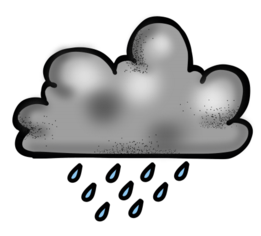
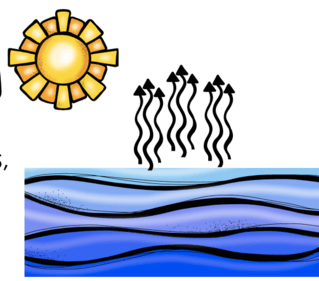
What is the name of this process?
Evaporation
Collection
Condensation
Precipitation

When solid water turns into liquid water it is called...
Solid water
Melting
Condensation
Freezing
The source of a river is...
Where the river is born
Where the river ends
The amount of river water
The place where the river flows into the sea is called...
Tributary
Floodplains
Source
The mouth
Guadalquivir river is an Andalusian river
True
False







Of the 15 water scarce countries, 12 are in...
United Kingdom and Canada
America and Canada
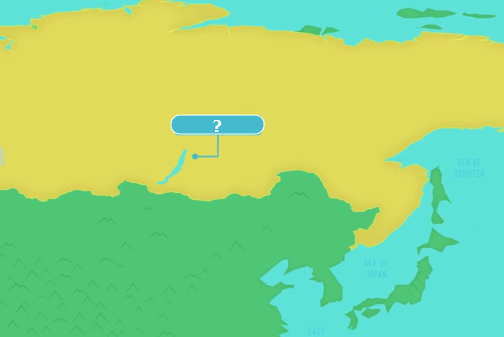
Southwest Asia and North Africa
Russia and Germany
Water pollution and waste plays a big factor in water shortage.
True
False
Which answers are below are the reasons for unequal distribution?
Being rich or poor
There is no modern plumbing access to water
fresh water access due to contaminated water and walking many miles to water source
Water is often wasted for building projects and irrigation
All the above
What is the process that brings water to the farm areas where farmers do not have access to water?
An extra long soaker hose
hydroelectric power
irrigation
desalination
What is the process that electricity is produced from energy of running water?
desalination
hydroelectric power
irrigation
windmills
A process that removes salt from the ocean water.
desalination
hydroelectricity
irrigation
fossil water
Two famous rivers known in Southwest Asia, in Iraq, that farmers use for irrigation
Tigris and Euphrates
Nile and Blue Nile
Congo River
Which Geographical feature in north Africa?
Sahara Desert
atlantic ocean
mediterranean sea
atlas mountains

According to the map above, the Persian Gulf is most geographically accessible by which group of countries?
Saudi Arabia, Kuwait, and Iran
Afghanistan, Kuwait, and Saudi Arabia
Yemen, Saudi Arabia, and Kuwait
Iran, Yemen, and Jordan
What is the term used to describe an area that begins to have more desert like conditions.
Steppe
Wadi
Desalinization
Desertification
Most farms in Egypt are successful because they are next to the Nile River (body of water) because
It is rich from the silt and rich soil
The land is dry and leaves behind the wadis
Why is desalination not a practical process for water usage?
No one knows how to do it
It is too hard
It is too expensive and not practical to meet the region's needs
The Nile River flows north through Egypt and empties into
Red Sea
Mediterranean Sea
Black Sea

What sea animal is this?
Crab
Starfish
Pelican
Fish

What sea animal is this?
Starfish
Shark
Dolphin
Fish

What sea animal is this?d
Ray
Shark
Fish
Dolphin

What sea animal is this?
Seahorse
Crab
Starfish
Ray

What sea animal is this?
Shark
Dolphin
Seaweed
Fish

What sea animal is this?
Crab
Starfish
Octopus
Squid

What sea animal is this?
Octopus
Pelican
Fish
Ray

What sea animal is this?
Pelican
Fish
Octopus
Seahorse

What sea animal is this?
Crab
Octopus
Pelican
Turtle

What sea animal is this?
Seaweed
Octopus
Shark
Turtle

A scientist finds a plant fossil. What question could be answered?
The amount of rainfall occured
How much oxygen was in the air
information on surrounding environment
What did the roots absorbed

You found a fish fossil in your backyard. What conclusion can you make?
Someone buried their pet fish
The environment once had fish that lived on land
The land used to be covered by water long ago
Fish were made of bones and no scales.

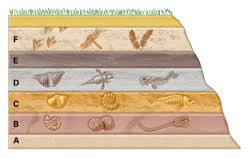
Look at the sedimentary rock layers below
How did the environment change between the C layer and the B layer?
The ocean dried up and disappeared between the C and B layers.
There is no change in the environment between C and B layers.

A dinosaur fossil is shown.
Which question can scientist most likely answer from studying the fossils of the dinosaur?
What was the pattern of the skin of the dinosaur?
What was the type of food the dinosaur ate?
How fast was the heart of the dinosaur beating?
How many eggs were in the nest of the dinosaur?
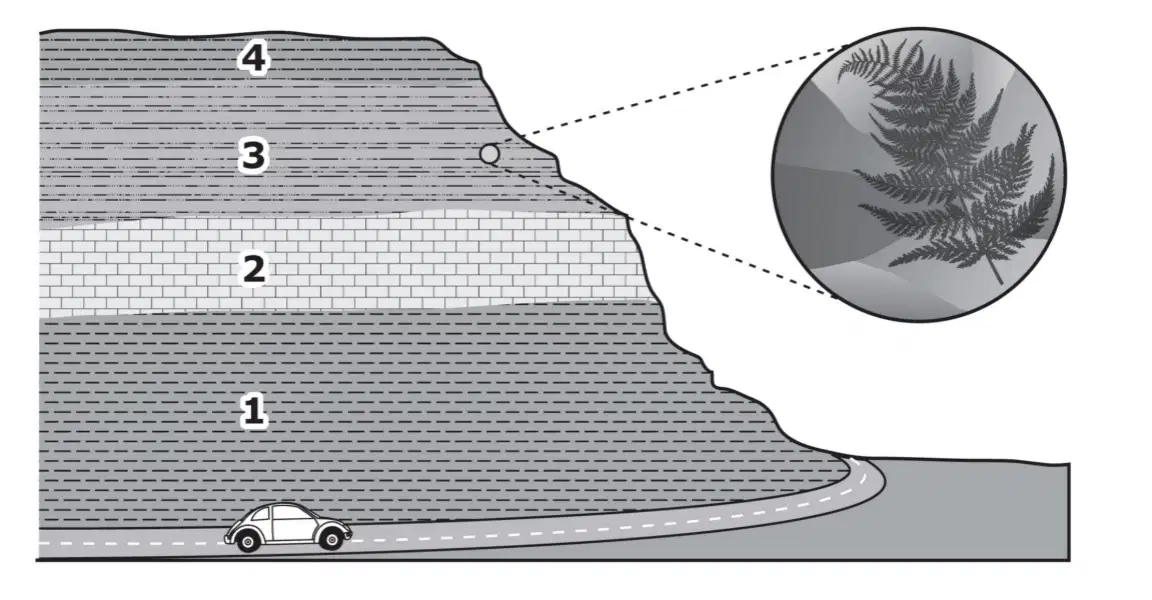
The diagram shows a rock layers next to a road. Layer 3 contains many plant fossils. Layer 3 most likely formed in which of these environment?
Desert
Forest
Ocean
Tundra

Imagine that a student found a fossil of the leaf in your backyard. Which conclusion best represents the origin of the fossil based on the evidence shown?
There were no animals in the area at the time this leaf was fossilized.
The leaf made an imprint in the sediment before it hardened to rock.
The plants at the time had bones which allowed them to be fossilized.
The leaf was in the fossilized stomach of an animal.
Fossilized plants give scientist information about the type of plants that lived long ago. What other information can fossilized plants provide?
The kind of environment that existed long ago
The kind of animals that were alive long ago
The color of plants from long ago
What dinosaurs looked like long ago

An archeologist thinks that his dig site used to be creek environment. Which fossils would help support this hypothesis?
Shark tooth
fish, plant

Observe the dinosaur fossil above. Based on the shape of their limbs, these dinosaurs most likely lived in what type of environments?
Amphicoelias lived on land and Northosaurus lived in the ocean
Nothosaurus lived on land and Amphicoelia lived in water.

Which graph supports this investigation?

A

B

C

D

How do scientists learn about dinosaurs?
by studying fossils
by reading about them
by watching movies
by looking at pictures
Which type of rock can contain fossils?
Metamorphic
Stereosonic
Sedimentary
Igneous

Which statement is true?
Layer C is the oldest
Layer B is older than Layer A
Layer B is older than Layer C
Layer A is the youngest

What type of fossil is pictured here?
Mold fossil
Trace fossil
Cast fossil
Body fossil
What happens to insects when they become trapped in amber?
they form molds
they are preserved (they stay the same)
they decay
they form casts

A Paleontologist finds a fossil of a fish on top of a mountain. She can infer that the area was once
a desert
underwater
much colder
much warmer

Long ago, small organisms became trapped in sticky tree sap that hardened. What is the hardened sap called?
amber
a cast
humus
an imprint
The hardened remains of a living thing that died long ago.
fossil
extinct
endangered
Why are there more animal fossils than plant fossils?
Animals are smaller than plants.
Plants have harder bodies than animals.
Plans have softer bodies than animals.

An animal has sharp, pointy teeth, what can we infer about this animal?
The animal lived in the water
The animal lived near the beach.
The animal ate only meat.
The animal only ate plants.
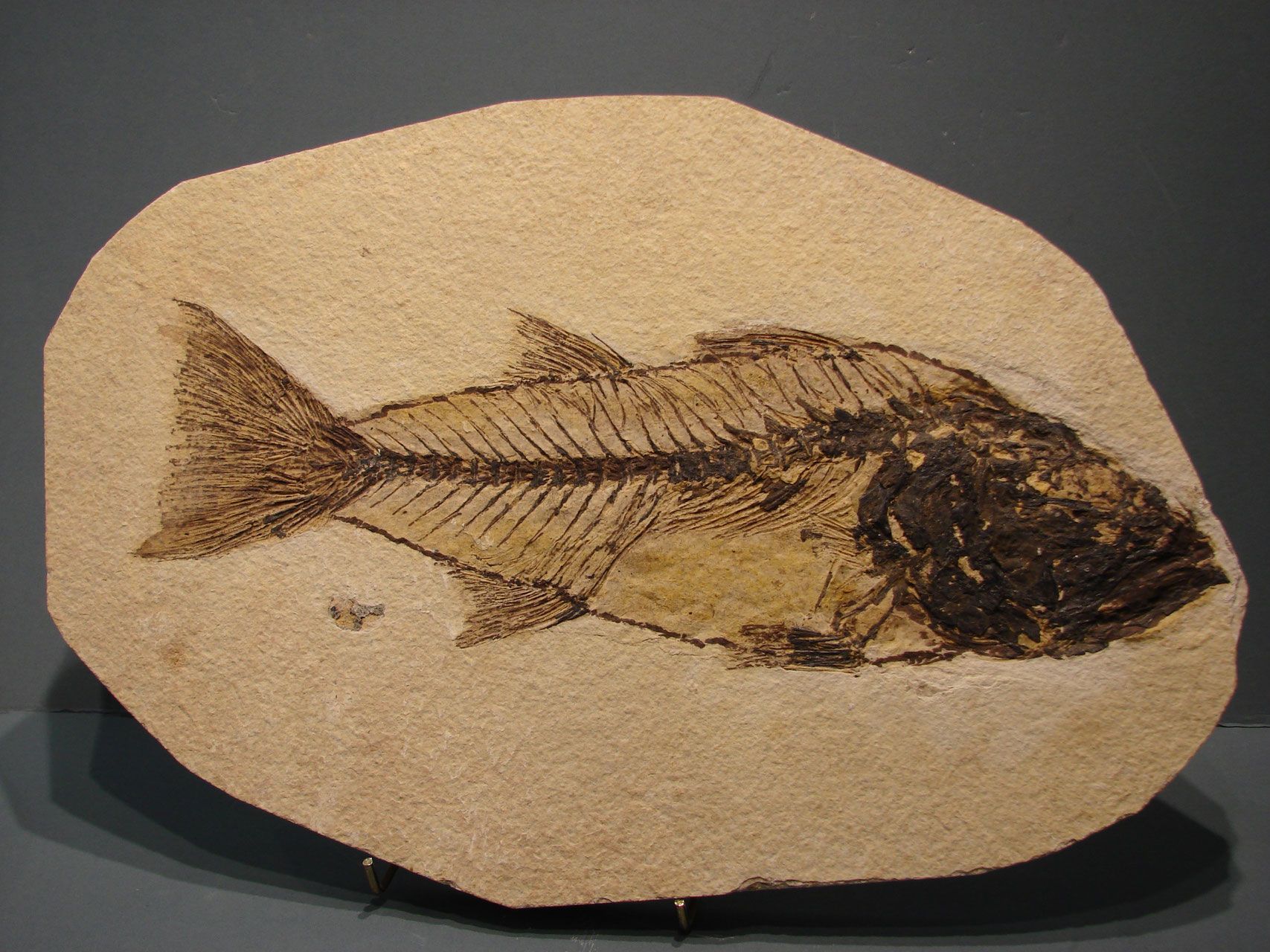
If a scientist found a fish fossil in the desert, what can they infer?
An animal ate the fish.
The water covered the area long ago.
Today's fish looks the same
The fish is extinct.
How are an elephant and a mammoth alike?
They are both endangered.
They are both extinct.
They both have tusks.
They both live in a warm climate.
What statement is true about fossils?
All living organisms leave behind fossils.
Fossils show that camels never change.
Some living things have not really changed in millions of years.
Plant fossils have never changed.
What needs to happen FIRST for a fossil to form?
A plant or animal must be covered by sand and mud.
A plant or animal must die and break down.
An earthquake shifts the land up.
Which of these animals is extinct?
Camel
Rhino
Red Panda
Saber-toothed cat

This type of fossil is tree sap hardened and replaced by minerals.
Petrified wood
Imprint
Amber
Mold
Turtles look much like they did millions of years ago. What can we infer about turtle fossils?
They did not change over time.
The turtle survived the ice age.
Turtles went extinct.
Turtles were never endangered.

What can we infer about animals with dull teeth?
They ate other animals.
They ate only plants.
They ate nothing.
They only ate fish.
_______________is a scientist who studies fossils.
geologist
fossilologist
paleontologist
extinct
When something is _____________________ it no longer
exists.
extinct
preserved
endangered
rotting
Which is NOT a reason scientists study fossils?
They tell us how long a species existed on Earth.
To learn how organisms are related to each other.
How organisms communicated with each other.
Fossils tell scientists the types of environments that organisms lived in.
Which would be an example of a fossil?
Rocks
Dinosaur Footprint
Oyster Pearl
Which is NOT a way an organism could become a fossil?
It can be frozen in ice.
It can be quickly buried in sediment after death.
It can be trapped in the sap of a tree.
It can be left out in the sun to decompose.
How do scientists learn about dinosaurs?
by studying fossils
by reading about them
by watching movies
by looking at pictures
Fossils can tell us how organisms communicated with each other.
True
False


