
 Worksheets
Unit 2 - (Chemistry) Revision
Total questions: 45
Worksheet time: 27mins

What charge do protons have?
positive
negative
neutral

What charge do electrons have?
positive
negative
neutral

Which subatomic particles are found in the nucleus?
protons
neutrons
electrons
protons and electrons
protons and neutrons

The atomic number is always the number of
protons
neutrons
electrons

What part of the atom is the arrow pointing to?
Proton
Neutron
Electron

What part of the atom is the arrow pointing to?
Proton
Neutron
Electron

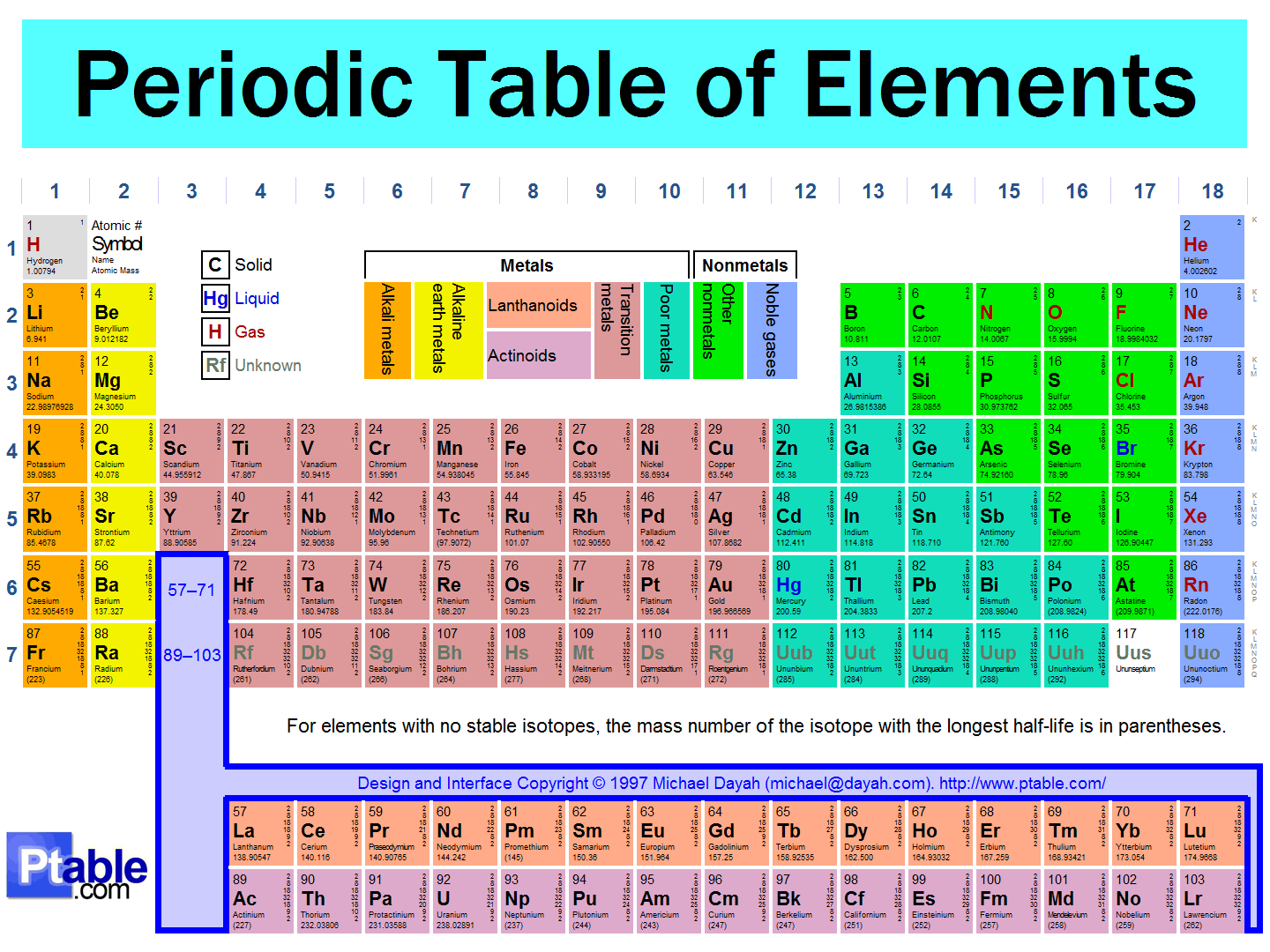
What is the atomic number of this element?
O
8
16
Where are Electrons located?
In the nucleus
In the electron cloud
Next to the protons
The periodic table is arranged in horizontal rows called:
columns
groups
periods
The periodic table is arranged in vertical columns called:
columns
groups
periods


How many protons does this element have?
40
21
20
41

Which subatomic particle has a POSITIVE charge?
electron
neutron
proton

What does the number 11 stand for in the Sodium block?
atomic number
atomic weight
Stranger Things

What does the K stand for in the Potassium block?
Atomic number
Atomic weight
Symbol for the atom


Cutting Paper
Physical Change
Chemical Change
Frying Eggs
Physical Change
Chemical Change
Toasting Bread
Physical Change
Chemical Change
Rotting Fruit (Like a brown banana)
Physical Change
Chemical Change
Which is not evidence that a chemical reaction has occured
Production of flames
Change in temperature or heat
freezing
Production of light
What is the change from solid state to liquid state called?
a. Vaporation
b.Melting
c. Evapoation
Frozen water or ice is in the solid state.
a, True
b. False
What happens to water when it evaporates?
a. It becomes a solid.
b. It is no longer matter.
c. It becomes a gas.
What is the change of matter from a gas to a liquid?
a. evaporation
b. condensation
c. freezing
When enough ______________ is added to the solid ice cubes, the melt.
a. water vapors
b. particles
c. heat energy
Heat makes the particles of frozen water move _____________ and farther apart.
a. faster
b. slower
c. the same
A _____________ is matter that spreads out in all directions.
a. solid
b. gas
c. liquid
_____________ is the change of matter from a solid to a liquid.
a. freezing
b. boiling
c. melting
When a liquid changes to a gas, it
a. evaporates
b. condenses
c. freezes
When water vapor loses heat, its particles move more ____________ and move ___________ together. The water vapor changes to liquid water.
a. faster, farther
b. slowly, closer
c. faster, closer
What is change of matter from a gas to a liquid.
a. evaporation
b. condensation
c. freezing
If it is a hot sunny day and you have a cold glass of water filled with ice cubes. You notice that drops of water form on the outside of the glass. This is called ____________.
a. evaporation
b. condensation
c. precipitation
I have listened and worked hard in science this Unit and understand it ALL.
Kind of 50 / 50
100%. YES
What is science?
I don't know.

