
 Worksheets
Test #2 Cell Specialization
Total questions: 25
Worksheet time: 27mins

What type of cells are these? They are responsible for sending messages and communication!!
neurons (nerves)
blood
bone
skin

Which organelle is the control center of the cell.?
nucleus
cell membrane
ER
ribosomes
Match the organelle with its correct function.

Stores and Protects DNA

Builds Proteins

Generates energy for the cell

Controls what enters and leaves the cell

Packages up proteins to be shipped out of the cell

Which type of cell has the most medical potential for making tissues and organs for patients who need them?
Specialized Cells
Embryonic Stem Cells
Adult Stem Cells
Induced Stem Cells
What does "Selective Permeability" mean?
It means the cell membraned select the cells they want to surround.
It means that cells only allow certain things in and certain things out.
It is an organization the selects permeable membranes.
It is an idea that is either selected or rejected.

How can you tell that this is a prokaryote or eukaryote cell?
It is a prokaryote because it doesn't have a nucleus
It is a eukaryotic cell because it has a cell wall and a nucleus
It is eukaryotic because it does not a nucleus nor a cell membrane
It is prokaryote because it has a cell wall
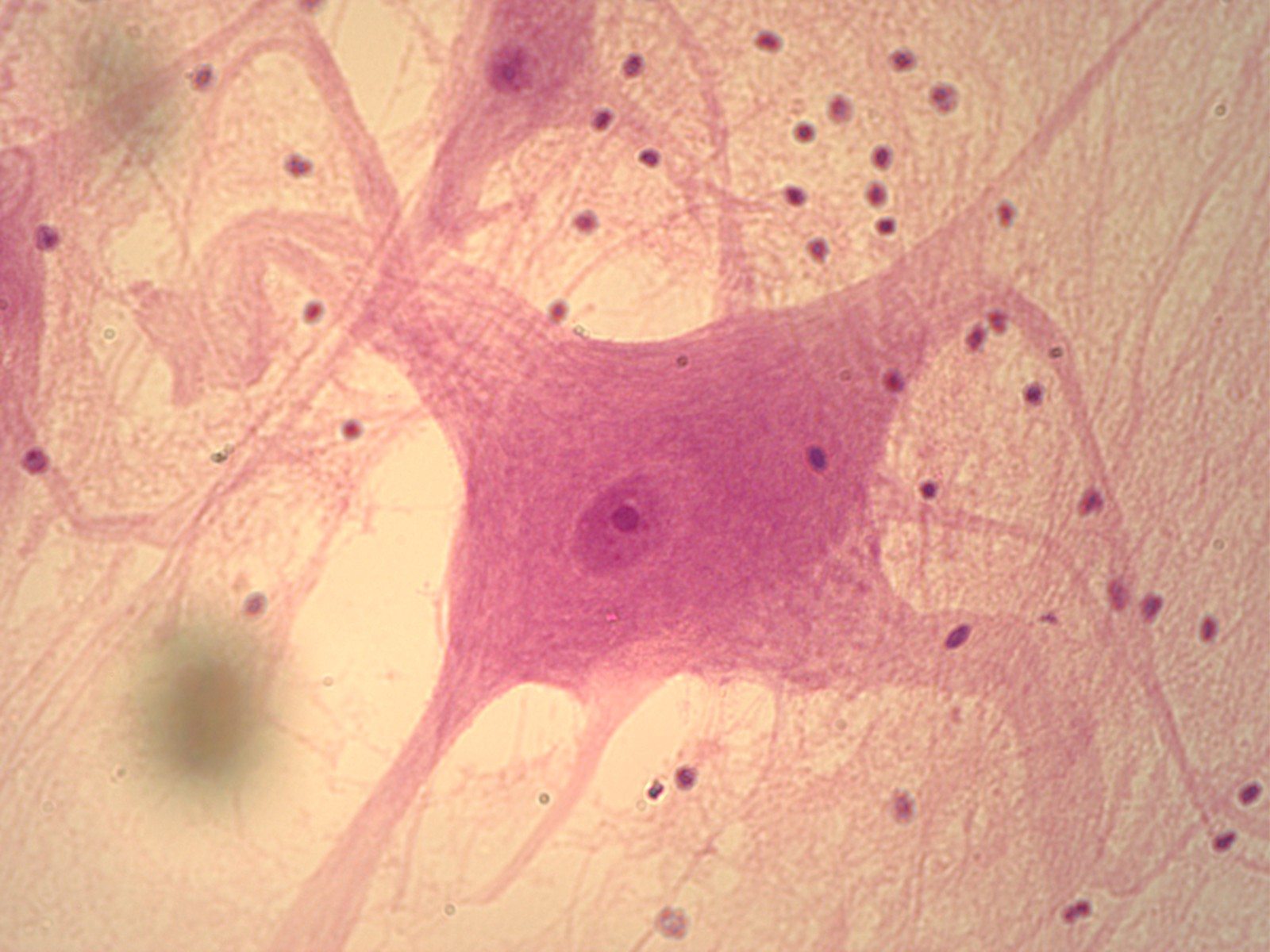


What type of cells are these? They are part of the OUTER LAYER of your body!
Lung
Skin
Stomach
Bone

What type of cells are these? They are responsible for MOVEMENT!
Liver
Blood
Muscle
Skin
Eyepiece = 10X
Objective lens = 55X


Which macromolecule is used as our main source of energy?
Lipids/Fats
Nucleic Acids
Proteins
Carbohydrates
This macromolecule breaks down into sugars such as glucose.
Lipids/Fats
Nucleic Acids
Protein
Carbohydrates

carbohydrate

lipid

protein
What is the key role (function) of carbohydrates?
energy storage
immunity, muscles, structure for tissues, cell metabolism
instant energy for cells and body functions
genetic information (heredity)
The monomer for a protein is:
amino acid
fatty acid
monosaccharide
nucleotide

