
NEW
Font size
 Worksheets
Semester Exam 1 Review
Total questions: 40
Worksheet time: 20mins
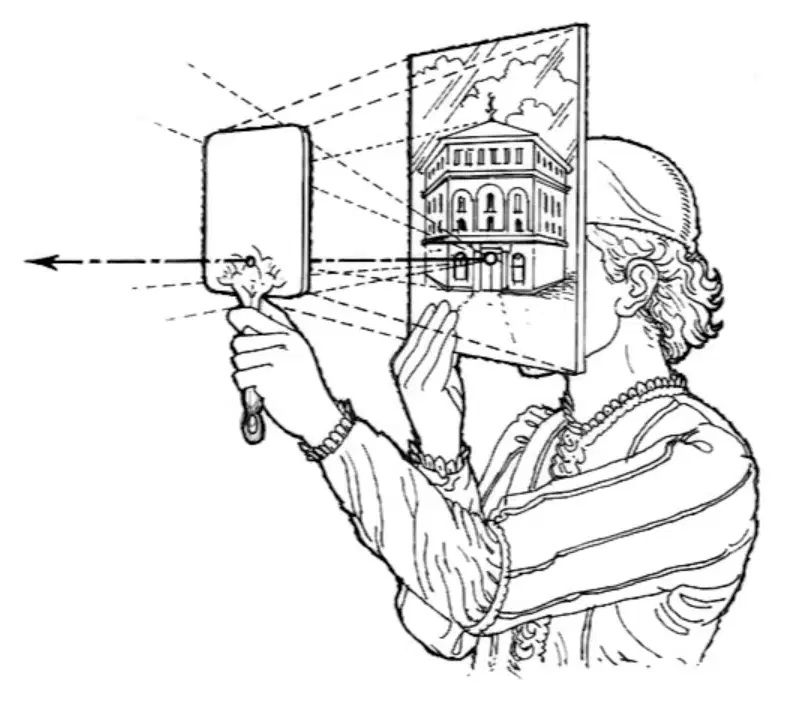
In historical research, what is Perspective referring to?
The tools and techniques used by historians to study the past.
The point of view or standpoint from which historical events are viewed and interpreted.
The chronological order of historical events.
The physical locations where historical events took place.

What does the term Examine mean in history?
To look at something closely to understand it better
To tell a story about someone's life.
To give one-sided opinions about an event.
To use violence for political goals.
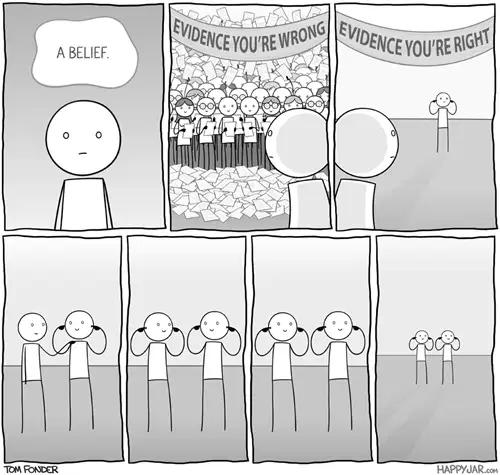
What does the word Bias mean in history?
A list of dates and events.
When someone’s feelings or opinions change how they see history.
A special tool for studying old things.
When something happened a long time ago.

An Autobiography is:
A type of historical bias.
A fictional story set in the past.
A story about an ancient civilization.
A written account of a person's own life.
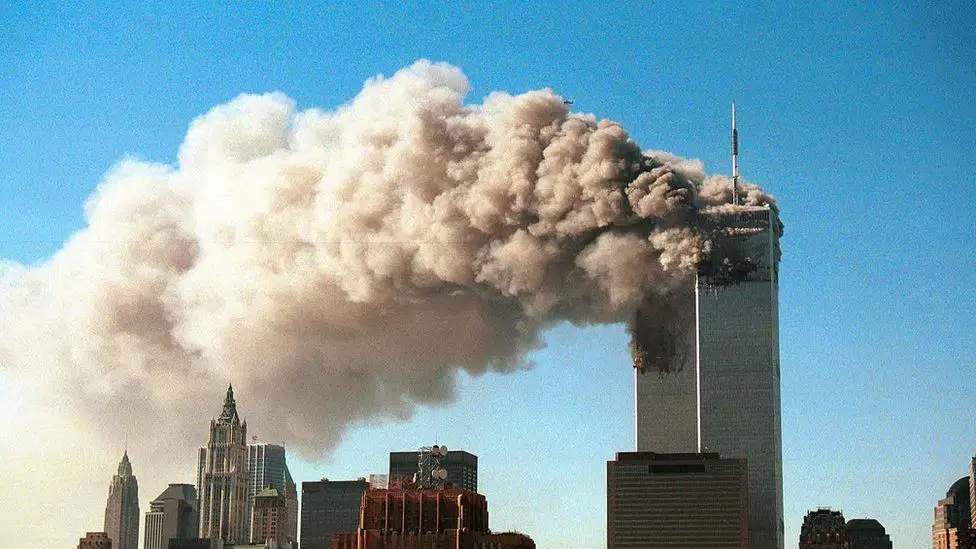
The term Terrorist refers to:
A historian who studies ancient societies.
A type of historical document.
Someone who uses violence and fear to achieve political goals.
A positive perspective on historical events.

Read this source. Decide if this is a primary or secondary source. (DOK 2)
Primary
Secondary

Read this source. Decide if this is a primary or secondary source.
Secondary
Primary
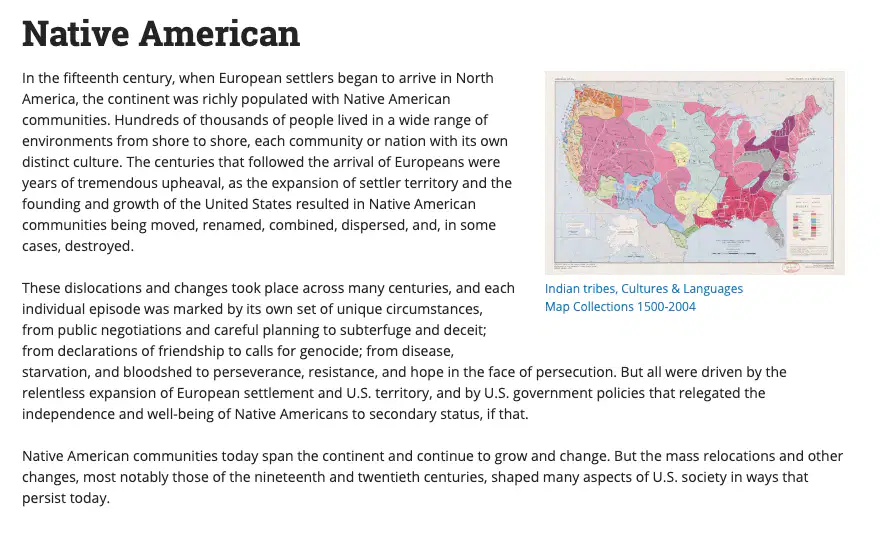
Is this Is this a primary or secondary source? (DOK 2)
Primary Source
Secondary Source

What is a secondary source?
An original document from a historical event.
Information created by people who experienced the event.
Information that analyzes and interprets primary sources.
A recorded interview with someone who witnessed a recent event.

Which of the following is a secondary source?
A diary written by a survivor of the Titanic sinking.
A video interview with a scientist discussing a recent space mission.
A collection of letters from Civil War soldiers published in a book.
An ancient scroll detailing the construction of the Great Wall of China.

Which type of source would be best for learning about the personal experiences of 9/11 survivors?
A newspaper article published on September 12, 2001.
A documentary produced in 2020 discussing the causes of 9/11.
An interview with a firefighter who responded to the attacks.
A fictional book set during the events of 9/11.
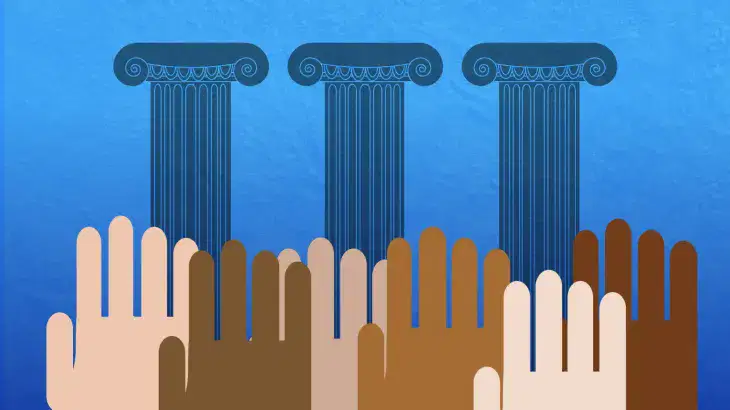
In a direct democracy, who makes important decisions?
A single ruler or monarch
A group of wealthy individuals
All eligible citizens through voting
An elected president
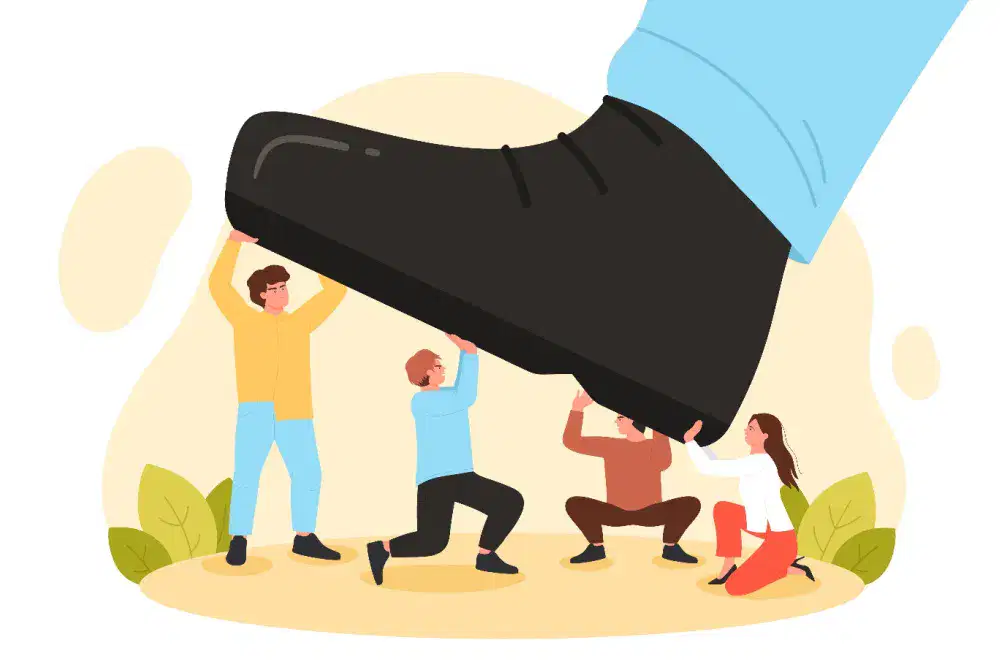
What type of government is ruled by a single person with absolute power, where citizens have limited or no say in government decisions?
Oligarchy
Democracy
Autocracy
Theocracy
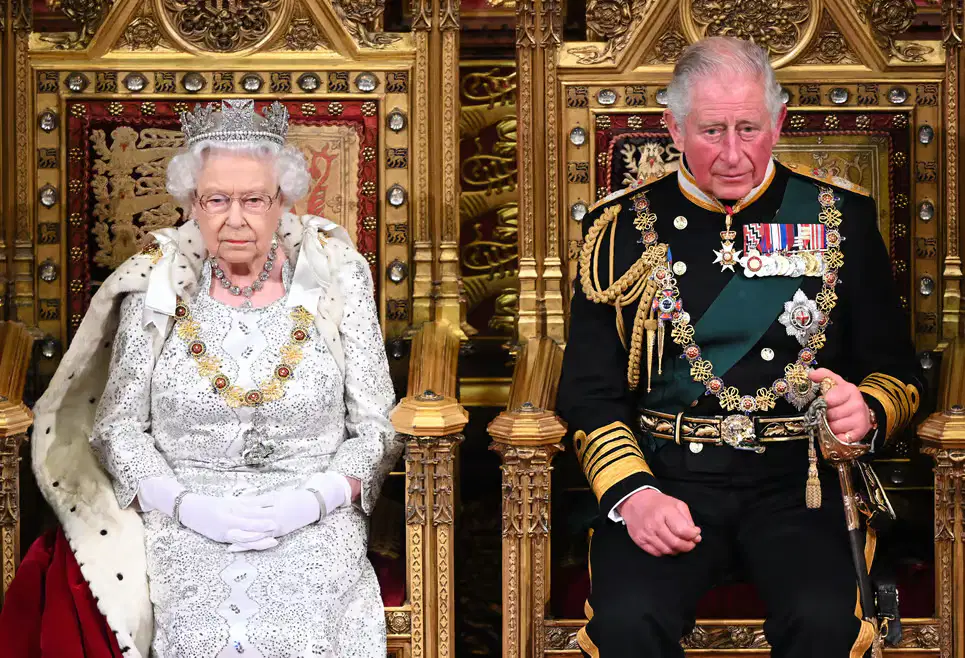
In a monarchy, who typically holds the highest authority often by birth?
A president elected by people.
A king or queen.
The richest person in the country.
A group of wise elders.

Self-appointed single person/group rules controlling all aspects of life (example: speech uses military force, and intimidation
Dictatorship
Democracy
Socialism
Oligarchy

Who did the Colonies Declare Independence from?
The North
The South
England
France
Spain
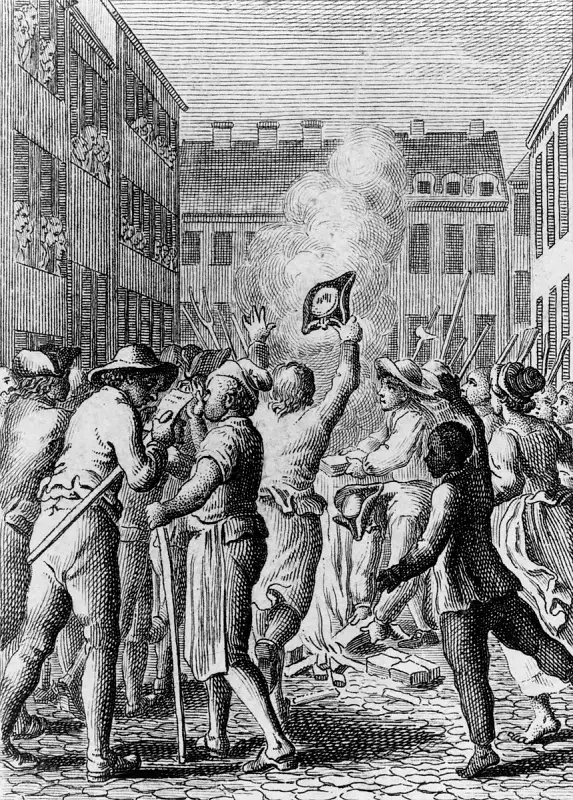
The following are examples of what: - He has kept among us, in times of peace, Standing Armies without the Consent of our legislatures. - He has affected to render the Military independent of and superior to the Civil power. - For Quartering large bodies of armed troops among us
Grievances
Agreements
Laws
Expectations
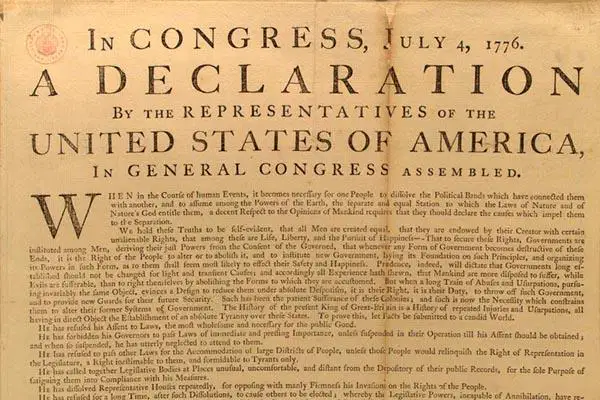
What year was the Declaration of Independence signed?
1976
1865
1776
1792
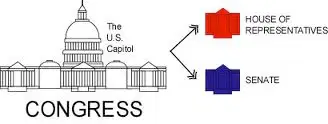
What are the two houses of the U.S. Congress?
Senate and Judiciary
House of Representatives and Senate
Parliament and Senate
House of Commons and House of Representatives
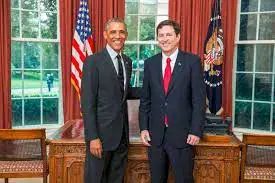
What is one of the President’s job duties?
Appoints ambassadors
Approves budgets
Creates laws
Interprets laws

Supreme Court Justices serve for:
10 years
A life term
4 years
15 years

What is the primary purpose of Checks and Balances in the U.S. government?
To balance the federal budget
To prevent any one branch from becoming too powerful
To ensure equal representation in the Senate
To check the public opinion
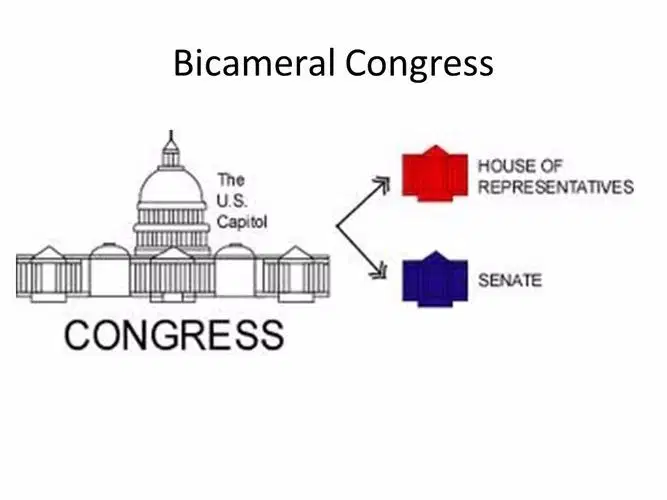
What does bicameral mean?
One house
Two houses
Three houses
No house
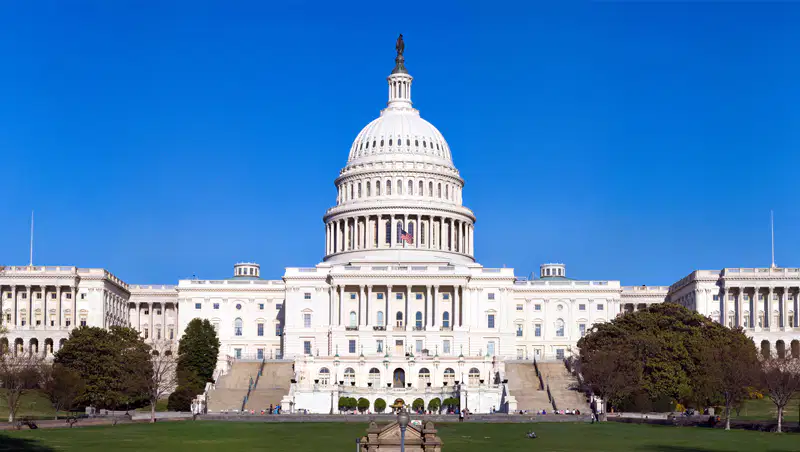
Which branch is responsible for making laws?
Executive Branch
Legislative Branch
Judicial Branch
Administrative Branch

Who has the power to veto bills?
The Supreme Court
The President
The Speaker of the House
Senators
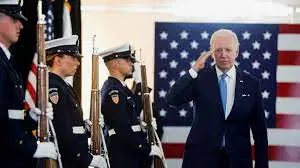
Who is the Commander-in-Chief of the armed forces?
The Secretary of Defense
The President
The Chief Justice of the Supreme Court
The Vice President
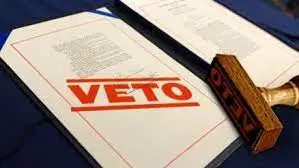
What happens if the President vetoes a bill?
It immediately becomes a law
It goes back to Congress, where it can still become a law with a two-thirds majority vote in both houses
It is permanently discarded
It gets automatically approved after 30 days

What was the primary purpose of American Indian boarding schools in the United States?
To encourage the practice of American Indian languages and cultures
To provide advanced scientific education to American Indian students
To force American Indian children into white culture and ways of life
To train American Indian children in agricultural techniques

Based on your knowledge of Native American regions, which region is shown in this image.
Great Plains
Southwest
Eastern Woodlands
Las Vegas

Based on your knowledge of Native American regions, which region is shown in this image?
Eastern Woodlands
Pacific Northwest
Great Plains
Platea

Based on your knowledge of Native American regions, which region is shown in this image?
Great Plains
Las Vegas
Eastern Woodllands
Southwest
What does the word "loathed" mean in a historical context?
To be disliked intensely, because of race or political reasons
To enjoy something immensely.
To work together with others for a common goal.
To travel great distances for trade.
In a historical context, what does "assimilation" refer to?
The process of blending into a new culture or society.
A type of military strategy used in ancient warfare.
A form of government ruled by a single leader.
A religious celebration in ancient times.
When discussing history, what is the meaning of "tradition"
An event that takes place only once in a lifetime.
An idea or practice passed down through generations.
A type of ancient currency.
A tool used by early explorers.
In historical discussions, what does it mean to "contradict" something?
To express agreement with someone's point of view.
To support a historical argument with evidence.
To deny or disagree with something previously stated
To engage in a peaceful discussion.
In a historical context, what does "inferior" mean?
A powerful military leader in ancient times.
A person of high social status.
Of lower quality or importance compared to something else.
A type of ancient writing system.
Who often managed Indian boarding schools?
Tribal leaders
The Federal Government
Wealthy philanthropists
State Public School Systems
What was a common punishment for students at Indian boarding schools?
Loss of privileges to attend tribal ceremonies
Physical punishment for speaking their native language
Expulsion back to their tribes
Public humiliation in their communities
The phrase “Kill the Indian, save the man” is associated with:
The goals of assimilation policies in Indian boarding schools
A Native American-led rebellion
The promotion of Native cultural preservation
A federal act to provide resources for tribal schools
Which of the following was a common rule in Indian boarding schools?
Speaking only in their native language
Attending traditional tribal ceremonies
Adopting Western-style clothing and behavior
Living with their families while attending school

