
 Worksheets
Art I Final Exam 2024
Total questions: 46
Worksheet time: 56mins
A way of combining elements to add a feeling of equilibrium or stability to a work of art. Major types are symmetrical and asymmetrical.
Emphasis
Balance
Texture
Contrast
How many elements of art are there?
5
7
3
An artist must use every element of art to create a work of art.
True
False
What is a Line?
The shape of a thing or person
A mark or stroke that is longer than it is wide.
A degree of lightness or darkness of a color
The quality of an object or substance with respect to light reflected by the object, usually determined visually by measurement of hue, saturation, and brightness
What is Texture?
The distance or area around, between, and within the components of a piece
A mark or stroke in proportion to its width
The visual and especially tactile quality of a surface
The quality of a distinct object or person in having an external surface or outline
What is Space?
The distance or areas around, between and within the components of a piece
A mark or stroke in proportion to its width
The visual and especially tactile quality of a surface
The quality of a distinct object or person in having an external surface or outline
Form is:
2-Dimensional
3-Dimensional
Non-existent

What is this technique called?
Stippling/
Pointillism
Scribbling
Scumbling
Shading

What is this technique called?
Stippling/
Pointillism
Scrabbling
Scumbling
Shading

What is this technique called?
Hatching
Lines
Hash Marks
Cross-Hatching
How do you make a lighter value with cross-hatching?
Apply more pressure.
Use the lines.
Draw the lines farther apart.
Apply less pressure.
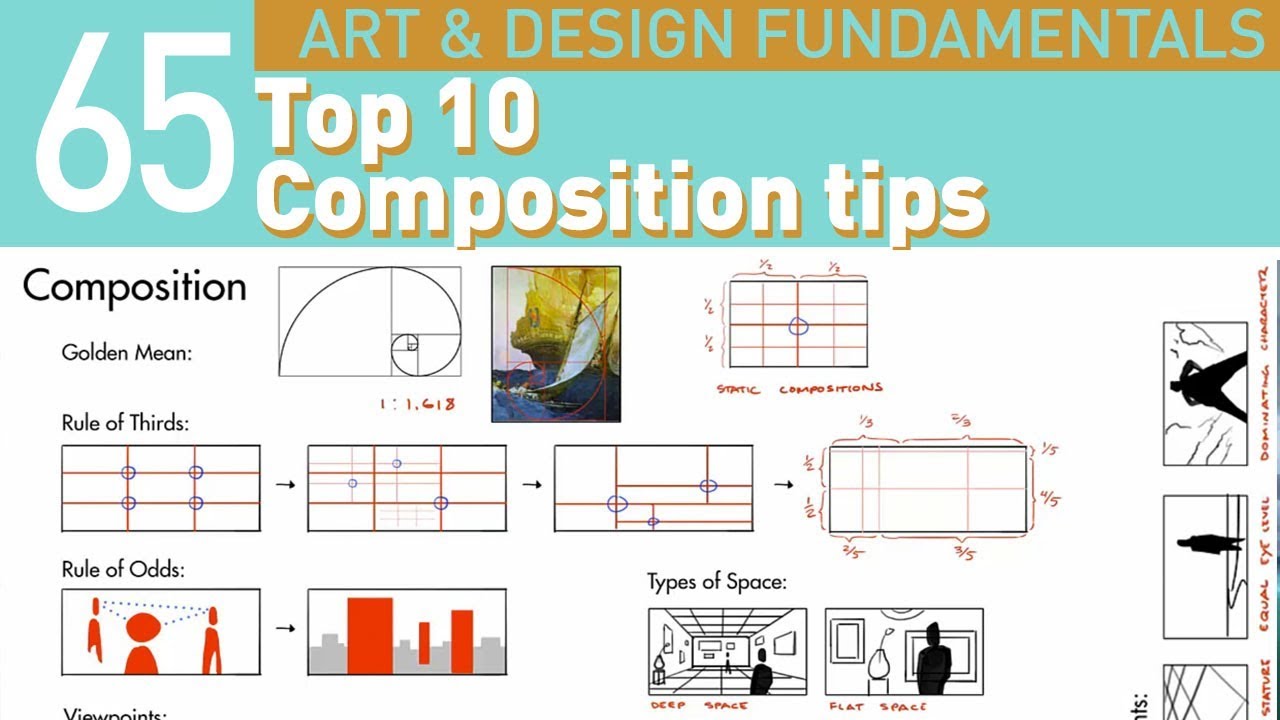
What is a composition?
The colors and shapes of a photograph
The placement of objects in a work of art.
The subject matter of an image
The caption of a photograph
A strong composition should always use an even number of items.
True
False
Where should the focal point of an image be?
Left
Right
Center
Rule of thirds
On the rule of thirds, where the lines intersect, what is that called?
(a)
A strong composition should have items that are ________.
all the same size
all small in size
all large in size
varying sizes

Does this image follow the rule of thirds?
Yes
No
What is the art element that describes the darkness or lightness of an object?
Line
Value
Form
Shape
______ is the light reflected off of objects. It has three main characteristics: hue, value, and intensity.
texture
proportion
color
line
Informal/assymetrical balance looks the same on both sides of the image.
True
False
Surrealism explores...
the unknown
the abstract
the unconscious mind
the rights and wrongs we do
The lightness and darkness of an object.
Color
Value
Balance
Line

A series of spaces filled with the tints and shades of one color, starting with white or the lightest tint on one end, and gradually changing into the darkest shade or black on the other.
Major scale
Fish scale
Pentatonic scale
Value scale
Any device/sun serving as a source of illumination.
Sun
Light source
Lamp
Cast shadow
A technique of shading so that there is a gentle and gradual transition from one to another.
Value
Blending
Stippling
Hatching
Artists use (a) to show value, form, and depth of an object.
It is using the value scale on a form or object.

The shading technique that gradually adds values by applying pressure to the side of the pencil. The more pressure added, the darker the values appear. It is generally an artist's preferred choice of shading.
Blending
Hatching
Cross-Hatching
Stippling
Scribbling/Scumbling
To achieve the darkest value which pencil should you use?
6B
B
H
4H
Artist's use (a) to change shapes into forms.
To achieve the lightest value which pencil should you use?
6B
B
H
2H

Name the area labeled 3.
(a)

Name the area labeled 4.
(a)

Name the area labeled 5.
(a)
Which pencil would you use to achieve a medium value?
6B
B
H
2H
HB
What is the importance of using different values in a drawing?
To create a flat appearance
To create depth and dimension
To create a single color
To create a single texture
How can artists create the illusion of depth in a two-dimensional artwork? (select 2 correct answers)
By using only bright colors
By including a foreground, middle ground and background
By using only dark colors
By including a vanishing point
Which of the following is an example of a composition technique in art?
Using only primary colors
Using the rule of thirds
Using only straight lines
Using only one type of texture

Which function or functions does this artworks use?
Physical Function
Educational Function
Spiritual Function
Educational Function

Which function or functions does this artworks use?
Physical Function
Spiritual Function
Educational Function
Social Function

Which function or functions of art apply to this artwork?
Educational Function
Spiritual Function
Personal Function
Educational Function

Which function or functions of art apply to this artwork?
Educational Function
Social Function
Physical Function
Personal Function
What do you call the key components that make up an artwork?
the ingredients of art
the mediums of art
the elements of art
the principles of art
Choose the definition that matches the term "Foreground".
Surface quality in a work of art (ex. Tree bark)
Still objects that are observed and drawn
Objects in the front of the artwork
Using lines, shapes, etc to lead the viewer through the artwork
Objects in the back of the artwork
What does it mean to critique a piece of art?
To only point out what you dislike about the artwork.
To give your opinion without any explanation.
To analyze and evaluate the artwork in a detailed and structured way.
To praise the artwork regardless of its quality.
When critiquing art, why is it important to know about the artist's background?
It is not important at all.
It can influence the artwork's value.
Understanding the artist's background can provide deeper insight into the artwork's themes and intentions.
It only matters if the artist is famous.
What does the term "medium" refer to in art?
The size of the artwork.
The materials used to create the artwork.
The average quality of the artwork.
The time period in which the artwork was created.

