wayground logo

Free Printable Worksheets

Font size

S
M
L
XL
Worksheets

Grade 8 Practice Semester 1

Total questions: 217

Worksheet time: 3hrs 17mins

Name
Class
Date
1.

The positively charged particle in an

atom’s nucleus is the

a)

electron

b)

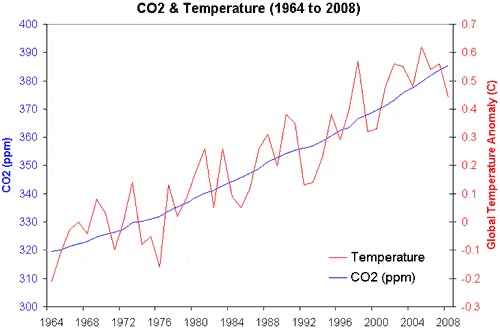
neutron

c)

proton

d)

isotope

2.

An element’s identity can be

determined from its

a)

atomic number

b)

number of neutrons

c)

number of isotopes

d)

energy levels

3.

The smallest particle an element can

be divided into is the

a)

electron

b)

neutron

c)

isotope

d)

atom

4.

An element’s ______________________ tells the number of protons in its nucleus.

a)

atomic mass

b)

symbol

c)

name

d)

model

5.

What three particles are found in an atom? select all that apply

a)

electron

b)

proton

c)

neutron

d)

dust

6.

Which two particles are found in an atom’s nucleus?

a)

proton and electron

b)

proton and neutron

c)

electron and neutron

d)

mitochondria and cytoplasm

7.

What two particles account for almost all of the mass of an atom?

a)

neutron and proton

b)

neutron and electron

c)

electron and proton

d)

iron and protein

8.

A particle with no charge is a(n) .

a)

electron

b)

proton

c)

neutron

d)

nucleus

9.

The is the very small, dense center of an atom.

a)

neutron

b)

proton

c)

electron

d)

nucleus

10.
Mass number is
a)
protons + electrons.
b)
protons + neutrons.
c)
electrons + neutrons.
11.

What is the atomic mass of Arsenic?

a)

33

b)

107

c)

75

12.

An atom has 11 protons, 10 electrons, and 12 neutrons. What element is this?

a)

Magnesium (Mg)

b)

Sodium (Na)

c)

Scandium (Sc)

d)

Vanadium (V)

13.

If the atomic number of Te is 52, and the mass of an atom of Te is 128, how many protons does this atom have?

a)

52

b)

76

c)

180

d)

128

14.

What measure does the Atomic Number show?

(a)  
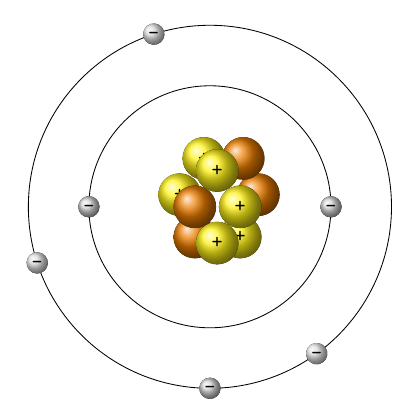
15.
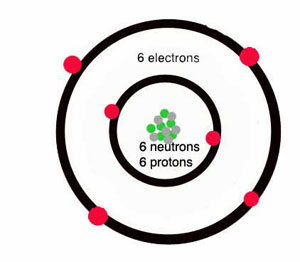
How many protons does this atom have?
a)
3
b)
6
c)
4
d)
2
16.

The greenhouse effect is about

a)

warming the atmosphere because of increased CO2 levels

b)

warming the atmosphere because of decreased CO2 levels

c)

cooing the atmosphere because of increased CO2 levels

d)

cooling the atmosphere because of decreased CO2 levels

17.

The greenhouse effect is about

a)

warming the atmosphere because of increased CO2 levels

b)

warming the atmosphere because of decreased CO2 levels

c)

cooing the atmosphere because of increased CO2 levels

d)

cooling the atmosphere because of decreased CO2 levels

18.

The greenhouse effect is a natural process

a)

true

b)

false

19.

The greenhouse effect is caused by

a)

more heat arriving at the Earth from the sun

b)

the Earth releasing more heat at night

c)

gases in the air trapping heat released by the Earth

20.

The graph shows us that

a)

the earth temperature is always increasing

b)

the earth's temperature has steadily increased since 1900

c)

the earth's temperature has steadily rising since the 1960s

d)

the earth's temperature decreased during the 19th and 20th centuries

21.

The greenhouse effect comes from

a)

all heat being released by the earth going back into space

b)

some of the heat heat being released by the earth going back into space

c)

some of heat being released by the earth being trapped in the air

d)

all of heat being released by the earth being trapped in the air

22.

Which of the gases is NOT a greenhouse gas?

a)

water vapour

b)

carbon monoxide

c)

carbon dioxide

d)

methane

23.

The area of human activity responsible for the highest greenhouse gas emissions is

a)

energy supply

b)

transport

c)

agriculture

d)

industrial

24.

The area of human activity responsible for the second highest greenhouse gas emissions is

a)

residential activity

b)

transport

c)

agriculture

d)

industrial

25.

From the information in the graph we can say that:

a)

power stations produce about 1.5 times the emission of residential activities

b)

residential activities produces about the same amount of emissions as waste disposal

c)

fossil fuel retrieval produces more emission than transportation of fuels

d)

industrial process produce about 5 times the emissions of waste disposal & treatment

26.

The highest gaseous pollutant is

a)

methane

b)

nitrous oxide

c)

carbon dioxide

d)

fluorinated gases

27.

What is Global Warming?

a)

Increasing temperature in Earth's atmosphere

b)

Decreasing temperature in a city

c)

Increasing rain rates in Earth

d)

Decreasing temperature rates

28.
Without the Greenhouse Effect the Earth would be too
a)
warm 
b)
cold
c)
dead
d)
funny
29.
Which of the following is NOT an effect of Global Warming?
a)
Polar ice caps will melt.
b)
Coastal regions will be covered with rising sea levels.
c)
Some areas will experience serious droughts
d)
The Earth's rotation will slow down and eventually stop
30.
The main human activity that releases greenhouse gases is
a)
using bottled water
b)
burning fossil fuels
c)
texting on cellphones
d)
eating meat
31.

Which 2 greenhouse gases contribute the MOST to global warming of Earth?

a)

N2O and H2O

b)

O3 and H2O

c)

CO2 and CH4

32.
How can global warming cause sea levels to rise? Choose the best answer.
a)
by causing it to rain more often
b)
by melting glaciers and ice caps
c)
by increasing the number of undersea volcanic eruptions
d)
by creating bigger and more powerful hurricanes
33.
Why does cutting down trees increase global warming?
a)
trees soak up carbon dioxide
b)
trees provide shade which counteracts global warming
c)
trees absorbs the sun's energy without radiating back into the atmosphere
d)
trees drain greenhouse gases like methane from soil
34.
Things you can do to help decrease global warming include:
a)
Eat more ice cream.
b)
Keep your freezer door open.
c)
Keep your air conditioner on high.
d)
Turn off your lights when you’re not using them.
35.

The graph below shows CO2 emissions and temperatures from 1909 to 1949. What conclusion is best supported by the graph?

a)

There is no relationship between carbon dioxide concentrations and temperatures

b)

As carbon dioxide concentrations increase, temperatures increase

c)

As carbon dioxide concentrations increase, temperatures decrease

d)

As carbon dioxide concentrations decrease, temperatures increase

36.

How is the greenhouse effect produced?

a)

When solar energy trespasses the atmosphere.

b)

When some energy is reflected back to earth.

c)

When the green house is burned.

d)

When the sun doesn't emit radiation.

37.

What is the greenhouse effect?

a)

A natural process where gases trap heat in the atmosphere.

b)

A man-made process where gases trap heat in the atmosphere.

c)

A natural process where the ocean traps heat in the atmosphere.

d)

A man-made process where the ocean traps heat in the atmosphere.

38.

Which of these is NOT a greenhouse gas?

a)

Carbon Dioxide

b)

Nitrous Oxide

c)

Oxygen Gas

d)

Methane

39.

This is a simple diagram of the greenhouse effect. According to this diagram, the energy first comes from...

a)

The Sun

b)

The Earth

c)

The Atmosphere

40.

Which one is not a cause of Climate Change

a)

Fossil Fuel

b)

Deforestation

c)

Intensive Farming / Livestock Gas

d)

South Pole Ice melting

41.

Waste disposal also producing greenhouse gases, which one is not belong to waste disposal example?

a)

Detergent / Washing liquid

b)

Perfume spray

c)

dirt / feces

d)

mud

42.

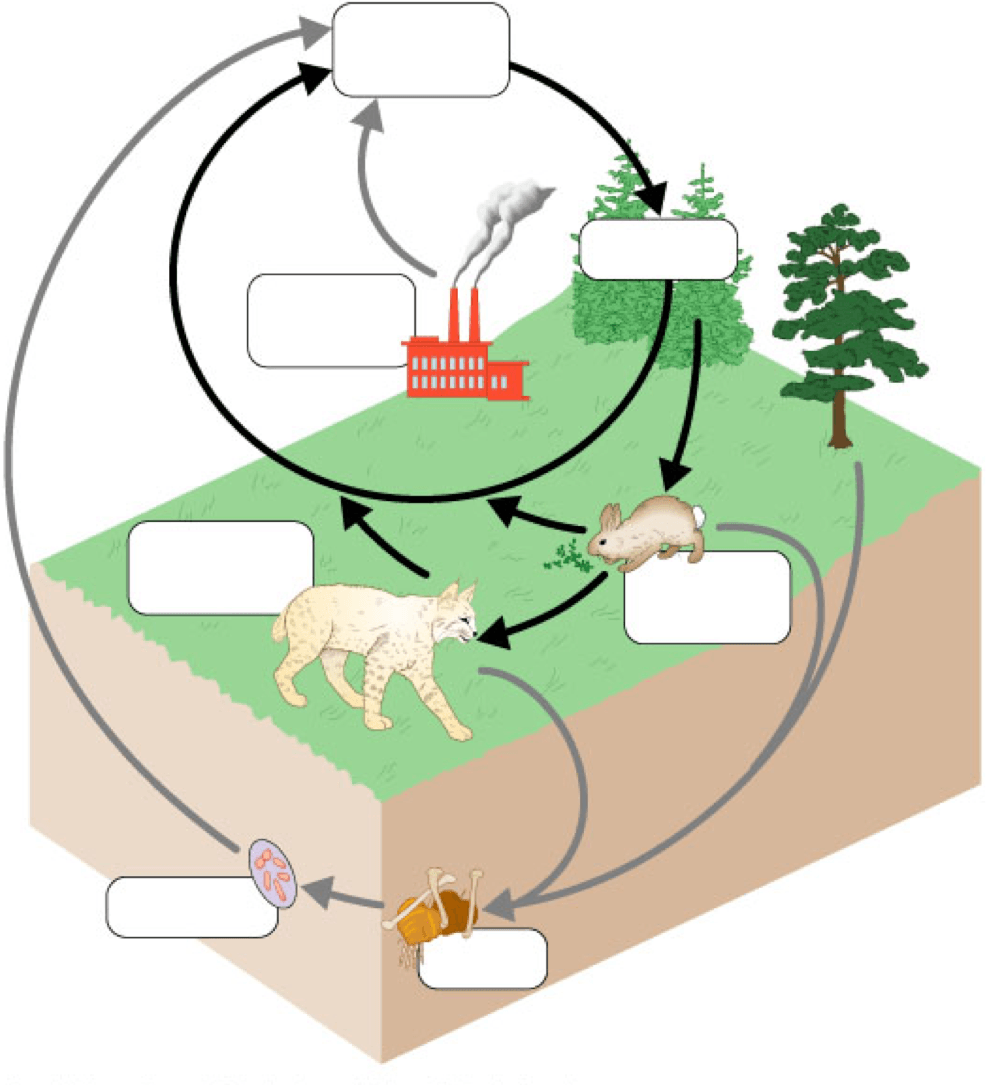
The circulation of the element Carbon among Earth's atmosphere, land, oceans, and organisms is called _____________.

a)

the Carbon Cycle

b)

the Oxygen Cycle

c)

the Carbon dioxide Cycle

d)

the Water Cycle

43.

_____________ is an essential element of all living creatures.

a)

Gold

b)

Carbon

c)

Carbon dioxide

d)

Silver

44.

The total amount of the carbon on Earth is constant.

a)

True

b)

False

45.

Carbon is used in the process called __________ by plants and algae to make food and the building blocks for growth.

a)

carbon cycle

b)

life

c)

photosynthesis

d)

decomposition

46.

Bacterias that decompose dead plants release _____________ back into the atmosphere.

a)

water

b)

nitrogen

c)

oxygen

d)

carbon

47.

In the oceans; algae, plants, and other organisms use carbon from the atmosphere for ________________.

a)

respiration

b)

decomposition

c)

transpiration

d)

photosynthesis

48.

Organisms that die in the ocean may __________ to the bottom and form limestone rock of a period of time.

a)

sink

b)

float

c)

rise

d)

increase

49.

Ocean coral and oysters use carbon to create _________.

a)

oxygen

b)

shells

c)

leaves

d)

food

50.

Limestone is a type of rock created from the ______________ of dead sea organisms.

a)

waste

b)

slime

c)

shells

d)

unknown

51.

Over ________________ of years, once-living matter that remains in the ground can transform into fossil fuels.

a)

millions

b)

hundreds

c)

thousands

d)

a few handful

52.

Since the mid- 1800's, _____________ activity has significantly altered the carbon cycle.

a)

animal

b)

plant

c)

unknown

d)

human

53.

Burning fossil fuels has raised the concentration of ___________ in the atmosphere.

a)

oxygen

b)

rain

c)

carbon

d)

nitrogen

54.
When humans burn fossil fuels, most of the carbon quickly enters the                       as carbon dioxide.
a)
Water
b)
Atmosphere
c)
Sun
d)
Air
55.
Which one of these does not add CO2 to the atmosphere?
a)
cooking with gas
b)
planting trees
c)
burning wood
d)
riding in a bus
56.
Combustion is another word for _______________.
a)
a train
b)
a bus
c)
a dog
d)
burning
57.
How do living organisms return carbon to the atmosphere in the carbon cycle?
a)
respiration and photosynthesis
b)
 decomposition and respiration
58.
In the carbon cycle, producers take in the gas __
a)
carbon dioxide
b)
oxygen
c)
nitrogen
d)
carbon monoxide
59.
In what process is Carbon transformed into chemical energy?
a)
Photosynthesis
b)
Respiration
c)
Primary Production
d)
Secondary Production
60.
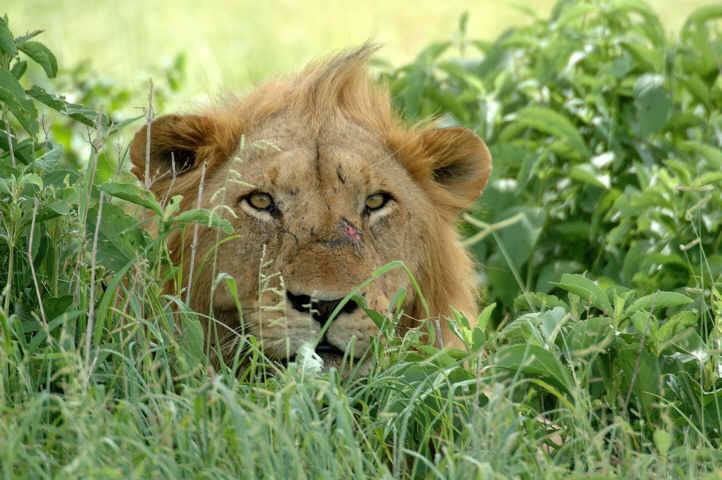
How does the carbon in grass become part of a lion?
a)
The lion eats the grass
b)
Carbon from grass doesn't end up in a lion. 
c)
The carbon ends up in the lion's food chain. 
d)
The lion breathes in carbon given out by the plant
61.

How can fossil fuels enter the atmosphere?

a)

photosynthesis

b)

respiration

c)

combustion

d)

all of the above

62.

How do plants and animals contribute to the carbon cycle? 

a)

photosynthesis

b)

respiration

c)

consumption

d)

combustion

63.

What processes do plants and animals go through that add or subtract carbon from the atmosphere?

a)

respiration

b)

photosynthesis

c)

consumption

d)

decomposition

64.

Which is NOT part of the GEOLOGICAL Carbon Cycle?

a)

Weathering and dissolution

b)

Precipitation of minerals

c)

Volcanic eruptions

d)

Photosynthesis

65.

Which of the following is part of the BIOLOGICAL Carbon Cycle?

a)

Respiration

b)

Volcanic eruptions

c)

Decomposition

d)

Combustion

66.

The process that take in carbon dioxide and water and yields glucose and oxygen is called______________________

a)

Respiration.

b)

Food.

c)

Photosynthesis.

67.

What is respiration?

a)

process that takes in carbon dioxide and water and yields glucose and water

b)

process that takes in glucose and water and yields carbon dioxide and water

68.

What is the biological carbon cycle?

a)

A carbon cycle that involves living things

b)

A carbon cycle that interacts with the rock cycle

69.

What is the geological carbon cycle?

a)

The carbon cycle that involes living organisms

b)

The carbon cycle that interacts with the rock cycle

70.

What is limestone?

a)

part of the hydrosphere

b)

part of the biosphere

c)

part of the geosphere

d)

part of the atmosphere

71.

What is phytoplankton?

a)

part of the hydrosphere

b)

part of the biosphere

c)

part of the geosphere

d)

part of the atmosphere

72.

What is combustion?

a)

Dissolved minerals are carried to surface water

b)

seafloor spreading pushes the seafloor under continental margins

c)

the rapid chemical combination of a substance iwth oxygen, involving the production of heat, light, and the release of carbon dioxide

d)

Carbon enters soil as dead plant matter

73.

What drives the carbon cycle? 

a)

ocean currents

b)
  1. Earth’s rotation

c)

the Sun and heat from Earth’s interior

d)

the movement of the Moon around Earth

74.

What is produced through respiration?

a)

oxygen

b)

carbon dioxide

c)

glucose

d)

none of the above

75.

What is produced through photosynthesis?

a)

carbon dioxide

b)

oxygen

c)

glucose

d)

water

76.

In which processes does carbon become a gas?

a)

diffusion

b)

respiration

c)

combustion

d)

decomposition

77.
A material that absorbs or reflects the light that strikes it is ____________.
a)
transparent
b)
translucent
c)
opaque
78.
Light bending when goes through different mediums is called ________.
a)
reflection
b)
absorbtion
c)
refraction
d)
mirage
79.
What is being blocked when a shadow is formed?
a)
Light Source
b)
Light Path
c)
Object
d)
Eye
80.
How does light travel
a)
It curves around corners
b)
Really slow
c)
In a straight line
d)
In circles
81.
Which of the following is the best reflector of light?
a)
Lens
b)
Microscope
c)
Mirror
d)
Prism
82.
Which of the following would not reflect light?
a)
Mirror
b)
Water
c)
Glasses
d)
Brick Wall
83.
A girl in her bedroom saw her sister break her mother's lamp in the living room.  Explain how this could be possible.
a)
The girl can see through the wall.
b)
The girl can see her sister, because light can bend.
c)
The girl can see her sister because of a reflective surface in the kitchen.
d)
Since there is light in the living room and bedroom, she is able to see.
84.
When light hits something like a raindrop or a prism, it will...
a)
Be absorbed
b)
Refract, or bend
c)
Neither 
85.

What makes something transparent?

a)

Light passes through

b)

Nothing passes through

c)

Only a small amount of light passes through

86.
What happens when an object is opaque?
a)
all light is able to pass through
b)
no light is able to pass through
c)
some light is able to pass through
d)
it is black
87.
When light passes from one transparent medium to another, it changes speed. When light changes speed, it changes direction. This change of direction, or bending, is called refraction.
 True or false
a)
True
b)
False
88.

This diagram best represents

a)

reflection

b)

refraction

c)

absorption

d)

dispersion

89.
What happens when light hits an object you can see?
a)
The light turns corners.
b)
The light curves around the object.
c)
The object reflects the light.
d)
The light and the object do not form a shadow.
90.

Which object is transparent?

a)

a wooden fence

b)

clean water

c)

aluminum foil

d)

a purple balloon

91.
The moon is a source of light.
a)
True
b)
False
92.
What happens when light hits a mirror?
a)
it makes a color
b)
it reflects
c)
it makes a rainbow
d)
it passes through
93.

Which object is translucent?

a)

tissue paper

b)

air

c)

wood

d)

clear plastic

94.
All of the following are sources of light except ______________
a)
the sun
b)
a light bulb
c)
fire
d)
the moon
95.

Which statement explains why the fork looks different underwater?

a)

light can't pass through the glass

b)

the wavelength of light lengthens

c)

the number of light increases when going through water

d)

light is refracted at an angle

96.
The Law of Reflection:
The angle of incidence is _________ the angle of reflection
a)
bigger than
b)
the same as
c)
smaller than
97.
Luminous means...
a)
Gives out its own light
b)
Reflects light from other things
98.
What does light do when it hits an object that it cannot pass through?
a)
It creates a shadow
b)
It passes through anyway
99.

From the diagram shown, given that PQ is a plane mirror, which is the normal?

a)

AX

b)

BX

c)

XC

d)

AC

100.

From the diagram shown, what is the angle of incidence?

a)

40o

b)

50o

c)

80o

d)

90o

101.

From the diagram shown, what is the angle of reflection?

a)

20o

b)

40o

c)

70o

d)

90o

102.

Which of the following demonstrates the law of reflection?

a)

A

b)

B

c)

C

d)

D

103.

An incident ray strikes a plane mirror at an angle of incidence of 40o. What is the decrease in the angle of reflection if the incidence ray moves to an angle of incidence of 30o?

a)

10o

b)

20o

c)

30o

d)

40o

104.

A plane mirror is inclined at 40o to the floor. An incident ray parallel to the floor strikes the mirror and a reflected ray is formed. What is the angle of reflection?

a)

20o

b)

40o

c)

50o

d)

80o

105.

An object O is placed in front of a mirror. Which is a possible position of the image?

a)

A

b)

B

c)

C

d)

D

106.

Which of the following are the properties of a plane mirror image?

1. The image is the same size as the object.

2. The image is virtual.

3. The image is inverted.

a)

1

b)

1 and 2

c)

1 and 3

d)

1, 2, and 3

107.

Which of the following is the mirror image of the word "EXAMPLE" when it is placed facing the plane mirror?

a)

A

b)

B

c)

C

d)

D

108.

A man looked into a plane mirror and saw the clock as shown. What was the time then?

a)

5 : 20

b)

6 : 40

c)

11 : 50

d)

12 : 10

109.
According to the Law of reflection, a light ray striking a mirror
a)
continues moving through the mirror in the same direction
b)
moves into the mirror at a slightly different angle
c)
bounces off the mirror toward the direction it came from
d)
bounces off the mirror at the same angle it hits.
110.
Glass has a _____________ index of refraction than air.
a)
Equal
b)
Greater
c)
Less
d)
Impossible to say
111.
The fact the two angles are the same is an example of....
a)
Refraction
b)
Angle of Incidence
c)
Law of reflection
d)
Magnification
112.
This shows the phenomenon known as....
a)
reflection
b)
refraction
c)
mirrors
d)
focal point
113.
How does light behave as it enters these mediums?
a)
continue its path as straight line.
b)
bends toward the normal
c)
bends away from the normal
d)
reflects
114.
When a red light ray travels from air into a glass block, its
a)
velocity increases and its wavelength decreases 
b)
velocity decreases and its frequency stays the same
c)
velocity decreases and its frequency increases
d)
velocity remains the same and its wavelength decreases
115.
What is this image showing?
a)
Reflection
b)
Refraction
c)
The law of reflection
d)
Concave Mirror
116.
Why does the lower part of the child appear so much different in size from the upper part?
a)
The light rays that travel through water and then into air are refracted.
b)
The light rays that travel through water and then into air are enlarged.
c)
The light rays that travel through air and then into water are reflected.
d)
The light rays that travel through air and then into water are reduced.
117.

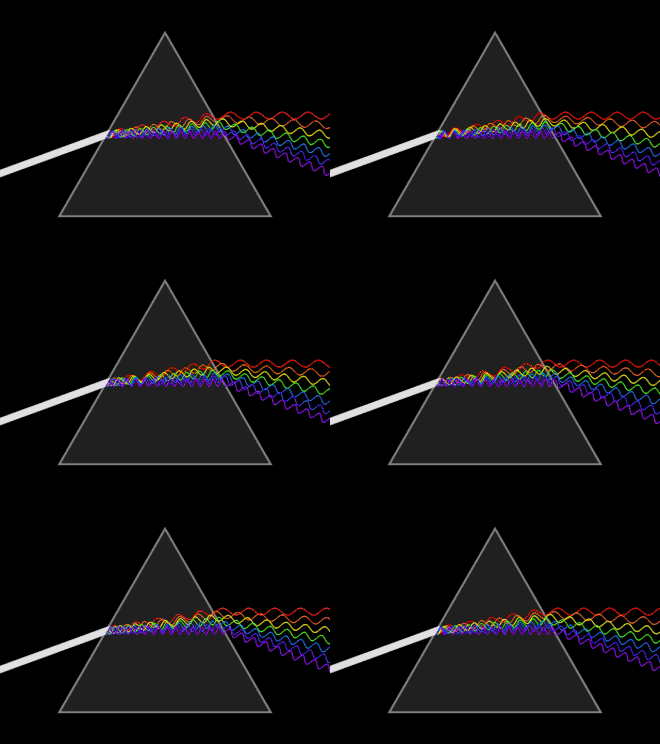
Why is the component of colour in a rainbow can be seen when light passes through a glass prism?

a)

phenomena of scattering of light

b)

phenomena of dispersion of light

c)

phenomena of reflection of light

d)

phenomena of diffraction of light

118.

How many components of white light?

a)

5

b)

6

c)

7

d)

8

119.

Why is the spectrum of light seperated into its components of colour when white light is directed to a prism?

a)

The different colours in the white light bend away from the normal line at different angles when entering prism

b)

The different colours in the white light bend towards the normal line at different angles when entering prism

c)

The different colours in the white light bend away from the normal at same speed to each other when entering prism

d)

The different colours in the white light bend towards the normal at same speed to each other when entering prism

120.

This is the example of dispersion of light

a)

sky looks bright orange in the evening

b)

shadow

c)

Pool seems shallower

d)

rainbow

121.

These are all colours of spectrum except

a)

indigo

b)

blue

c)

purple

d)

green

122.

Why is red light is at the top whileviolet at the bottom of the spectrum?

a)

Violet light has the medium speed so it is refracted the least.

b)

Violet light has the highest speed so it is refracted the least

c)

Red light has the slowest speed so it is refracted the least

d)

Red light has the highest speed so it is refracted the least.

123.
What is being blocked when a shadow is formed?
a)
Light Source
b)
Light Path
c)
Object
d)
Eye
124.

Which of the following is NOT a source of light?

a)

eyes

b)

lit candle

c)

sun

d)

firefly

125.

We are able to see the moon because it ____________

a)

gives out light

b)

glows

c)

reflects light from the sun

d)

reflects light from the earth

126.

Light is able to pass through __________________ materials

a)

transparent

b)

shiny

c)

dull

d)

opaque

127.

Light is unable to pass through ________________ objects

a)

opaque

b)

coloured

c)

blunt

d)

dark

128.

What do you call the phenomena which results to the formation of rainbows?

a)

scattering

b)

diffraction

c)

reflection

d)

dispersion

129.
When two magnets have the same poles facing each other they will?
a)
attract
b)
repel
c)
attack one another
d)
spin
130.
Iron, Nickel and cobalt are all __________________ materials
a)
Shiny
b)
poles
c)
magnetic
d)
cold
131.
Which metals are attracted to magnets? 
a)
iron, nickel, cobalt
b)
gold, silver, platinum
c)
copper, magnesium, aluminum
132.

The area around a magnet in which magnetic forces can act is ?

a)

motor

b)

magnetic field

c)

magnet

d)

magnetic poles

133.

Which materials is not magnetic?

a)

plastic

b)

iron

c)

cobalt

d)

nickel

134.

Magnetic materials in metal are...

a)

copper-aluminium

b)

iron-steel

135.

Aluminium soft drink can is considered as...

a)

magnetic material

b)

non-magnetic material

136.
If you cut a magnet in half, what happens to the poles?
a)
One half gets the North Pole, the other half gets the South Pole
b)
Both halves get only a North Pole
c)
Both halves get only a South Pole
d)
Both halves get a North pole and a South Pole
137.
If the North Pole of a permanent magnet is placed next to a compass as seen in the picture, which direction will the needle move?
a)
Clockwise
b)
Counter-clockwise
c)
It will not move
d)
Need more information
138.
What kind of magnet can be turned on and off?
a)
refridgerator magnet
b)
electromagnet
c)
magnetite
d)
iron
139.
The strongest part of a magnet is...
a)
the bars.
b)
the force field.
c)
the poles. 
d)
the middle.
140.

If a glass plate is placed over a magnet and iron filings are sprinkled over the glass, a pattern will be visible. What does this pattern indicate?

a)

The magnetic field

b)

The electrostatic field

c)

The piezoelectric effect

d)

The chemical reaction of the magnet and the filings

141.
What do the lines around this magnet represent?
a)
North Pole
b)
South Pole
c)
Magnetic Declination
d)
Magnetic Field
142.

A device that uses a free-moving magnetic needle to show direction is a:

a)

Ruler

b)

magnet

c)

compass

d)

magnetic field

143.
How is a permanent magnet DIFFERENT from a temporary magnet?
a)
A permanent magnet attracts materials made of iron.
b)
A permanent magnet has poles.
c)
A permanent magnet has a magnetic field.
d)
A permanent magnet keeps its magnetism for a long time.
144.
Why does a compass needle point north?
a)
The compass is a bar magnet
b)
Because north is up
c)
Because it's magic
d)
It lines up with the Earth's magnetic field
145.
What is responsible for the Magnetic Field around Earth?
a)
The Earth's crust
b)
The Earth's molton iron core
c)
The Earth's mantel
d)
The Sun
146.
A refrigerator magnet is an example of a:
a)
magnetic material
b)
permanent magnet
c)
horseshoe magnet
d)
temporary magnet
147.

This nutrient is the main fuel for our bodies

a)

carbohydrates

b)

protein

c)

fat

d)

calories

148.

Which of the following is NOT a mineral

a)

sodium

b)

calcium

c)

iron

d)

protein

149.
Nutrients that build and repair tissues and cells e.g. meat, milk, eggs.
a)
Fat
b)
Minerals
c)
Vitamins
d)
Protein
150.
Proteins are found in...
a)
dried beans, peas, and nuts
b)
milk and eggs
c)
meat, fish, and poultry
d)
All choices are correct
151.

These nutrients supply your body with energy, form your cells, maintain body temperature, and protect your nerves.

a)

Carbohydrates

b)

Proteins

c)

Fats

d)

Vitamins and Minerals

152.

These nutrients supply your body with energy and aid in the growth and repair of your body's tissues.

a)

Carbohydrates

b)

Proteins

c)

Fats

d)

Vitamins and Minerals

153.

What is the serving size for this food item?

a)

230 cal.

b)

8 servings

c)

2/3 cup

d)

260mg

154.

These nutrients supply energy for your body's functions

a)

Carbohydrates

b)

Proteins

c)

Fats

d)

Vitamins and Minerals

155.

How many grams of dietary fiber are there in one serving?

a)

37g

b)

4g

c)

1g

d)

230 cal

156.

How much water should a person drink each day?

a)

75% of their body weight in ounces

b)

50% of their body weight in ounces

c)

8 cups

d)

75 ounces

157.
What do plants give off after photosynthesis?
a)
Oxygen
b)
carbon
c)
nitrogen
d)
hydrogen
158.
Plants need ________from the air for photosynthesis
a)
oxygen
b)
soil
c)
carbon dioxide
d)
sugar
159.
What molecule absorbs sunlight during photosynthesis?
a)
Epidermis
b)
thylakoid
c)
the leaf
d)
chlorophyll
160.
Which statement about photosynthesis is correct?
a)
Plants get the energy they need for photosynthesis from water.
b)
Plants get the energy they need for photosynthesis from soil.
c)
Plants get the energy they need for photosynthesis from sunlight.
d)
Plants do not require energy to perform photosynthesis.
161.
The products of photosynthesis are
a)
water and carbon dioxide
b)
oxygen and water
c)
sugar and cabon dioxide
d)
oxygen and sugar (glucose)
162.
The main source of energy for all life comes from ____.
a)
the Earth
b)
the moon
c)
the sun
d)
the food we eat/make
163.
Why are plants important to life on Earth?
a)
They make our world more beautiful
b)
They make the planet look green
c)
They use carbon dioxide and give us oxygen
d)
They provide shade for insects
164.
In what part of the cell does photosynthesis occur?
a)
Nucleus
b)
Chloroplast
c)
Epidermis
d)
Vacuole
165.
After photosynthesis, plants store their energy as _________ .
a)
chlorophyll
b)
pigment
c)
glucose (sugar)
d)
Oxygen
166.
Use the diagram to answer the question. Between which parts of the molecule must the bonds be broken to form an ADP molecule?
a)
A and B
b)
A and C
c)
B and C
d)
C and D
167.
Plants need carbon dioxide from their environment to produce glucose during which stage of photosynthesis? 
a)
The light-dependent stage
b)
The light-independent stage (The Calvin Cycle)
c)
The electron transport chain
d)
ATP formation
168.
Where do the light-dependent reactions occur? 
a)
thylakoid membrane
b)
stroma
c)
mesophyll
d)
mitochondria
169.
Where does the Calvin Cycle occur?
a)
thylakoid
b)
stroma
c)
lumen
d)
mitochondria
170.
When humans burn fossil fuels, most of the carbon quickly enters the                       as carbon dioxide.
a)
Water
b)
Atmosphere
c)
Sun
d)
Air
171.
What does not produce carbon dioxide?
a)
Photosynthesis
b)
Burning Fossil Fuels
c)
Animal respiration
d)
Plants decaying
172.
How do living organisms return carbon to the atmosphere in the carbon cycle?
a)
respiration and photosynthesis
b)
 decomposition and respiration
173.
In what process is Carbon transformed into chemical energy?
a)
Photosynthesis
b)
Respiration
c)
Primary Production
d)
Secondary Production
174.
Which process converts carbon in the form of sugar into carbon dioxide gas?
a)
Bioremediation
b)
Photosynthesis
c)
Respiration
d)
Transpiration
175.
What is the function of ATP in living things?
a)
provides energy for cells
b)
stores genetic information
c)
provides structure in the nucleus
176.
What does the "TP" in ATP stand for?
a)
2 phosphates
b)
tri (3) phosphates
c)
Two proteins
d)
tri (3) proteins
177.
Which of the following can be compared to a battery in need of recharging?  (empty wallet)
a)
ADP
b)
ATP
c)
Ribose
d)
Adenosine
178.
Which terms best describe autotrophs?
a)
Plants; producers
b)
Animals; producers
c)
Plants; consumers
d)
Animals; consumers
179.
Which terms best describe heterotrophs?
a)
Plants; producers
b)
Animals; producers
c)
Plants; consumers
d)
Animals; consumers
180.
Which of the following is the correct equation for PHOTOSYNTHESIS?
a)
carbon dioxide + water --> oxygen + glucose
b)
carbon dioxide + glucose + water --> oxygen 
c)
oxygen + water --> carbon dioxide + glucose
d)
glucose+ oxygen ---> water + carbon dioxide 
181.
__________ is a stack of thylakoids
a)
Granum
b)
Stomata
c)
Stroma
d)
Chloroplast
182.
a)
Stroma
b)
Thylakoid
c)
Skittle
d)
Grana
183.
a)
Flapjack Stack
b)
Grana
c)
Thylakoid
d)
Stroma
184.
a)
Grana
b)
Thylakoid
c)
Stroma
d)
Jelly Filling
185.

6CO2 + 6H20 + energy ------> C6H12O6 + 6O2 is the equation for ?

a)

Cellular Respiration

b)

Photosynthesis

186.

Increasing the intensity of light had what effect on photosynthesis?

a)

It slowed it down

b)

It sped up

c)

It stayed the same

187.

Increasing the amount of CO2 did what to the rate of photosynthesis?

a)

Increased

b)

Decreased

c)

Stayed the same

188.

The ______ the temperature, the more photosynthesis can occur.

a)

higher

b)

lower

189.
How would light intensity generally affect the rate of photosynthesis?
a)
Increases the rate, up to a point
b)
Increases the rate
c)
Decreases the rate
d)
No relationship to the rate
190.
How would the concentration of CO2 in water affect photosynthesis?
a)
The higher the CO2, the greater the rate
b)
The higher the CO2, the lower the rate
c)
CO2 concentration doesn't affect photosynthesis
d)
a greater rate of photosynthesis causes higher CO2 concentrations 
191.

The Calvin Cycle takes place in the:

a)

Stroma

b)

Thylakoid

c)

Grana

d)

Stomata

192.

In an endothermic reaction, heat is ...

a)

taken in

b)

given out

193.
In an exothermic reaction, heat is ...
a)
taken in
b)
given out
194.

6. Which of these processes is always exothermic?

a)

A. evaporation

b)

B. burning

c)

C. insulation

d)

D. melting

195.

1. Equal amounts of four different substances (A-D) where added separately to equal amounts of an acid and a thermometer placed in the mixture. For which substance is the reaction the most exothermic?

a)

A. temperature rises by 3 °C\degree C    

b)

B. temperature falls by 5 °C\degree C   

c)

C. temperature falls by 3 °C\degree C    

d)

D. temperature rises by 5 °C\degree C  

196.
If a chemical reaction is EXOTHERMIC, the temperature would....
a)
Stay the same
b)
Increase
c)
Decrease
197.
During an endothermic reaction in a beaker if we are part of the surroundings and touched the beaker, it would feel _______. 
a)
Warm
b)
Cold
198.
Baking bread and cooking an egg are examples of....?
a)
Endothermic processes
b)
Exothermic processess
c)
None of these 
199.
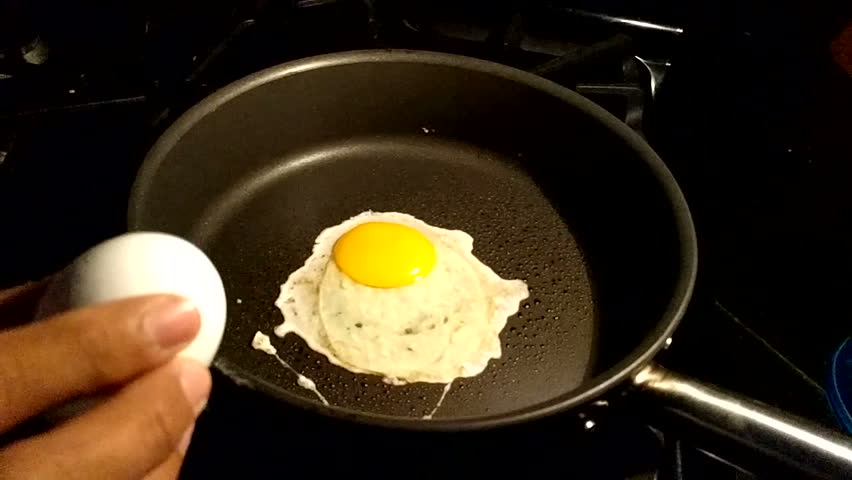
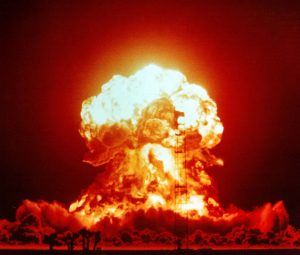
What type of reaction is shown in the photo?
a)
Exothermic
b)
Isothermic
c)
Endothermic
d)
None of the  above
200.

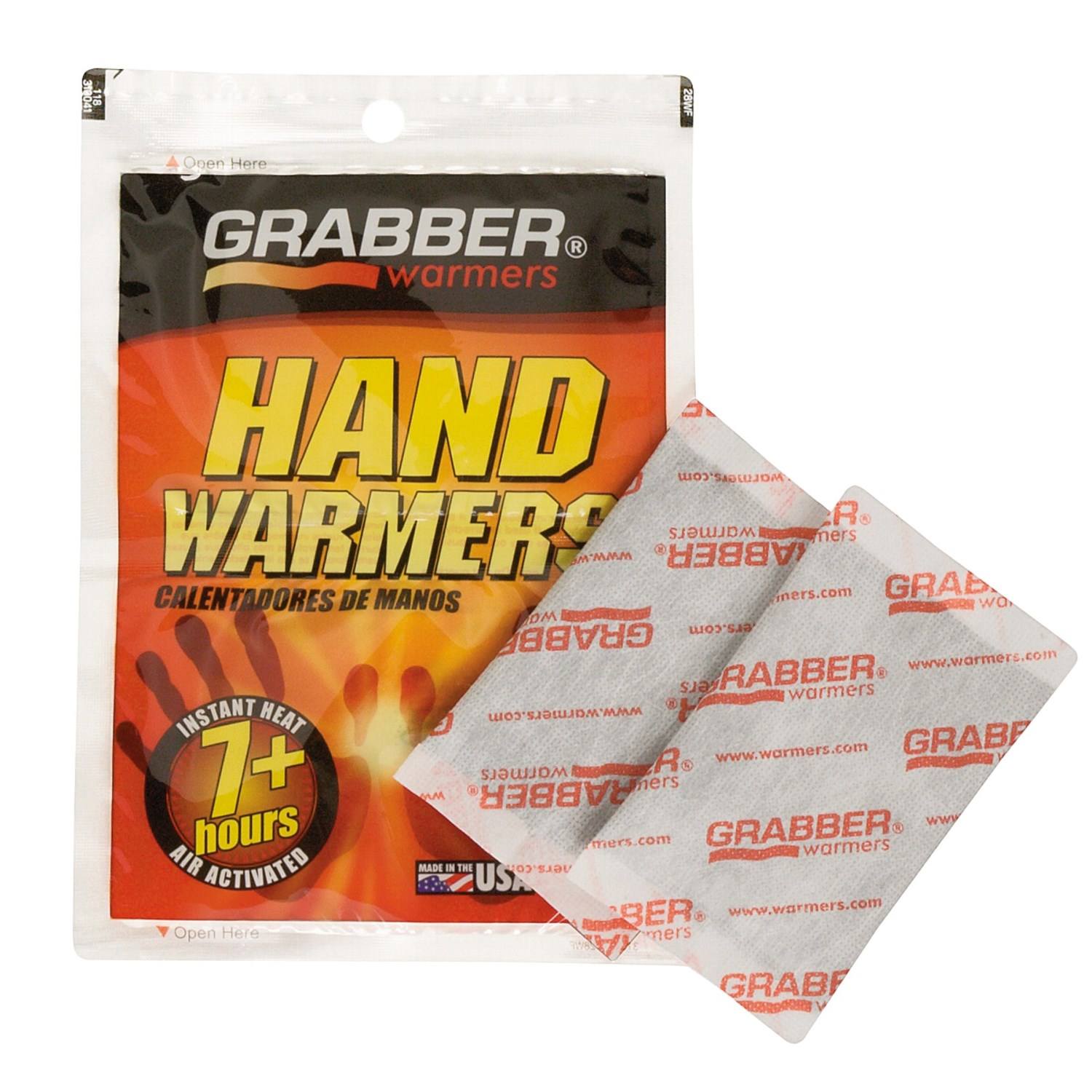
What type of reaction occurs in a hand warmer?

a)

exothermic

b)

endothermic

201.

O2(g) + 2 H2 (g)  2 H2O (g) + EnergyO_2\left(g\right)\ +\ 2\ H_2\ \left(g\right)\ \rightarrow\ 2\ H_2O\ \left(g\right)\ +\ Energy  

a)

endothermic

b)

exothermic

202.

6 CO2+ 6 H2O + Energy  C6H12O6 + 6 O26\ CO_2+\ 6\ H_2O\ +\ Energy\ \rightarrow\ C_6H_{12}O_6\ +\ 6\ O_2

a)

endothermic reaction

b)

exothermic reaction

203.

A student mixed two chemicals to allow them to react. The temperature before the reaction was 25 ° C. The temperature after the reaction was 18° C. Which of the following is true?

a)

It is an exothermic reaction

b)

It is an endothermic reaction

204.
A lizard egg needs a temperature of 26-30 ° C to hatch properly. You place it next to a pouch of water which is 22 °C. What type of chemical do you need for the egg? 
a)
Calcium chloride because it will be endothermic.
b)
Calcium chloride because it will be exothermic. 
c)
Citric acid because it will be exothermic. 
d)
Citric acid because it will be endothermic. 
205.
In an exothermic reaction, heat is ...
a)
taken in or absorbed
b)
given out or released
206.
In an endothermic reaction, heat is ...
a)
taken in or absorbed
b)
given out or released 
207.
What type of reaction occurs in a hand warmer
a)
exothermic
b)
endothermic
208.
Exothermic reactions...
a)
Absorb energy
b)
Release energy
c)
Release Color
d)
Absorb Color
209.
Is photosynthesis an exothermic or endothermic reaction?
a)
Endothermic
b)
Exothermic
c)
Neither
210.
Baking bread and cooking an egg are examples of....?
a)
Endothermic processes
b)
Exothermic processess
c)
None of these 
211.
If a chemical reaction is EXOTHERMIC, the temperature would....
a)
Stay the same
b)
Increase
c)
Decrease
212.
Have you ever eaten sherbet sweets candy? They fizz in your mouth and your tongue feels cold. Why do you think that is?
a)
It is an exothermic reaction
b)
It is an endothermic reaction
c)
It is made of ice
d)
It is dissolving your mouth
213.
Alka-seltzer in water is an example of a 
a)
Endothermic reaction
b)
Exothermic reaction
c)
Dissolving a salt
d)
physical change 
214.
When you freeze water, it turns to ice.  What kind of change is this?
a)
 Physical
b)
Chemical
215.
Sugar dissolves in water.  This is an example of....
a)
Physical Change
b)
Chemical Change
216.
A student mixed two chemicals to allow them to react. The temperature before the reaction was 25 ° C. The temperature after the reaction was 18° C. Which of the following is true? 
a)
The temperature changed 
b)
It is an endothermic reaction
c)
It is an exothermic reaction 
d)
Two of the answers are correct 
217.
After you mix two substances together, a new substance forms.  This is an example of:
 
a)
 Physical Change
b)
 Chemical Change