
 Worksheets
pr 3 revision semester1
Total questions: 115
Worksheet time: 2hrs 37mins
Skin protects the body by keeping harmful substances outside the body and keeping important substances inside the body.
True
False
How can you help to keep your skin healthy?
Eating a helpful diet.
Keeping the skin clean.
Limiting time in Sun.
None of the above.


This bone is ____.
skull
ribs
spine
pelvis
The function of ribs are protecting....
Choose more than one answer
lungs
heart
brain
intestines
Brain will be protected by ____.


Which of the following is true?
Choose more than one answer.
the skeleton supports our body
the skeleton protect our important organs
A vertebrate has no backbone
jelly fish is a vertebrate
Identify the word that being described.
It protects the brain.
Skull
Rib cage


Food is the main source of ........................................
Energy
Time
Wind
Changing food into simpler parts is called ........................
Breathing
Digestion
Running
Digestion beginswhen you put food inyour ..............
Mouth
Ears
Nose
........................ soften the food in our mouth
Saliva
Ball
Water
The longest part of the digestive system is the …………………..
esophagus
small intestine
stomach
large intestine
the undigested food is assembled in the ………………..
Stomach
Duodenum
Small intestine
large intestine
........... is the process of changing food from complex form into simple to get benefit from it
Respiration
Digestion
Absorption
Sensation
1. What is one of the main organs in the digestive system?
Stomach
Lungs
Heart
Blood cells
2. What does the digestive system do?
Takes your energy away
pumps blood
Breaks down food and gives you Energy and nutrients
detoxifies the body
6. What have you learn about the digestive system?
breaks down food and gives you energy
Allows you to breath and gives you energy
Gives you nutrients and breaks down food
Detoxifies your body

The process of breaking down food is called (a) .
When does digestion begin?
When the enzymes change starches into sugar.
When you begin chewing the food in your mouth.
After you swallow.
When you feel full.
Where does most digestion take place?
large intestine
small intestine
stomach
liver
Where does the digestive system start?
The liver
The throat
The stomach
The mouth
1. What is one of the main organs in the digestive system?
Stomach
Lungs
Heart
Blood cells
2. What does the digestive system do?
Takes your energy away
pumps blood
Breaks down food and gives you Energy and nutrients
detoxifies the body
4. Digestive system help you breath.
True
False
How big is your heart?
About the size of your brain
About the size of your lungs
About the size of a cell
About the size of your fist
What is the main organ of the circulatory system?
Brain
Lungs
Heart
Blood Vessels
Which blood vessel carries blood away from the heart?
Veins
Arteries
Capillaries
Which blood vessel carries blood toward the heart?
Arteries
Veins
Capillaries
How many chambers does the heart have?
4
10
3
1
When does your heart beat?
Only when you are exercising
Only when you are sleeping
All the time
What does your heart do?
Pump carbon dioxide through your body
Give your body energy
Pump oxygen through your body
Nothing


Meat, fish and chicken are......................
Carbohydrates
Proteins
Fats
Vitamins and minerals

Proteins..............................
help us grow and build our muscles.
give us energy
keep us warm

Bread, rice and pasta are.............................. .
proteins
carbohydrates
fats
vitamins and minerals

Bread, cereal and potatoes are also............................ .
proteins
carbohydrates
fats
vitamins and minerals

Carbohydrates............................ .
help us grow
give us vitamins
give us energy

Fruits and vegetables have lots of ................. .
fats
vitamins

Fruits and vegetables .................... .
give us energy
help you fight infections ( sickness )

Fats are found in .................. .
oil, butter and cheese
rice and pasta
fish and chicken

Imagine you are feeling sick. Which food group might help you to feel better?
carbohydrates
fats
vitamins and minerals

Imagine you are going to run a marathon. Which food group do you need to eat more of?
proteins
carbohydrates
fats

Imagine you want to build up your muscles. Which food group do you need to eat more of?
Proteins
Carbohydrates
Fats

Which food group does this belong to?
fruits
protein
dairy

Which food group does this belong to?
dairy
grains
vegetables

Which food group does this belong to?
protein
dairy
good fats

Which food group does this belong to?
protein
vegetables
fruits

Which food group does this belong to?
fruits
vegetables
protein

Which food group does this belong to?
dairy
vegetables
fruits

Which food group does this belong to?
fruits
good fats
grains

Which food group does this belong to?
grains
vegetables
dairy

Which food group does this belong to?
dairy
vegetables
grains

Which food group does this belong to?
fruits
vegetables
protein

Which food group does this belong to?
protein
dairy
vegetables

What vitamin is good for your skin,fights infections and helps your body to absorb the iron that you need?
B
C
E
A
We don't need water to make our body and our brain work properly.
true
false
What can water help your body do? Staying hydrated helps _____
get rid of things we don't need
us be lazy
our kidneys work well
our kidneys stop the build-up of harmful subtances

When it’s hot, you need to stay ............
skin
hydrated
kidneys

You may also feel .......................if you don’t drink enough water.
tired
hydrated

Vegetables
Fruit
Protein
Dairy
Carbohydrates

Vegetables
Fruit
Protein
Dairy product
Carbohydrates

Vegetables
Fruit
Protein
Dairy product
Carbohydrates

Vegetables
Fruit
Protein
Dairy product
Carbohydrates

Which food groups are included in this sandwich?
Fruit
Carbohydrates
Vegetable
Protein
Dairy product

Which food groups are found in this meal?
Fruit
Grain
Vegetable
Protein
Dairy

Which food groups are found in this breakfast?
Fruit
Carbohydrates
Vegetable
Protein
Dairy product

Is this healthy food or junk food?
Healthy Food
Junk Food

Choose the food group that this belongs to:
Carbohydrate
Protein
Fat
Fibre

Choose the food group that this belongs to:
Carbohydrate
Protein
Fat
Fibre

Choose the food group that this belongs to:
Carbohydrate
Protein
vegetables
Fibre

Camels live in the ........................... .
desert
ocean

Donkeys live in the .............................. .
farm
ocean

Whales live in the ....................... .
ocean
forest

...................... is the natural place of a plant or an animal
A habitat
A planetarium
The elephant lives in .............. habitat.
farm
ocean
forest
desert
The tiger eats ............. and lives in .......... habitats.
carrots, forest
meat , forest
grass , farm
meat , desert
Which happens first: cause or effect?
Cause
Effect
The causes of drought can either be natural or man-made?
True
False
When a dry piece of land is submerged in water, this is called ______.
hurricane
tsunami
flood
water cycle
Floods are caused by ______ rains
hard
heavy
harm
cloudy
......................is something that create a change
cause
effect
when goats eat large quantities of grass this called..................
water hyacinth
overgrazing
drought
flood
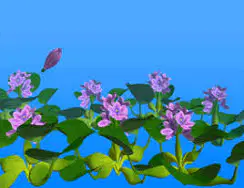
it is plant that float on water and harm the environment?
water hyacinth
overgrazing
flood
drought
from natural disasters---------------------and ,.--------------------that can change the environment .
overgrazing
flood
drought
flood has bad and good effect on the environment ?
true
false
Living place of an organism is known as __________
Adaptation
Habitat
Plant community
None of the above

It is the habitat which is full of trees
and there is rains all year
The polar habitat
rainforest habitat
forest habitat
grassland habitat
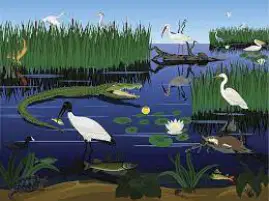
It is a habitat where fresh water and salt water and land meet forming swamps
wetland habitat
grassland habitat
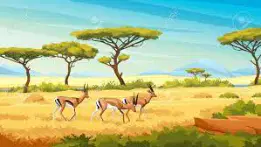
It is a habitat which has dry and flat areas of land
and few trees .
wetland habitat
grassland habitat
forest habitat
ocean habitat
it is the habitat where ice covers large parts of it and it found near to the north and south pole .
ocean habitat
rainforest habitat
polar habitat
wetland habitat
vitamins are important nutrients that the body needs in large amount for normal growth .
true
fales
Provide energy and important for the brain .
carbohydrates
proteins
fats
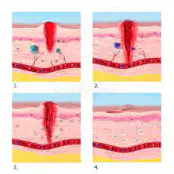
help in building and replacing tissues in the body
carbohydrates
proteins
fats
your diet must contain different types of nutrients ?
true
false
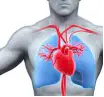
The heart is located between
your two ............. inside your chest.
eyes
kidney
lungs

