
 Worksheets
GCSE Food Science End of Topic
Total questions: 50
Worksheet time: 40mins
Fats and oils help to trap air in a mixture. What is this process called?
Dextrinisation
Gelatinisation
Aeration
Coagulation
Name the process that stops gluten from forming long strands?
Shortening
Rubbing in
Steaming
Aeration
Two liquids that wouldn’t normally combine are are joined together and are called ...
A gel
A mixture
An emulsion
A combination
The process of combining oil and vinegar together requires ....
An emulsifier
An emulsion
A sauce
A formation
The process of joining two liquids together such as oil and vinegar using an emulsifier is known as....
Coagulation
Aeration
Gelatinisation
Emulsification
When caking making creaming the butter and sugar together makes the the mixture...
Heavier and darker in colour
Fluffier and lighter in colour
Fluffier and darker in colour
Sweeter and fluffier
Foods can be aerated with raising agents or techniques. The following ways are examples of mechanical methods. (tick the ones that apply)
Whisking
Beating
Creaming
Melting

When you rub fat into flour, you cover flour particles with fat-this gives the flour a ........... coating.
Fatty
Moist
Dry
Waterproof
Coating flour with fat when using the ‘rubbing-in’ method prevents ............. strand formation
Gluten
Glucose
Glutenin and Gliadin
Glycogen
A firm, crumbly texture for example in pastry, is also known as a .............. texture.
Short
Long
Firm
Fluffy
What type of flour is best for making shortcrust pastry?
Strong plain
00 grade
Plain
Wholemeal
Fats have the ability to be spread at different temperatures. This is known as ....
Plasticity
Durability
Spreadability
Fats are made up of different building blocks called....
Glycerin
Glucose
Triglycerides
Fatty acids
The more plasticity a fat has the ......... it is to spread at room temperature.
Easier
Harder
Longer
Shorter
Fats can be categorised into....
Saturated
Unsaturated
Monounsaturated
All of the above
Saturated fats come from animal sources.
True
False
There is a natural emulsifier contained in egg yolk, this is called...
Lecithin
Lactose
Lipid
The molecules in an emulsifier have a hydrophilic and hydrophobic end. What does this mean?
Both ends attract water
Both ends repel water
One end repels water and the other attracts water
The process of breaking down starch molecules into sugars is called (a)
Monosaccharides are monomers of
Lipids
Nucleic Acids
Proteins
Carbohydrates
Match the following statements
Carbohydrates are made up of the chemical elements
Carbon, Hydrogen and Oxygen.
Starch is broken down into
dextrins which are monosaccharides.
Carbohydrates are categorised as
polysaccharides.
Dextrinisation occurs
only in dry heat e.g. in an oven.
Hydrogen and oxygen evaporate in the heat
leaving behind only carbon molecules.
Wheat flour contains two proteins, (a) and (b) , which, when combined with (c) , form (d) . As you knead dough, the gluten becomes more and more stretchy.
State three ways that a protein can be denatured.
Protein denaturation occurs with (a) , (b) (c) and (d) .
How does the body use carbohydrates?
The body breaks it down and converts it into glucose which your body uses as energy
The body coverts it to protein to use when needed
The body breaks it down and uses it to build and repair body tissue
The body uses it to help transport vitamins and minerals throughout the body
None of the above are true about how the body uses carbohydrates
In order for (a) to break down into (b) , (c) must be applied. The result is that food goes (d) and browner. This is called (e) .
The process of (a) is a result of starchy foods being exposed to high temperatures in (b) heat. The starch molecules, which are made up of (c) are broken down and converted into (d) . This causes the food to go browner, crispier and (e) .
Match the following sentences
Gluten is formed when
water is added to flour.
The two proteins in flour are called
Glutenin and gliadin.
Gluten content allows
bread dough to become stretchy.
People who are allergic to gluten
have coeliac disease.
The best type of flour to make bread
is strong plain.
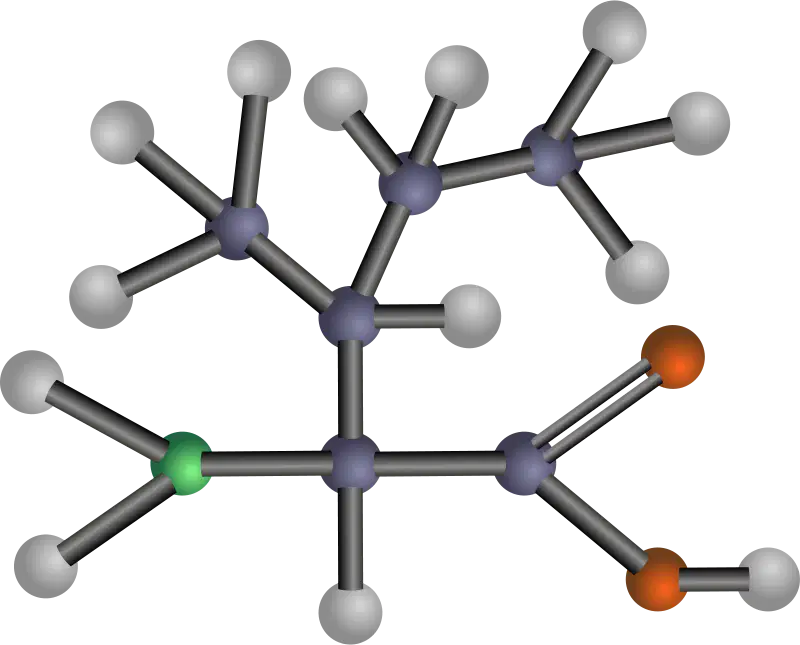
The building blocks of protein are called?
saccharides
amino acids
fats
triglycerides
Amino acids are joined together by chemical bonds. When heated these bonds are broken and change resulting in changes in texture and appearance. The process is called...
coagulation
gelatinisation
denaturation
shortening
Denatured proteins take up so much space that they knock into each other and bind together. They trap air or water as they
coagulate
denature
gelatinise
create a foam
Why is kneading important in bread making?
to mix the ingredients
to untangle and stretch out gluten coils
to prevent shrinking
to allow it to prove
Denaturation (breaking chemical bonds of proteins) occurs by
adding acid
heat
mechanical agitation
trapping air bubbles
all of the above
What is syneresis?
when carbohydrates are heated
when a sauce becomes thick
overcooking a protein which causes it to become rubbery as the water is squeezed out
whisking to make a foam
When making meringue, why do we whisk egg whites?
to trap air
to denature the proteins
to mix it up
to make it white
What is an example of protein denaturation?
Cracking an egg
Flipping an egg
Cooking an egg

Proteins are composed of_______ . Select all that applies.
carbon
hydrogen
oxygen
carbon dioxide
This chemical process can occur when heat, acid, agitation or salt is added to a food such as eggs or meat.
(a)
Match the following
Chemical bonds
bonds that hold large protein molecules
Coagulation
joining together of denatured proteins
Gluten
glutenin + gliadin + water
Amino acids are
individual building block for proteins
Denaturation
the chemical bonds have broken & change
This chemical process occurs when proteins are heated and the structure sets from liquid to solid e.g. when frying an egg
(a)
Which elements are fats made up of?
carbon, triglyceride, oxygen
water, hydrogen, oxygen
water, carbon, oxygen
carbon, hydrogen, oxygen
The process of gelatinisation occurs when (a) molecules (b) liquid such as stock or milk. At 60 degrees C the molecules swell, at (c) degrees C they burst and release starch into the liquid. This causes the liquid to (d) and is fully (e) at 100 degrees C.
Plasticity means
how much plastic something has in it.
how many triglycerides it contains.
how good it is for cooking with.
how spreadable a fat is.
Which is the main raising agent used when making choux pastry?
Bicarbonate of Soda
Yeast
Steam
Air
The process where yeast makes CO2 gas to make bread rise is called:
Gelatinisation
Foam Formation
Fermentation
Denaturation
Label the picture to identify the process of dextrinisation in order
Carbon remains
H2O evaporates as dry heat is applied
Bread is a complex carbohydrate
Caramelisation is the process when...
fat is heated in a dry heat and caramel is formed
starch is heated in a dry heat and caramel is formed
sugar is heated in a dry heat and caramel is formed
protein is heated in a dry heat and caramel is formed
Why is it important not to heat sugar beyond 160-180 degrees C?
It becomes sticky
It becomes bitter to taste
It doesn't cook anymore
It gets tired
The function of fat in baking is to add (a) , (b) the texture, give a (c) colour and to extend the (d) .
Tick the following ingredients that are classified as raising agents
Bicarbonate of soda
Baking powder
Yeast
Sugar
Categorise the keywords with the nutrient that it is associated with
Denaturation
Coagulation
Maillard reaction
Caramelisation
Dextrinisation
Polysaccharide
Emulisfication
Plasticity
Aeration
Triglycerides
Gelatinisation
Monosaccharide
Amino acid
Emulsion

